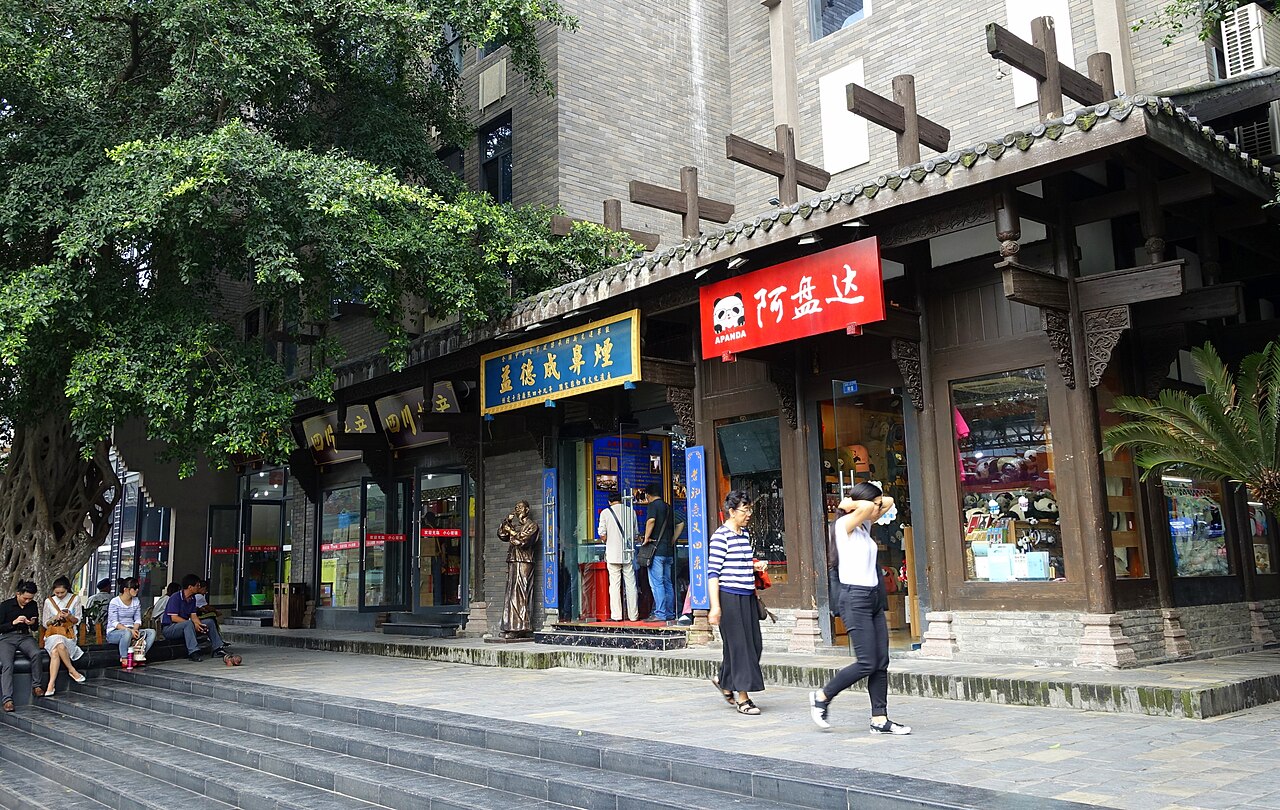
Kuanzhai Alley, often called the Wide and Narrow Alleys, is the part of old Chengdu that has been most carefully preserved and reinvented for visitors. It consists of three parallel lanes, Kuan (Wide) Alley, Zhai (Narrow) Alley and Jing (Well) Alley, whose grey-brick courtyard houses date to the Qing dynasty, with some late Qing and early Republic buildings in Zhai Alley. Today the houses hold teahouses, restaurants, craft shops, galleries and cafes, and the lanes are among the best places in the city to sit down with a cup of tea and watch the city go by. Wide Alley has the largest number of intact old buildings and the most traditional atmosphere, with Sichuan food and teahouses; Narrow Alley is more western in style, with cafes and leisure venues; and Well Alley has a brick culture wall and local snacks and traditional products. Entry is free and the lanes are open all day.
How to visit
The alleys are in the Qingyang district, close to People’s Park and Tianfu Square, and are easy to reach by metro and a short walk. You do not need a ticket to walk the lanes, but individual teahouses, performances and museums charge. Allow one to three hours.
What to expect
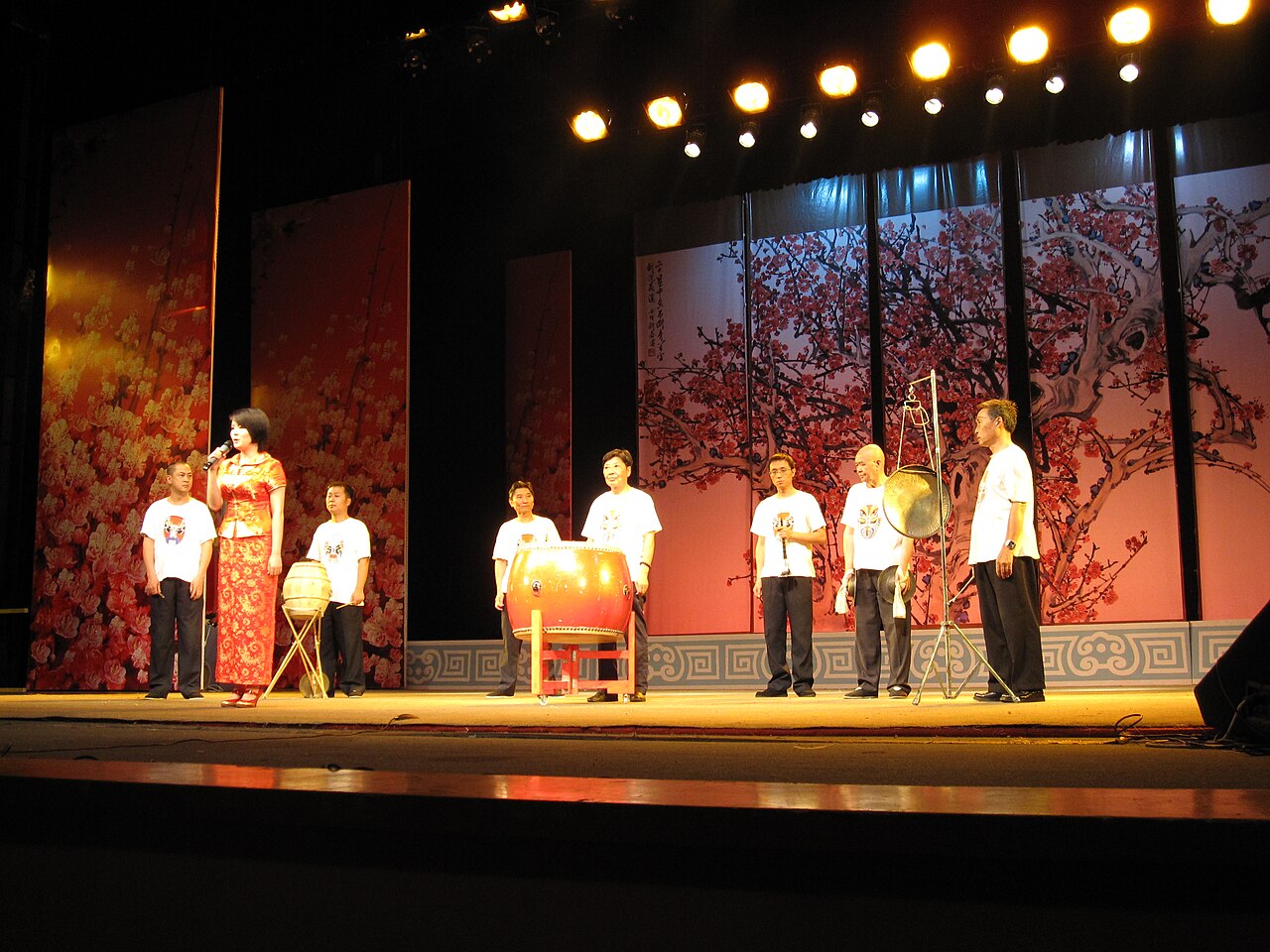
A polished, busy pedestrian area. Some shops sell mass-market souvenirs, so look beyond the main frontages to find the quieter courtyards with local craft, tea and food. Evening is lively, with lights, music and a number of bars, and it is a handy base for an evening Sichuan opera or tea performance, since several venues operate nearby.
Making the most of it
Come in the morning for photography and fewer people, then return in the evening for atmosphere. Tea in a courtyard teahouse is the natural highlight; watch how it is served in a covered cup, and you will understand why Chengdu people spend whole afternoons doing it.
November is cool and often grey, which suits slow tea stops. Weekends and holidays are packed, so aim for a weekday.
What to expect
The experience
A free wander through three lanes of restored courtyard houses, with stops for tea, snacks and shopping.
Best time
Weekday mornings for calm and photographs, and evenings for lights and atmosphere.
How long
One to three hours.
Tips
Look beyond the main frontages for quieter courtyards, take a tea break in a courtyard teahouse, and avoid weekends and holidays.
Quick picks
- Best for
- First-time visitors who want a taste of old Chengdu architecture and teahouse culture.
- Families
- The lanes are flat and traffic-free, with plenty of snacks, though crowds can be dense.
- Couples
- Share a pot of tea in a courtyard teahouse, then stay for the evening lights.
- Pair with
- People’s Park and its teahouse, or an evening Sichuan opera show nearby.
- Time needed
- One to three hours.
Good questions
Is Kuanzhai Alley free to enter?+
Yes, the lanes are free and open all day. Individual teahouses, shows and museums charge their own prices.
What are the Wide and Narrow Alleys?+
They are three parallel lanes called Kuan (Wide), Zhai (Narrow) and Jing (Well) Alley, lined with Qing-dynasty courtyard houses. Each has a slightly different character.
Is Kuanzhai Alley authentic?+
The buildings are genuine Qing and early Republic structures, but they have been restored and turned into shops, teahouses and cafes. It is polished and touristy, though still atmospheric.
How long should I spend at Kuanzhai Alley?+
One to three hours is plenty for the lanes, with extra time if you stop for tea or a show.
What is the best time to go?+
Weekday mornings are calmest, while evenings bring lights and a livelier mood. Weekends and holidays are crowded.