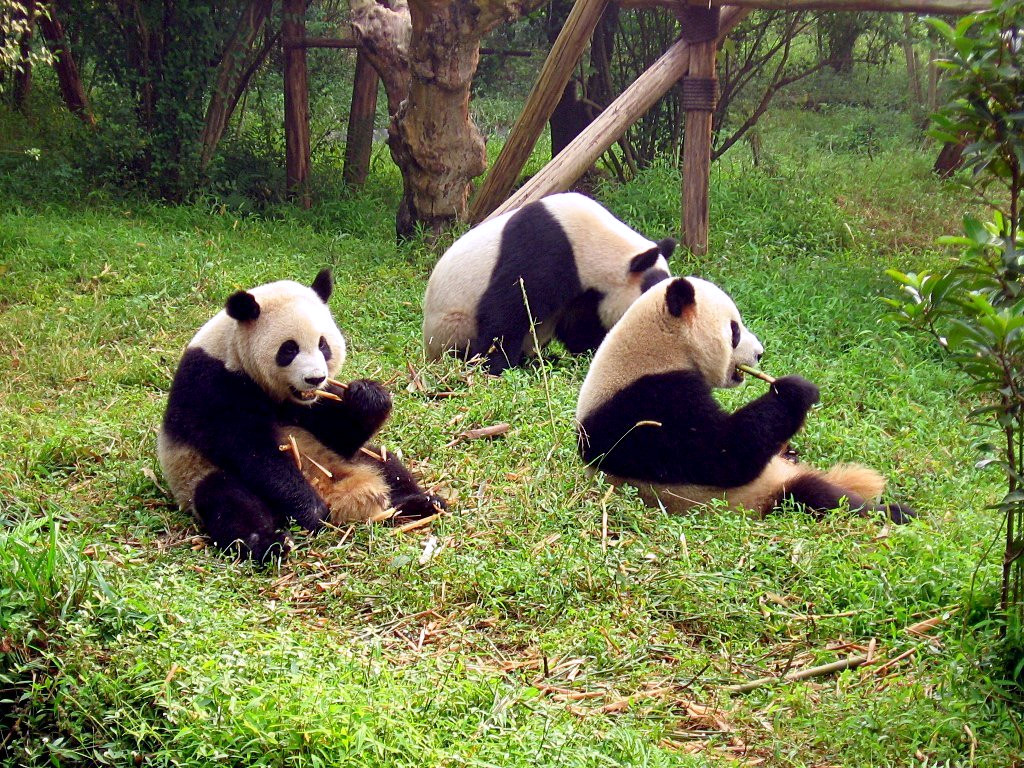
The Chengdu Research Base of Giant Panda Breeding is the reason many travellers add Chengdu to a China trip, and it rarely disappoints. The base sits in the northern suburbs and is laid out as a long parkland of bamboo groves, lakes and walking paths, with separate enclosures for adult pandas, sub-adults, cubs in the nursery and red pandas. It is both a conservation centre and a visitor attraction, so alongside the viewing areas there are museum halls explaining panda biology, breeding and reintroduction work. The animals are fed in the morning, and that is when they are on their feet, eating bamboo in the open and climbing in the trees; by late morning most settle down to sleep in the shade, which is why locals and guides insist on arriving at opening time. The simplest way to see it is a ticket with optional guide and transfer, which takes care of the real-name entry and the awkward trip out of town.
How to visit
The base is roughly ten kilometres from the centre, a taxi or ride-hailing trip of 30 to 45 minutes depending on traffic, or a combination of metro and bus. Entry is usually reserved in advance online with your passport details, and a guided option adds a driver who knows where the pandas are that day. The park opens early and entry is paid per person; the shuttle cart inside costs a little extra and is useful for tired legs. Rules and prices change, so check the current booking terms before you go.
What to expect
You walk a looping path between enclosures, queueing briefly at the busiest viewing windows. The nursery and the cub area are the most popular, and the red pandas are an easy, quieter highlight. Pandas are wild-animal conservation residents rather than performers, so expect long stretches of sleeping and bamboo chewing. Keep voices low, never feed or touch an animal, and be wary of anyone offering paid close contact.
A note on volunteer programmes
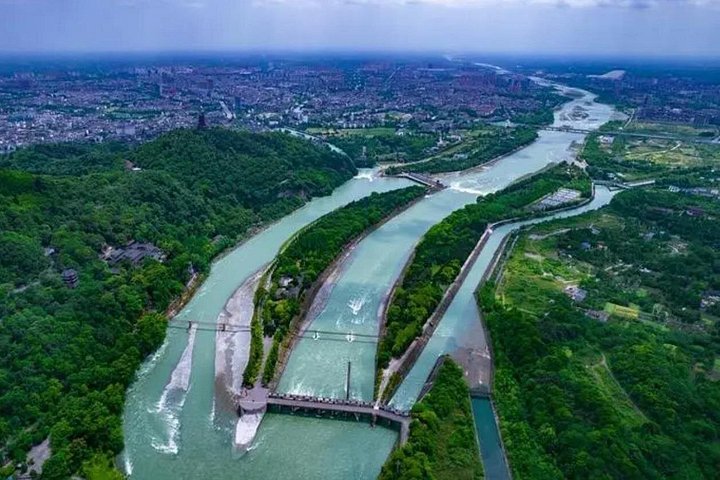
Several operators sell panda volunteer days, usually at partner bases outside the city such as Dujiangyan, and these are separate from this base. They typically involve cleaning enclosures and preparing food under staff supervision, for a considerable fee. What is allowed in terms of contact with the animals has tightened over the years, so ask exactly what is included and how the centre handles animal welfare before you pay.
Making the most of it
Arrive at opening, see the cubs first, then work back through the adult enclosures, and finish by 11:00 before the heat and the tour buses build. Weekdays outside China’s national holidays are far quieter.
What to expect
The experience
A self-paced walk around a parkland of pandas, nursery and red panda enclosures, with optional guide and transfer.
Best time
At opening on a weekday, when the pandas are being fed and most active; cool, overcast mornings in autumn are ideal.
How long
Three to four hours including the trip out of the city.
Tips
Reserve entry in advance with your passport details, arrive at opening, wear comfortable shoes, and do not pay for any close contact with the animals.
Quick picks
- Best for
- Almost every first-time visitor to Chengdu, and anyone who wants to see giant pandas in naturalistic surroundings.
- Families
- Children love the cubs and the red pandas, and the flat paths suit strollers, though the early start is the hard part.
- Couples
- Slow down at the quieter bamboo lakes at the far end of the park, away from the nursery crowds.
- Pair with
- A visit to Jinli or Kuanzhai Alley in the afternoon, once you are back in town.
- Time needed
- A morning, finishing before lunch.
Good questions
What is the best time to see the pandas?+
Go at opening time on a weekday, when the pandas are fed and move around. By late morning most are asleep and the crowds are at their largest.
How far is the panda base from downtown Chengdu?+
It is about ten kilometres north of the centre, roughly 30 to 45 minutes by taxi or ride-hailing. A guided option with a driver is the easiest way to get there and back.
Can you hold or touch a giant panda?+
No, you should not expect to, and you should avoid anyone offering paid close contact with pandas. Rules on contact with the animals have tightened, so ask what any operator actually includes.
What is a panda volunteer programme?+
It is a paid day at a partner conservation base, often at Dujiangyan, where visitors help with tasks such as cleaning and food preparation under supervision. Programmes differ widely, so check what is included and how animal welfare is handled.
Do I need to book panda base tickets in advance?+
Yes, it is best to reserve in advance, often with passport details, and especially at weekends and on public holidays. Check the current booking terms close to your visit.