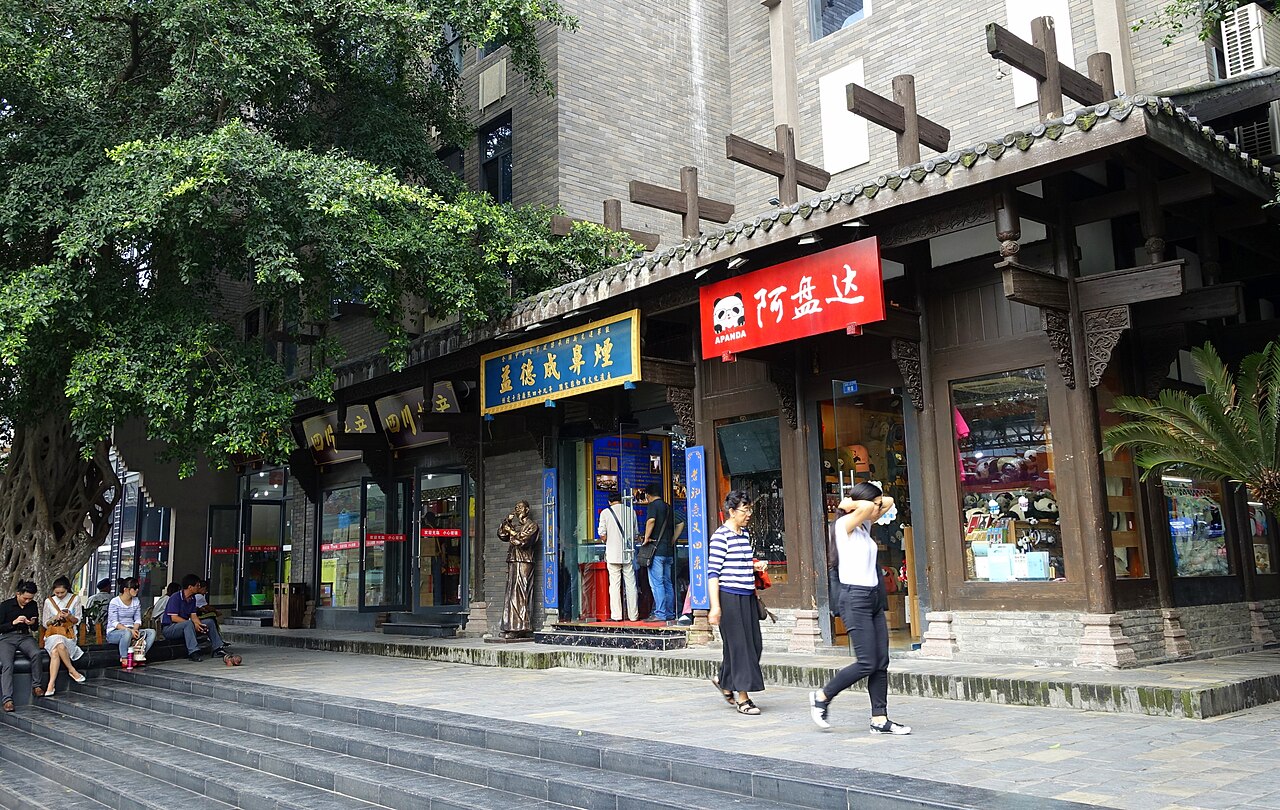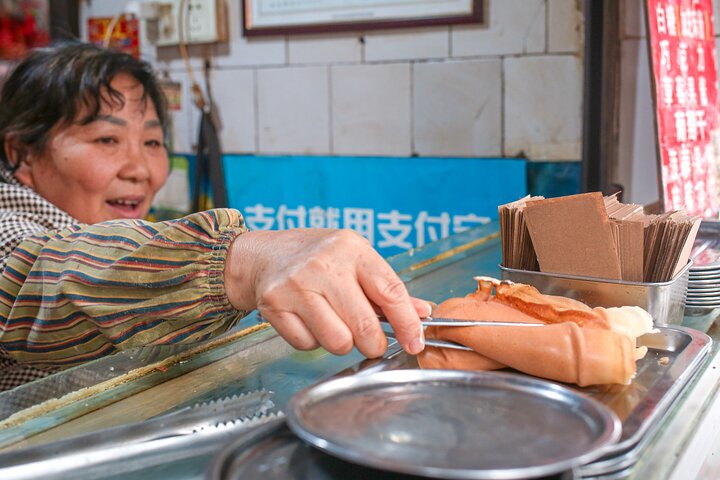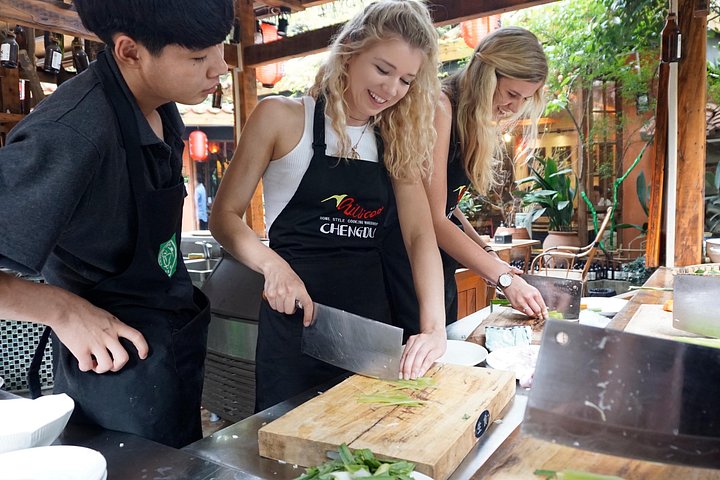
Sichuan cuisine is one of the great regional cooking traditions of China, and Chengdu is its capital, so a cooking class is among the most rewarding things you can do in the city. This half-day experience begins at a local market, where a guide introduces the ingredients that define the cuisine: the numbing Sichuan peppercorn, the fermented broad bean paste known as doubanjiang, chillies of many kinds, pickled vegetables and fresh produce you may not recognise. Back in the kitchen you cook several dishes under the guidance of a local instructor, learning the techniques behind the famous layered flavour, which Sichuan cooks call mala when it combines numbing and hot. You then sit down and eat what you have made. It suits beginners and keen cooks alike, and it is a good way to understand a menu that can look intimidating. Many travellers book it early in their stay so they know what to order afterwards.
How to visit
Classes run in the morning or afternoon and last around three to four hours. The meeting point is usually in the city centre, and the market visit is on foot or a short ride. Group sizes are small, and the menu varies between classes, so confirm the dishes when you book if you have a favourite. Tell the organiser about dietary needs, such as vegetarian or allergies, in advance.
What to expect
You will chop, marinate and stir-fry, with the instructor demonstrating each step first. Expect real heat in some dishes, though cooks can adjust the chilli level on request, and expect to learn how to balance the flavours rather than just follow a recipe. Typical classic dishes include mapo tofu, kung pao chicken and dandan noodles, but the actual menu depends on the class, so treat these as examples.
Making the most of it
Ask questions at the market, take photos of the ingredients, and buy peppercorns and bean paste afterwards if your luggage allows. Good questions about how Chengdu locals cook at home are often the best part of the class.
November is a lovely time to do it: the cool weather suits spicy food, and winter produce is in season. Book ahead, as popular classes sell out on busy days.
What to expect
The experience
A guided visit to a local market for ingredients, followed by a hands-on cooking class and a shared meal of the dishes you made.
Best time
Any day of the week; classes are popular, so book ahead, and cool months suit spicy food.
How long
Three to four hours.
Tips
Tell the organiser about allergies or dietary needs, ask for less chilli if you prefer, and confirm the menu when you book.
Quick picks
- Best for
- Food lovers and first-time visitors who want to understand Sichuan cooking.
- Families
- Older children can join in and enjoy the market, though some dishes are fiery.
- Couples
- Cook together and share the meal, then take peppercorns home as a souvenir.
- Pair with
- A street food or hot pot evening to taste the dishes at their best.
- Time needed
- A morning or afternoon.
Good questions
What will I cook in a Sichuan cooking class?+
The menu varies, but classic dishes such as mapo tofu, kung pao chicken and dandan noodles are common examples. Confirm the dishes when you book.
Is the food very spicy?+
Sichuan food can be hot and numbing, but instructors can usually reduce the chilli on request. Mention your preference at the start.
Does the class include a market visit?+
Yes, this class starts with a local market tour to see and choose ingredients. It is a good introduction to Sichuan produce and spices.
Can vegetarians join?+
Often yes, but tell the organiser in advance so they can plan the menu. Standard dishes may use pork or meat stock.
How long does the class last?+
Allow around three to four hours, including the market and the meal. Check the start time and meeting point on your booking.