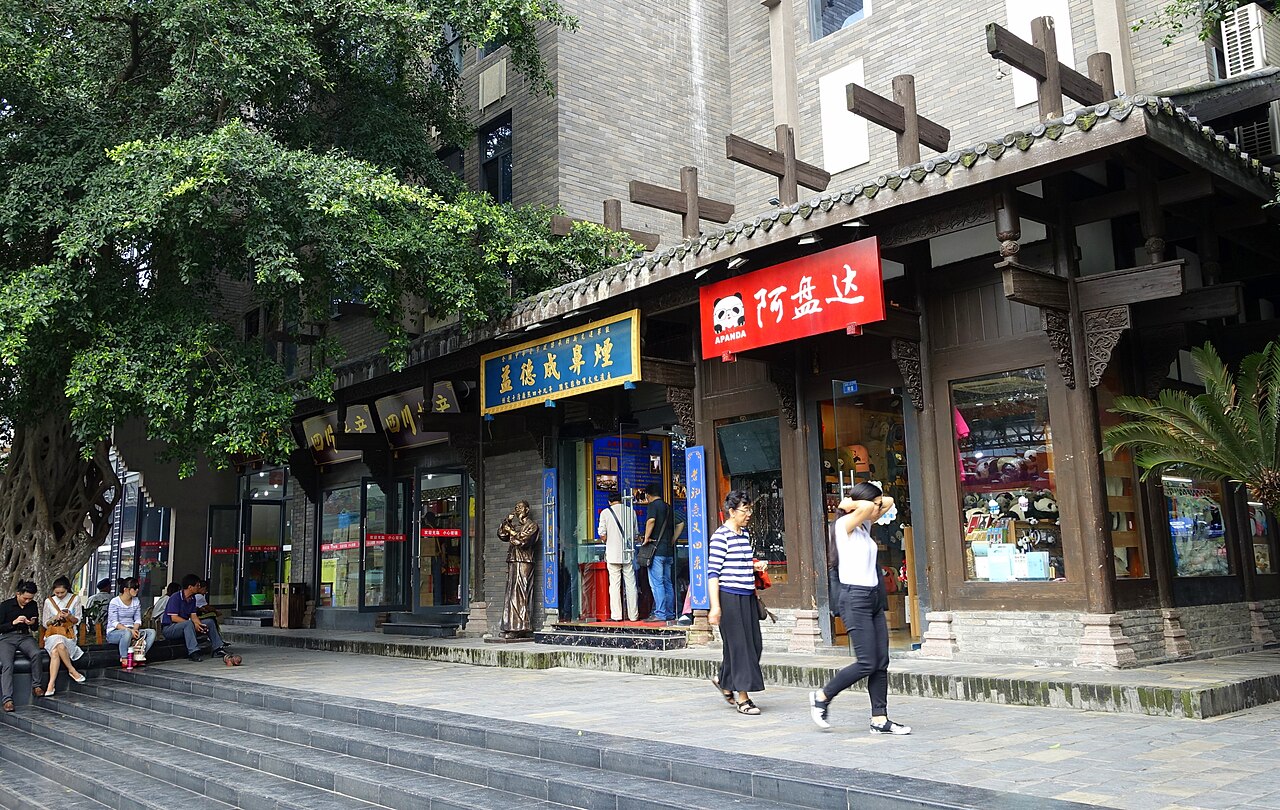
Wenshu Monastery is one of the most atmospheric places in Chengdu, and a food walk is a good way to understand why. The monastery is a working Buddhist temple with courtyards, incense, a tea garden and a vegetarian restaurant, set in a district of old streets that has been rebuilt to look like a traditional quarter. A guided food tour pairs the temple visit with tastings of local snacks and dishes, so you get the spiritual and the edible sides of the city in one outing. It is a gentle, flat walk, suitable for most ages, and it is an excellent first-day activity because it combines orientation with something delicious. You come away with a sense of how locals relate to religion, food and tea, which tend to share the same few streets.
What you will see
Wenshu Monastery dates back many centuries and is one of the largest and best-preserved Buddhist temples in the city. Its halls are tucked behind a series of courtyards where monks, worshippers and visitors mix. Burning incense, drifting smoke, carved wooden roofs and the sound of chanting make it feel far from the traffic outside. The tea garden is a popular place to rest, and the vegetarian restaurant is well known.
What you will taste
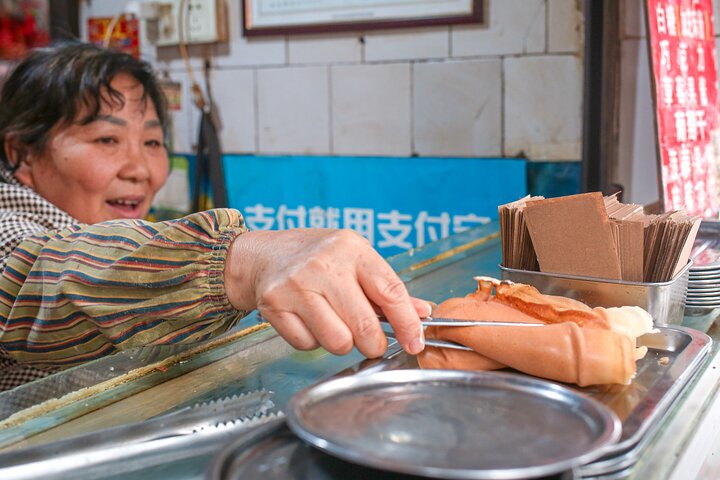
On a food walk you typically sample a range of Sichuan snacks, which might include noodles, dumplings, sweet rice treats, skewers and cold dishes, depending on the route and the day. A guide explains the ingredients, the names and how to order them again on your own. Many visitors find this the best way to meet the more intimidating dishes, because tasting small portions makes it easier to find what you like.
Etiquette at the temple
Dress modestly, speak quietly, and do not point your feet or camera at Buddha statues. Photography may be restricted in some halls, and you may be offered incense, which is optional. Follow the guide’s lead, and if you are not Buddhist you are still welcome as a respectful visitor. Donations are voluntary.
Practical points
The walk is mostly flat, and distances are short, so it works for older travellers and children. Tours often run in the morning or late afternoon, when the light is soft and the lanes are lively. Entry to the monastery may be separate or included, so check what is covered when you book, and mention food allergies, vegetarian needs and spice tolerance in advance.
Who it suits
First-time visitors, food travellers, photographers, and anyone who wants a slow cultural afternoon with a built-in lunch. Combine it with Kuanzhai Alley or People’s Park for a full day in the old centre.
Making the most of it
Arrive hungry but not starving, so you can pace yourself through the tastings. Carry water, wipes and a small bag for leftovers, and keep an eye out for the tea garden, where an hour of sitting after the walk is a pleasure. If you are visiting on a festival day, the temple may be unusually busy with worshippers, so be patient, give people space and enjoy the atmosphere.
Seasonal notes
In winter the courtyards can be misty and cold, and hot snacks taste especially good, while in summer the shade of the tea garden is a welcome pause from the heat. Spring and autumn are the most comfortable seasons for walking, and festival days bring extra colour and crowds.
What to expect
The experience
A guided walking tour that combines a temple visit with snack tastings in the surrounding lanes.
Best time
Morning or late afternoon, when the courtyards are quieter and the light is soft.
How long
About three to four hours.
Tips
Dress modestly for the temple, bring cash or a payment app, and tell the guide about allergies and spice limits.
Quick picks
- Best for
- First-time visitors who want culture and food in one go.
- Families
- Easy walking and small tastings suit most children.
- Couples
- A relaxed shared afternoon with tea and snacks.
- Pair with
- Kuanzhai Alley or a teahouse session in People’s Park.
- Time needed
- Half a day.
Good questions
What is Wenshu Monastery?+
It is a working Buddhist monastery in central Chengdu, known for its courtyards, tea garden and vegetarian restaurant, set in a district of old-style streets.
What food will I try on the walk?+
Typically a range of local Sichuan snacks such as noodles, dumplings, sweet rice treats and skewers. The exact stops vary by route and day.
How should I dress for the monastery?+
Modestly, with shoulders and knees covered, and quiet behaviour in the halls. Photography may be restricted in some areas.
Is the walk suitable for older travellers?+
Yes, it is mostly flat with short distances and plenty of places to sit, but check the pace with the organiser.
Is entry to the monastery included?+
This depends on the option you choose, so check what is covered before you book.