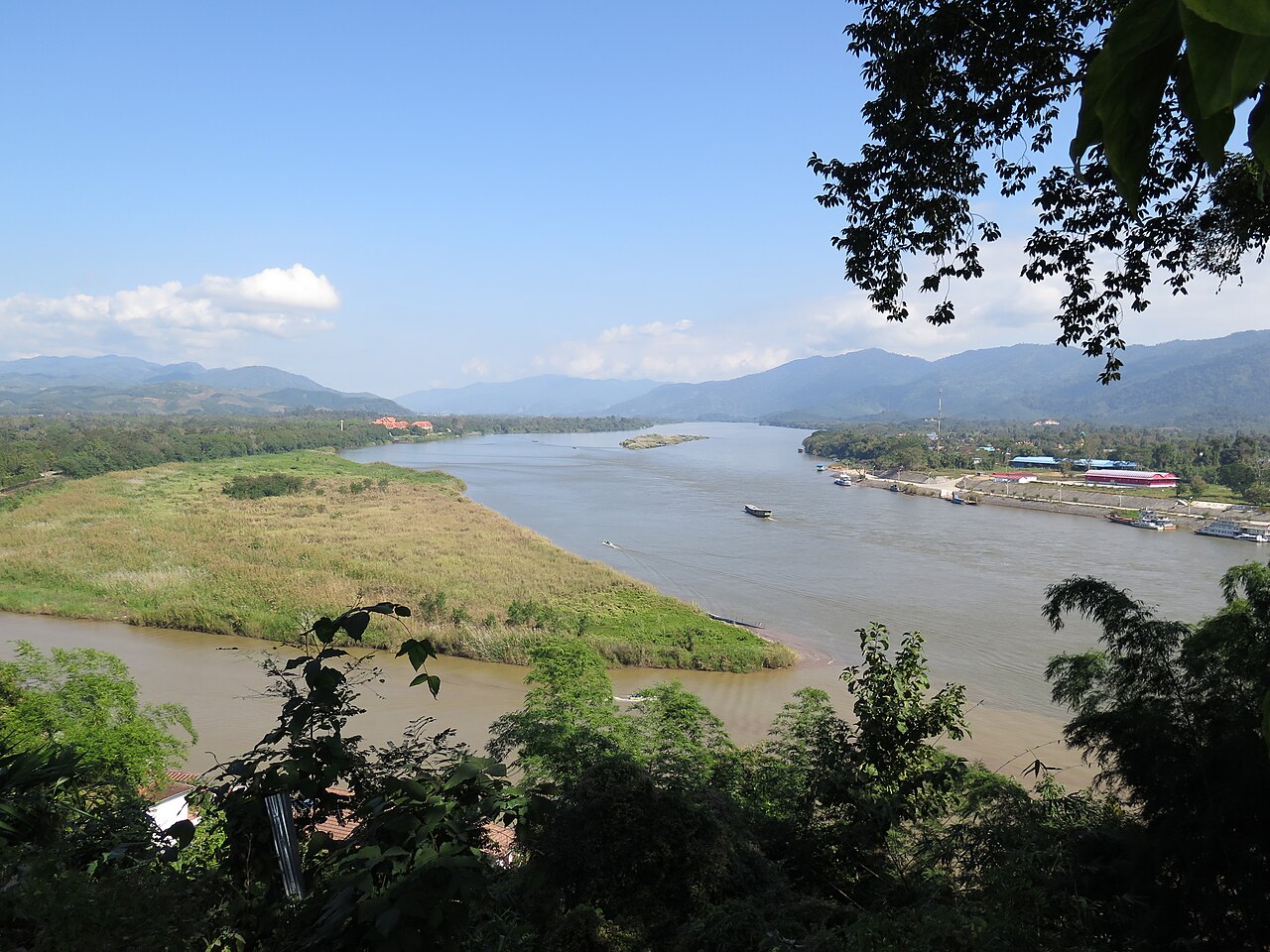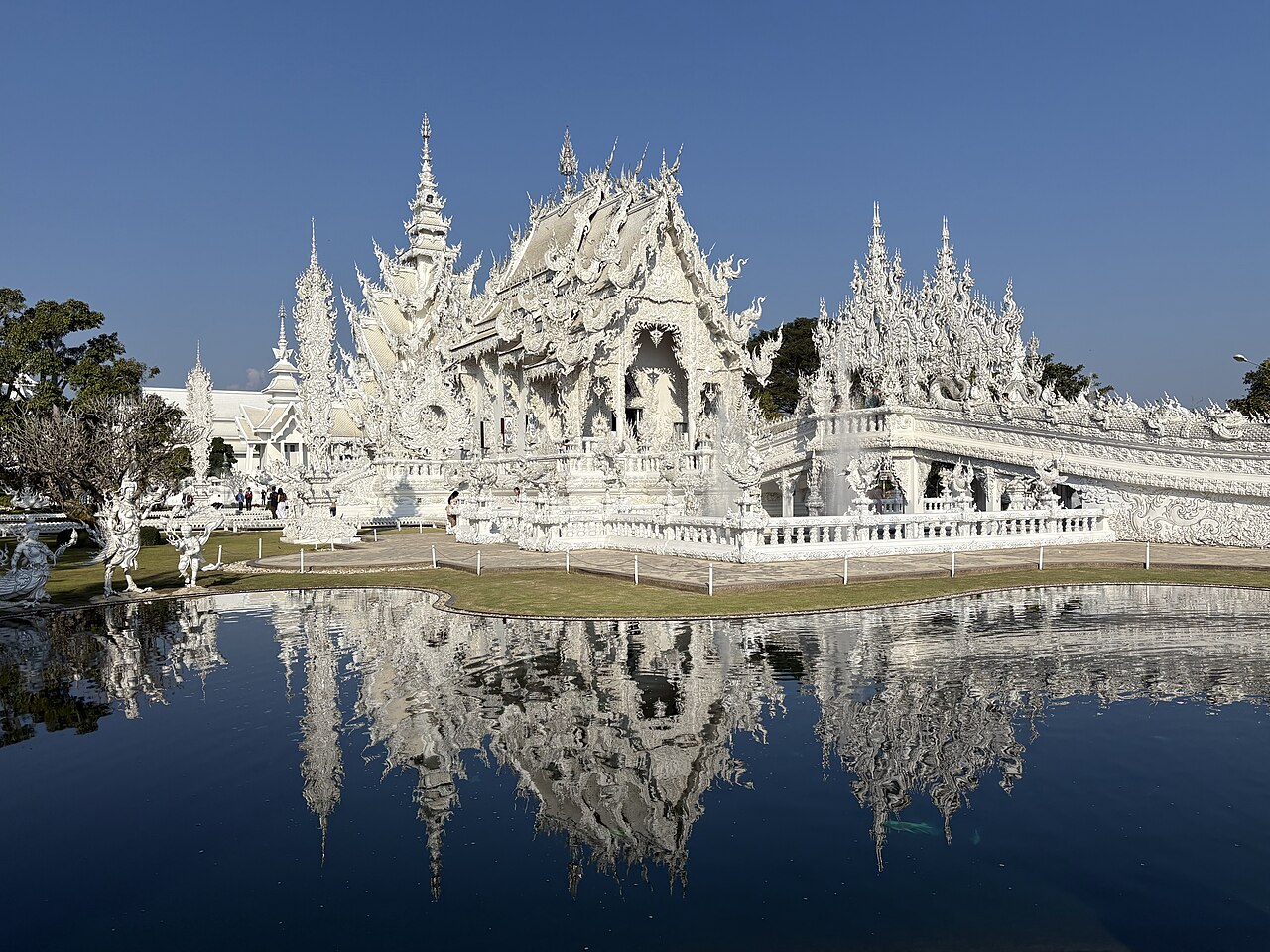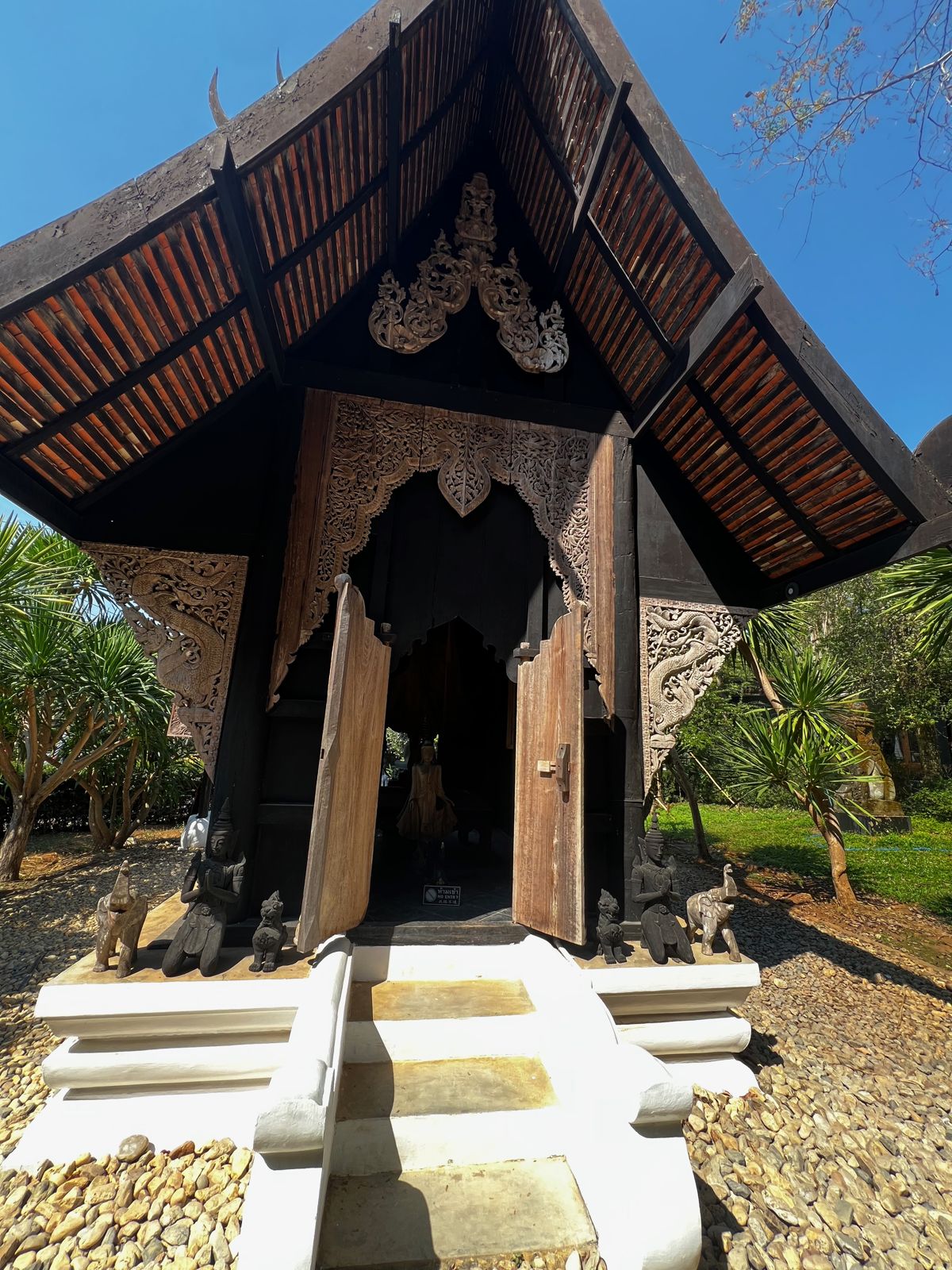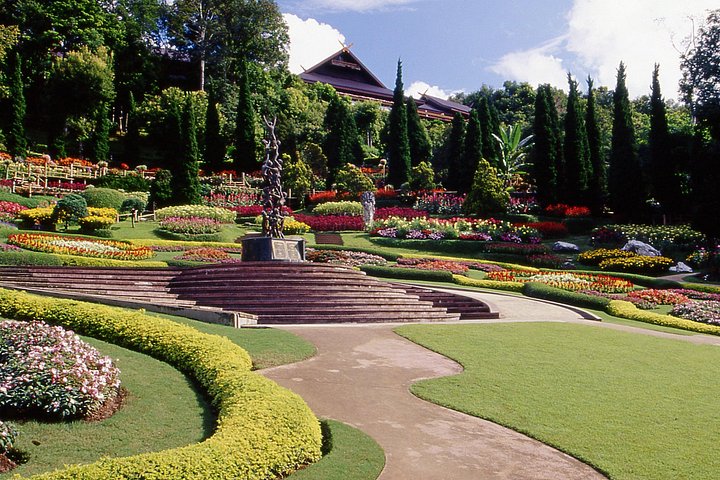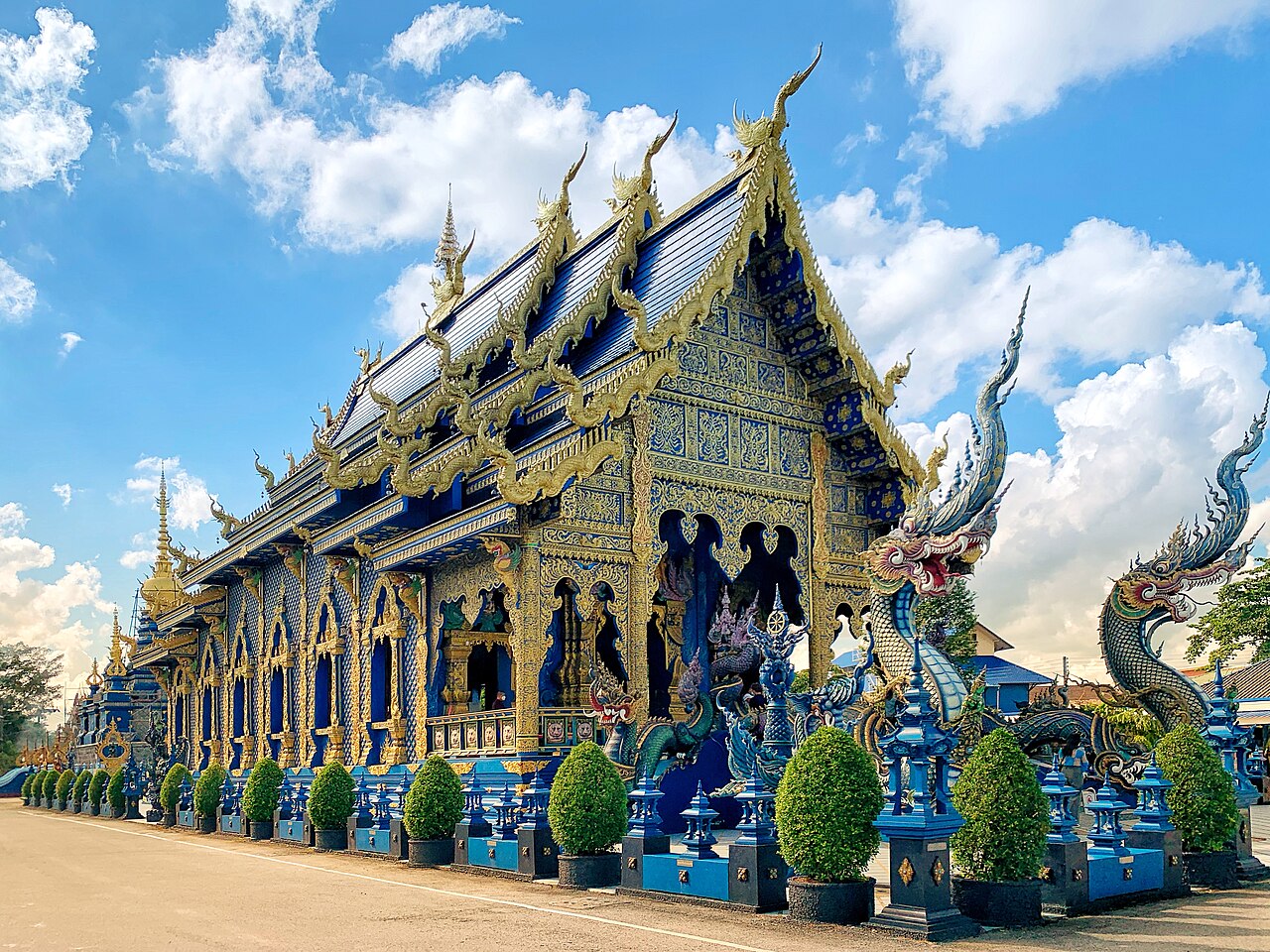
Chiang Saen sits on the Mekong in the far north of Chiang Rai province, just south of the Golden Triangle, and it is one of the best places in the region to feel the age of northern Thai history. Thailand's tourism authority calls it the oldest centre of the Lanna kingdom, and its day-by-day route for the province puts the ancient city on the first day of a Chiang Rai tour. Today the town is small and sleepy, with low houses, a river promenade and a scatter of temples and ruined chedis inside and just outside the old brick walls. It lacks the polish of the White Temple, which is exactly its appeal: you can wander for an hour among centuries-old monuments with few other visitors, then look across the water to Laos.
The history explains what you are looking at. Chiang Saen was a major Lanna city and for a time a capital, before the founding of Chiang Rai in the thirteenth century shifted the centre of gravity. It was later taken by Burmese forces, sacked in the early nineteenth century and left largely empty for about a century before people moved back around 1900.
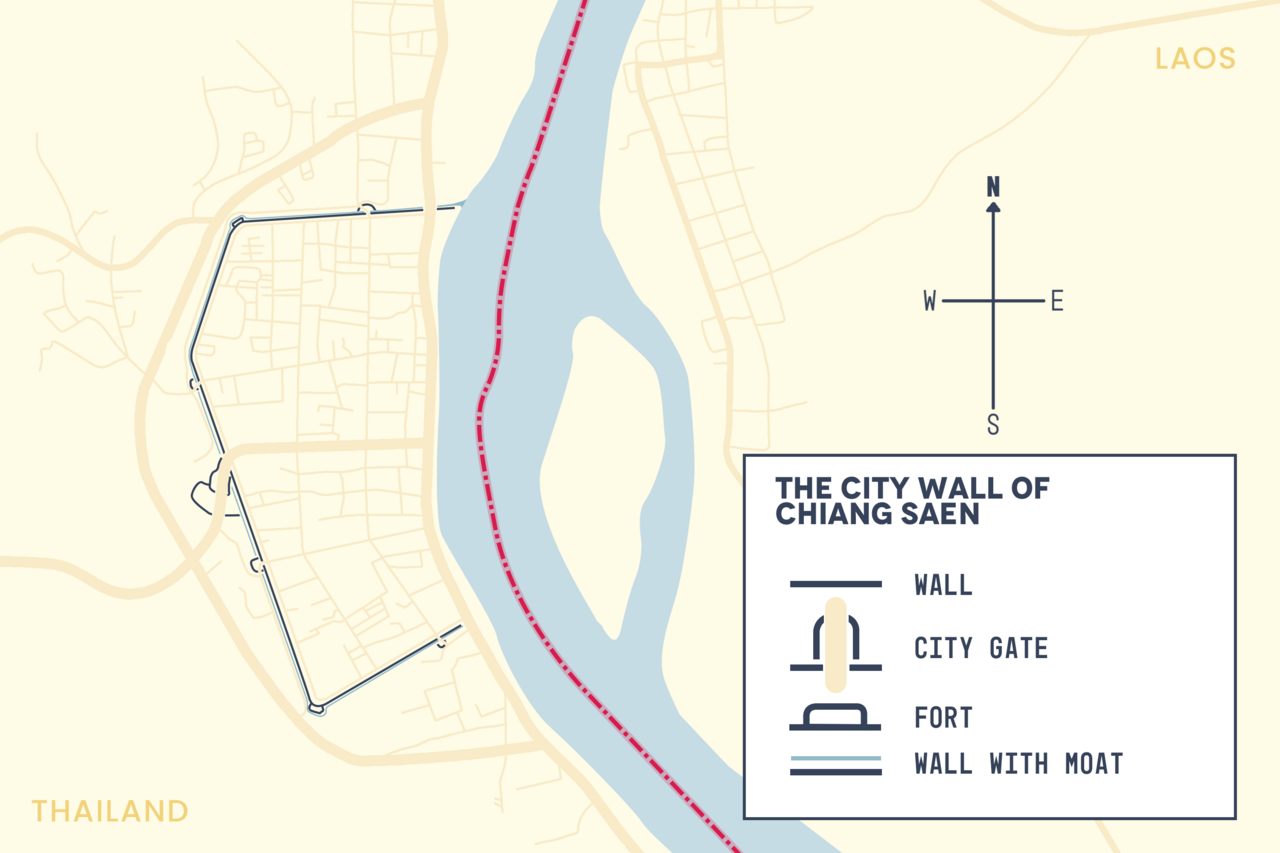
That long abandonment is why so many ruins survive as brick shells and chedis rather than as rebuilt temples. The Mekong forms the town's fourth boundary alongside the old walls, so the river is part of the layout rather than a backdrop.
Start with Wat Phra That Chedi Luang, whose bell-shaped Lanna-style chedi is the tallest structure in town at roughly 88 metres by one guide's account, and is easy to spot from the main road. Wat Pa Sak, a short distance west of town, is a quieter ruin with a smaller chedi and shady grounds that suit a slow walk.
Wat Phra Chao Lan Thong holds a large bronze Buddha image. Many travellers also fit in the Chiang Saen National Museum, which covers local archaeology and Lanna sculpture and keeps a weekly schedule, so check which days it opens before you plan around it; it has been open Wednesday to Sunday.
Practicalities are simple. The town is roughly an hour to an hour and a half by road from Chiang Rai city, and a few minutes beyond it lies the Golden Triangle viewpoint at Sop Ruak, so the two combine naturally in one day. The tourism authority's route also visits Wat Phra That Pha Ngao and its skywalk nearby.
Wear sun protection, a hat and shoes you can walk in over uneven brick, carry water, and dress modestly at working temples. The ruins have little shade at midday, so morning or late afternoon is more comfortable, especially from March to May.
Chiang Saen suits history lovers, photographers and anyone who wants a counterweight to the busy art temples and markets. It is less suited to travellers who want spectacle or to families with small children who tire of ruins quickly. Plan about two to three hours for the main sights, longer if you add the museum and a riverside meal.
If you are driving yourself, park near the main chedi and walk between sites; if you are on a tour, ask the driver to include it rather than rushing straight to the border viewpoint. Respect the monuments by not climbing on the brickwork.
What to expect
The experience
A self-paced walk among ruined brick chedis and temples in a small Mekong town, with an optional museum stop.
Best time
Morning or late afternoon, and the cool season from November to February, when the ruins are most comfortable to walk.
How long
Two to three hours for the main ruins, longer with the museum and a riverside meal.
Tips
Carry water and a hat, wear shoes for uneven brick, dress modestly at working temples and check the museum days before you go.
Quick picks
- Best for
- History lovers and photographers who like quiet ruins over crowds.
- Families
- Fine for older children; younger ones may tire of ruins quickly.
- Couples
- A calm, atmospheric stop, especially in the softer light of late afternoon.
- Pair with
- Combine it with the Golden Triangle viewpoint and Hall of Opium in one day.
- Time needed
- Two to three hours.
Good questions
What is Chiang Saen known for?+
It is an ancient Lanna town on the Mekong, known for its ruined brick chedis and temples. Thailand's tourism authority describes it as the oldest centre of the Lanna kingdom.
How far is it from Chiang Rai city?+
It is roughly an hour to an hour and a half by road, and only a short drive south of the Golden Triangle at Sop Ruak.
Is there an entrance fee?+
Wandering the town and its ruins is free in general, though individual sites and the museum may charge a small fee. Ask locally.
What else is nearby?+
The Golden Triangle viewpoint and Hall of Opium are close, and the tourism authority's route also visits Wat Phra That Pha Ngao and its skywalk.
How long should I allow?+
Two to three hours covers the main chedis and a stroll by the river, with more time if you add the Chiang Saen National Museum.