There is no bad time to see Colmar, but there is a best time for each kind of trip. The town sits in the rain shadow of the Vosges, which makes it one of the driest places in France, and its vineyards, festivals and markets create a distinct rhythm through the year. Here is what to expect in each season.
Spring
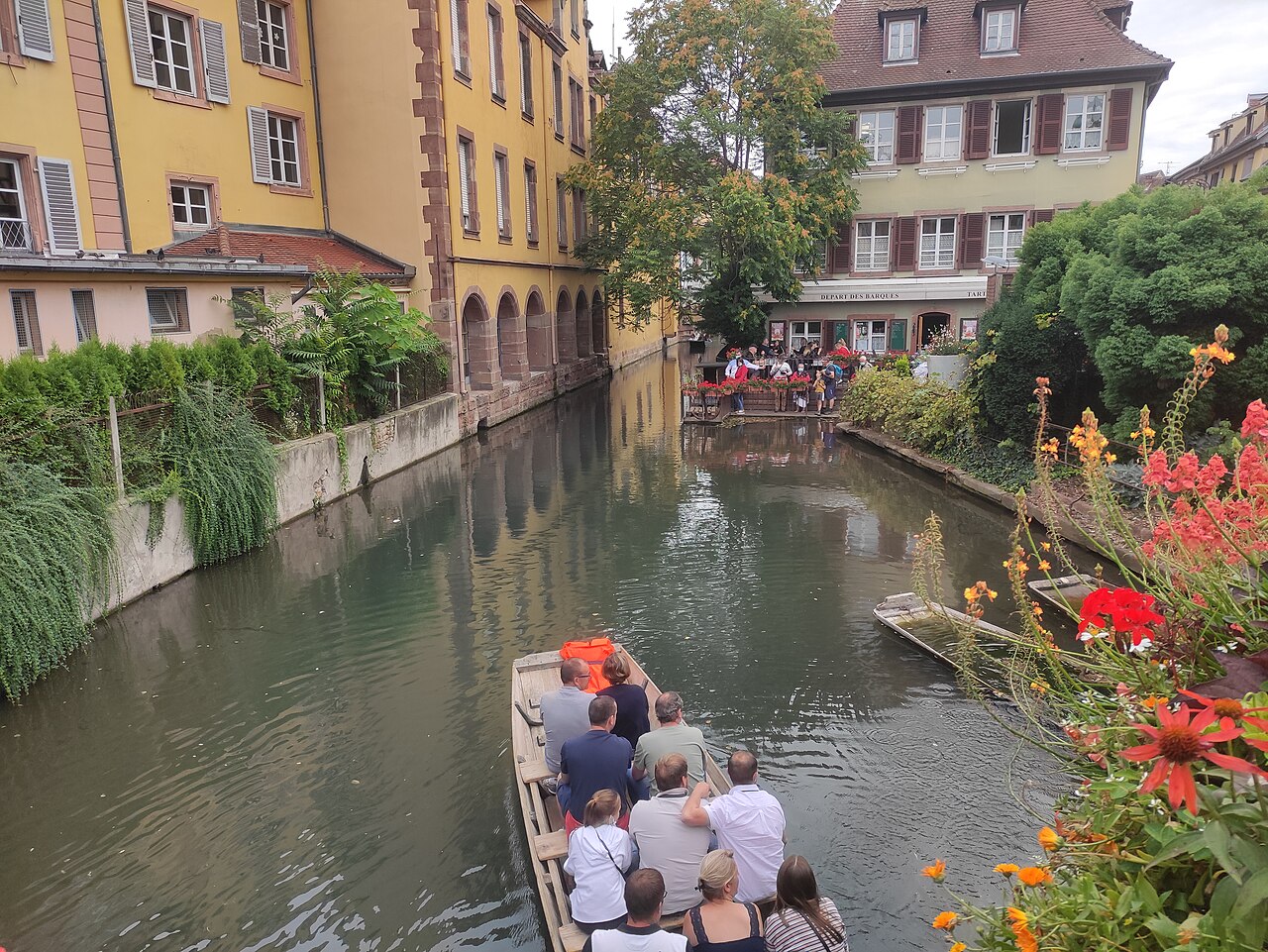
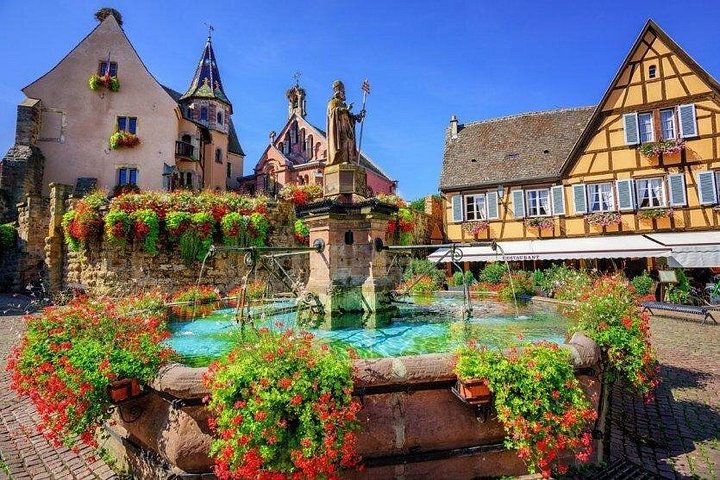
From April to early June, flowers appear on the canal bridges and window boxes, vines come into leaf, and the weather becomes mild enough for long walks and cycling in the vineyards. Crowds are moderate, hotel rates are generally lower than in summer or December, and seasonal attractions begin to open, including the Montagne des Singes and the Ecomusée d'Alsace. Spring can be changeable, so pack a light waterproof. It is a strong choice for couples, for photographers and for anyone who wants Petite Venise without the full summer crowd.
Summer
From late June to August, Colmar is warm, bright and busy. Long evenings suit terrace dinners, boat rides run on their fullest timetable, and village streets are lively, but the old town and Riquewihr get crowded in the middle of the day. Heat can be strong, and some smaller hotels lack air conditioning, so check before booking. Early mornings and evenings are the best times to walk the canals. Summer is also a season of local festivals, including a wine fair in August, and a good time for families because schools are on holiday and attractions run their longest hours.
Autumn
September and October are arguably the best months for wine lovers. The harvest takes place, vines turn gold and red, and villages hold harvest events. The air is clear, crowds thin after the summer peak, and walking and cycling are pleasant. Tastings feel more connected to the work in the vineyards, and restaurants serve seasonal dishes such as game and new wine. This is also a good period for Haut-Koenigsbourg, whose views are often clear on crisp days. Evenings begin to cool, so bring layers.
The Christmas markets
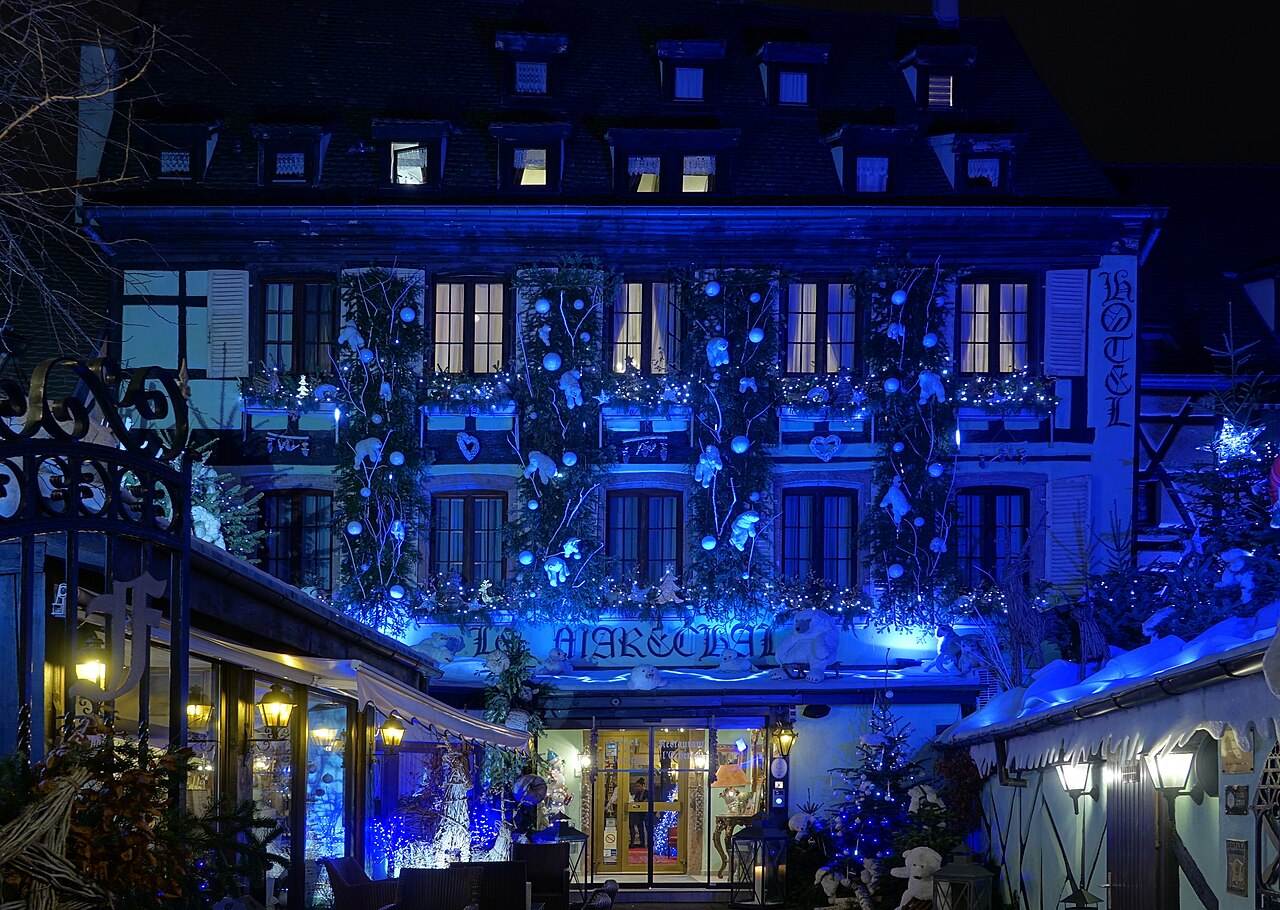
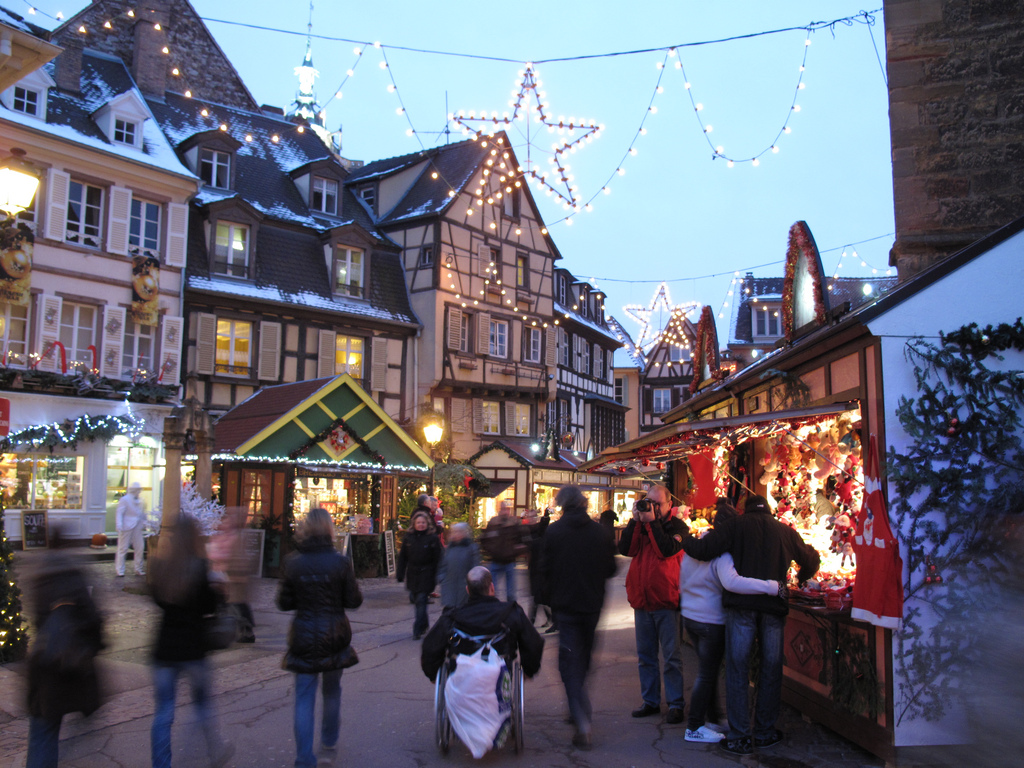
From late November through December, Colmar becomes one of the most atmospheric Christmas destinations in Europe. Small markets fill old-town squares, streets are lit, and the smell of mulled wine and gingerbread hangs in the air. It is also the busiest time, with day-trippers from Strasbourg and Basel filling the lanes on weekends. To enjoy it, stay overnight, visit on weekday mornings or at dusk, book hotels months ahead, and keep museums as a warm break. Wine villages hold their own markets, often quieter than Colmar, and make a good day trip. Check the exact dates each year, since they shift slightly.
Winter after Christmas
January and February are cold, quiet and inexpensive. Crowds disappear, hotel rates fall, and the town feels like a working place rather than a postcard. Some seasonal attractions close for part of the winter, so check opening months, and boat rides run a reduced timetable. Museums, tastings, cosy winstubs and spa hotels become the main pleasures, and a clear, frosty day at Haut-Koenigsbourg can be spectacular. Fog and low cloud can hide views, so watch the forecast.
How to choose
For photography and calm, choose spring or early autumn. For wine, choose September and October. For family holidays, choose summer. For atmosphere, choose the Christmas markets and accept the crowds. For value and quiet, choose January and February. Whatever the season, book accommodation early for weekends, check the closing days of the museums, which are mainly on Tuesdays, and leave room in the itinerary for rain, even in a dry town. Hotels such as Hôtel Le Maréchal and La Maison des Têtes suit the Christmas season for their location, while Hôtel Le Rapp and Hôtel Maison Turenne are welcome in cold weather for their pool and spa. A final point is to match your expectations to the season: in December, accept that you will queue for mulled wine and share narrow streets; in July, accept that midday is for shade and long lunches; in April or October, accept that a shower may arrive and that a museum is never far away. Shoulder-season trips, particularly weekdays in May, June, September and early October, usually give the best balance of weather, access and price, and they leave the villages of the Wine Route feeling lived-in rather than staged. Whenever you come, an overnight stay beats a day trip, because the evenings are when Colmar is at its most atmospheric.