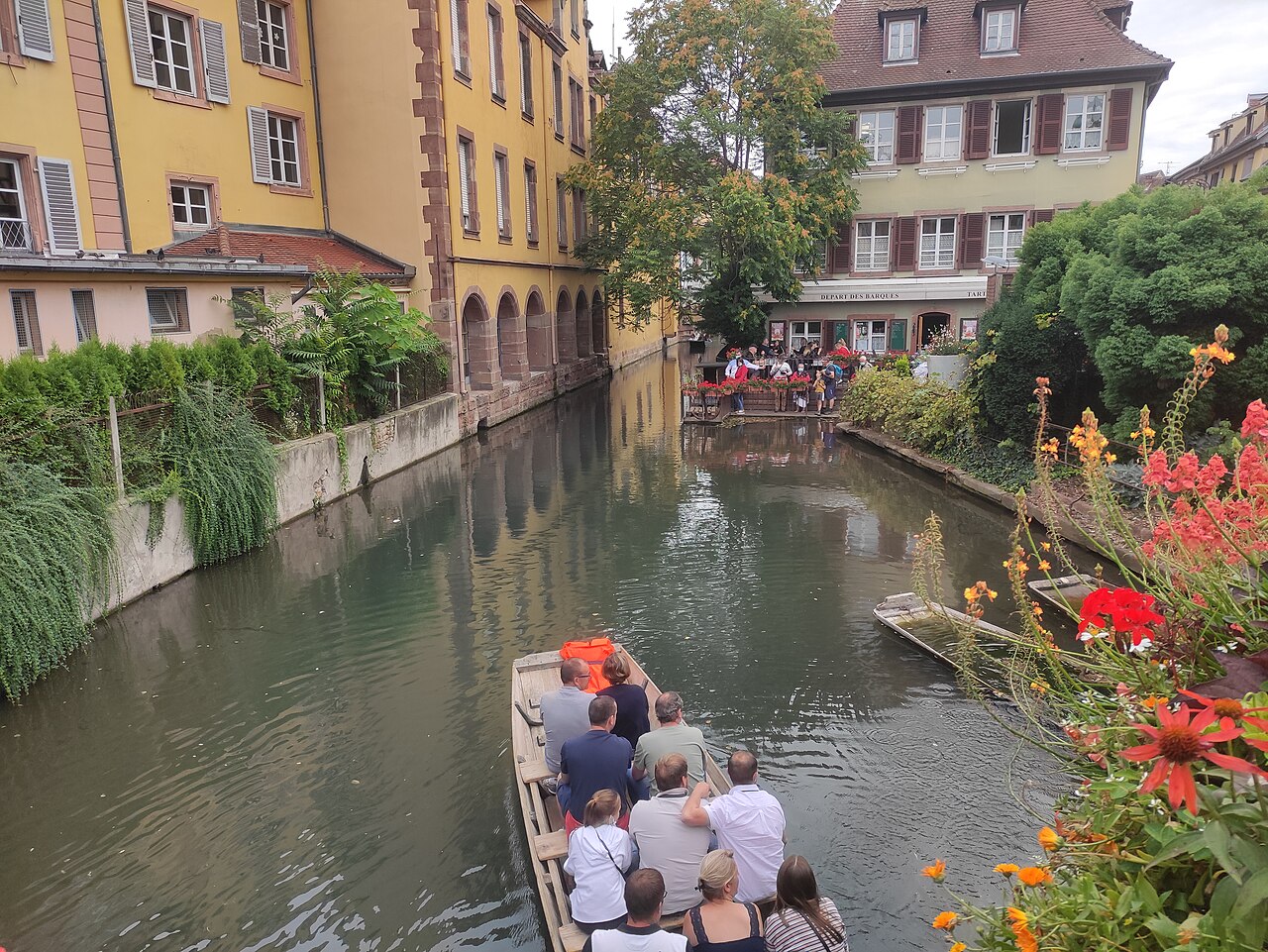
Three days is the length of stay that lets Colmar breathe. You can see the old town properly, spend a full day in the vineyards, and still have a day left for a castle or a change of pace. The plan below keeps each day built around one main idea, with flexible extras for rain, tired legs or a late start.
Day one: the old town and its museums
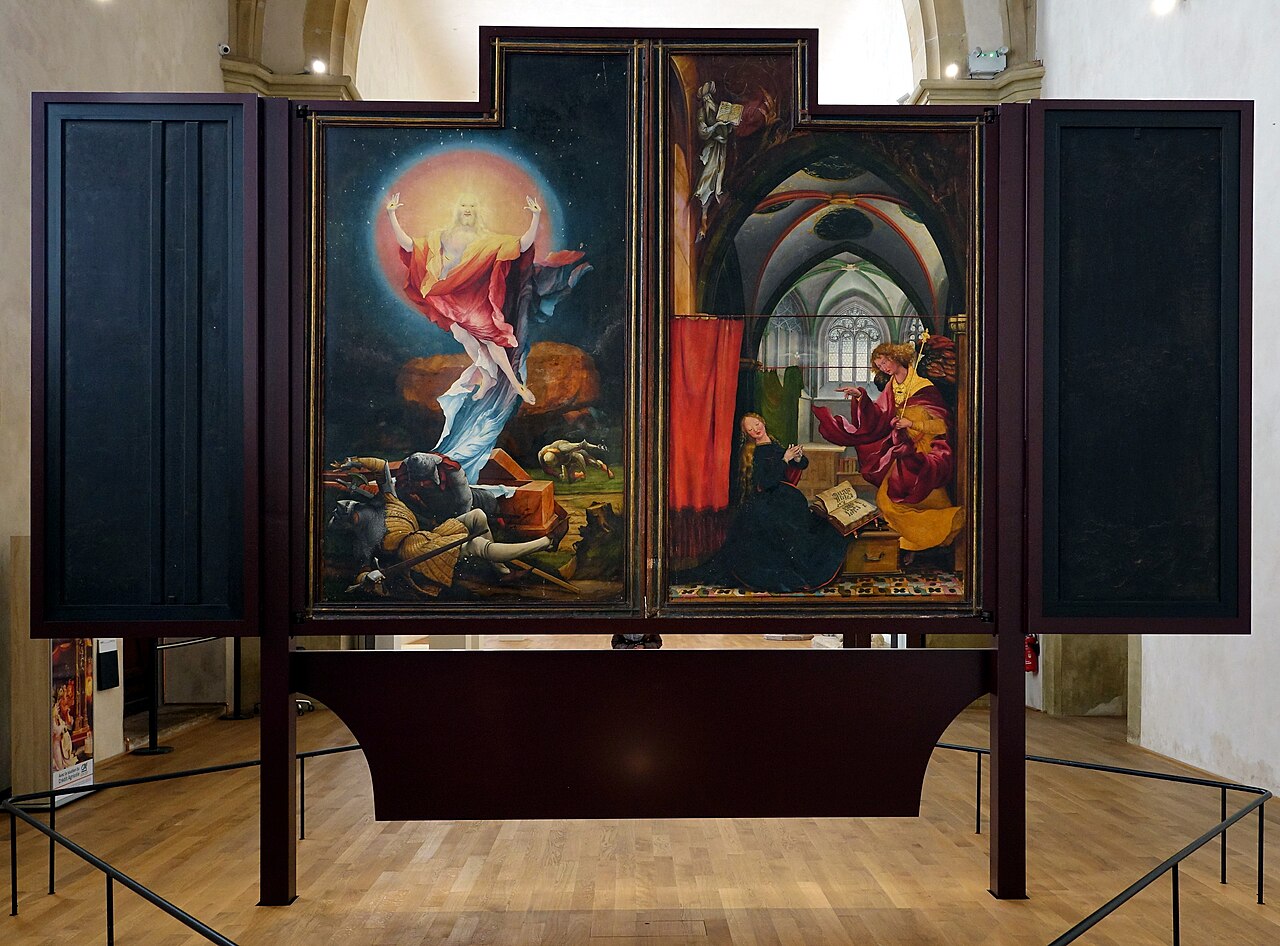
Start early in Petite Venise, when the quays are empty and the light is soft on the half-timbered houses. Walk the canals, then follow the old-town architecture route past the Koïfhus, the Pfister House and the Maison des Têtes, finishing at the collegiate church of Saint-Martin. By late morning, head to the Unterlinden Museum and give the Isenheim Altarpiece the time it deserves; two hours is comfortable. Have lunch a street or two back from the water, where Alsatian dishes cost less and tables are easier to find. In the afternoon, choose between the Bartholdi Museum, a small and inexpensive visit to the sculptor's birthplace, and a boat ride on the Lauch. End with dinner in a traditional winstub and a second walk along the canals after dark, when the lights double in the water.
Day two: the Wine Route
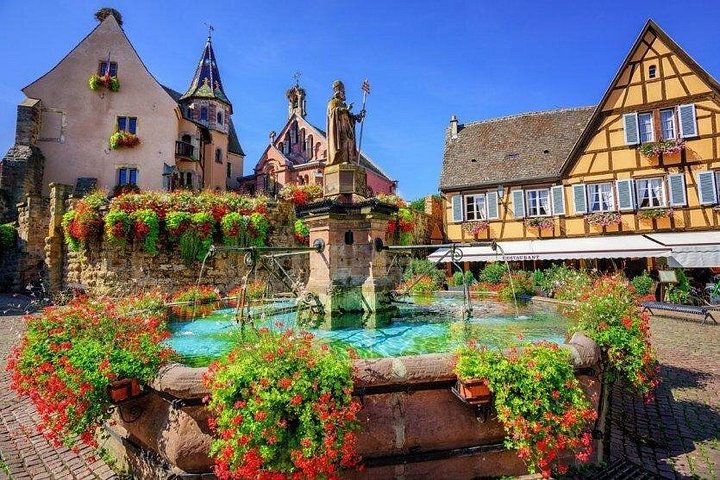
Give a full day to the villages. The easiest way is a small-group tour, which solves parking and lets everyone taste wine, covering Riquewihr, Eguisheim, Kaysersberg and Ribeauvillé in about eight hours. If you prefer your own pace, hire a car or bicycle and choose two or three villages rather than all four. Eguisheim, with its circular lanes around a castle, is the closest to Colmar and the easiest to see in an hour or two. Riquewihr is the most complete walled town, and Kaysersberg has the fortified bridge and the birthplace of Albert Schweitzer. Taste at a family-run cellar rather than the busiest shop, and ask for a dry Riesling beside a Pinot Gris to understand the range. Plan a long lunch, since this is the point of the day, and return to Colmar for a lighter dinner.
Day three: choose your flavour
The third day suits three different moods. For history, drive to Haut-Koenigsbourg, the great restored castle above the plain, about thirty minutes from Colmar, and pair it with lunch in a nearby village. For families or animal lovers, combine the castle with the Montagne des Singes, where Barbary macaques roam free beside the path, or visit the Ecomusée d'Alsace, an open-air village of relocated houses with crafts and storks. For something different from medieval charm, take the train or drive to Mulhouse for the Cité de l'Automobile and its extraordinary Bugatti collection. Check the opening months of the seasonal attractions before you commit, since some close for part of the winter.
Rainy-day swaps
Colmar is one of the drier towns in France, but wet days still happen. On day one, move the Bartholdi Museum and Unterlinden Museum to the morning and leave the canals for a gap in the weather. On day two, shift to a small-group tour, which runs in most conditions, and make cellar tastings the centrepiece. On day three, the Cité de l'Automobile is the ideal wet-weather plan, and in town Choco Story, the Toy Museum, Wax of Legends and the Museum of Alsatian Wines are all compact indoor options that can fill a spare hour or two.
Where to base yourself
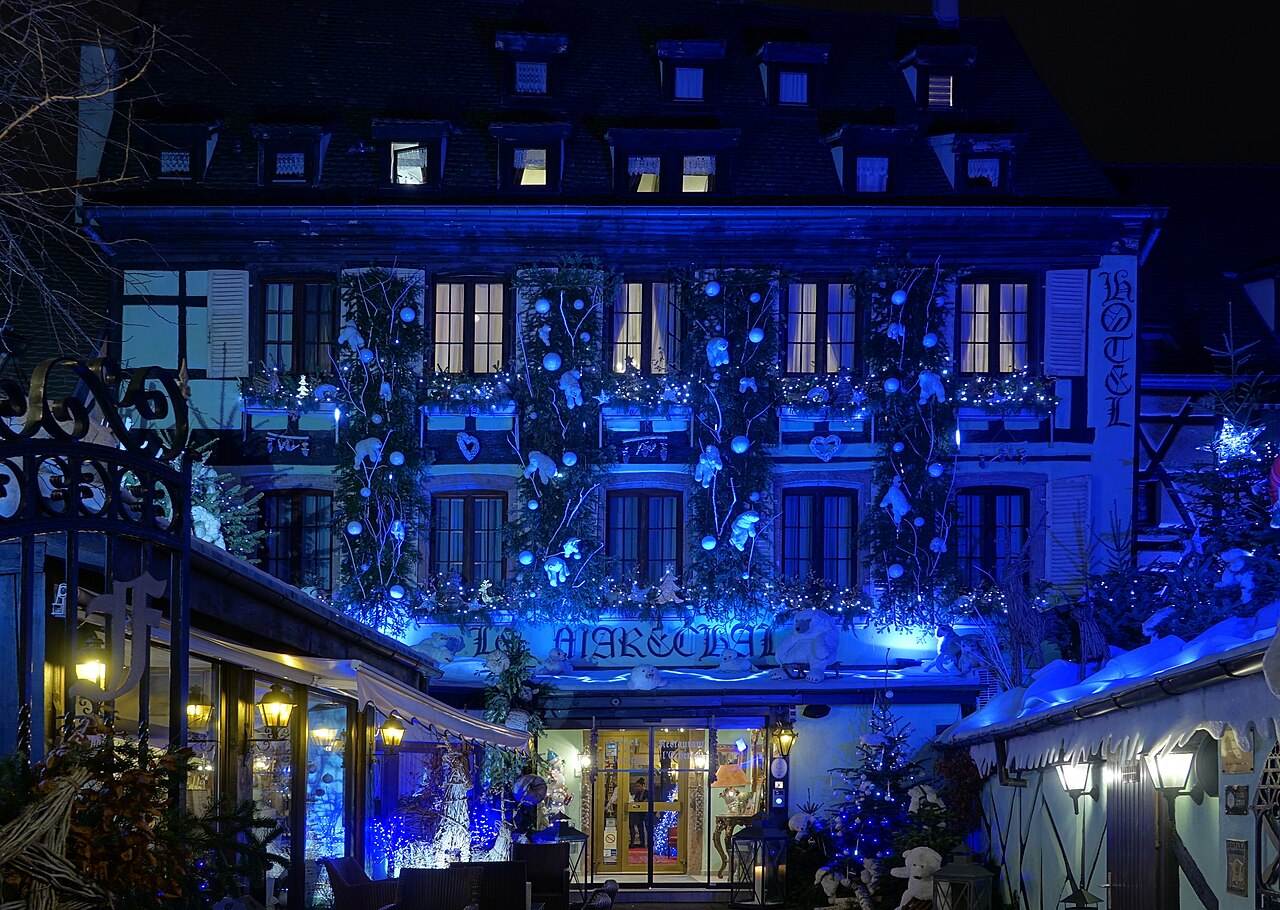
For three nights, a central hotel pays off because you will return to it several times. Hôtel Le Maréchal and La Maison des Têtes put you inside the postcard, Hôtel Maison Turenne gives you a spa a few minutes from the canals, and Hôtel Le Rapp has an indoor pool for tired legs. For a sensible price, ibis Colmar Centre or ibis budget Colmar Centre Ville keep you close to the sights.
Practical tips
Book the Wine Route tour a few days ahead in busy periods, and reserve dinner at weekends. The Unterlinden Museum and the Toy Museum close on Tuesdays, so plan Tuesday for the villages or the castle. Cobbles are hard on wheeled luggage and thin shoes, so pack light and bring comfortable footwear. If you visit during the Christmas markets, which run from late November to late December, book hotels early, go to the markets on weekday mornings or at dusk, and leave the Wine Route villages for a quieter midweek day. Whatever the season, keep one evening free to wander with no plan, since Colmar's best moments are often unplanned: a lit window, a stork on a chimney, a glass of wine on a quiet square.