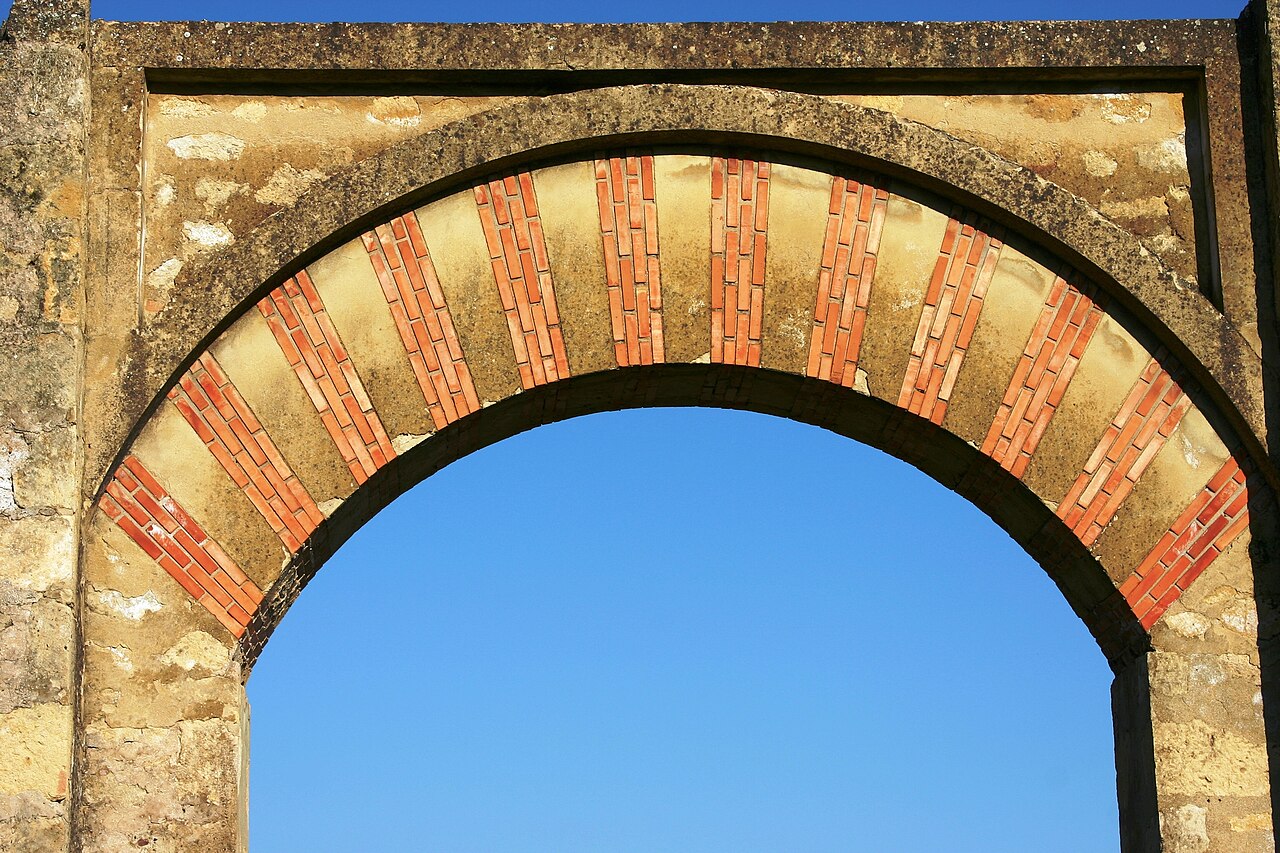
Bathing was a social, religious and medical ritual in Islamic Córdoba, and the caliphs built bathhouses on a scale to match their power. The Caliphal Baths, in the Campo Santo de los Mártires beside the Alcázar of the Christian Monarchs, were part of the old caliphal palace complex and are among the finest surviving examples of Hispano-Muslim public architecture. They were built under Caliph al-Hakam II in the tenth century and were still in use under the Almoravid and Almohad rulers of the eleventh to thirteenth centuries, which shows how long Córdoba kept its bathing culture. The remains were found by accident in 1903, covered over again, and then properly excavated by Cordoban archaeologists in the early 1960s. What survives is a sequence of rooms in the classical bath pattern, with a cold room, a warm room and a hot room, built in solid blocks of stone. The vaulted ceilings are pierced by star-shaped and octagonal skylights that let in shafts of light and let steam escape, and semicircular arches rest on marble columns with carved capitals. The decorative plasterwork panels with floral designs and Arabic inscriptions are now displayed in the Archaeological Museum, but the rooms themselves are enough to evoke the atmosphere of a place where the courtiers of the caliphate came to wash, talk and do business.
Planning the visit
The baths are small and the visit is short, around twenty to thirty minutes, so they work best as an add-on to a day around the Alcázar and the Mezquita rather than as a destination on their own. Opening hours and admission arrangements follow the city's museums and monuments timetable and change with the season, so check the current times before you walk over. The site is at street level, near the Alcázar entrance, and the interior can be dim and slightly damp underfoot, so wear flat shoes.
What to look for
Step into the central room and look up at the vault, where the star-shaped openings scatter points of light across the floor, a detail that shows how the builders solved light, ventilation and steam in one elegant stroke. Follow the sequence of rooms and imagine the heating system beneath the floor, as in a Roman bath, and the marble columns with their capitals marking the changes of space. Information panels explain the plan and the history of excavation, and some guided tours of the Alcázar and the city include the baths in their route.
Making the most of it
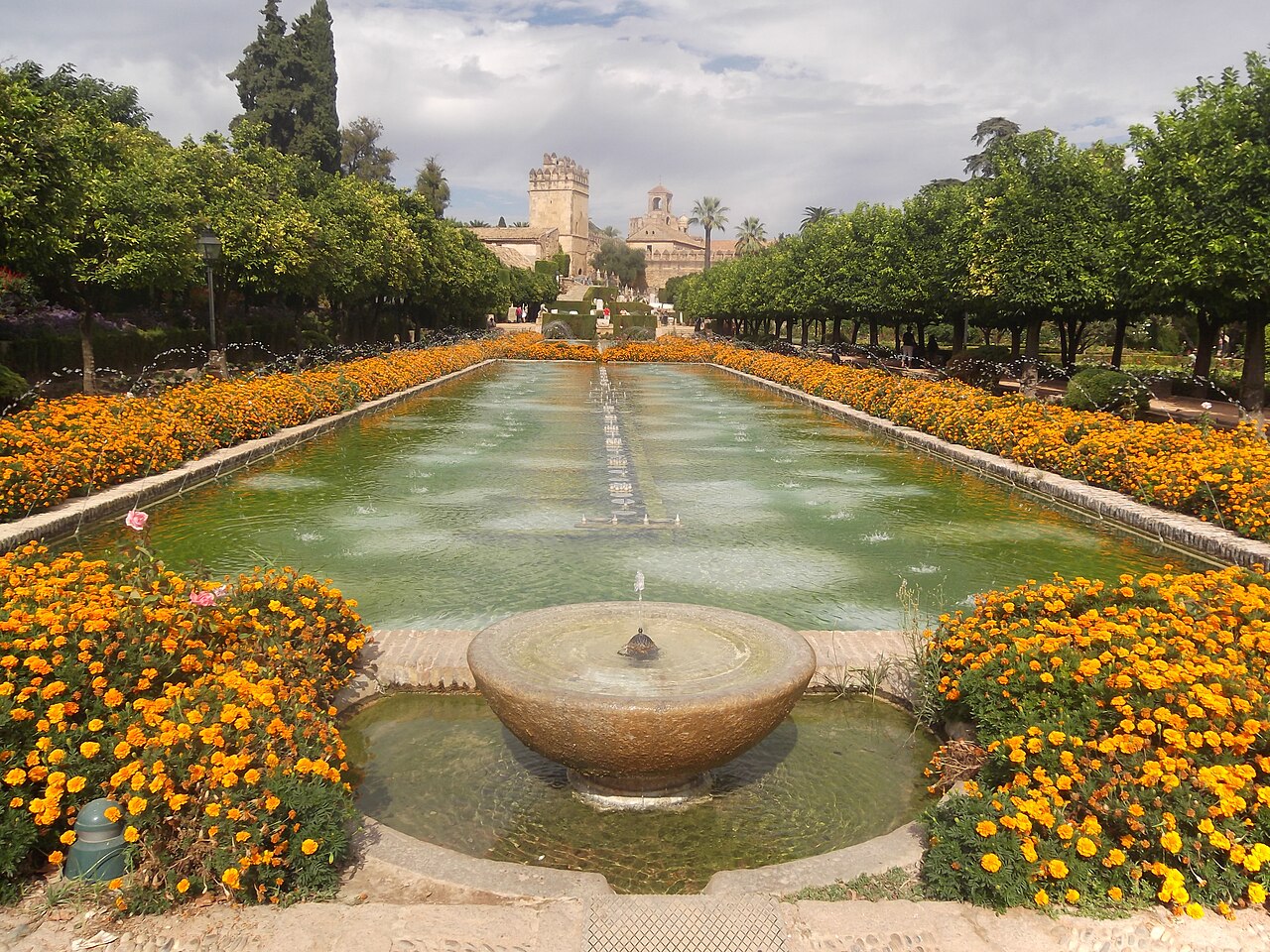
Combine the baths with the Alcázar gardens and the nearby Roman mosaics, then walk to the Roman bridge and the Calahorra Tower to follow the river. If the baths make you curious about daily life under the caliphs, continue to the Archaeological Museum for the carved plasterwork and the finds from Medina Azahara, and to Medina Azahara itself for the palace-city of the same era. Evening visitors may find that cultural events are occasionally held in the baths, so it is worth asking at the tourist office what is on during your stay.
Practical notes
The entrance area is close to cafes on the square, so a coffee before or after is easy, and the site is largely accessible at street level, although the interior floor is uneven in places and may be hard for wheelchairs.
What to expect
The experience
A short self-guided visit through the vaulted rooms of a tenth-century bathhouse, with information panels explaining the plan.
Best time
Mid-morning or late afternoon, as an add-on to a visit to the Alcázar nearby.
How long
About half an hour.
Tips
Check the current opening times, wear flat shoes for the damp floor, and look up at the star-shaped skylights.
Quick picks
- Best for
- History lovers and curious travellers who want a concrete glimpse of daily life under the caliphs.
- Families
- Short and atmospheric; older children enjoy the star-shaped skylights and the underground feel.
- Couples
- A quiet, evocative stop before a stroll along the river.
- Pair with
- The Alcázar of the Christian Monarchs next door, then the Roman bridge and the Calahorra Tower.
- Time needed
- Half an hour, or an hour with the nearby Alcázar.
Good questions
What are the Caliphal Baths?+
They are the remains of a tenth-century bathhouse built under Caliph al-Hakam II as part of the palace complex that stood beside today's Alcázar. They were used for centuries afterwards.
Where are the Caliphal Baths in Córdoba?+
They are in the Campo Santo de los Mártires, next to the Alcázar of the Christian Monarchs and a short walk from the Mezquita.
How long does a visit take?+
Most visitors spend twenty to thirty minutes, depending on how long they linger over the vaults and information panels.
What is special about the architecture?+
The vaulted ceilings have star-shaped skylights, and semicircular arches rest on marble columns, all built in solid stone blocks in the classical Roman bath sequence.
Is it worth visiting if I only have one day?+
If you are already at the Alcázar, yes, because it takes little time and adds a real sense of caliphal daily life. If time is short, prioritise the Mezquita and the Jewish quarter first.