Cornwall has more coastline than almost any other English county, and the beaches and cliff paths are the heart of the visit. This guide sorts the main options by type, from big surf beaches to sheltered coves, and adds the safety tips that make the difference between a good day and a bad one.
Surf beaches
The north coast faces the Atlantic and catches swell. Fistral Beach in Newquay is the most famous, with lessons, board hire and competitions. Watergate Bay and Constantine Bay are long, open beaches with strong surf. For beginners, a group lesson with qualified instructors is the safest start, and wetsuits are essential most of the year. Always swim between the lifeguard flags where lifeguards operate, and be wary of rip currents that can pull swimmers away from the shore.
Family beaches
Porthminster in St Ives and Gyllyngvase in Falmouth are gentle, sandy and well served by cafes and facilities. Harbour beaches such as St Ives Harbour Beach and the sandy stretches at Looe offer calm water and rock pools. Look for beaches with seasonal lifeguards and check tide tables, because some beaches shrink or vanish at high water.
Dramatic beaches
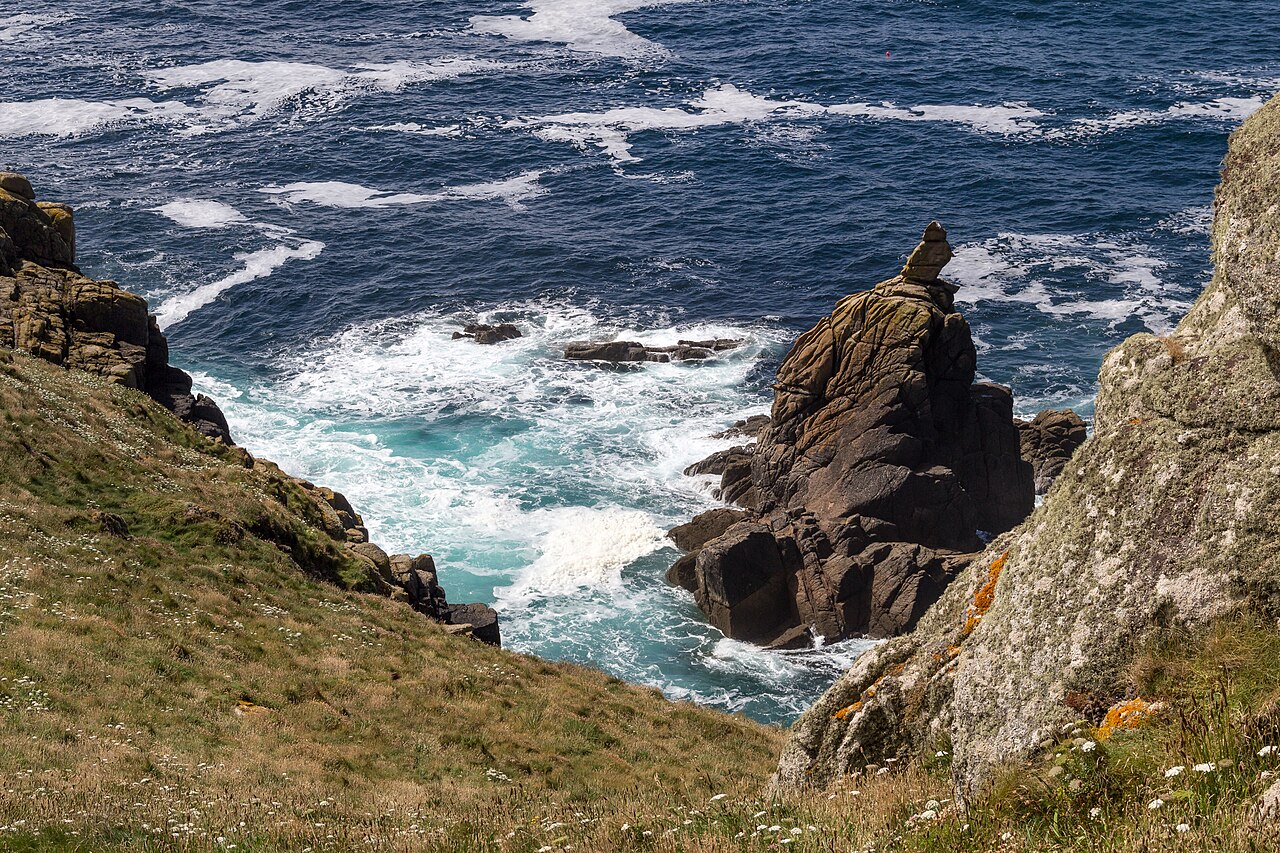
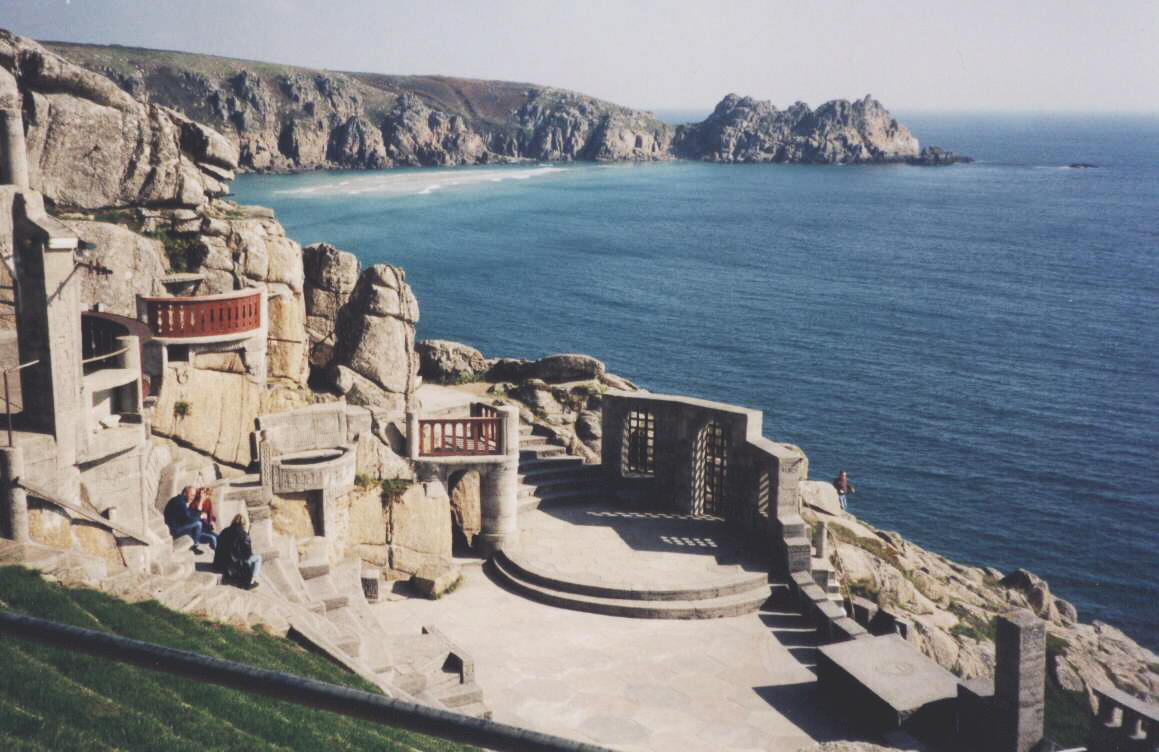
Porthcurno, below the Minack Theatre, has pale sand and turquoise water that look almost tropical. Kynance Cove on the Lizard and Sennen Cove near Land's End have rock stacks and white sand. These beaches are beautiful but can be hard to reach, and some are cut off at high tide. Take care on steps and slippery rocks.
Coast path walks
The South West Coast Path runs around the entire peninsula and offers walks of every length. Easy options include the short stretch from Land's End to Sennen Cove, the Gyllyngvase to Pendennis Point walk in Falmouth and the path between Carbis Bay and St Ives. Harder sections lie between Zennor and St Ives, and along the north coast to Tintagel. Wear sturdy shoes, carry water and keep dogs under control near livestock and cliff edges.
Adventure on the water
If walking is not enough, try coasteering in Newquay, paddleboarding in sheltered bays or a sea kayak trip. Guided sessions provide equipment and local knowledge, and operators decide whether conditions allow. Sea temperatures stay cool all year, so choose a wetsuit and be honest about your swimming ability.
Hidden coves and quieter options
Away from the famous names, smaller beaches such as Trevone, Porthtowan, Perranuthnoe and the coves around the Roseland offer space and quiet. Many have little parking and steep access paths, which keeps crowds down. Visit early or late in the day, take a picnic and carry out all your rubbish. Dogs are restricted on some beaches in summer, so check local signs.
Planning a walking day
Pick a one-way section and use buses or taxis to return, or choose a circular route using inland lanes. Allow longer than you expect, because climbs and stiles slow progress. Start early, carry water and snacks, and wear layers. Winter walking is rewarding but the paths can be muddy and daylight is short. Pair a walk with a pub lunch or a cream tea to make the day complete.
Wildlife on the coast
Look for seals, basking sharks in summer, dolphins, gannets and choughs, a rare red-billed crow that has returned to the Lizard and West Cornwall coast. Boat trips from St Ives and Falmouth increase your chances. Keep a respectful distance and never approach seal pups on beaches, since their mothers may be nearby.
Dogs and children
Many beaches restrict dogs in summer, so check signs and local websites. Families should choose beaches with lifeguards, keep children within arm's reach in surf and bring shade, since sand reflects strong sun.
Combining beaches with sights
Pair Porthcurno with the Minack Theatre, Fistral with a surf lesson, Gyllyngvase with Pendennis Castle and Porthminster with Tate St Ives, so each beach visit also fits a cultural stop.
Safety checklist
Check tide times and forecasts before leaving, stay well back from cliff edges, and never turn your back on the sea at rocky spots. Obey warning signs and lifeguard flags, tell someone where you are going and carry a charged phone. Pack sun protection even on cloudy days. In emergencies on the coast, dial the emergency number and ask for the coastguard. A little caution lets you enjoy some of the finest beaches and cliff walks in Britain.