Cornwall is a long, narrow peninsula at the far south-west tip of England, and its shape explains most of what you need to plan. No place is more than a couple of hours from the sea, but distances along the winding roads are bigger than they look on a map. A drive from the Tamar bridge at the Devon border to Land's End can take three hours or more in summer traffic, so the first rule is to choose a base or two rather than trying to see everything. This guide sets out the main areas, the sights worth booking ahead and the realistic ways to get around.
How the county breaks down
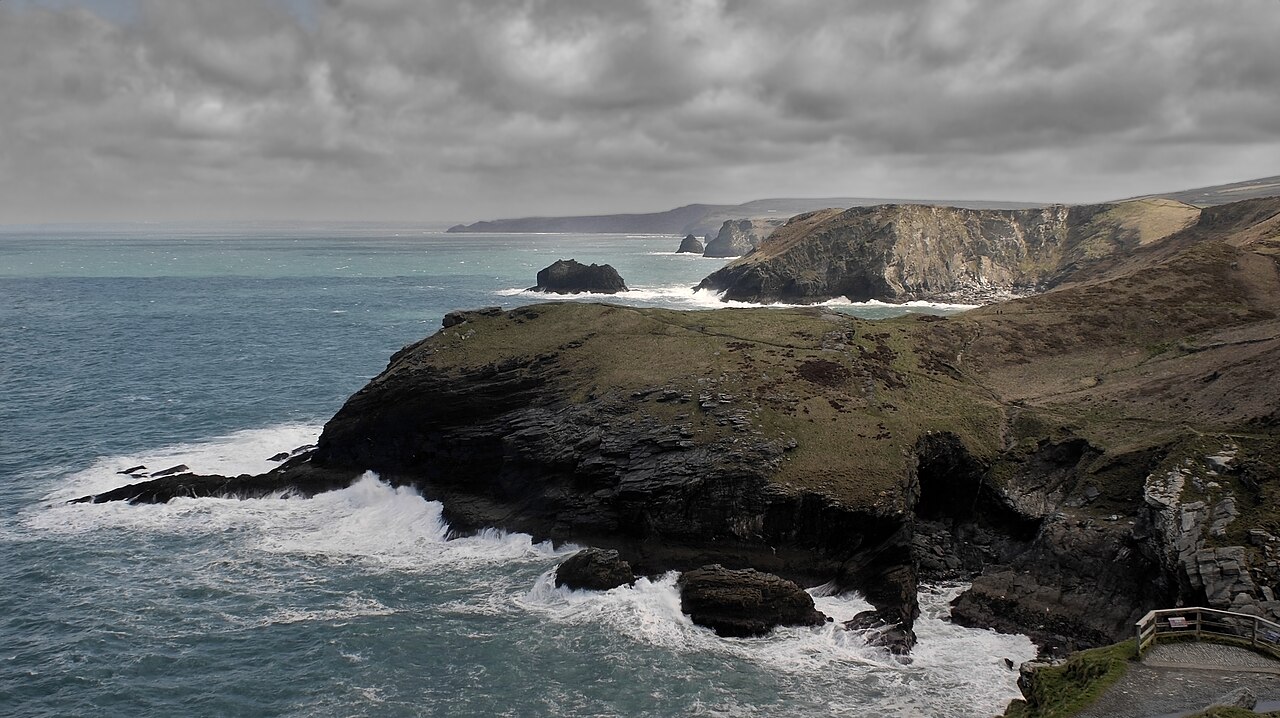
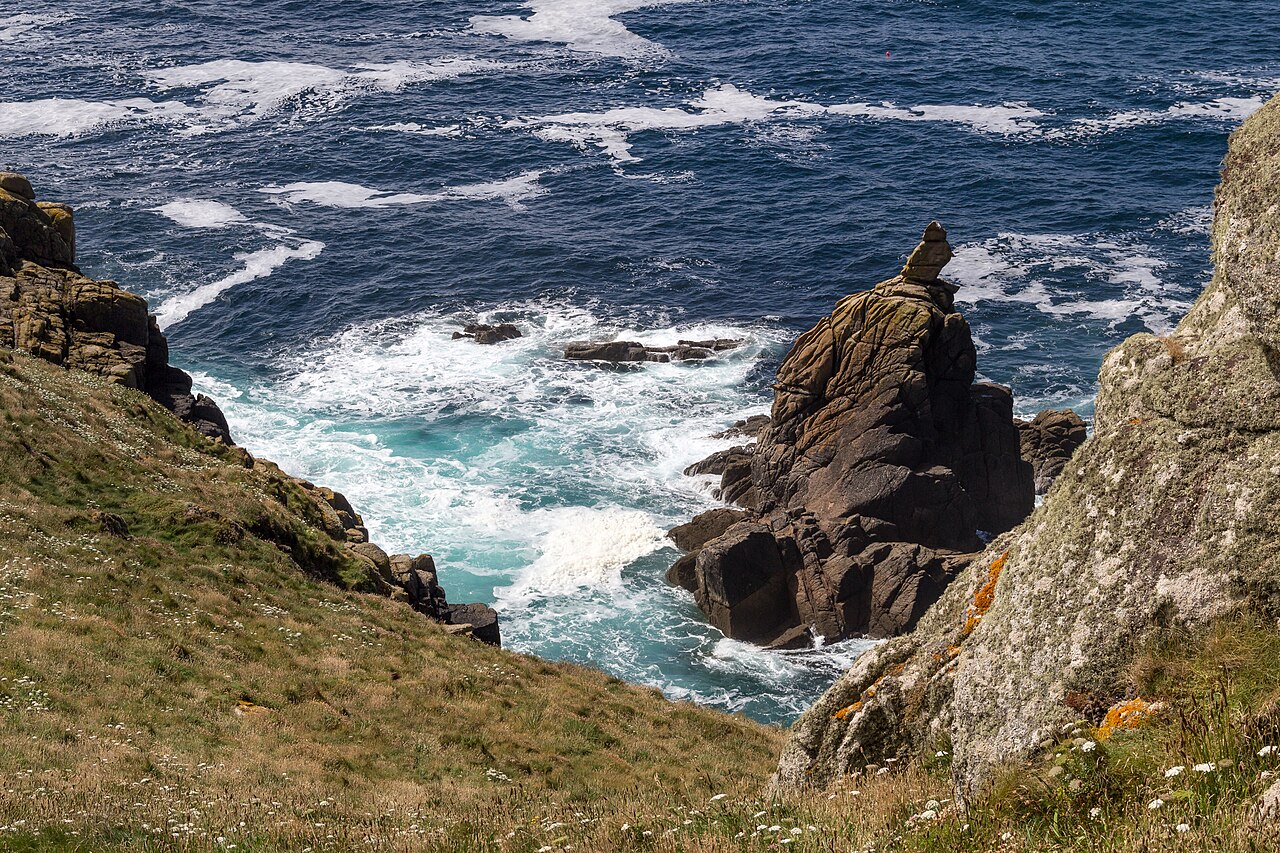
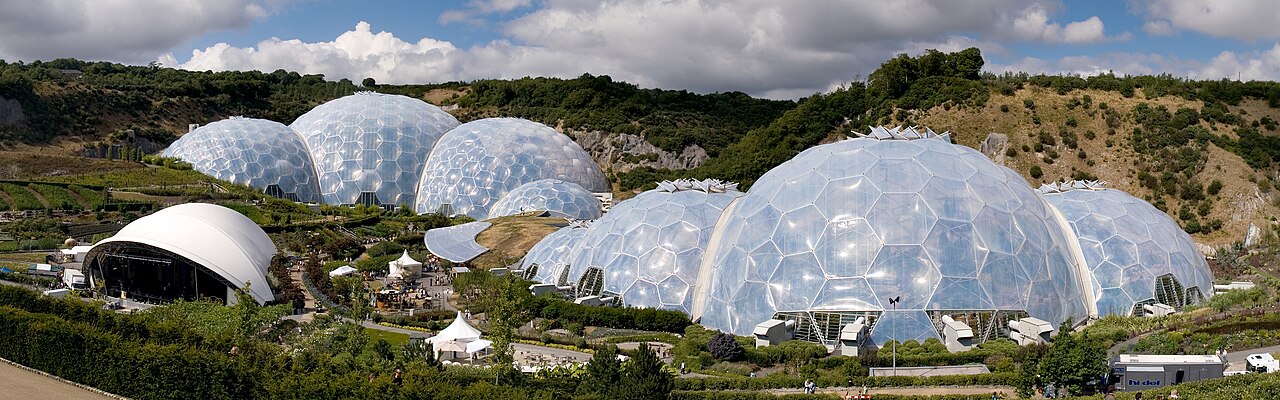
Think of Cornwall in four parts. The north coast, around Newquay, Padstow, Port Isaac and Tintagel, is wild and surf-facing, with long beaches, big cliffs and food-led harbour towns. The south coast, from Looe and Fowey to Falmouth and the Roseland, is gentler, with creeks, sailing harbours and subtropical gardens. Mid-Cornwall around St Austell holds the Eden Project and the Lost Gardens of Heligan. The far west, from Penzance to St Ives and Land's End, has the most dramatic scenery, the artists' coast and the old mining landscape. Most first visits focus on one or two of these.
What to book ahead
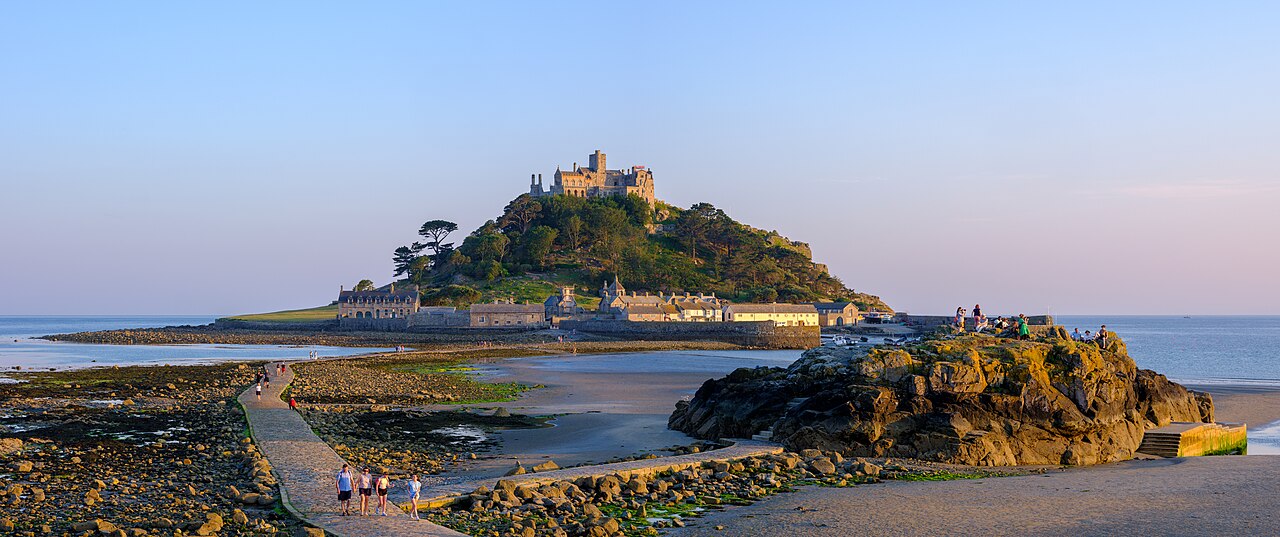
A few experiences are worth reserving before you arrive. The Eden Project is best booked for a dated ticket, and the same applies to Tintagel Castle in busy periods. St Michael's Mount depends on the tide and the opening days, so check both. If you want to see a show at the Minack Theatre, look at the programme early because summer performances sell out. Activities such as surf lessons, coasteering and guided walks also run in limited groups, and the best slots go first in school holidays. Restaurants in Padstow and St Ives often need advance booking at weekends.
Getting around without a car
Cornwall is easier to visit by train and bus than many people expect. The main line reaches Penzance, with stations at Truro, Redruth and St Erth, and branch lines serve St Ives, Falmouth and Looe. The St Ives branch from St Erth is one of the prettiest short journeys in Britain, and it avoids the parking problems in town. Buses link many of the headline sights, including Land's End and the Eden Project, but timetables are thinner in winter. If you want to reach more remote places, a hire car gives flexibility, but narrow lanes and summer traffic demand patience. Guided day tours are a practical middle option.
How many days
Three days gives you a taste of one region, such as the far west or the north coast. A week allows a loop of two or three regions without constant driving. If you only have a long weekend, pick St Ives and the far west, or Falmouth and the Roseland, and stay put. Our itinerary guide shows a four-day route that links the main sights with sensible driving times.
Weather and clothing
Cornish weather can change several times in a day, even in summer. Bring layers, a waterproof and shoes with grip, because coast paths are rocky and often muddy. Sea temperatures remain cool throughout the year, so swimmers usually appreciate a wetsuit outside high summer. Sunshine can be strong on the coast, so pack sun protection as well. The county has good rainy-day options, including the Eden Project biomes, the Maritime Museum in Falmouth, Geevor and Tate St Ives.
Money and timing tips
Cornwall is not a cheap destination in the peak weeks, so build in a buffer for parking, activity tickets and meals. Many car parks are pay-and-display and some beach car parks charge more in summer, so carry a card or use a parking app. Entry to the beaches and coast path is free, which makes them the best value of all. Shops and cafes in smaller villages may close early out of season, so check ahead if you plan a late dinner.
Respecting the place
Cornwall's beaches, cliffs and villages are popular, and small communities feel the pressure of crowds. Park considerately, avoid blocking narrow lanes, take rubbish home and keep to marked paths on cliffs and dunes. Check tide times before you walk on beaches or to places like St Michael's Mount, and take lifeguard flags seriously. Local pasties, cream teas and seafood are part of the experience, so budget time and money for them. With a realistic plan, a first visit can combine beaches, gardens, history and adventure without feeling rushed.