Cornwall has a mild, maritime climate, with cooler summers and warmer winters than much of the United Kingdom, but the season you choose changes the experience greatly. Summer brings beaches, long days and crowds, spring and autumn bring colour and calm, and winter brings storms, empty cliffs and cosy pubs. This guide helps you match the season with your priorities.
Spring
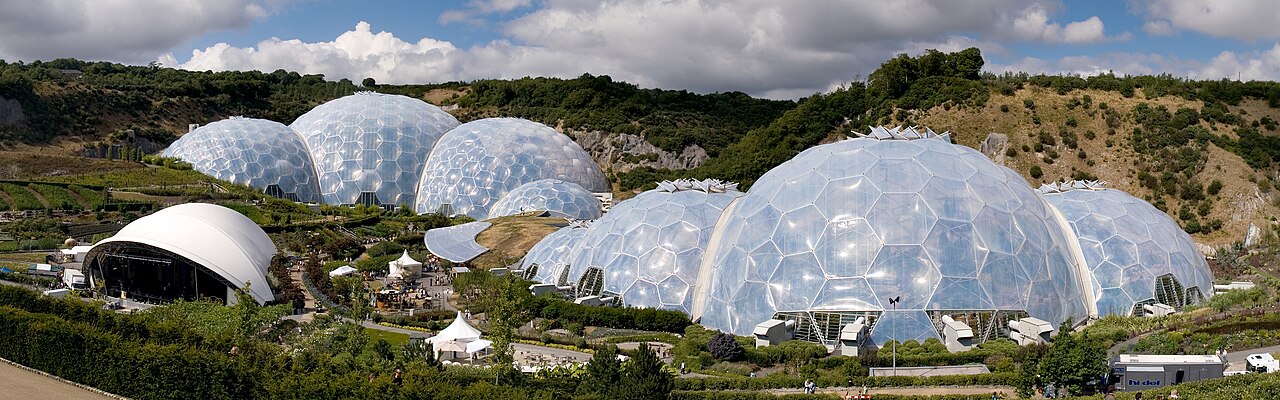
From March to May the county wakes up, with daffodils, camellias and rhododendrons in the gardens, wildflowers on the cliffs and lengthening days. The Lost Gardens of Heligan and the Eden Project are at their freshest, and the coast path is quiet. Weather can be changeable and the sea is cold, but spring is a favourite time for walkers, photographers and garden lovers. Easter and May half-term bring short busy periods.
Summer
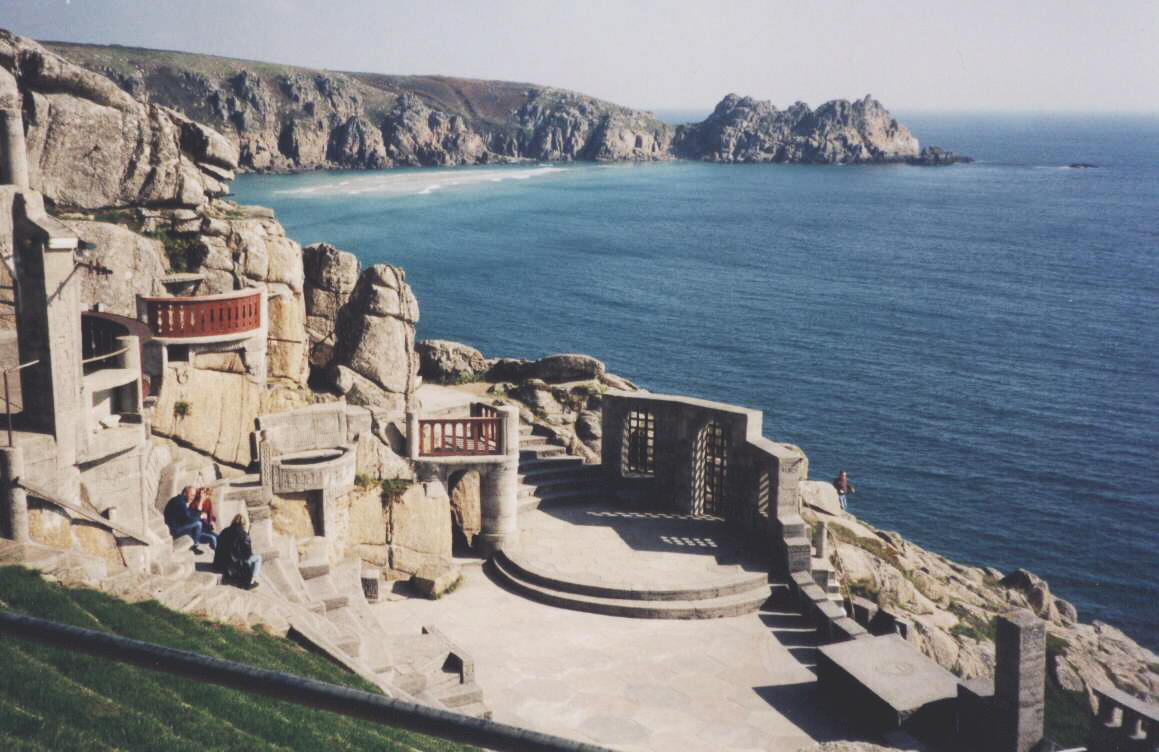
July and August are peak season. Beaches are lively, surf schools are full, and festivals and open-air theatre fill the calendar, including performances at the Minack Theatre. The sea is at its warmest, though still cool by European standards. The trade-off is traffic, parking problems and high prices, particularly in St Ives, Padstow and Newquay. Book accommodation and activities early, start days early and consider arriving by train. June and early July are less crowded and have the longest light.
Autumn
September and October are often excellent, with warm sea, quieter beaches and settled weather in many years. Prices drop after the school holidays, and restaurants and attractions are easier to book. This is a good time to learn to surf, walk the coast path and visit the north coast. Autumn also brings the first big Atlantic swells, which surfers love and swimmers should treat with respect.
Winter
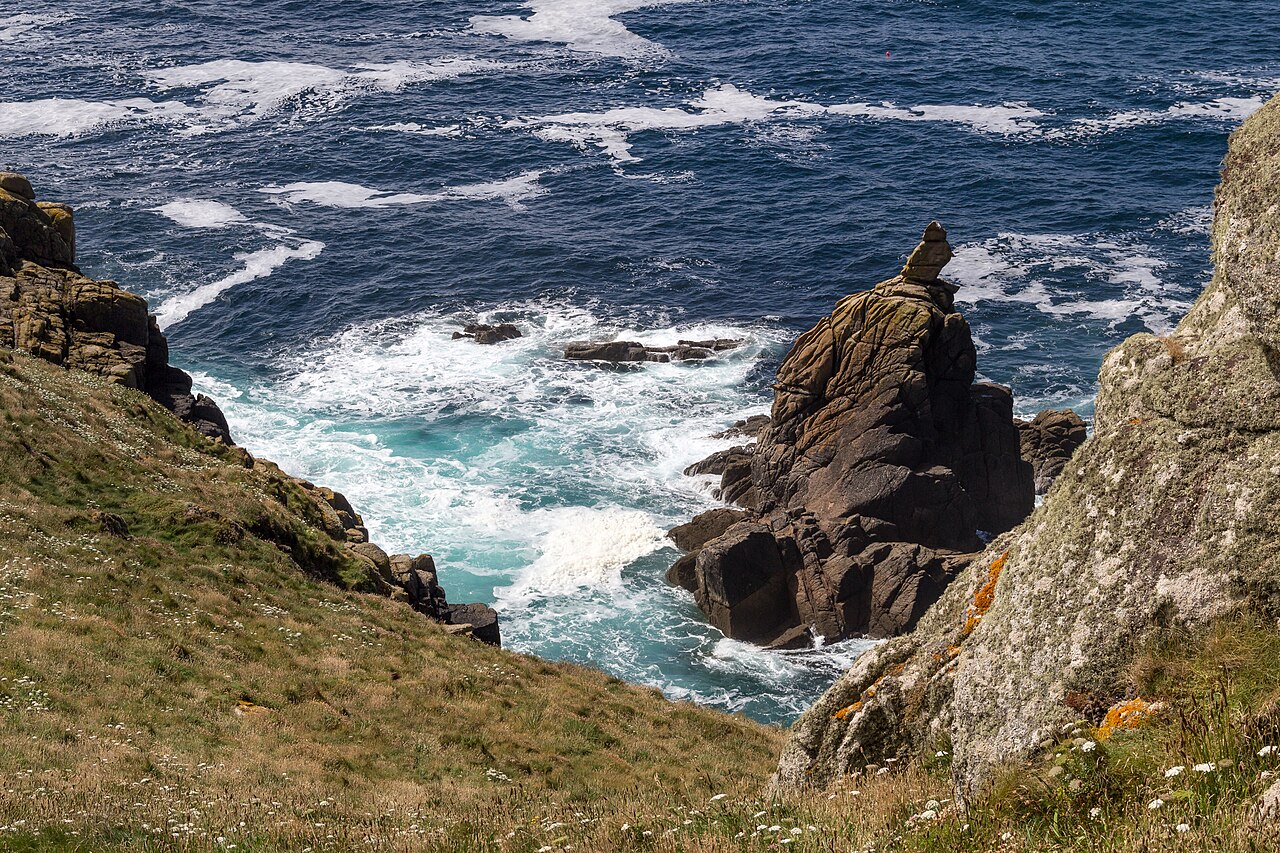
From November to February Cornwall is dramatic and calm. Storms bring spectacular waves at Land's End and the north coast, and the light on the cliffs is beautiful. Some seasonal attractions, cafes and boat trips close or reduce hours, so check before you go. The Eden Project biomes, Tate St Ives, Geevor and the Maritime Museum remain good options, and pubs with open fires are very welcoming. Winter is the cheapest time to stay and the quietest for walking.
Planning around the tide and daylight
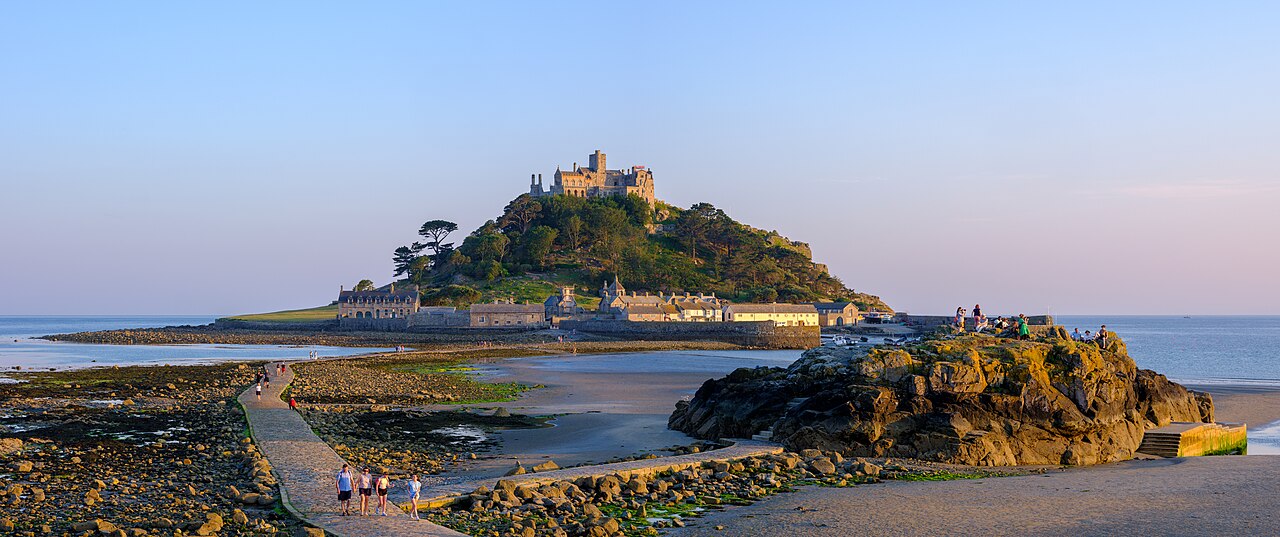
Tides matter in Cornwall. St Michael's Mount, Merlin's Cave at Tintagel and many beaches depend on them, so check tide tables. Daylight is long in summer and short in winter, which affects walks and driving on unlit lanes. Use local forecasts and be prepared to change plans, because coastal weather shifts quickly.
Events and festivals
Cornwall has a lively calendar, including May Day celebrations in Padstow, summer surf and music festivals around Newquay, regattas and sailing weeks in Falmouth and open-air theatre at the Minack. Autumn brings food and arts festivals, and winter brings lantern parades and Christmas lights in the harbour towns. Events can raise prices and fill accommodation, so check dates when you plan. If you prefer calm, avoid festival weekends and bank holidays.
Kids and school holidays
Family trips are easiest in the main holidays, when attractions run full programmes and beaches have lifeguards, but prices are highest. Half-term breaks in late spring and autumn offer a compromise, with decent weather and fewer crowds. If your children are young, pick a base with a beach nearby and keep sightseeing short, and if they are teenagers, add activities such as surf lessons, coasteering and the Eden zipline.
Sea temperature and swimming
The sea warms slowly and peaks in late summer, when water on the south coast can feel comfortable for a short swim. Winter swimmers wear wetsuits, gloves and boots. Always check local conditions and swim near lifeguards when they are on duty.
Gardens through the year
Camellias flower in late winter, magnolias and rhododendrons in spring, hydrangeas in summer and autumn colour in the valley gardens, so there is something in bloom in every season at Heligan and along the Fal.
Our recommendation
For the best mix of weather, crowds and cost, aim for late May to mid-June or September. If you have school-age children, plan around holidays and book early. If you enjoy dramatic seas and solitude, try a winter break. Whatever the season, pack layers, a waterproof and sturdy shoes, and enjoy the way the light and weather change the same coast from day to day.