Food is one of the best reasons to visit Cornwall. A coast of fishing harbours, farmland and mild weather produces seafood, dairy, vegetables and baking that visitors remember long after the beaches. This guide explains the dishes to try, how to approach eating out in busy seasons and a few tips for avoiding tourist traps.
The Cornish pasty
The pasty is a folded pastry parcel filled with beef, potato, swede and onion, seasoned with pepper, and it has protected status in Europe for pasties made in Cornwall to a traditional recipe. It began as a portable meal for miners, who were said to hold the crimped edge with dirty hands and discard it. Today bakeries sell them hot, and the best ones have crisp, flaky pastry and a peppery filling. Try one from a bakery rather than a chain, and eat it outdoors if you can, remembering that seagulls are fearless.
Seafood
With fishing ports on both coasts, Cornwall offers excellent fish, crab, mussels, scallops and lobster. Padstow is the best-known destination, with restaurants ranging from fish and chips on the quay to fine dining, but Falmouth, Newlyn, Mevagissey, St Ives and Looe all have good places. Look for menus that mention the day's catch and local boats. Newlyn, near Penzance, is a major fishing port, and its fish market supplies restaurants across the county.
Cream teas
A cream tea is a scone with jam and clotted cream, served with tea. In Cornwall the traditional method is to split the scone, spread jam first and add a spoonful of cream on top, though Devon does it the other way round, and the debate is lighthearted but sincere. Good cream teas are served in tea rooms, gardens and cafes across the county, and they are a fine reward after a coast path walk. Also look for saffron buns, heavy cake and fairings biscuits in bakeries.
Drink
Cornwall has a long brewing and cider tradition. Local pubs serve ales from regional breweries, and many farms produce cider, while vineyards on the south coast make still and sparkling wines. Gin and rum distilleries have appeared in recent years, and tasting rooms are an enjoyable rainy-day stop. Remember that you may need a designated driver, since country roads are narrow.
Where to eat
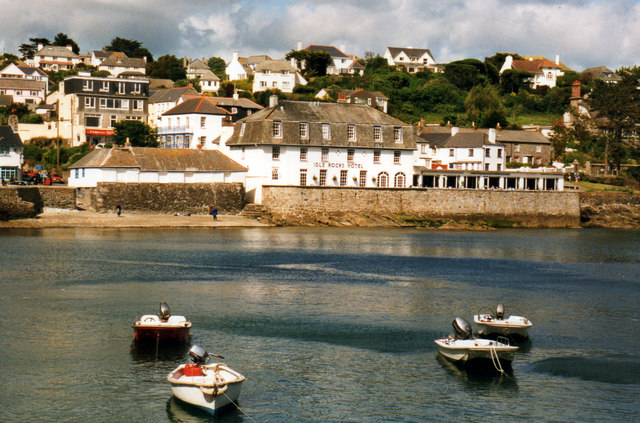
Padstow is the food capital, with a mix of high-end restaurants and casual spots, and bookings are essential in summer. Falmouth has a young, creative food scene with cafes, street food and harbour pubs. St Ives offers beachfront cafes and seafood restaurants. In smaller villages, local pubs often serve the freshest food at fair prices. Hotels such as The Pig at Harlyn Bay and The Idle Rocks put local produce at the centre of their menus.
Breakfast and picnic ideas
A Cornish breakfast is similar to a full English with local bacon, eggs and often a saffron bun or hog's pudding on the side. For picnics, buy bread, cheese, pasties and fruit from village shops and farm stands, then eat on a beach or clifftop. Cornish ice cream is another highlight, often topped with a swirl of clotted cream, and it is worth a stop on a warm afternoon. Many harbours sell crab sandwiches and mackerel rolls straight from the boat.
Vegetarian and special diets
Cornwall has become friendly to vegetarians and vegans, with pasty makers offering plant-based fillings, cafes using local vegetables and seaweed, and restaurants that adapt menus. Gluten-free options are common in larger towns. Tell the kitchen about allergies when you book, since small restaurants plan their prep in advance.
Markets and farm shops
Weekly markets in Truro, Penzance, Falmouth and Padstow sell fresh fish, cheese, bread and preserves, and farm shops sell the ingredients for a picnic or self-catering dinner. They are cheaper than restaurants and a good way to meet producers.
Practical tips
Book popular restaurants well ahead for weekends, and ask about dietary needs, because most kitchens are accommodating but small. Eat early or late to avoid peaks. Carry cash for small stalls, though cards are widely accepted. Look for local produce in farm shops and weekly markets, and bring a cool bag if you plan to take cheese, fish or ice cream home. Cornish food rewards curiosity, so try something new at every stop.