Curaçao is one of the easiest Caribbean islands to plan around, because the weather barely changes. Daytime temperatures sit between roughly 28 and 32 degrees Celsius all year, nights cool only to about 24 to 26, and a steady easterly breeze keeps the heat bearable. The real choice is not hot against cold. It is how much you want to pay, how many people you want to share the beaches with and how much wind you can live with. This guide sets out the seasons plainly.
The dry season: February to September
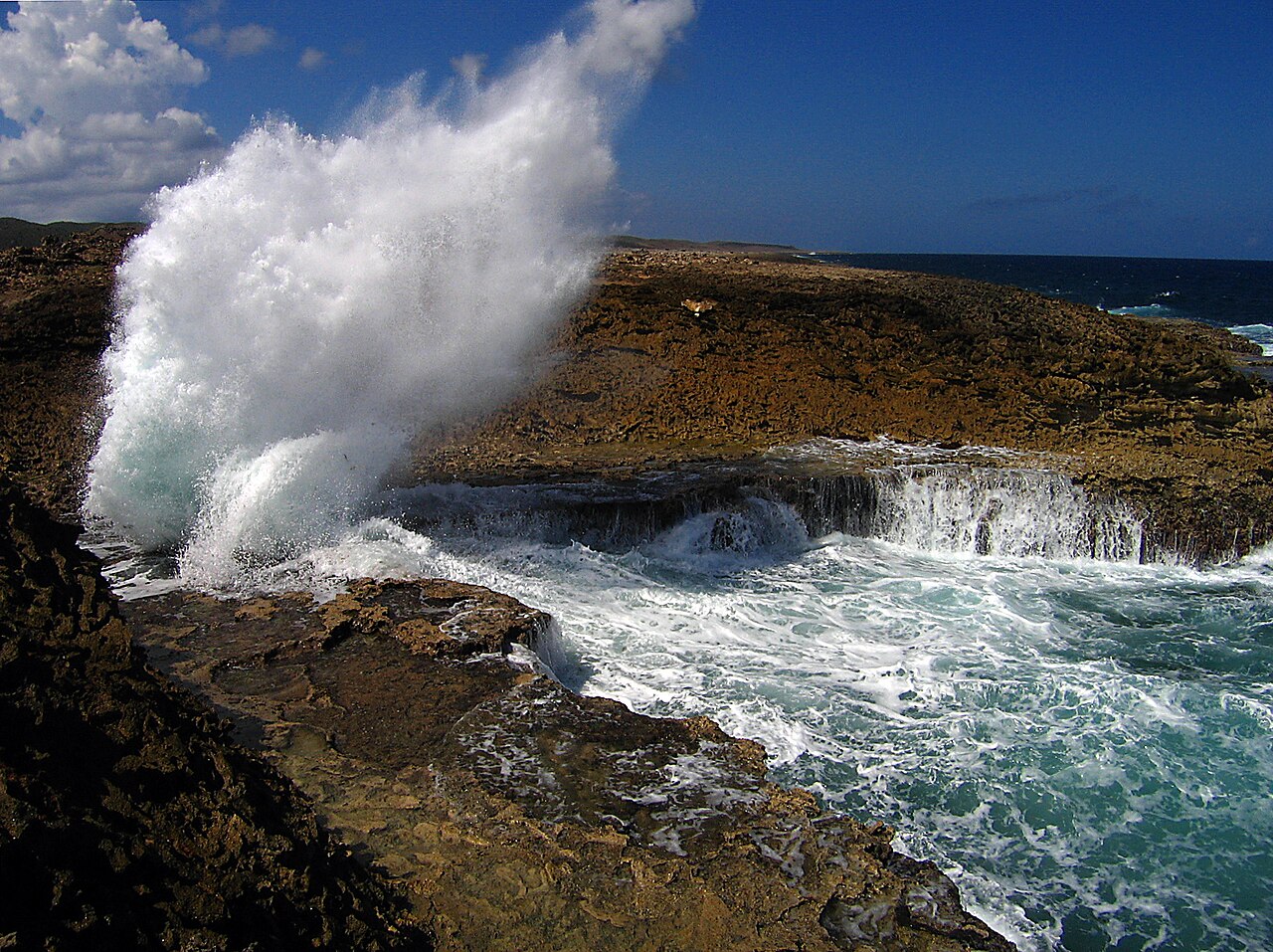
The island is naturally dry, and the stretch from February to June is the driest of all. Rain, when it comes, is usually a brief shower that passes quickly, and most days are sunny from morning to evening. The landscape is at its most arid, with cactus, scrub and brown hillsides, which suits the dramatic scenery at Christoffel National Park and Shete Boka. July to September is the hottest part of the year, at the upper end of the temperature range, so plan outdoor activities for the morning and keep the afternoons for the pool or a boat.
The mild rainy season: October to January
The wetter months bring a slightly higher chance of short afternoon showers, but most days are still sunny, and the difference between the seasons is small. Showers can green the hillsides and the island looks softer. It is a good time for travelers who want a quieter trip and lower hotel prices, though you should keep an eye on the forecast on the day you plan a boat trip. Heavy rain is unusual and rarely lasts all day, so a rain jacket is optional and sunscreen is not.
Wind: the thing that actually matters
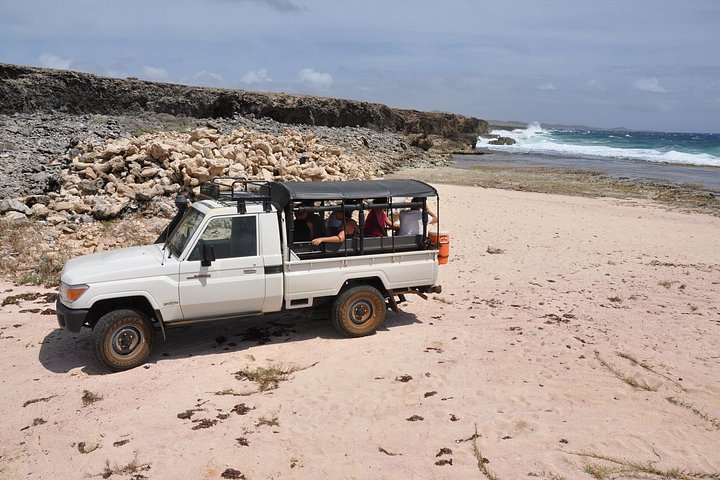
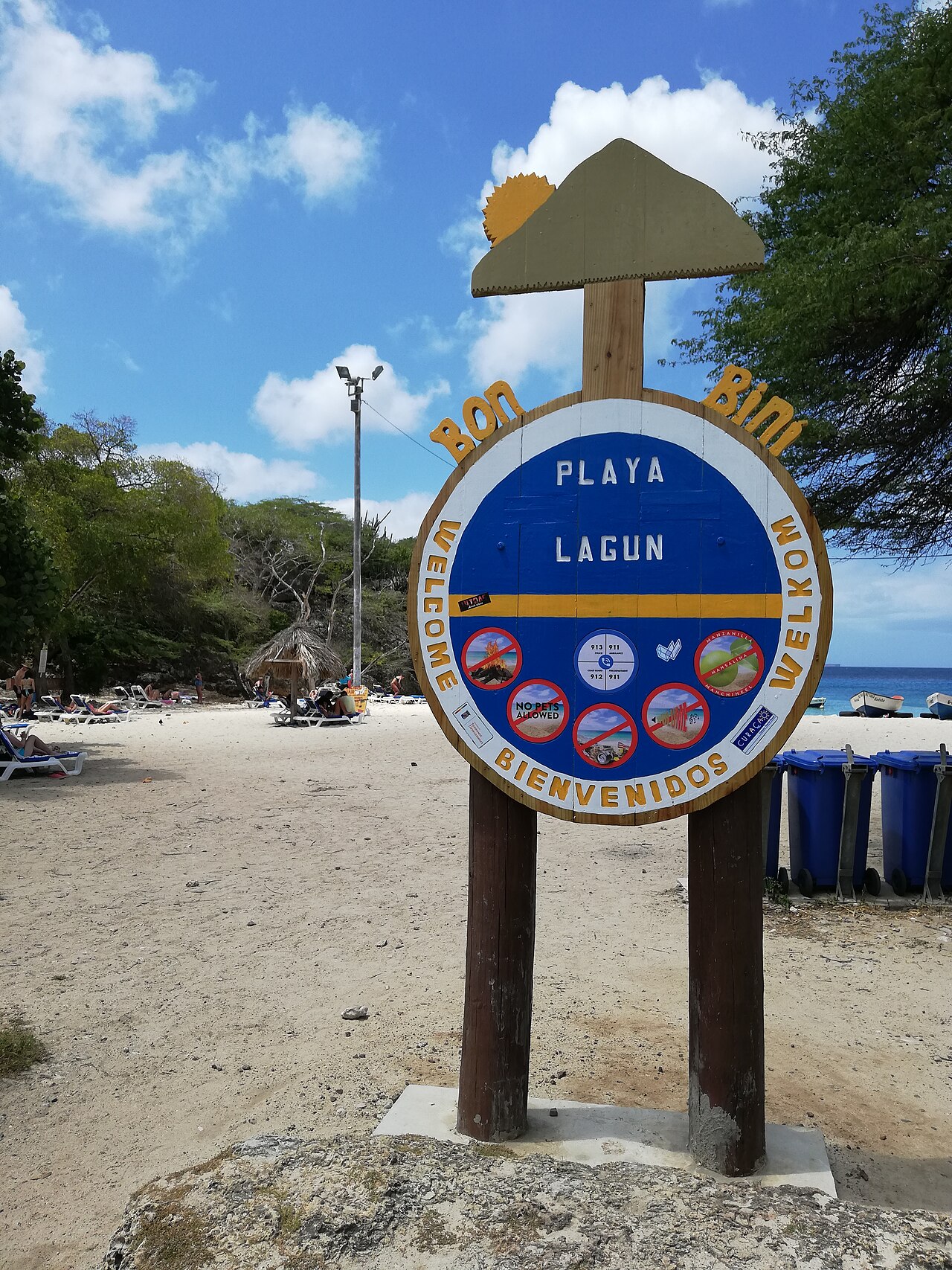
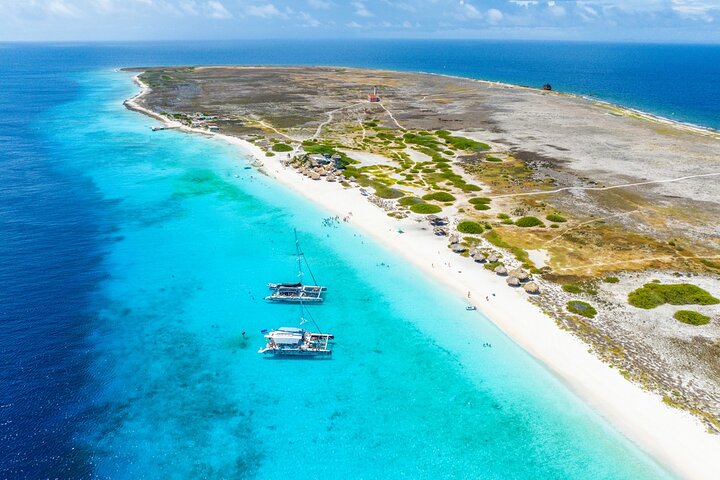
Steady trade winds of roughly 20 to 30 kilometers an hour blow from the east year-round. They are stronger on the eastern and southeastern side, and the calmer, leeward west coast is where most of the best beaches are. The wind is the reason the heat feels pleasant, and it is also the reason for kiteboarding and windsurfing, but it can make crossings choppy. The Klein Curaçao catamaran sails into open water southeast of the island, so on windier days the swell can be noticeable. If you are prone to seasickness, take tablets before boarding, and if conditions are rough, operators may cancel. Calm, sheltered west-coast days suit snorkeling and turtle swims, and Playa Lagun and Grote Knip are usually good in most conditions.
Hurricanes
The Atlantic season runs from June to November, but Curaçao lies outside the usual hurricane path and is rarely affected. That means the late-summer and autumn months are not the gamble they are on many other Caribbean islands. As for any trip, flexible bookings and travel insurance are sensible, and it is worth checking the forecast for the whole region if you are traveling in the peak of the season.
High season and low season
The busiest and most expensive period runs from December to April, when North American and European visitors arrive to escape winter. Hotels, rental cars and popular excursions book out, and the Klein Curaçao catamaran is easiest to reserve a few days ahead. School holidays in the Netherlands and North America also bring a rush. Outside those windows, the island is calmer, rooms are easier to find and prices are often better. If you want the best balance, May, June and the early autumn offer dry, sunny days with fewer crowds, though dates vary by year, so compare prices for your own dates.
Carnival and local events
Carnival is the island big celebration, with parades and music building through January and February and ending before Lent. It brings color and energy to Willemstad, and it also brings crowds and busier streets, so book early if you want to be there, and expect some road closures on parade days. Outside Carnival, the calendar is quieter, and the old town is easy to enjoy at any time.
Weekly rhythms to plan around
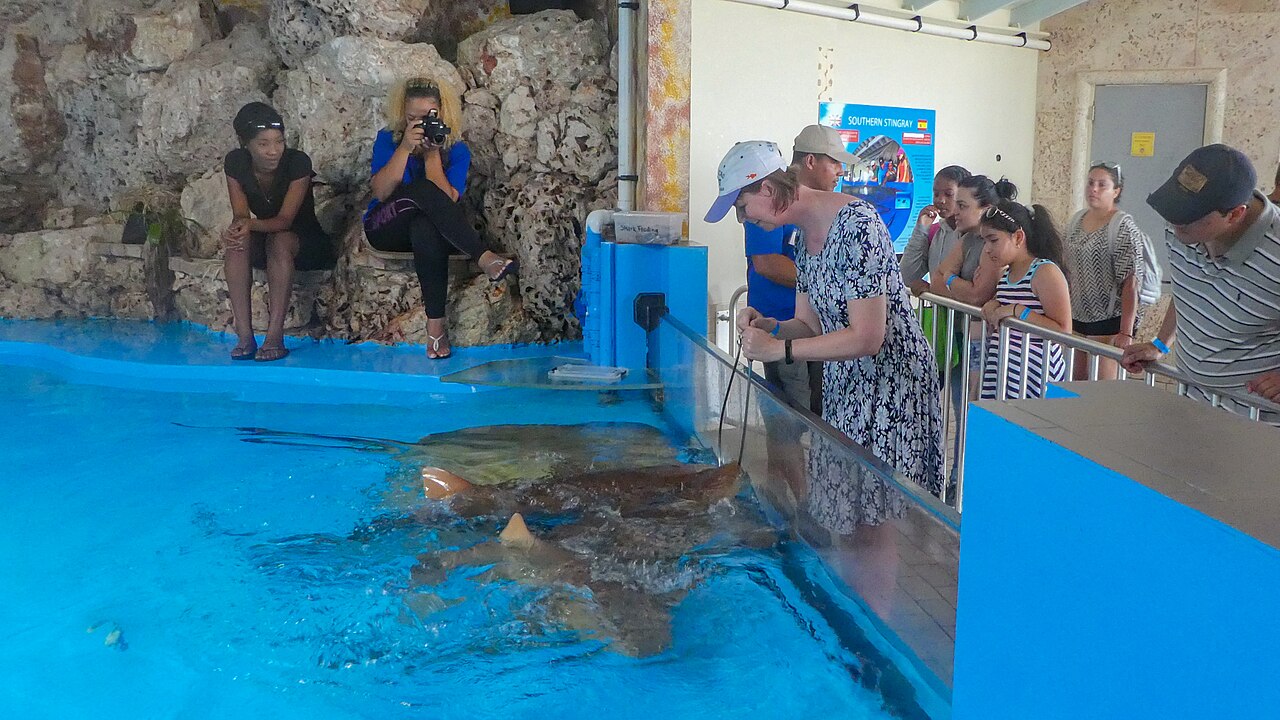
Some sights keep fixed weekly schedules regardless of season. The Blue Curaçao distillery is open Monday to Friday only, the Kurá Hulanda Museum is open Monday to Saturday, and the Sea Aquarium is open every day. Cruise ships often call at Willemstad, which can make Punda crowded at midday, so walk the old town early or late.
Which month should you pick?
For reliably dry weather, choose February to June. For fewer people and lower prices with only a small chance of showers, choose May to early autumn or the quieter weeks of the rainy season. For the biggest buzz, choose Carnival. Whatever month you choose, pack reef-safe sunscreen, a hat and a rash vest. Money is simple too: the local currency is the Caribbean guilder, XCG, which replaced the Netherlands Antillean guilder on 31 March 2025 at about 1.79 per US dollar, and US dollars are widely accepted.