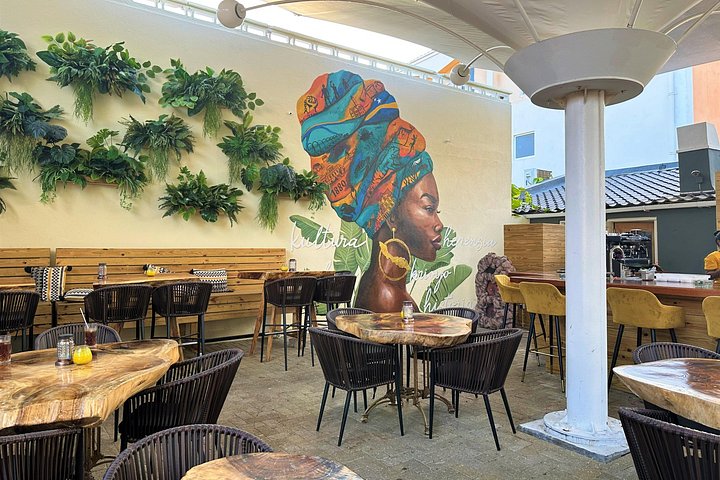
Curaçao kitchen is the island history on a plate. Dutch, African, Spanish, Portuguese and wider Caribbean influences have mixed here for centuries, and the result is hearty, salty-sweet food built on cornmeal, cheese, plantain, okra, salted meat and fresh fish. Local cooking is often called Krioyo, the Papiamentu word for Creole. It is not delicate, and that is its charm. This guide covers the dishes worth looking for, the kinds of places that serve them and the drink that put the island on the world bar map.
Start with keshi yená
The signature dish is keshi yená, which means stuffed cheese. A shell of Dutch-style cheese is filled with chicken or meat, vegetables, dried fruit and spices, then baked to a soft, savory finish with a slight sweetness. It is rich, so share one between two as a starter if you plan to eat more. The Dutch influence shows in the cheese, and it is a good first order because it tastes like nowhere else.
Stews, soups and cornmeal
Stobá is the island word for a slow-cooked stew, and you will see versions with goat, beef or papaya, the last cooked with salted meat for a sweet-savory dish. Soups are equally traditional: sòpi di banana is a creamy plantain soup with salted beef, and jambo, the okra soup, is slippery in the best way and usually comes with cornmeal. Cornmeal appears in many forms. Funchi is a firm cornmeal side, similar to polenta, and tutu is a rolled cylinder of cornmeal and beans, sometimes topped with melted cheese. Ayaka, a cornmeal dough filled with meat, vegetables and dried fruit and boiled in plantain leaves, is a traditional holiday dish, so you are most likely to find it at that time of year.
Fish and the sea
On an island this dry, the sea does the heavy lifting. Fried or stewed fish, often snapper, mahi mahi or grouper, is typically served with rice, plantain or funchi and a spicy sauce. Fresh catches are the best order near the coast, and the guided boat days often include a barbecue lunch with fish or chicken. Ask what came in that day and order that.
Snacks and breakfast
Pastechi is the national snack: a crescent-shaped fried pastry filled with cheese, beef, chicken, tuna or vegetables. You will find it at grocery stores and roadside snack bars, called snèks, especially in the morning, and it is the cheapest way to eat well. Arepa di pampuna, a sweet pumpkin pancake with raisins, is a breakfast treat. For something sweet, look for local confections such as lèter di pinda, a peanut cookie, panseiku, peanut brittle, and kokada, coconut candy.
Where to eat in Willemstad
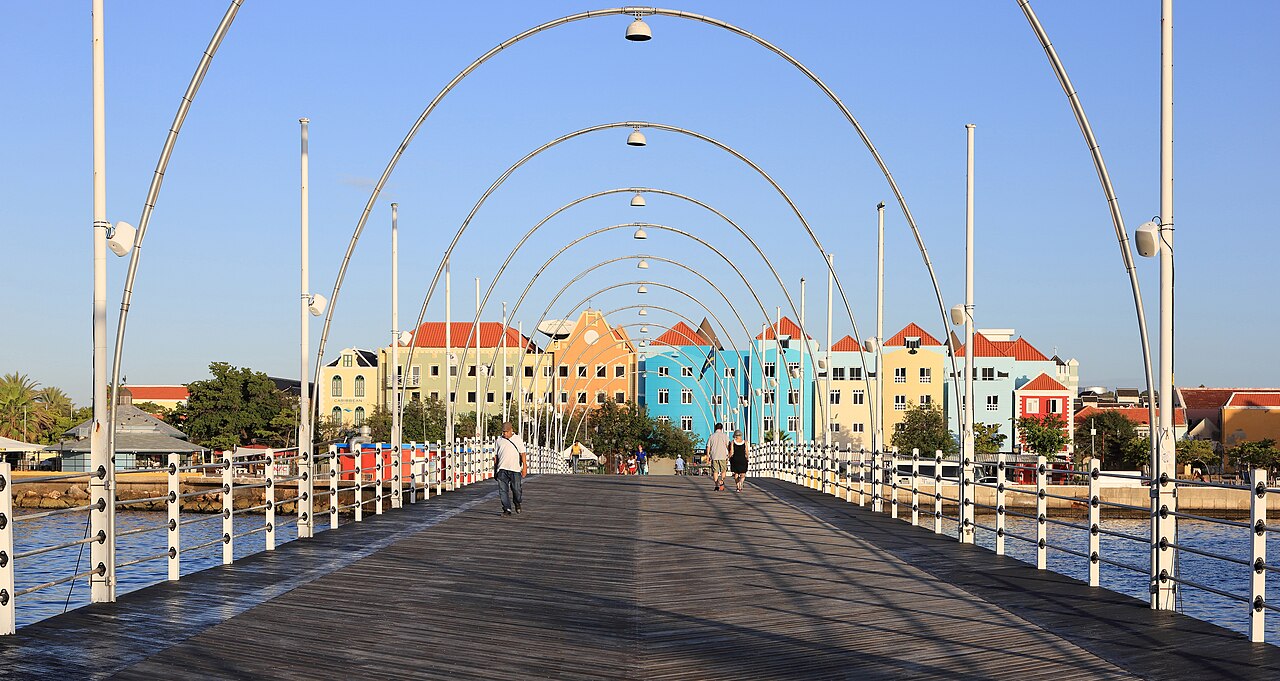
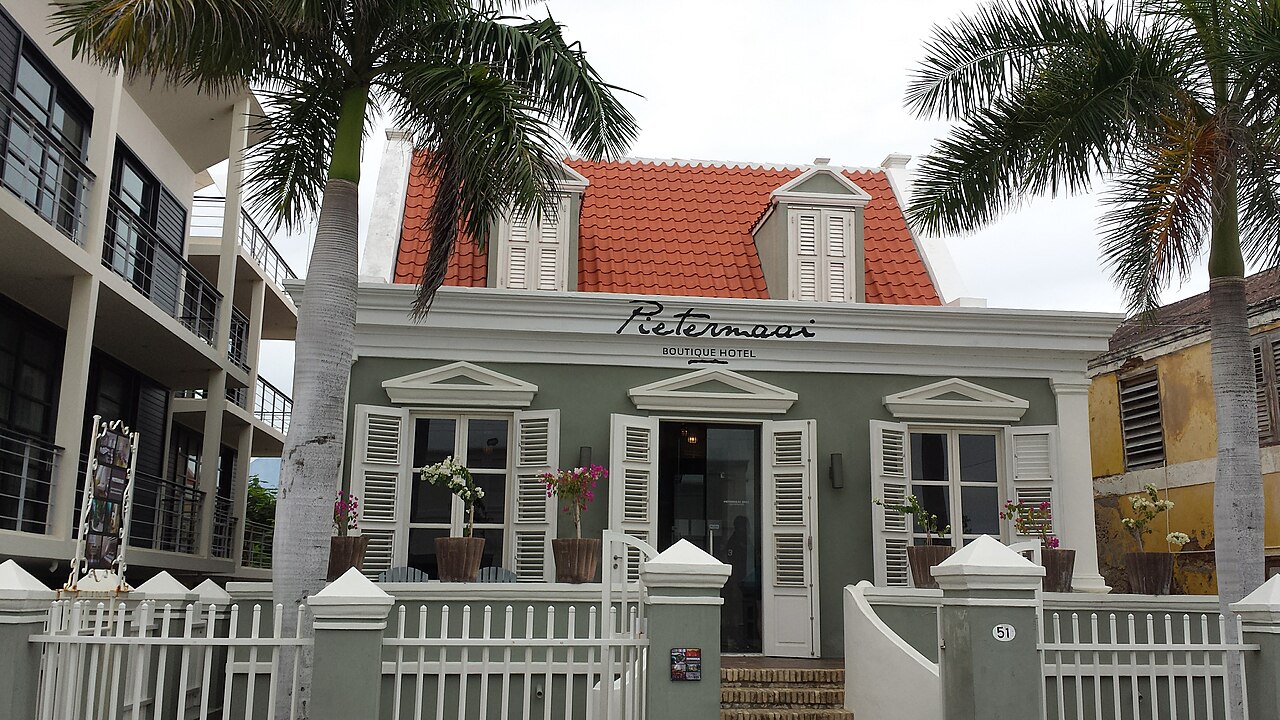
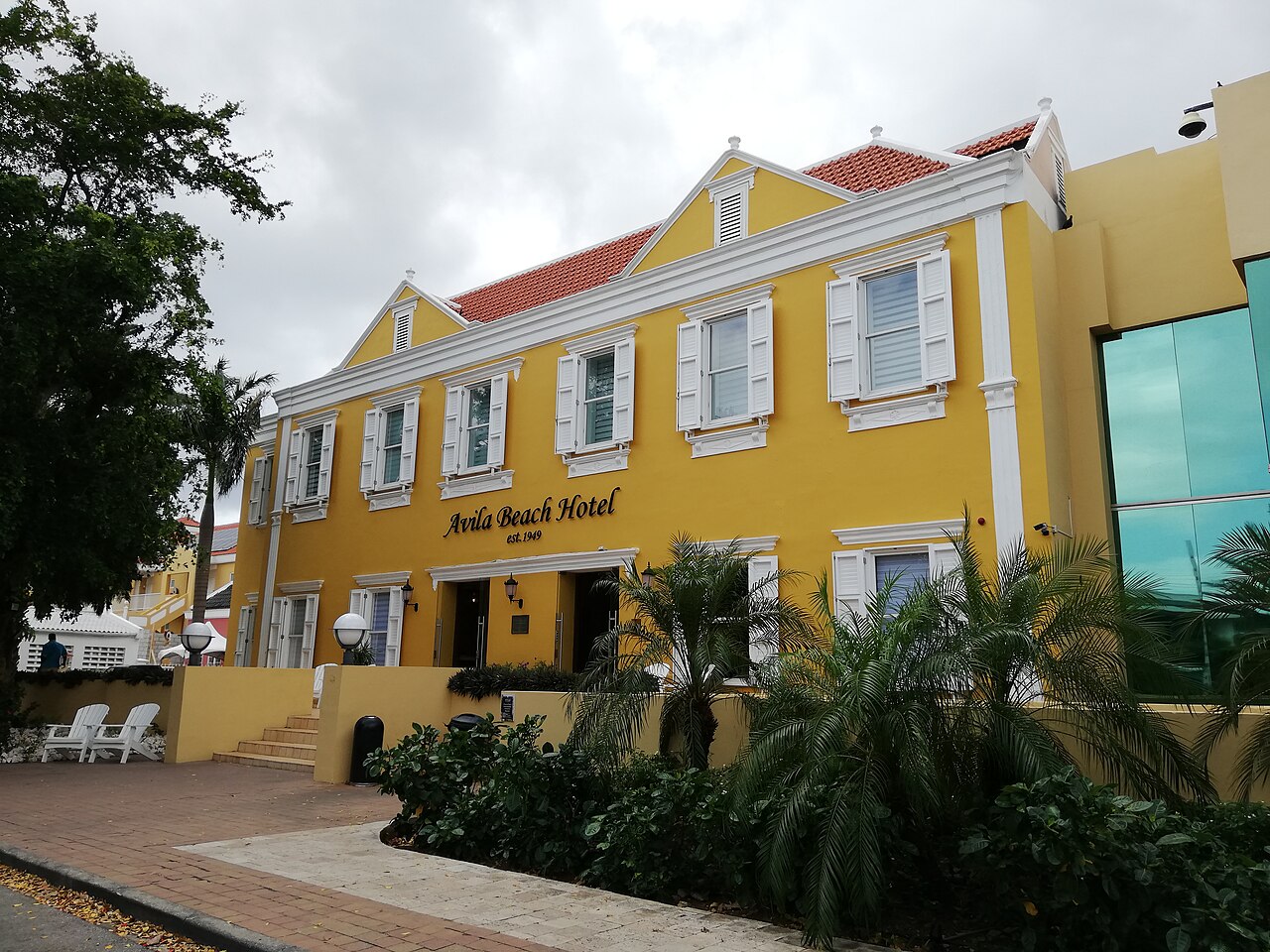
The quickest way to taste several dishes in one go is the Old Market, Plasa Bieu, in Punda, a hall of counters serving traditional plates. It is informal, you order at the counter and the food is home-style, so go with an appetite and check opening hours before you walk over, as local kitchens keep their own schedules. In Pietermaai, restored mansions have turned into restaurants and bars with a more international style, and the seafront strip is a pleasant place for an evening meal. Hotels in Otrobanda, Pietermaai and Scharloo put these within a short walk. If you would rather have a guide, the private foodie tour in Willemstad is built around tastings and stories, and it is a good first-day orientation.
The drink: Blue Curaçao
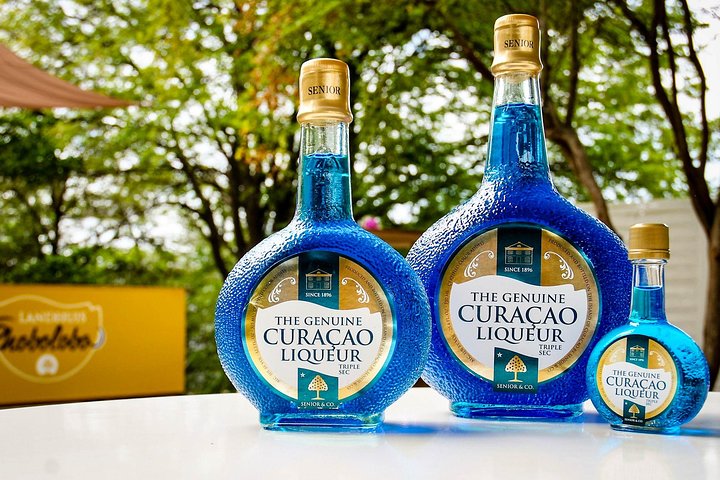
The island gave its name to a liqueur. Spanish settlers brought Valencia oranges around 1500, but the dry climate and thin soil turned them into laraha, a bitter, inedible orange. The dried peel of the laraha flavors Curaçao liqueur, and the Senior family has made it this way since 1896. The Landhuis Chobolobo distillery tour, a restored early nineteenth-century mansion in Saliña, covers the history, the production and a tasting. It is open Monday to Friday, so schedule it on a weekday, and book ahead if cruise ships are in port. The liqueur appears in many cocktails, and the blue version is the one that turns drinks the color of the sea. The orange version is the classic and has a more delicate, bitter flavor.
Practical notes
The local currency is the Caribbean guilder, XCG, which replaced the Netherlands Antillean guilder on 31 March 2025 at the same rate of about 1.79 per US dollar. US dollars and cards are widely accepted in restaurants, but small snack bars and market counters may prefer cash, so keep a few notes handy. Check your bill to see whether a service charge is already included before you tip. Portions are generous, so share starters and mains. Vegetarians will find the choice thinner at traditional counters, so ask about cheese, vegetable and plantain dishes, and mention any allergies early. Finally, drink plenty of water. The heat is constant and the food is salty.