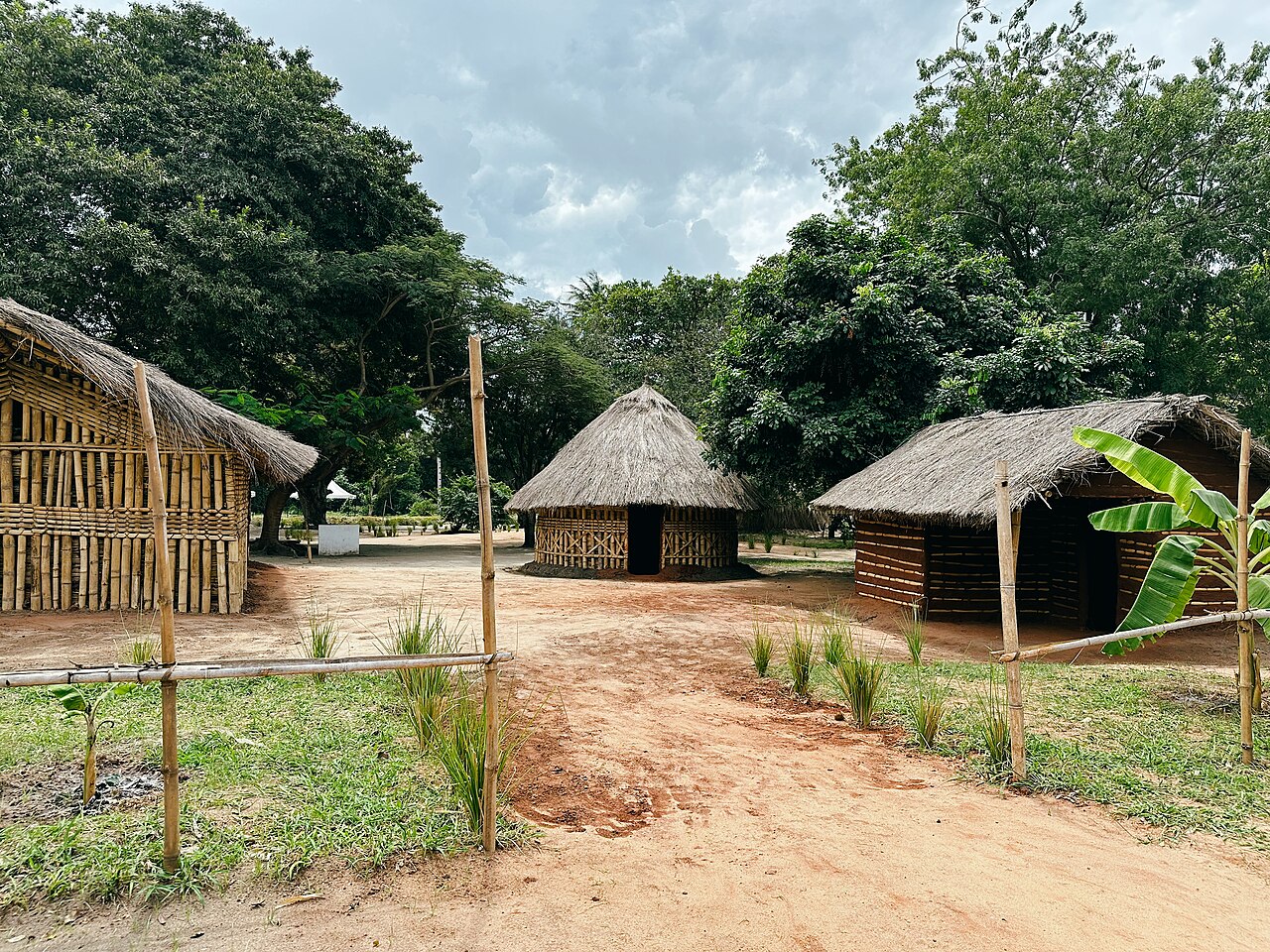
The Village Museum, known locally as Makumbusho, is an open-air museum on the northern side of Dar es Salaam where full-size traditional homesteads from different ethnic groups have been rebuilt in a garden setting. Instead of cases and labels, you walk between thatched huts, round houses and extended compounds and see how roofs, walls, granaries and courtyards differ from one region of the country to another. It is one of the easiest ways to understand that Tanzania is home to well over a hundred ethnic groups, each with its own building traditions. The museum also works as a performance space. Dance and drumming groups often perform on the grounds, and craft makers and carvers work in and around the site. Visiting in the middle of a busy city, you suddenly have shade, birdsong and a slower pace, which makes it a welcome break from the heat and the traffic.
The layout is simple. A path winds through the grounds past a series of homesteads, each labelled with the community it represents. Look for the differences in shape and material, from the round, thatched houses of some communities to the flat-roofed, mud-built designs of others, and the ways families arranged cooking areas, grain stores and animal pens. Guides on site can walk you through the symbolism, such as who sleeps where, how elders are honoured and how buildings are adapted to rain or heat.
The performances are a highlight when they are running. Traditional dance and drumming sessions are staged for visitors, and you are often invited to join in. Schedules change, so ask on arrival or when you book a tour. The craft stalls on the grounds sell carvings, paintings and woven items, and prices are negotiable, so smile and take your time.
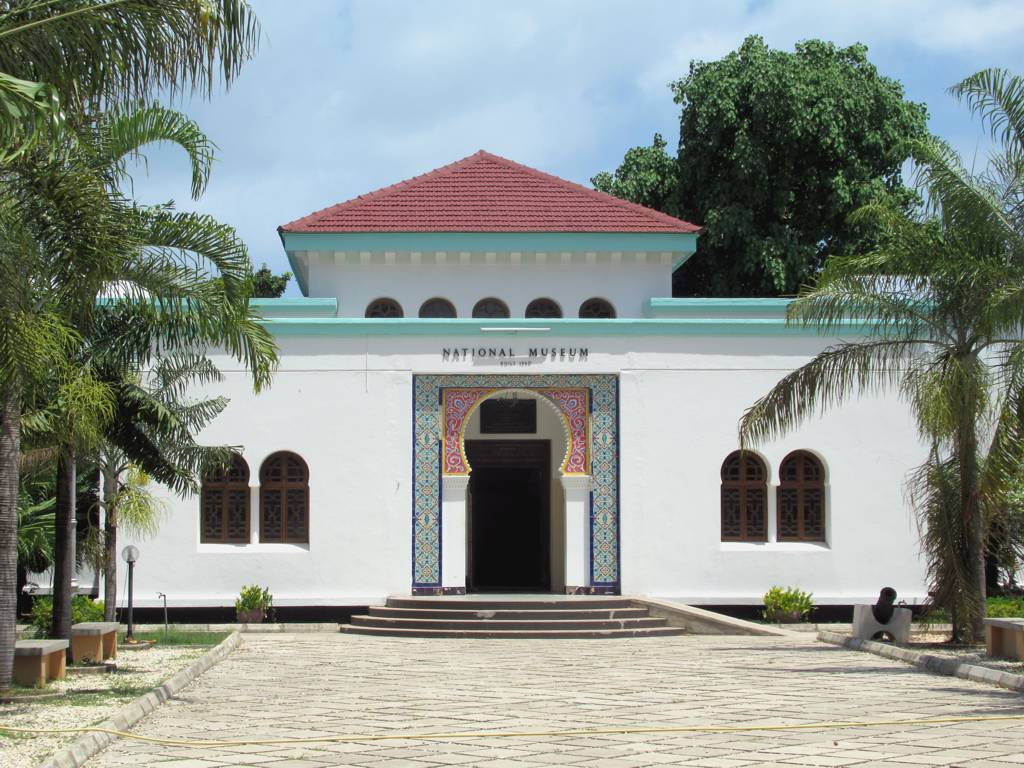
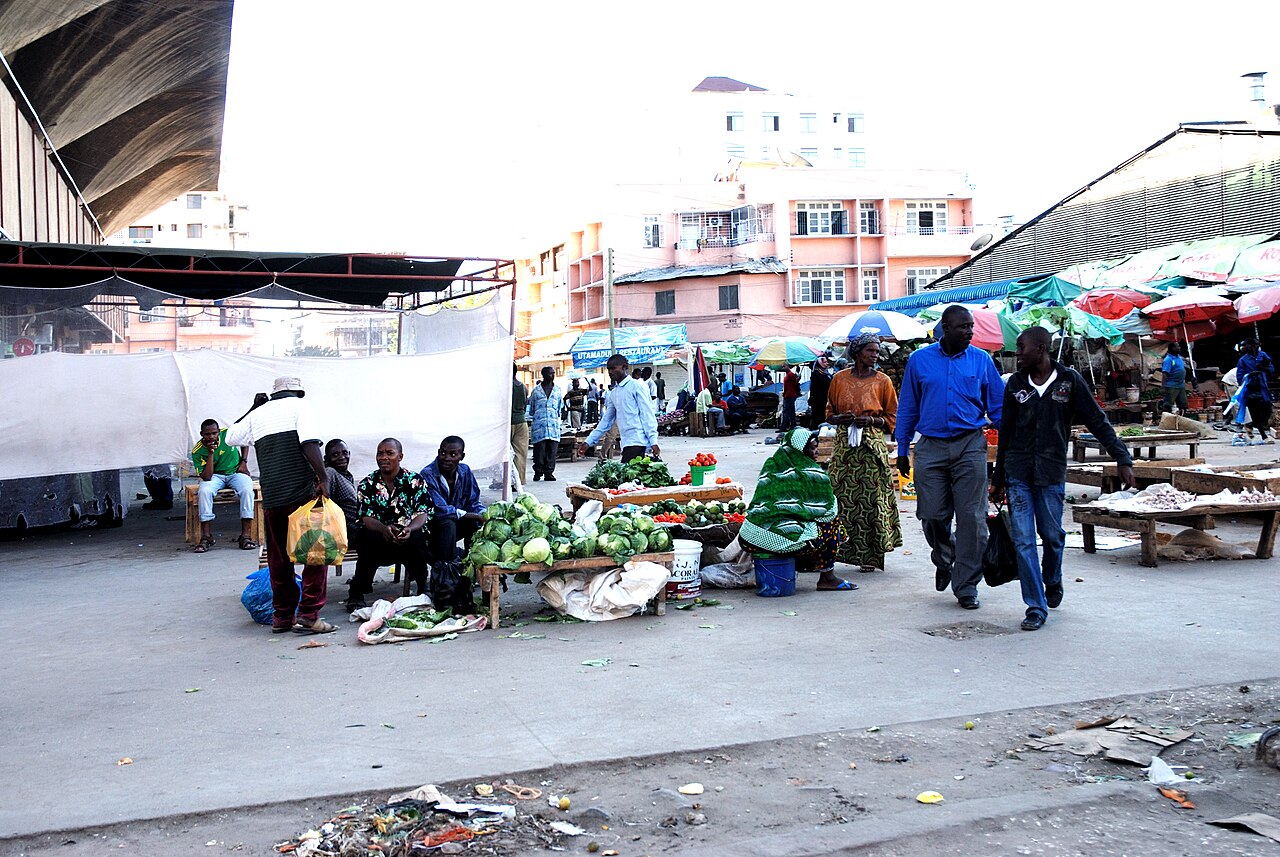
Combine it with a tour that also covers the National Museum and a local market, as many city culture tours do, because the three stops give three different sides of the country: its deep history, its homes and its commerce. The museum is some distance from the old centre, so a car and driver saves a lot of time. Without a tour, ride-hailing is simple and inexpensive.
Go in the morning or late afternoon when the grounds are shaded and cooler. Bring sun protection and insect repellent, wear comfortable shoes for the uneven paths and keep small bills for entry, performances and crafts. It is a good stop with children, who often like exploring the huts and watching the dancers, and it is one of the more relaxed ways to spend a hot afternoon in the city.
To get the most from the visit, treat it as a conversation rather than a walk-through. Ask the guide about the materials used in each house, such as grass, mud, poles and bark, and about why certain roofs are steep or why doors face a particular direction. Look for the small details, including carved doorposts, cooking stones and grain stores raised on stilts, which show how families managed food, weather and security.
If you are visiting with children, let them step inside the huts and look at the sleeping arrangements, which usually sparks questions. Allow time at the end for the craft stalls, and buy directly from makers when you can.
What to expect
The experience
A self-guided or guided walk through rebuilt traditional homesteads, with live music and dance and a craft market on site.
Best time
Morning or late afternoon for shade. Performances run on certain days, so ask ahead if you want to see one.
How long
One to two hours.
Tips
Wear comfortable shoes, bring sun protection and carry small bills for entry, performances and crafts.
Quick picks
- Best for
- Families, culture lovers and anyone curious about how Tanzanians live and build across regions.
- Families
- Children enjoy the huts, the open space and the drumming and dance, and the pace is easy.
- Couples
- A slow, shaded afternoon with good photo opportunities and a chance to buy a souvenir directly from a maker.
- Pair with
- The National Museum, Kariakoo Market and a Tinga Tinga painting class.
- Time needed
- Allow 1 to 2 hours.
Good questions
What is the Village Museum?+
It is an open-air museum in Dar es Salaam where traditional homes from several Tanzanian ethnic groups are rebuilt, along with craft displays and live performances.
Are there dance performances?+
Traditional music and dance are often staged for visitors, but schedules vary, so ask on arrival or check with your tour operator.
Is it good for children?+
Yes. The open space, the huts and the drumming usually keep children interested.
How do I get there?+
It is in the north of the city, about a 20 to 40 minute drive from the centre depending on traffic. A tour with a driver or a ride-hailing car is the easiest option.
Can I buy souvenirs?+
Yes. Craft makers sell carvings, paintings and woven goods on the grounds, and bargaining is expected.