The old centre of Dar es Salaam is where the city began. Before it was a metropolis, it was a small coastal settlement, and in the nineteenth century the Sultan of Zanzibar developed it as a port, giving it the name that is usually translated as the haven of peace. German and British administrations then built government buildings, churches and warehouses around the harbour, and Indian, Arab and African communities filled in the streets with shops, mosques and temples. A guided walk is the best way to read these layers. The route typically passes the harbour front, colonial-era administrative buildings, a cathedral, a mosque and a market, with stops for stories about trade, migration and independence, and a guide points out details that are easy to miss, from carved doors to old street names. It is gentle, affordable and a rewarding first morning in the city.
Most old town walks start near the waterfront at Kivukoni and move inland through the Kisutu and Mchafukoge areas, where the street pattern still reflects the early planned town. You will see buildings from the German period, with their white walls, shutters and verandas, and from the British period, with civil-service architecture and church spires. The harbour is never far away, and the ferries to Kigamboni and the sound of ships remind you why the city is here.
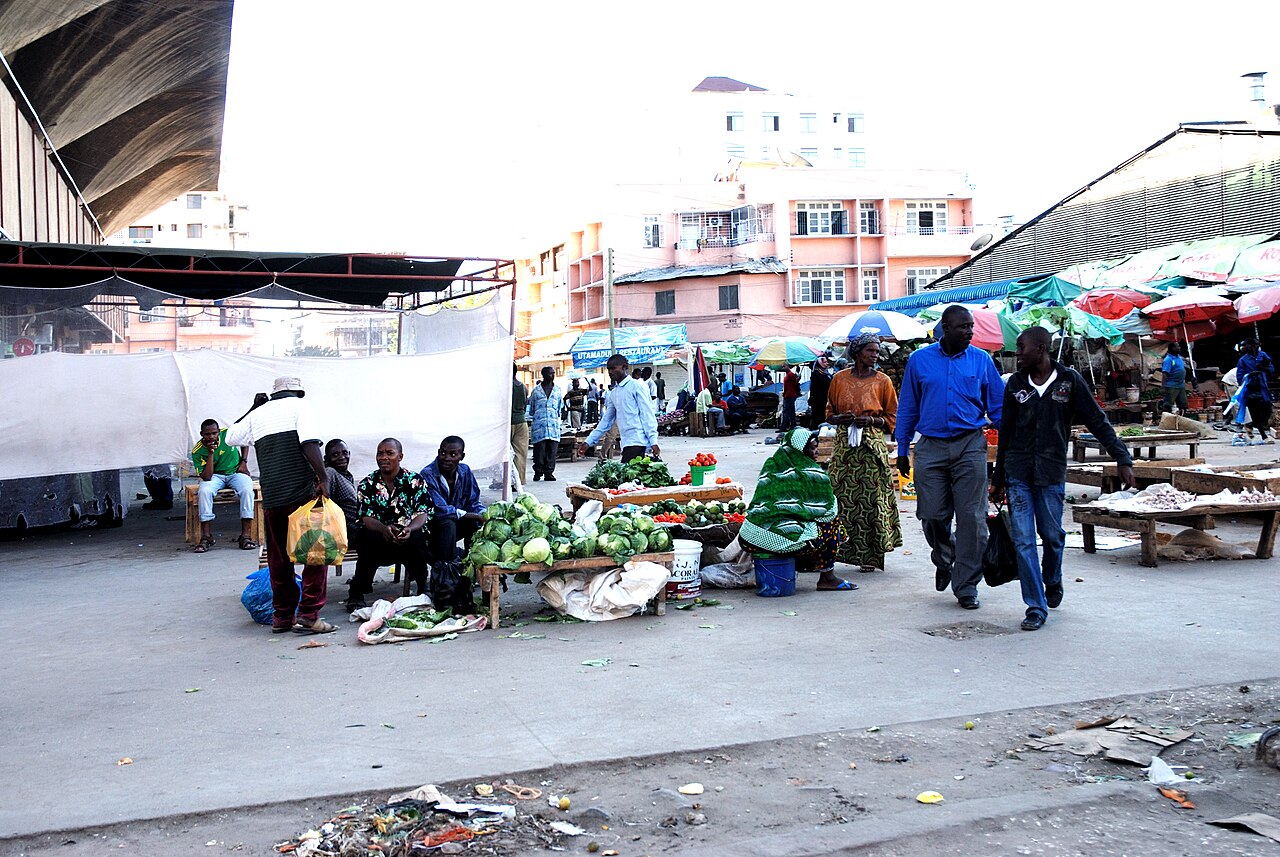
The cultural mix is part of the story. Look for the mosques and Hindu temples that show the long-standing Indian and Arab presence, the Catholic and Lutheran churches left by European missionaries, and the markets where Swahili is the common language. A good guide connects these to the broader history of the Indian Ocean trade, from dhows carrying cloves and ivory to the railway that brought goods to the coast.
Practical tips make the walk comfortable. Start early or late in the day to avoid peak heat, wear a hat and comfortable shoes, carry water, and dress modestly if you intend to enter places of worship. Keep your phone secure in crowded sections and ask before photographing people. Tours are usually small groups, and you can often add a stop for coffee or a snack.
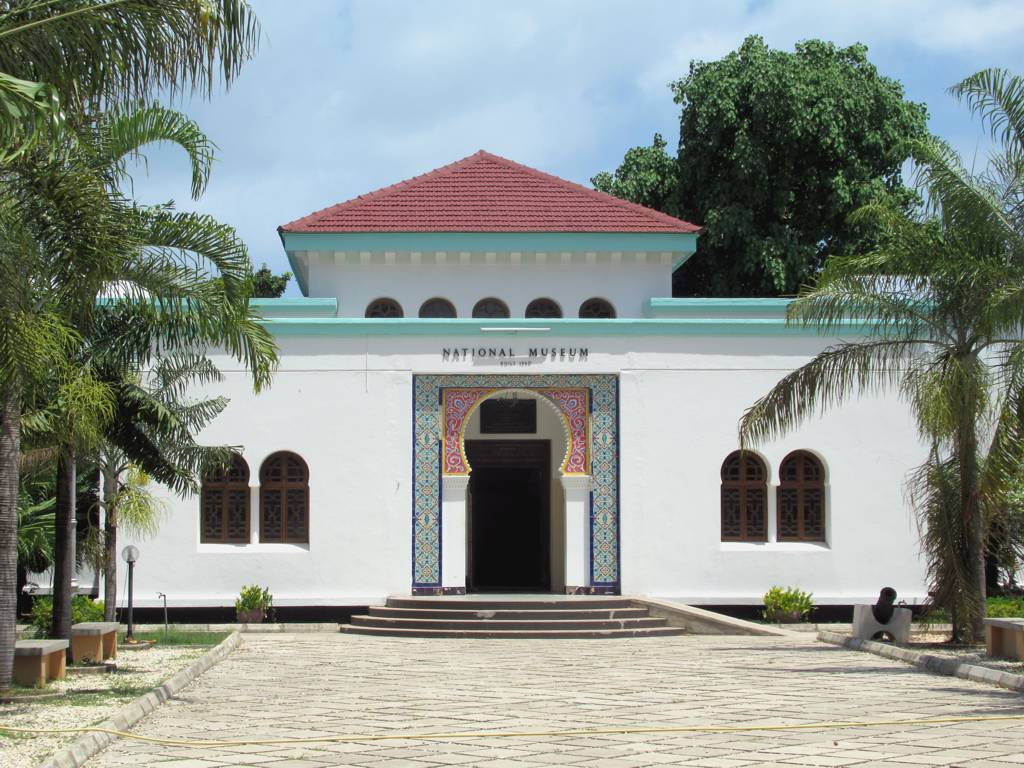
The old town pairs naturally with other central sights. After the walk, you can continue to the National Museum, the Botanical Gardens or a food tour, and if you are staying nearby you can come back at your own pace to the places that caught your eye. For visitors who prefer history on foot to a long drive, this is one of the most efficient and enjoyable ways to learn how Dar es Salaam became what it is today.
Come with questions, because a good guide enjoys answering them. Ask about the origin of street names, the history of the Indian and Arab communities, the story of the harbour and what daily life was like under German and British administrations. Look up as well as ahead, because many facades hold details at first-floor level, from balconies and decorative plaster to faded shop signs.
If the walk includes a mosque or temple, follow the guide on dress and shoes, and do not enter prayer areas without permission. Finish with a cold drink at a local cafe, and use your notes to decide which sights to revisit in the following days.
What to expect
The experience
A guided small-group walk through the old centre, covering the harbour front, colonial buildings, places of worship and markets, with historical commentary.
Best time
Early morning or late afternoon, when it is cooler and the light is good for photographs.
How long
Two to three hours.
Tips
Wear a hat and comfortable shoes, carry water and dress modestly for visiting mosques or churches.
Quick picks
- Best for
- History and architecture lovers, first-time visitors and anyone who likes to explore on foot.
- Families
- Suitable for children who can walk for a couple of hours. Take breaks for water and shade.
- Couples
- A relaxed, informative way to start a stay, with plenty of photo stops and cafes for a break.
- Pair with
- The National Museum, the Kivukoni waterfront and an old town food tour.
- Time needed
- Allow 2 to 3 hours.
Good questions
What will I see on the old town walk?+
Typical stops include the harbour front, colonial-era buildings, a cathedral, a mosque and local markets, with commentary on the city's history.
Is the walk difficult?+
No. It is mostly flat and runs at an easy pace, but the heat and humidity can make it tiring, so bring water.
What should I wear?+
Light, modest clothing that covers shoulders and knees, comfortable shoes and sun protection.
Where does it start?+
Most old town tours start near the waterfront or a central landmark, and your operator will confirm the meeting point.
Can I combine it with other activities?+
Yes. It fits well before a visit to the National Museum, a food tour or a ferry ride across the harbour.