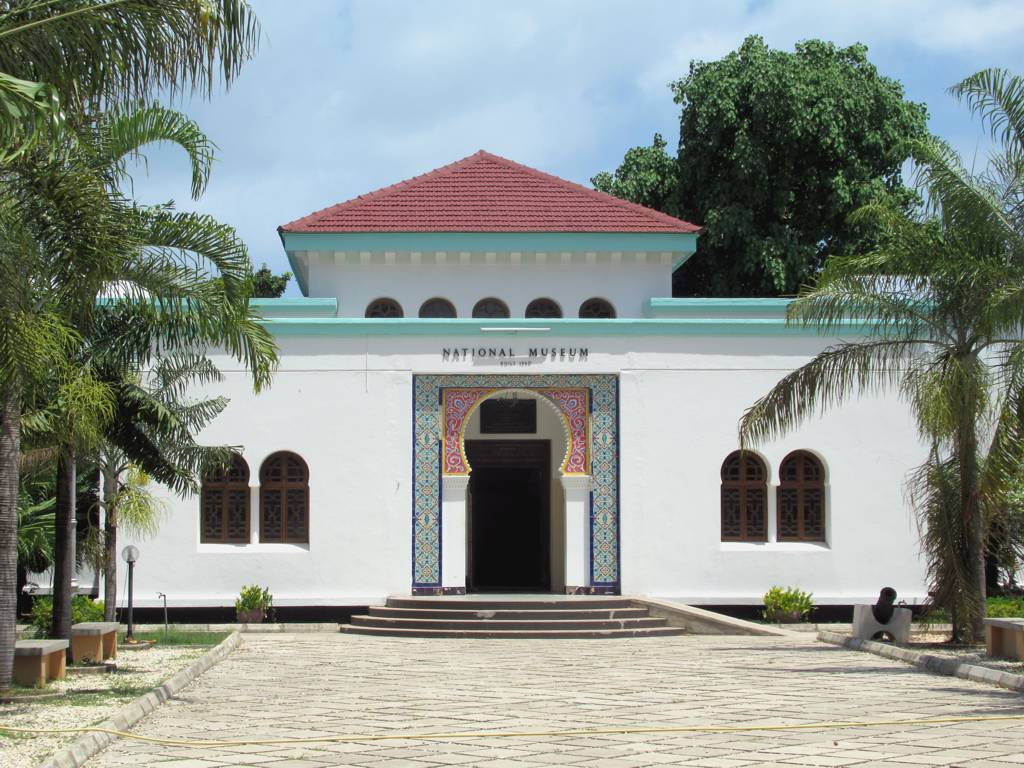
The National Museum and House of Culture sits in the middle of Dar es Salaam, not far from the Botanical Gardens and the harbour, and it is the best single place to get the long story of Tanzania in one go. The collections reach from deep time, with displays on early hominid discoveries made in the Rift Valley, through the Swahili coast and the trading networks of the Indian Ocean, to the German and British colonial periods, the Maji Maji resistance and the road to independence. It is an older, traditional museum rather than a high-tech one, and that is part of its appeal. Objects are shown with labels and context rather than screens, and the building itself has the look of a mid-century institution that has been quietly doing its job for decades. For visitors planning safaris or time on the coast, it gives a backbone of history that makes the rest of the trip make more sense.
Plan around the themes rather than trying to read everything. The early human gallery draws on the fossil discoveries made in northern Tanzania, which have helped shape the global story of human origins, and it is a good primer if you are heading to Olduvai or the Ngorongoro area on a later safari. The coastal and trade sections explain how Swahili towns, Arab and Persian traders, and caravans carrying ivory and enslaved people shaped the region, which prepares you for a visit to Bagamoyo.
The colonial and independence displays cover German East Africa, the First World War campaign in the region, British administration and the political movement that led to independence in 1961 and union with Zanzibar in 1964. Leaders such as Julius Nyerere appear throughout, and you will notice how much of the modern national identity, including the widespread use of Swahili as a common language, comes from that period. Allow time for the cultural and ethnographic displays, which show instruments, carvings, costumes and household objects from many ethnic groups.
Practicalities are simple. The museum is open most days with a modest entry fee, hours can change, and the interior can be warm, so go early and bring water. Guided tours of the city commonly include it, which is why the link here uses a city culture tour that covers the museum area, and a guide can add a lot to the exhibits. If you go on your own, a ride-hailing car from most central hotels takes only minutes outside rush hour.
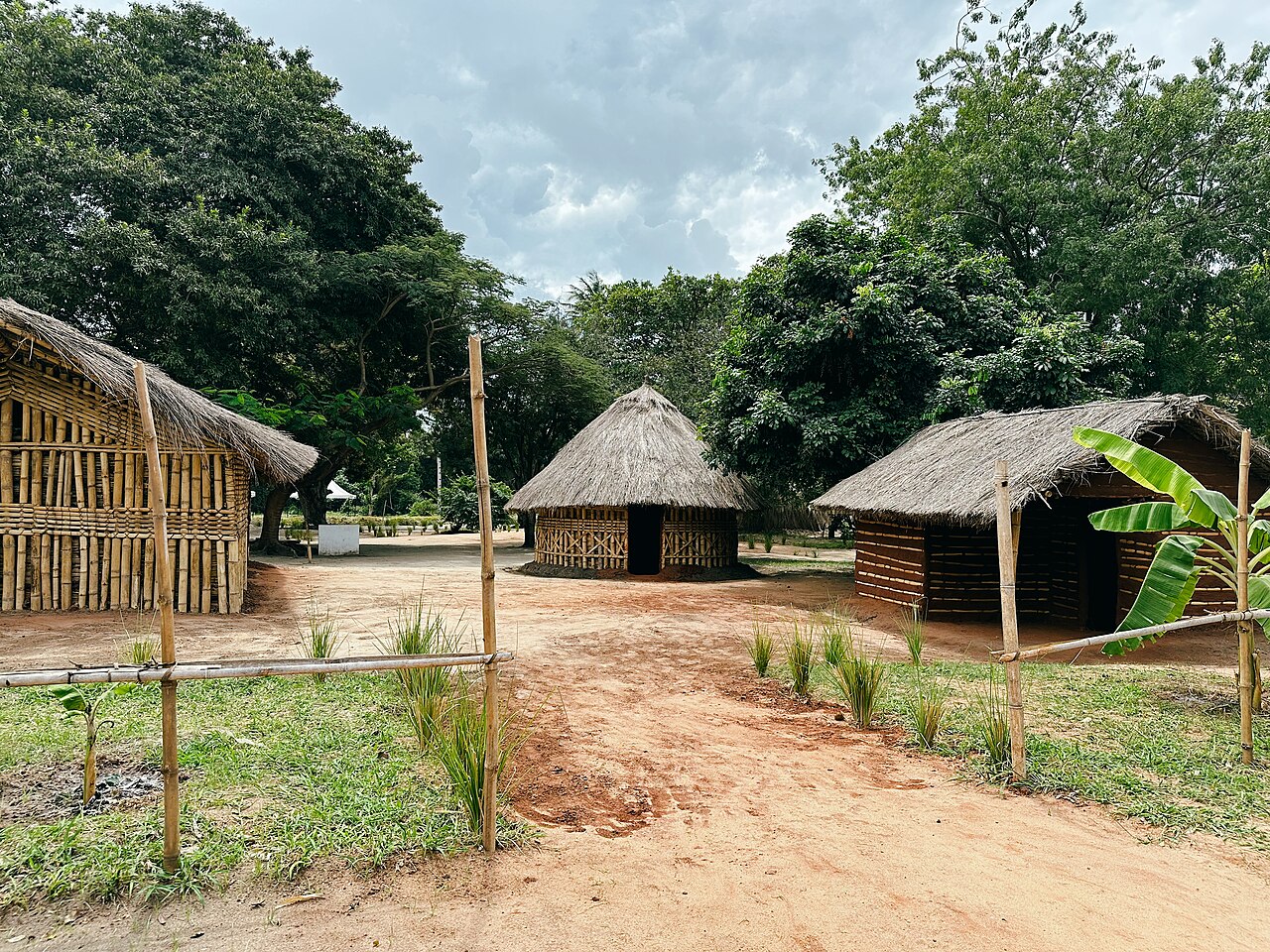
Pair it with the Botanical Gardens next door for a shaded walk, with the cathedrals and the Askari Monument in the old centre, and with the Village Museum for the cultural side of the story. Together they make a satisfying half-day of history in a city that many visitors treat only as a gateway.
A few small habits make the visit better. Read the introductory panels first, because they set out the timeline that organises the rest. Look at how different galleries present the same events, such as the coastal trade and the colonial period, since the emphasis shifts and tells you something about how the country sees its own past.
If you are travelling to the north or south on safari later, note the sites mentioned and the animals and landscapes shown in older displays. Ask staff whether a particular gallery is closed, because sections are sometimes rearranged, and keep your receipt if you plan to visit the neighbouring gardens on the same day.
What to expect
The experience
A self-guided walk through traditional galleries on prehistory, coastal trade, colonial history and independence, or a guided stop on a city culture tour.
Best time
Go in the morning when it is cooler and quieter. Weekdays are generally calmer than weekends.
How long
One to two hours.
Tips
Bring water and small bills for entry. Ask a guide or staff member for context, because labels can be brief.
Quick picks
- Best for
- History lovers, first-time visitors and anyone preparing for a safari or a trip to Bagamoyo.
- Families
- Older children enjoy the fossil and cultural displays. Younger ones may tire quickly, so keep the visit short.
- Couples
- A calm, air-light break from the heat that pairs well with a walk through the Botanical Gardens.
- Pair with
- The Botanical Gardens, the Askari Monument and a lunch in the old centre.
- Time needed
- Allow 1 to 2 hours.
Good questions
Why is the National Museum worth visiting?+
It gives a clear overview of Tanzanian history, from early human fossils and Swahili coast trade to colonial rule and independence, in one central building.
How long does a visit take?+
Most people spend one to two hours. History enthusiasts can easily stay longer.
Is there an entry fee?+
Yes, a modest fee applies, and opening hours can change, so check locally before you go.
Is a guide necessary?+
No, but a guide adds context to brief labels. Many city tours include the museum as one stop.
How do I get there?+
It is in central Dar es Salaam, a short ride from most city hotels by taxi, ride-hailing or tuk-tuk.