Darwin has a tropical climate with two main seasons, and the difference between them is dramatic. Choosing when to go shapes your trip more than almost any other decision, so it pays to understand what each season offers. The short answer is that the dry season, from about May to October, is best for most visitors, but the wet season has real attractions of its own.
The dry season, May to October
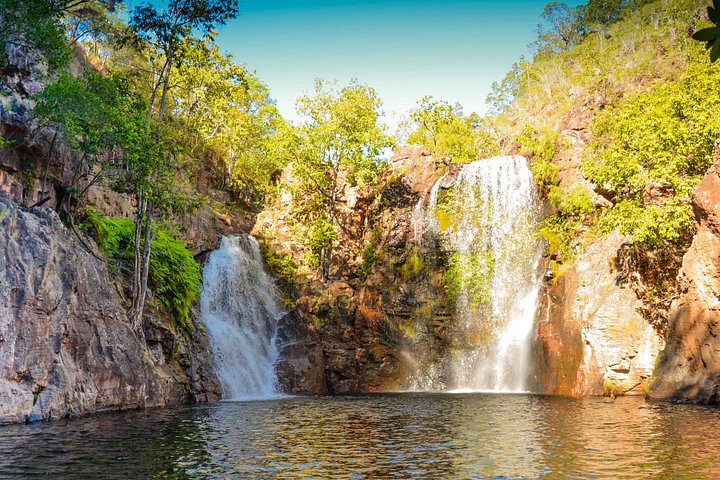
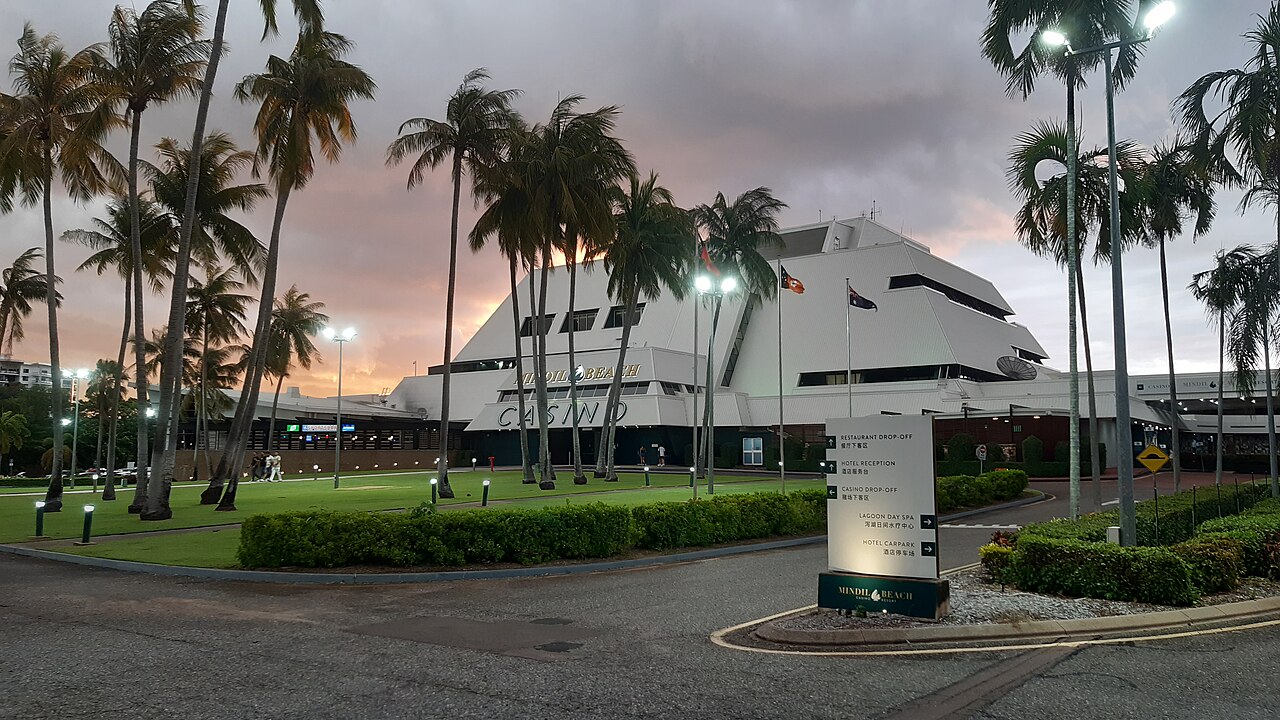
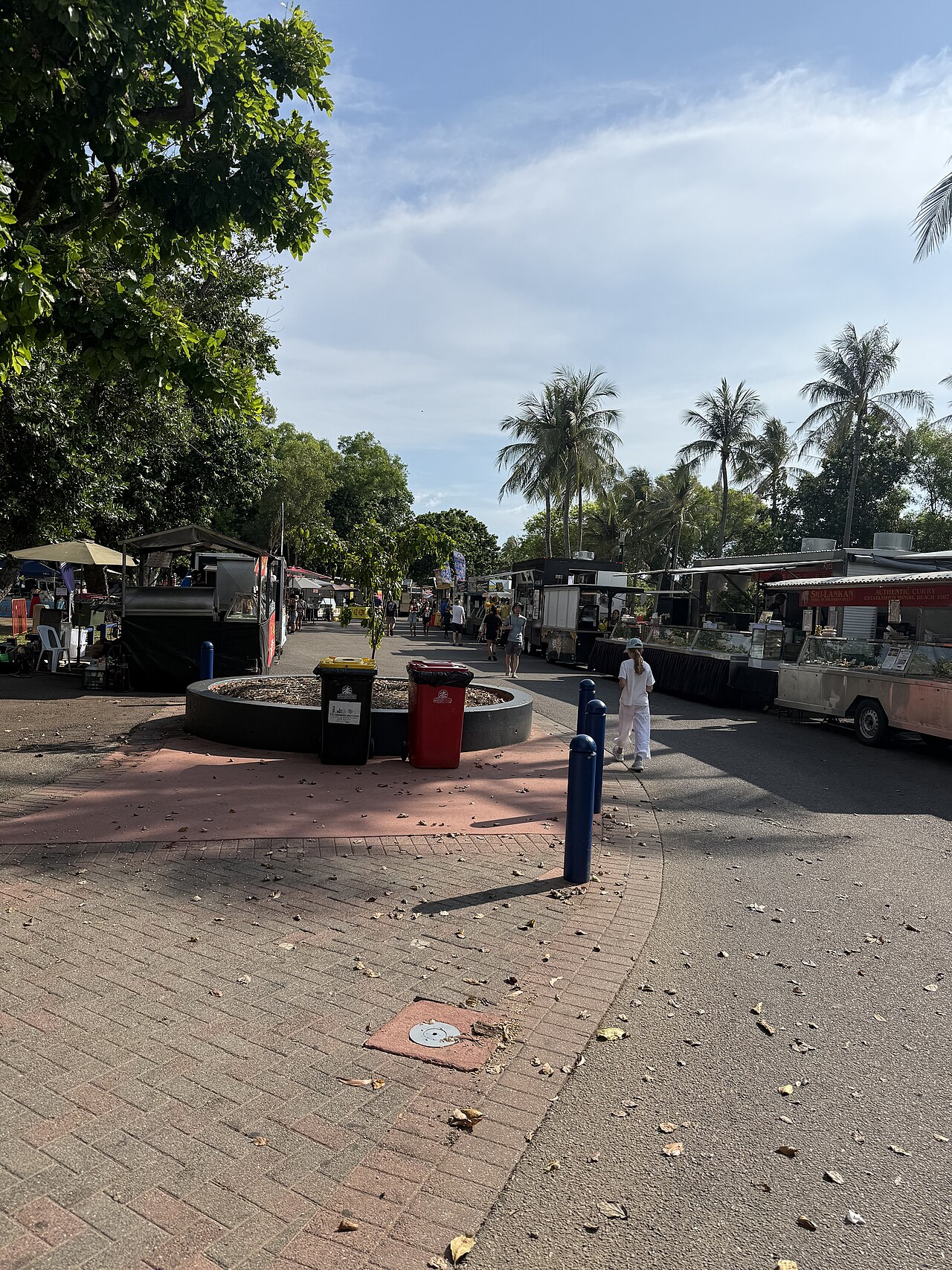
This is the Top End at its most comfortable. Days are sunny and warm, with temperatures in the low 30s Celsius and low humidity, and nights are pleasantly mild. Rain is rare. Roads are open, national parks are accessible and the sunset markets run on Thursday and Sunday evenings at Mindil Beach. Tour operators run their full schedules, from Kakadu and Litchfield to jumping crocodile cruises and Katherine Gorge. Swimming holes such as Wangi and Florence Falls are open, and 4WD tracks reach Jim Jim and Twin Falls. The downside is popularity: July and August are peak months, with higher prices and fuller tours, so book early. Smoke from controlled burns can add haze to the sky, and the grass is dry and golden.
The build-up, October to November
Before the rains, heat and humidity climb, and the sky builds towers of cloud. Temperatures can feel oppressive, but the build-up has its own drama, with spectacular lightning and sunsets. Fewer visitors are around, prices drop and the days are best spent near air-conditioning or water. It is a good time for photographers who love storms, and for those who do not mind sweating. Some cruises and tours continue, but check availability.
The wet season, November to April
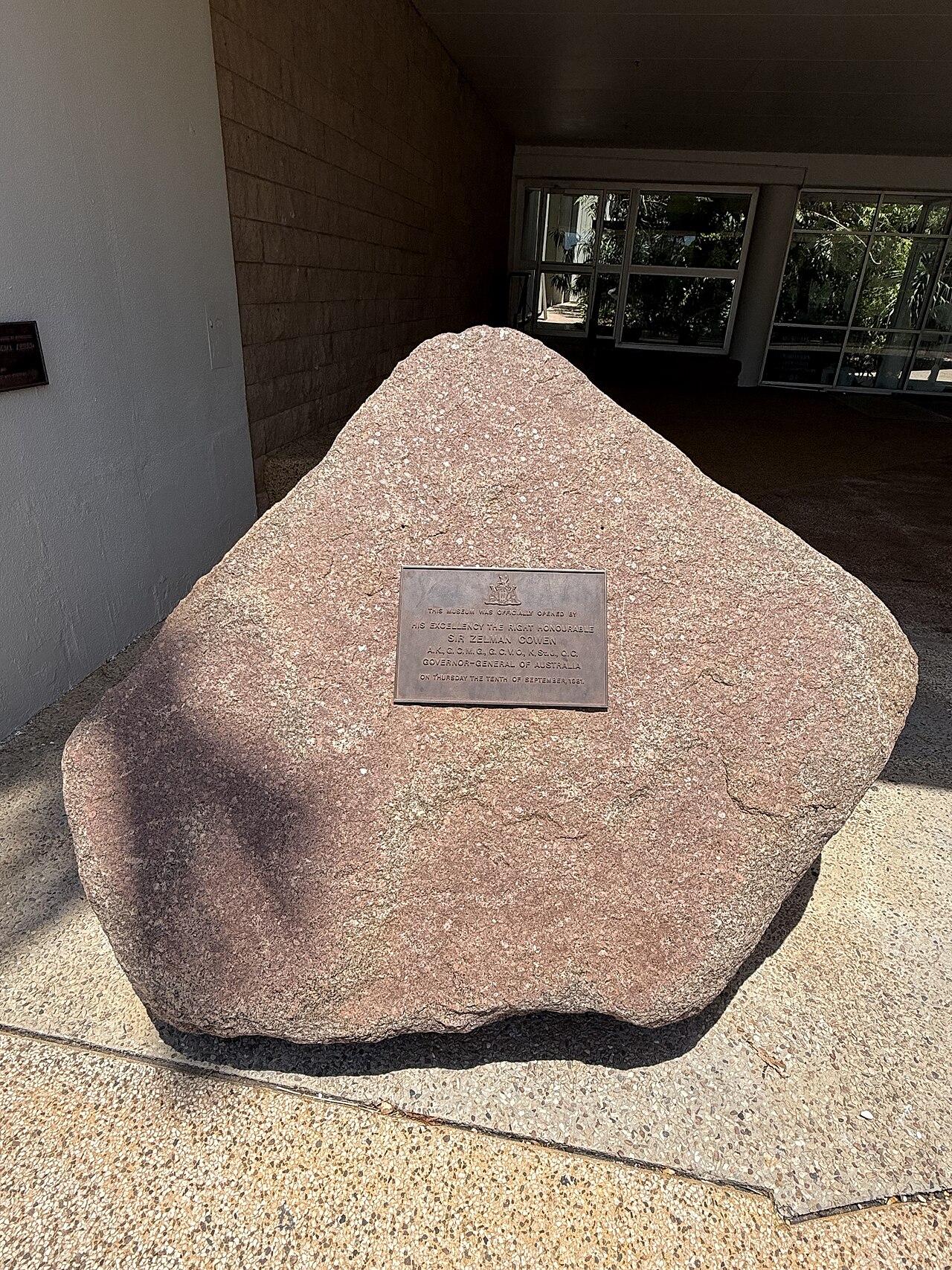
Monsoon rains bring daily storms, often in the afternoon, and the landscape turns lush and green. Waterfalls roar, floodplains spread across the land and birds nest in huge numbers. It is hot and humid, with temperatures in the low 30s and high humidity, so plan activity in the morning and rest in the afternoon. Some roads and sites close, including parts of Kakadu and Litchfield, and swimming holes can be unsafe due to strong currents or crocodiles. Tours may be rescheduled, and marine stingers appear in the sea, so beach swimming is not advised. In return, you find fewer crowds, lower prices and a very different, dramatic landscape. The wet is excellent for storm watching, birdwatching and visiting museums and indoor attractions.
Choosing by interest
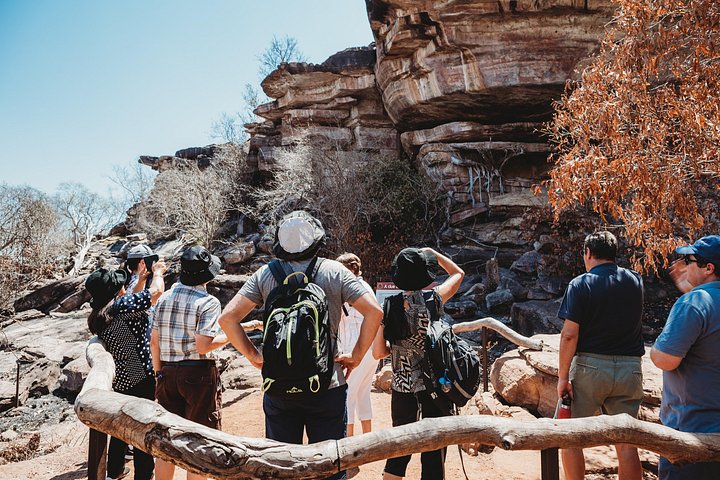
Wildlife lovers might prefer the late dry season, from August to October, when crocodiles and birds crowd around shrinking waterholes. Waterfall chasers should come early in the dry season, from May to July, when falls still flow and tracks are open. Culture seekers can visit year-round, though the dry season makes it easier to reach rock art and communities. Photographers may prefer the wet or the build-up for dramatic skies. Families usually do best in the cooler months, from June to August, when children cope better with the climate.
What it costs
Prices peak in the dry season, particularly in July and August, so book flights, accommodation and tours well ahead. In the wet, hotels and some tours offer lower rates, but there is less choice. Self-drive hire cars can be cheaper, though check road conditions and insurance. If you are on a budget and flexible, consider shoulder months such as May, September or October.
Health and safety
In any season, drink plenty of water, wear sun protection and a hat, and use repellent. Never swim where signs warn of crocodiles or stingers. In the wet season, take extra care near rivers and creeks, which can rise quickly, and follow road closure notices. Carry a basic first aid kit and know where the nearest services are when travelling in remote areas.
Packing
Light, breathable clothing, a rain jacket for the wet, sturdy walking shoes, swimwear, binoculars and a camera are the essentials. In the dry season, bring a light layer for cool evenings and air-conditioned vehicles. A reusable water bottle and a small dry bag are useful in every season.
Our pick
If you can choose, aim for late May, June or September. You will find reliable weather, open roads, fewer crowds than peak July and good prices. If you can only travel in the wet, embrace it, build indoor stops into your plan and enjoy the green, dramatic and quiet side of the Top End.