Darwin is closer to Jakarta than to Sydney, and its food reflects that. Waves of migration from Southeast Asia, Greece, Italy and China, combined with a fishing tradition and Aboriginal bush foods, have created a multicultural table that surprises many visitors. Eating well in Darwin does not require a big budget, but it helps to know where to look and when.
Start at the markets
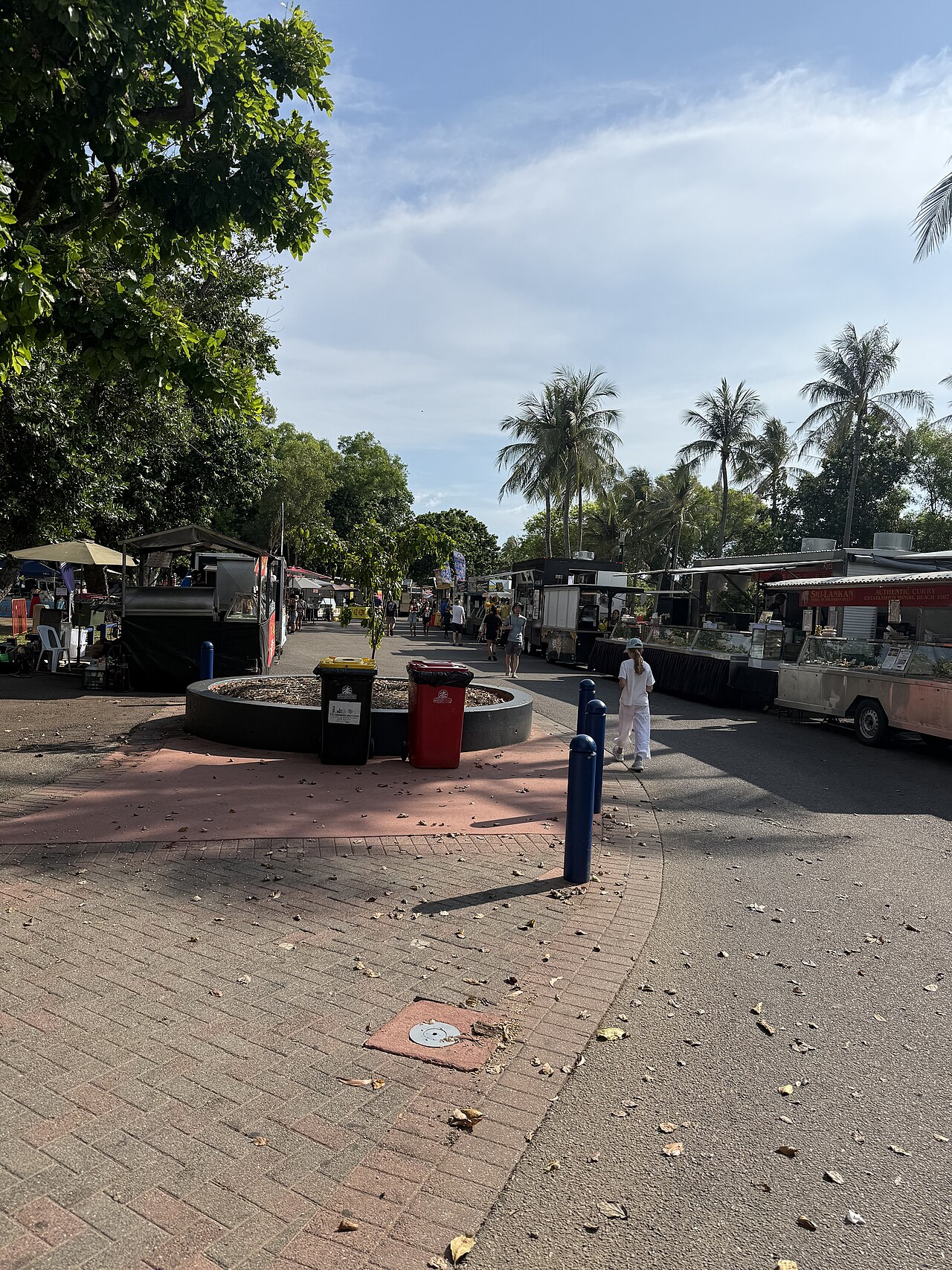
Mindil Beach Sunset Market, on Thursdays and Sundays in the dry season, is the city's great communal meal. Hundreds of stalls sell Thai, Malay, Sri Lankan, Indonesian, Greek and Portuguese food, along with grilled seafood and fresh coconuts. Arrive by four in the afternoon, walk the whole market once before buying and then settle on the sand with your haul. The Parap Village Market, held on Saturday mornings, is the favourite of locals, with stalls selling laksa, Thai papaya salad, fresh fruit, juices and baked goods. Locals queue for a laksa breakfast, and it is easy to see why. The Rapid Creek market on Sundays is another good option for tropical produce and Asian snacks.
Barramundi and Top End seafood
Barramundi is the signature fish of the north, with a delicate flavour and a firm, flaky texture. You will find it grilled, battered or pan-fried on menus throughout the city, and it pairs well with lime and chilli. Mud crab is another local specialty, sold fresh in season and cooked with chilli, ginger or pepper. Prawns, oysters and reef fish round out the seafood. For a casual meal, try fish and chips on the waterfront; for something special, book a seafood restaurant at the Waterfront or the Esplanade and ask what is fresh.
Laksa and Asian flavours
Darwin laksa is a creamy, spicy noodle soup that is a point of local pride. It is often served with prawns, tofu and bean sprouts, and a strong chilli kick. Thai restaurants are numerous and excellent, as are Vietnamese, Indonesian and Chinese places. Many are family-run and offer generous portions at fair prices. If you enjoy street food, the stalls at Stokes Hill Wharf serve a range of casual dishes in a harbour setting.
Bush foods and Aboriginal cuisine
A growing number of cafes and tours feature native ingredients such as Kakadu plum, wattleseed, bush tomato, finger lime and lemon myrtle. Some restaurants incorporate them into sauces, desserts and drinks. A food and art tour that combines tastings with a visit to Aboriginal art can be a memorable way to learn about local flavours. Ask staff about native ingredients and their sources, and choose businesses that work with Aboriginal communities and suppliers.
Drinks and sunsets
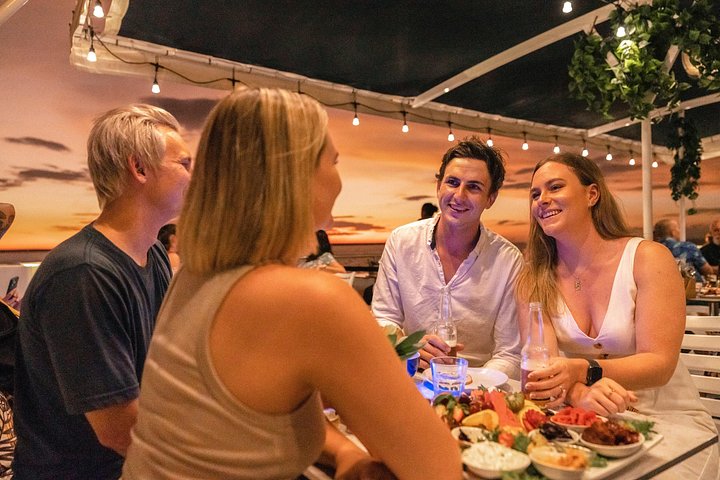
Darwin has a strong drinking culture, with a tradition of cold beer on the verandah. Try local brews at a waterfront bar, and order a cocktail with tropical fruit. The Deckchair Cinema, when running in the dry season, offers films under the stars with food and drinks. Sunset spots such as the Waterfront, the Esplanade and Mindil Beach are all good for a sundowner. Remember that alcohol is restricted in some remote communities and in parts of Arnhem Land, so follow local rules.
Budget and tips
Food prices in Darwin are higher than in many Australian cities because of freight, but markets and Asian eateries offer good value. Carry cash for market stalls, though many take cards. Tap water is safe, and filling a bottle saves money in the heat. For tours, packed lunches are often included. If you are self-catering, supermarkets in the centre stock a wide range of produce, and apartment hotels with kitchens make it easy to save.
Eating on tour days
Long days to Kakadu or Litchfield often include lunch, but check what is provided and bring snacks. Remote lodges have limited menus and shorter hours, so plan ahead for dinner. If you have dietary restrictions, tell the operator when you book.
A simple plan
Start with a laksa at Parap on Saturday, share a dinner of barramundi at the Waterfront, spend an evening grazing at Mindil and finish with a sundowner on the Esplanade. That sequence covers most of what makes eating in Darwin special: variety, freshness and a setting you will remember. Leave room for a mango smoothie or fresh coconut between courses, because the tropical fruit here is excellent and cheap at the markets.