Darwin rewards a plan. The city itself is compact and easy, but the best experiences sit one to three hours outside it, and the weather, the tide and the market calendar all shape what works on which day. Three days is enough to see the highlights if you order them sensibly: one day for the city, one for wetlands and crocodiles, and one for a long day in a national park.
Before you arrive
Decide when you are travelling. The dry season, from May to October, is the easy one, with sunshine, low humidity and the sunset markets running. The wet season, from November to April, is hotter, greener and dramatic, with storms most afternoons, and some park sites close. Book the long park day and any cruise first, because small-group tours fill early in the dry season, then fit everything else around them. Base yourself in the city centre or at the Waterfront so tour pickups are easy.
Day one: the city, the water and a sunset
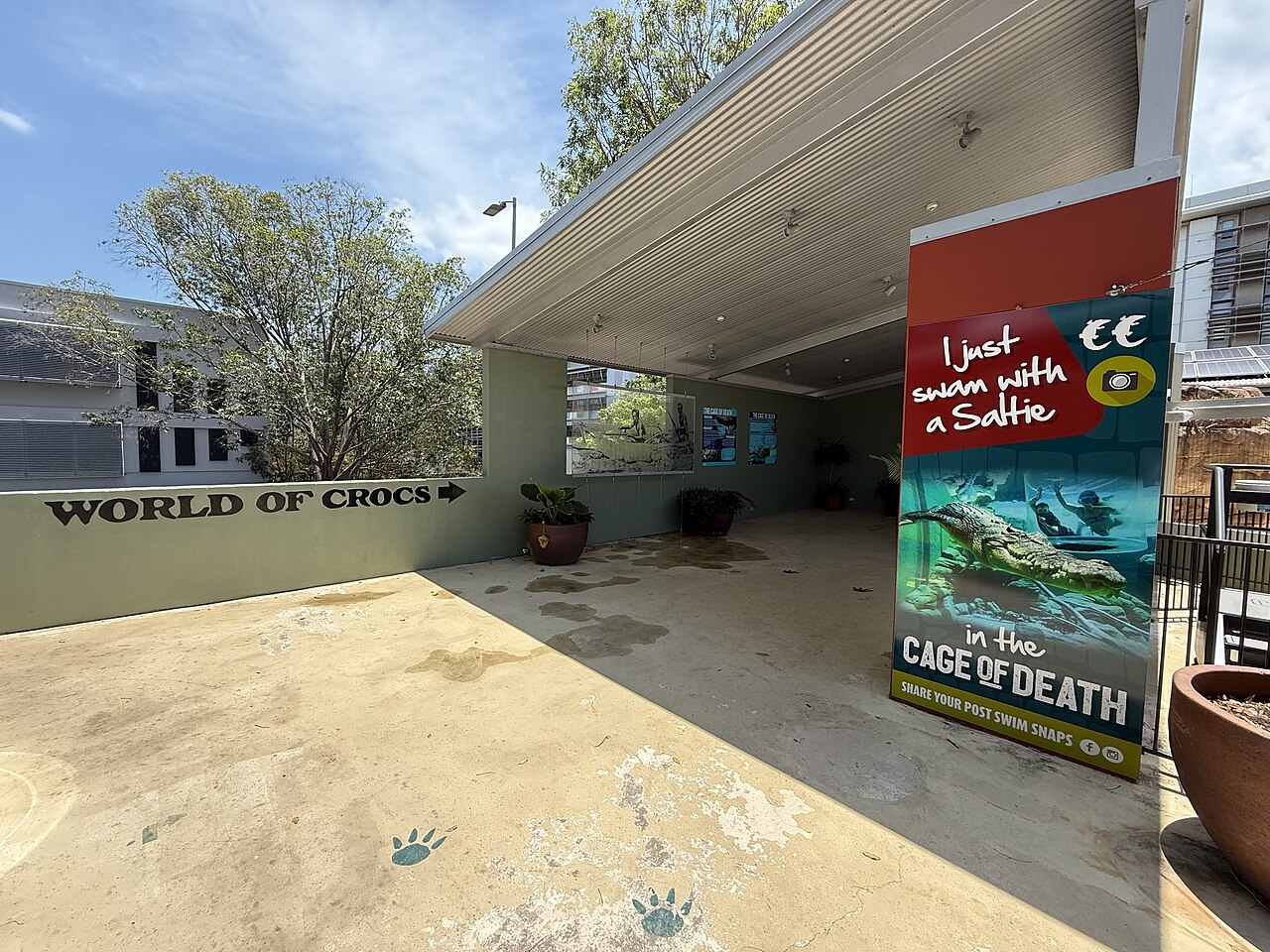
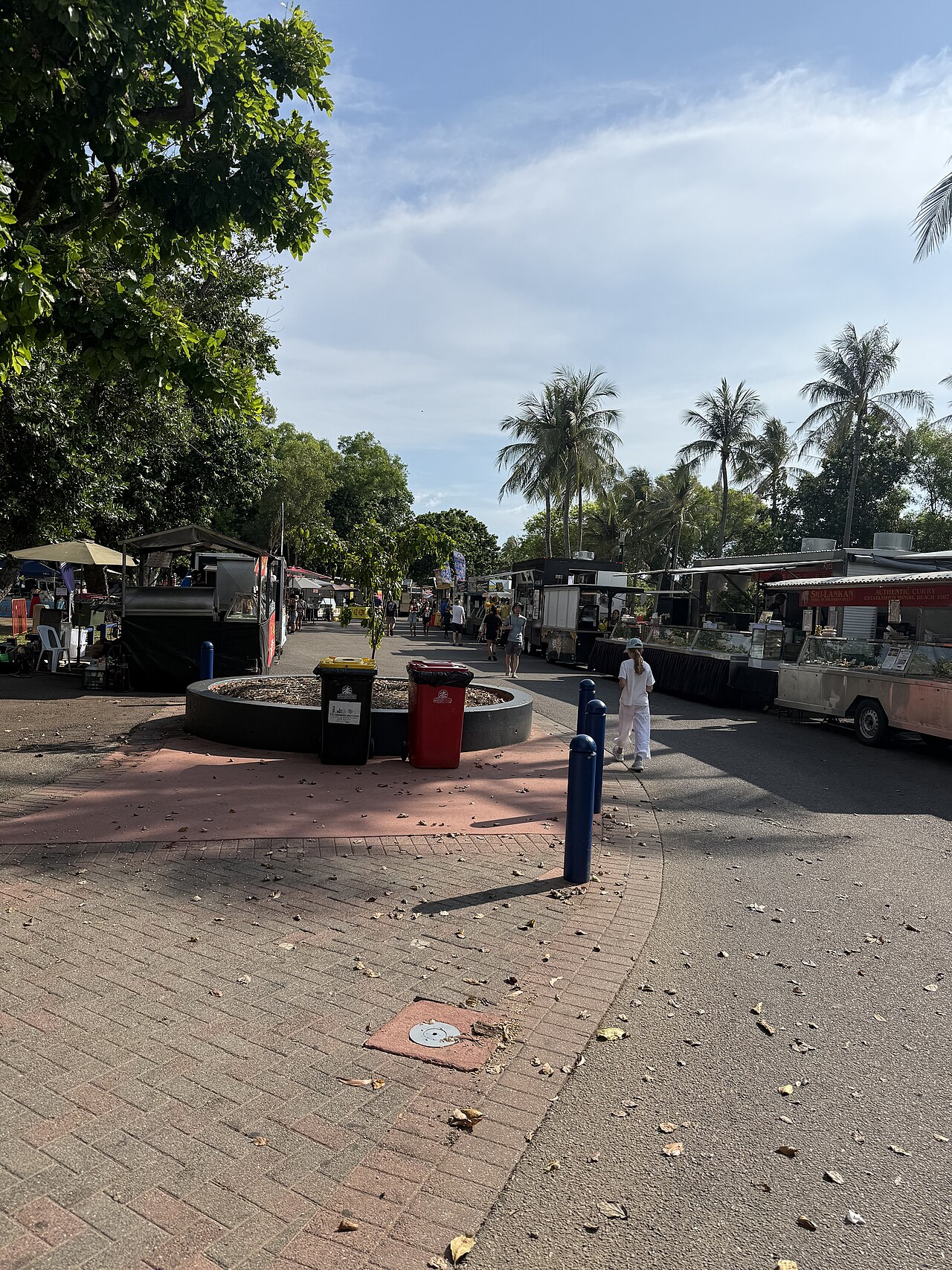
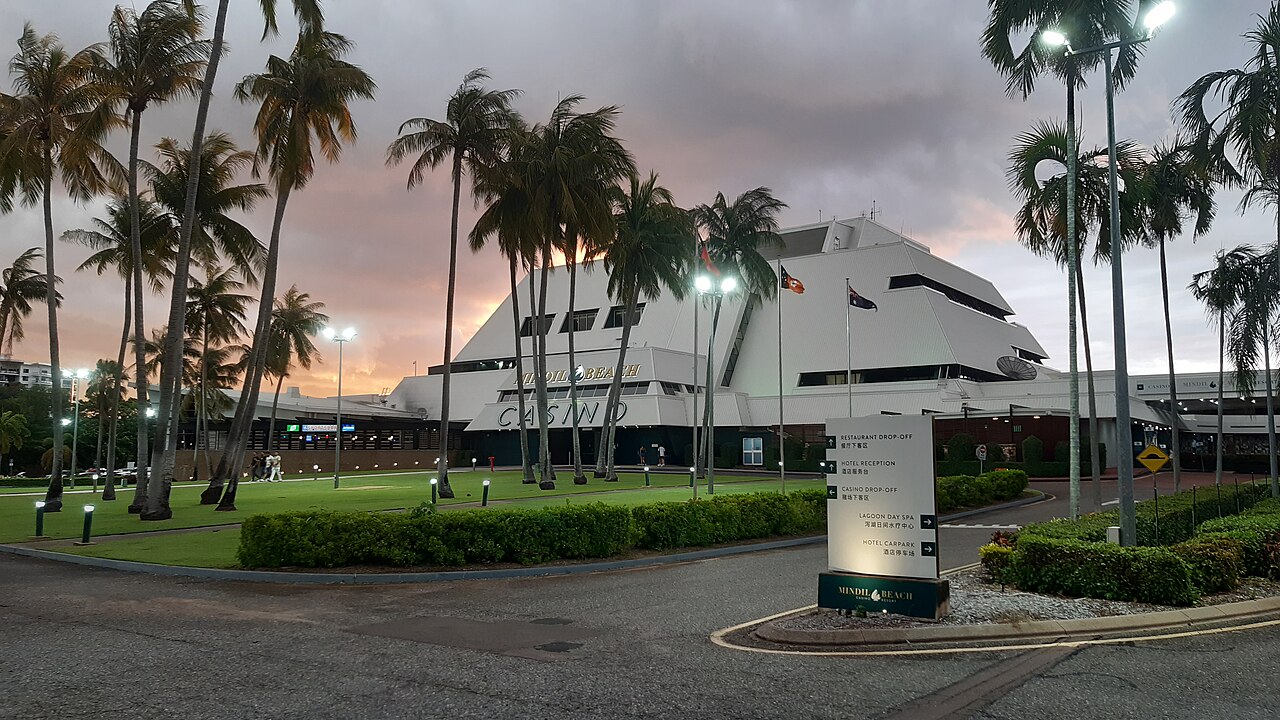
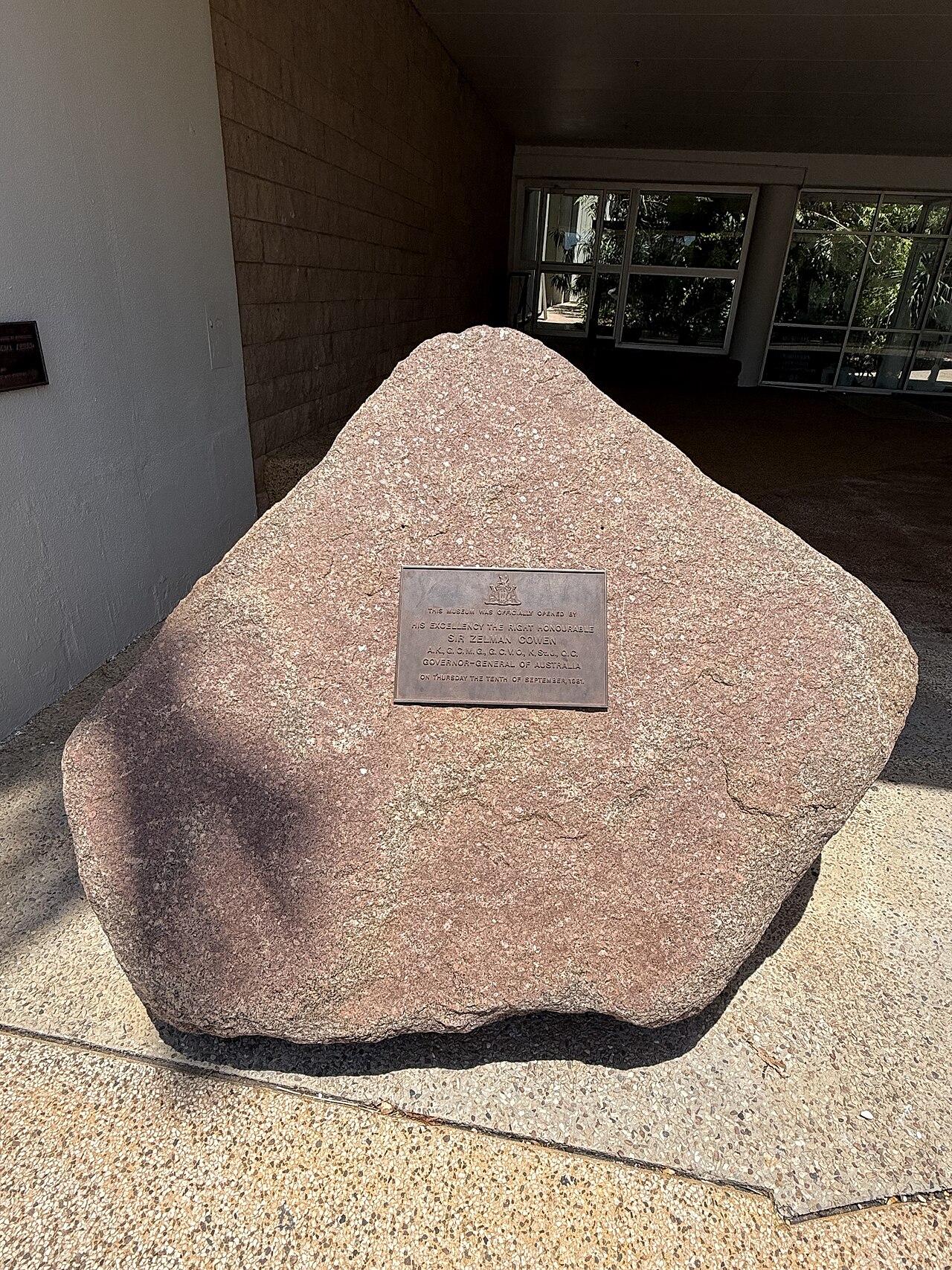
Start at the Museum and Art Gallery of the Northern Territory, which is free, air-conditioned and the best introduction to Aboriginal art, Cyclone Tracy and the wildlife of the Top End. Meet Sweetheart the crocodile, then walk through the Cyclone Tracy room, which is quietly powerful. After lunch, head into the centre for Crocosaurus Cove, where you can watch feedings, hold a baby crocodile and, if you are brave, try the Cage of Death. Finish the day at Mindil Beach. On market evenings, which run on Thursdays and Sundays in the dry season, arrive by four, collect dinner from the stalls and watch the sun set into the Arafura Sea. On other evenings, take a harbour sunset cruise instead. If you want one extra stop, Aquascene at Doctors Gully is a fun, low-cost feeding session timed to the tide.
Day two: wetlands and jumping crocodiles
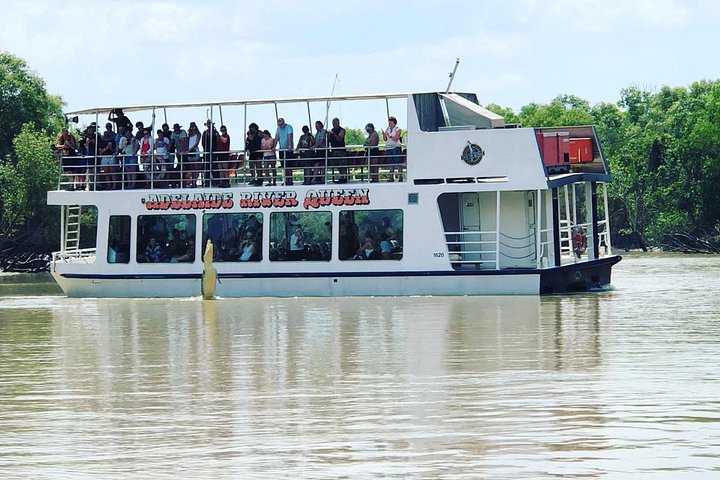
Head east along the Arnhem Highway in the morning. Fogg Dam and the Mary River wetlands are a great introduction to Top End birdlife, and a cruise on Corroboree Billabong gives you the floodplain from the water, with saltwater crocodiles and flocks of whistling ducks and magpie geese. In the afternoon, join a jumping crocodile cruise on the Adelaide River, where huge wild crocodiles launch themselves out of the water after bait. It is loud, dramatic and a highlight for adults and children alike. Return to Darwin in time for dinner, or stay out for a sunset at the billabong if your tour offers it. This day works well as a self-drive, but a small-group tour with transfers is relaxing, and you can enjoy a drink with dinner.
Day three: Kakadu or Litchfield
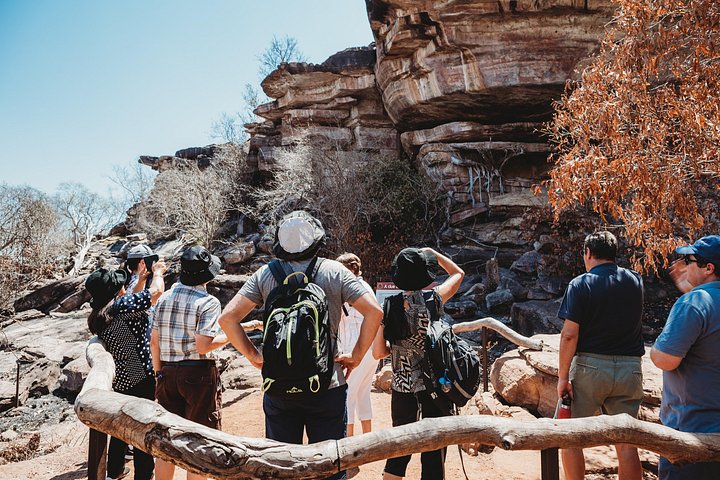
For the third day, you need to choose. Kakadu is the grand option: a long day of about twelve to fourteen hours, with a rock art gallery, a cultural centre, a wetland and a lookout. Litchfield is easier, with waterfalls and swimming holes within two hours of the city, and it suits families, anyone who dislikes long drives and anyone who wants a swim. If you choose Kakadu, wear closed shoes and a hat, carry water and keep out of the water unless a guide says otherwise. If you choose Litchfield, bring swimwear, a towel and water shoes, and enjoy the plunge pools at Florence Falls, Buley Rockhole and Wangi Falls when they are open. Either way, you will return tired and happy.
Swapping things in and out
History lovers can replace a morning with the Bombing of Darwin heritage tour, which covers the 1942 raids and the wartime sites around the harbour. Culture seekers might swap the Litchfield day for the Arnhem Land day tour or the Tiwi Islands trip, both of which bring you into direct contact with Aboriginal art and communities. If you have a fourth day, add a Yellow Water cruise at sunrise or sunset, which is one of the most beautiful experiences in the Top End. With a fifth day, extend to Nitmiluk and Katherine Gorge.
Practical rules
Respect the heat by scheduling activity early and late, with indoor stops in the middle of the day. Drink more water than you think you need. Never swim in rivers, billabongs or beaches unless signs say it is safe, because crocodiles and marine stingers are real. Carry insect repellent, because mosquitoes and March flies can be fierce. Book popular tours ahead, especially in July and August, and keep a flexible plan for the wet season, when storms can cause cancellations. Finally, leave time to simply sit by the harbour or on Mindil Beach and watch the colour fill the sky, which is what many people remember best.