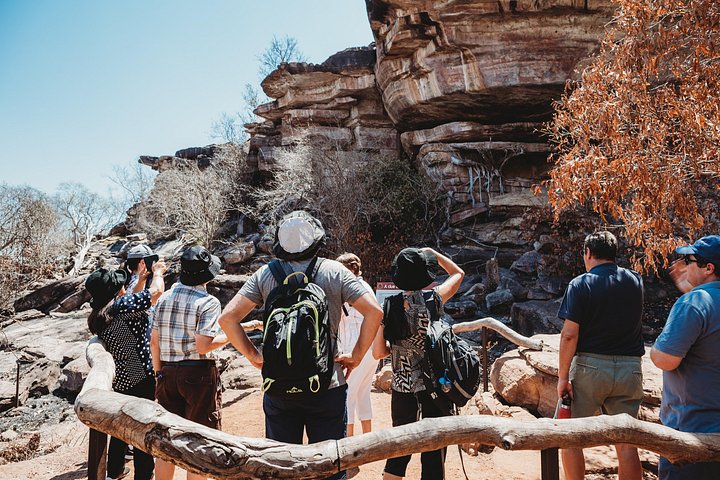
Kakadu is Australia's largest national park and one of its great World Heritage areas, listed for both natural and cultural values. It covers close to 20,000 square kilometres of floodplain, savanna, escarpment and tidal river, and it holds one of the longest records of human occupation on earth. It is jointly managed by its Aboriginal Traditional Owners and the national parks service. The scale surprises many visitors, so planning matters. This guide helps you choose how long to stay, what to see and how to travel.
Understanding the seasons
Darwin has two seasons in popular language, but Kakadu's Traditional Owners recognise six, from the build-up storms to the cool dry nights. For visitors, the practical split is the dry season, roughly May to October, and the wet season, from November to April. In the dry, roads and tracks are open, the weather is warm and sunny and the floodplains slowly shrink, which concentrates birds and crocodiles. In the wet, rain turns the park green and waterfalls thunder, but many roads close and some sites are inaccessible. Visit in the dry for the widest choice, or in the wet if you want drama and fewer crowds and accept limits.
Choosing your format
A day trip from Darwin is the minimum. It usually includes a wetland, a rock art gallery, a cultural centre and a lookout, and it takes twelve to fourteen hours. An overnight at Cooinda or Jabiru is far better. It lets you take a sunrise Yellow Water cruise, spend more time at the rock art and avoid driving long stretches in the dark. Multi-day 4WD tours, which can run three to five days, reach waterfalls such as Jim Jim and Twin Falls in the dry season and add campfires and swimming holes. A private tour offers flexibility at higher cost. Self-drive is straightforward with a normal car on the main sealed roads, but you will need a 4WD for some tracks.
What to see
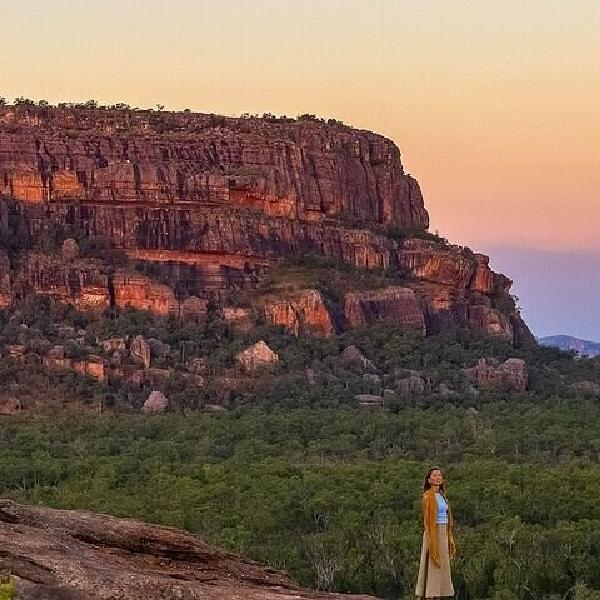
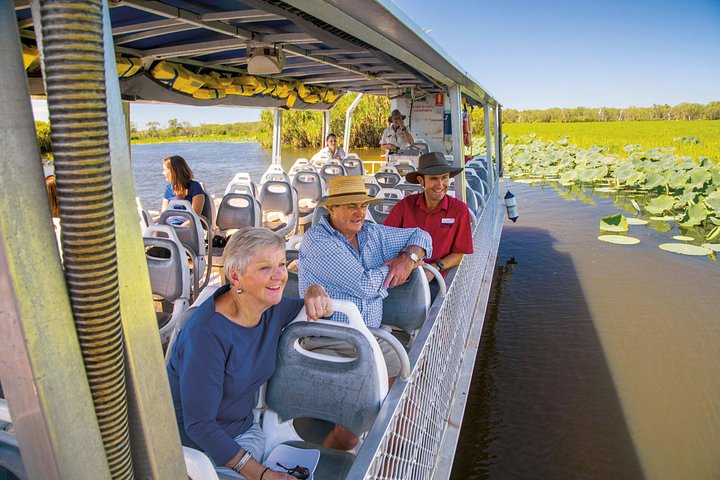
Yellow Water is the wildlife highlight: a floodplain cruise past crocodiles, jabirus, sea eagles and lily pads, best at dawn or dusk. Nourlangie and Ubirr are the best-known rock art sites, with painted shelters, X-ray style figures and, at Ubirr, a sunset lookout over the Nadab floodplain. The Warradjan Aboriginal Cultural Centre near Cooinda explains the culture and the seasons, and the Bowali Visitor Centre near Jabiru provides information on the park. Waterfalls such as Jim Jim, Twin and Gunlom are dry-season favourites that need a 4WD or a long walk. East Alligator River and the Arnhem Land border are near Ubirr, and a guided day into Arnhem Land is possible with a permit arranged by an operator.
Respecting country
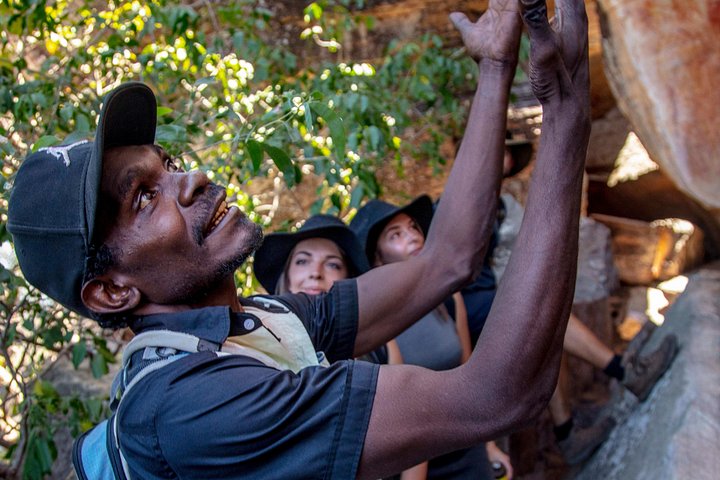
Kakadu is a living cultural landscape, and rock art and sacred sites must be treated with respect. Stay on marked paths, do not touch paintings, and obey signs about restricted areas. Ask before photographing people, and listen to Aboriginal guides when they share stories. Buying art directly from community art centres supports artists and keeps culture strong. The park also requires a visitor pass, which funds management and is often included in tours.
Staying safe
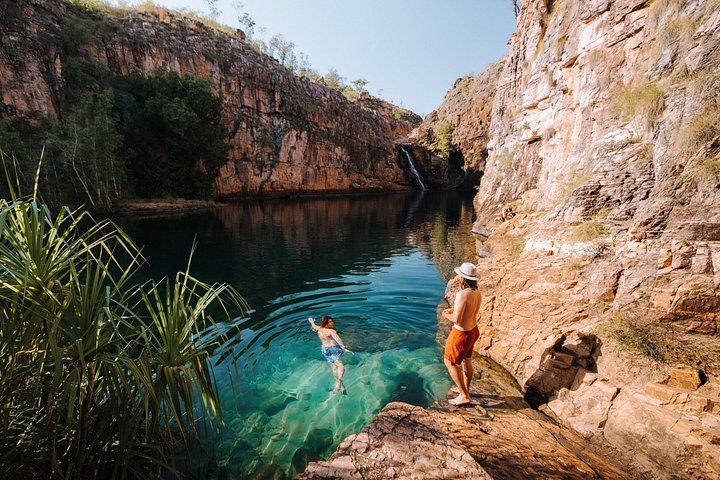
Crocodiles live in almost every waterway, including places that look safe. Do not swim, paddle or fish from the bank unless a sign or guide says it is safe. Stay back from the water's edge, never camp near it and do not clean fish near the bank. Carry plenty of water, because temperatures are high and walks can be exposed. Wear a hat and sunscreen, and use repellent to avoid bites. Fuel and supplies are limited, so fill up when you can, and tell someone your plans if you are self-driving. Mobile coverage is patchy, so download maps and carry a paper map.
Making the most of it
Slow down. The park rewards patience, whether it is waiting for a sea eagle to dive, sitting in the shade of a rock shelter or listening to a guide tell a story. Bring binoculars and a camera with a zoom lens, and plan for early mornings when wildlife is most active. Combine a day at Yellow Water with a visit to Nourlangie or Ubirr, and add a cultural experience such as a talk at the Warradjan centre. If you can spare two or three days, you will experience a very different pace from a quick day trip, and you will understand why so many travellers describe Kakadu as the highlight of Australia.