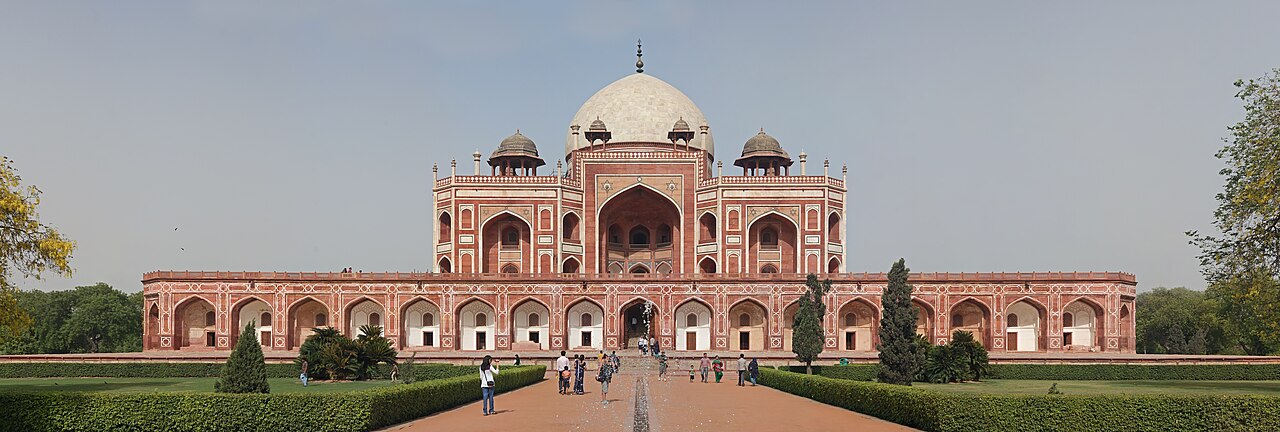
Humayun’s Tomb is the most beautiful monument in Delhi and the place to understand where the Taj Mahal came from. Built in the sixteenth century for the second Mughal emperor, Humayun, it was the first grand garden tomb on the subcontinent, and its red sandstone and white marble dome, raised on a broad arcaded platform, set the pattern Shah Jahan perfected in Agra nearly a century later. The tomb stands at the centre of a walled Persian-style char bagh, a garden divided into four by water channels and walkways, covering about 30 acres near the river and the Sufi shrine of Nizamuddin. Around it are other tombs and gardens, including the octagonal tomb of Isa Khan near the entrance. Thanks to careful restoration, the gardens and water channels look much as they were meant to, and in the early morning the complex is peaceful. This page links to a private Humayun’s Tomb tour on Viator with a licensed guide and optional transport, rated 4.9 from 15 reviews.
How to visit: Humayun’s Tomb is in the Nizamuddin area of south-central Delhi, and Jangpura is the nearest metro station, a short auto-rickshaw ride away. It is open every day from sunrise into the early evening. Foreign visitors pay a moderate fee, Indian visitors much less, and children under 15 enter free. The Viator tour adds a licensed guide and, if you choose it, transport, which takes the hassle out of crossing the city.
What to expect: the visit involves a fair amount of walking across lawns and up the steep steps of the platform, but the paths are wide and level. There is little shade in the middle of the day, so bring a hat and water. Allow an hour and a half, more if you explore the smaller tombs.
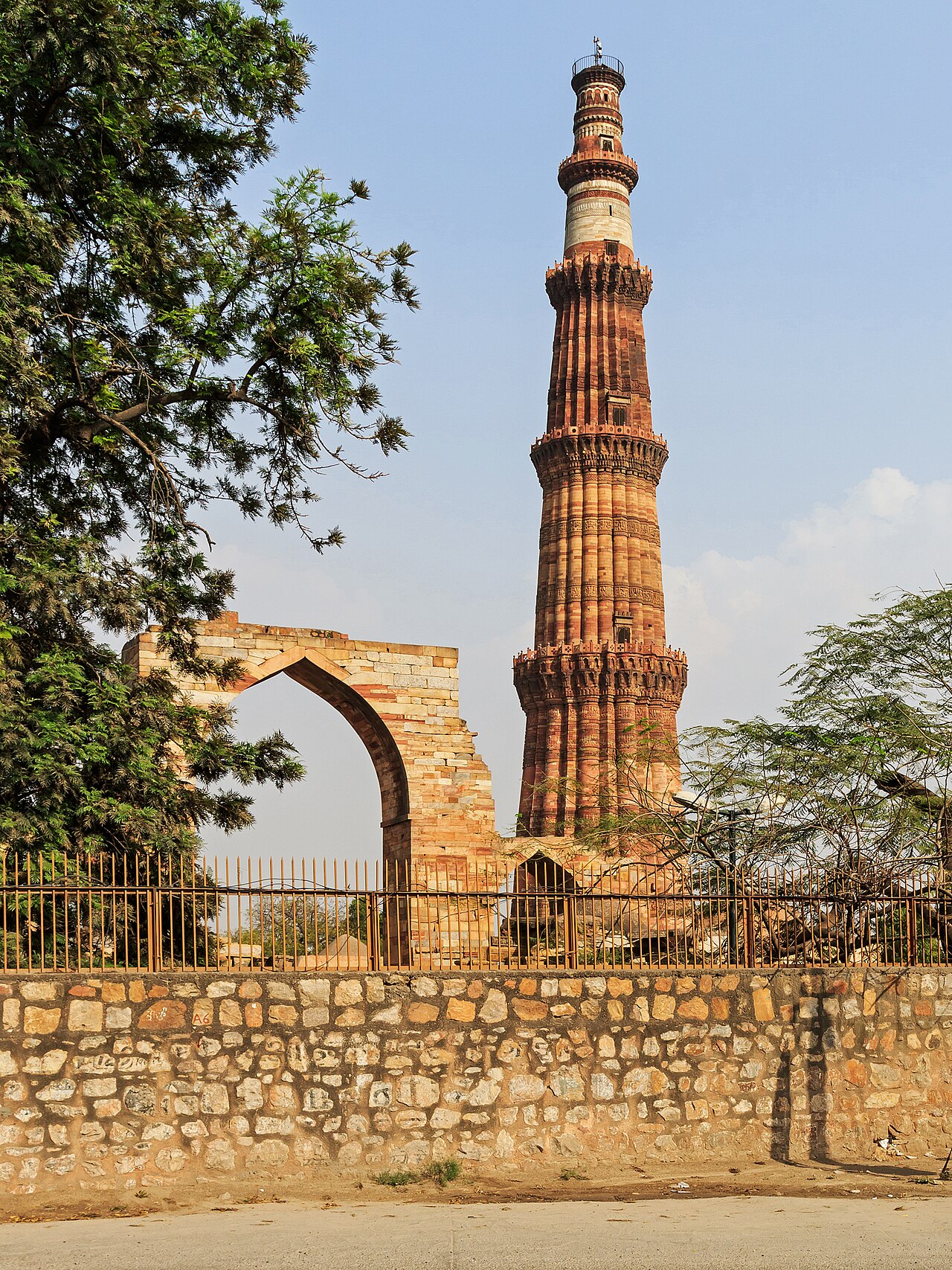
Making the most of it: come at opening or in the last hours before closing, when the stone glows and photographers gather. Afterwards, walk into the lanes of Nizamuddin Basti to the dargah of the Sufi saint Nizamuddin Auliya, where qawwali singers often perform on Thursday evenings. Combine it with Qutub Minar in the south of the city for a day of Delhi’s great monuments.
What to expect
The experience
A walk through the gateways and the four-part garden to the great domed tomb, with smaller tombs and pavilions around the grounds.
Best time
Opening time or the last two hours before closing, for soft light and quiet gardens.
How long
About an hour and a half, or two hours with the smaller tombs.
Tips
Bring water and a hat, take a guide for the story, and walk on to Nizamuddin dargah afterwards.
Quick picks
- Best for
- Architecture lovers and anyone heading to the Taj Mahal who wants to see where its design began.
- Families
- Wide lawns and level paths make it easy with children, and under-15s enter free.
- Couples
- A peaceful golden-hour stroll through one of Delhi’s loveliest gardens.
- Pair with
- Qutub Minar the same day, or Nizamuddin dargah for Thursday evening qawwali.
- Time needed
- About two hours.
Good questions
Is Humayun’s Tomb open every day?+
Yes, it is open every day of the week from sunrise into the early evening. Mornings are the quietest time to visit.
Why is Humayun’s Tomb important?+
It was the first grand garden tomb in the subcontinent and inspired later Mughal tombs, above all the Taj Mahal. It is a UNESCO World Heritage Site.
Which metro station is closest to Humayun’s Tomb?+
Jangpura is the nearest metro station, a short auto-rickshaw ride away. Nizamuddin railway station is also close.
How long does a visit take?+
Most visitors spend about an hour and a half to two hours. Add time if you walk to Nizamuddin dargah afterwards.
Do I need a guide at Humayun’s Tomb?+
You can visit on your own, but a licensed guide explains the architecture and history. The Viator tour includes a guide and optional transport.