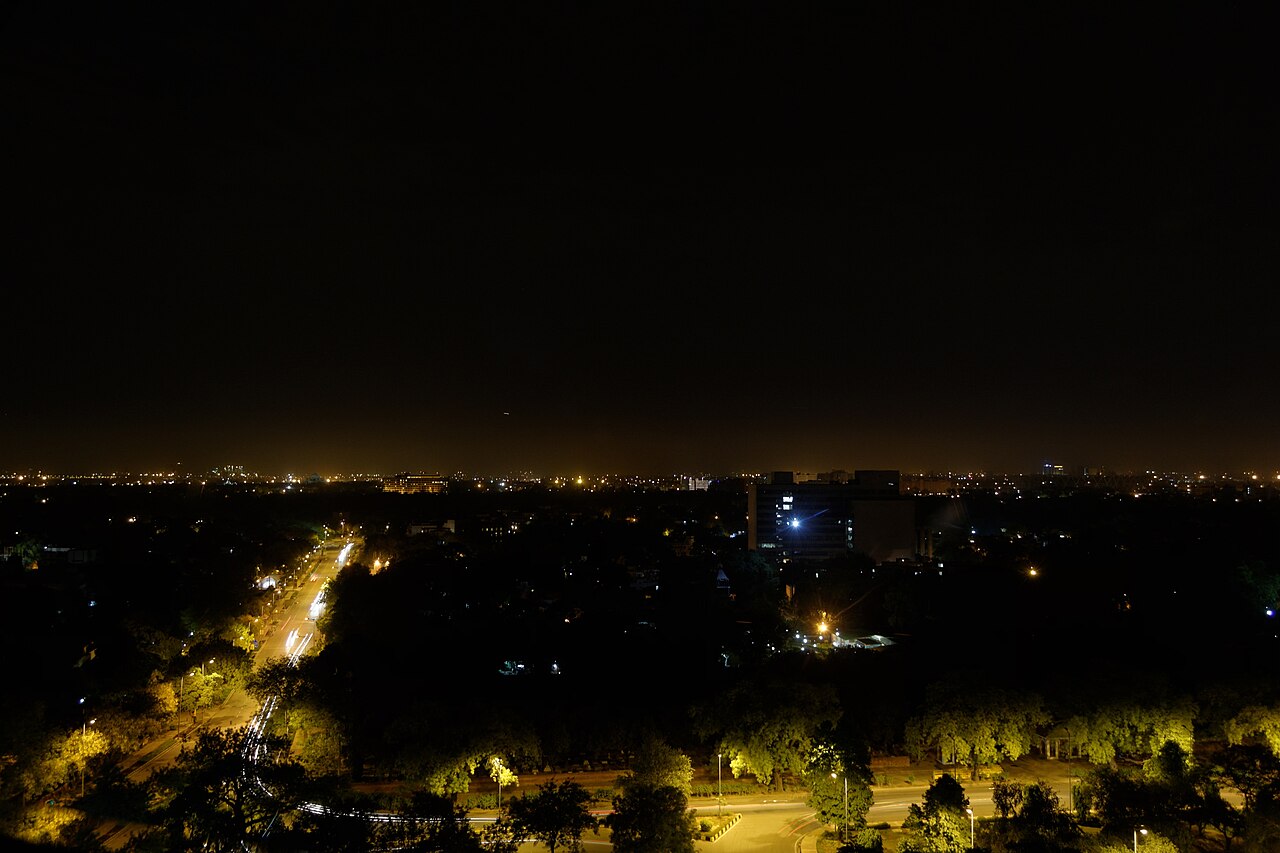
When the British moved their capital from Calcutta to Delhi in 1911, they set out to build a city that would announce the permanence of imperial rule. The architects Edwin Lutyens and Herbert Baker laid out a new capital south of the old walled city, with wide ceremonial avenues, round-about intersections, vast lawns and government buildings in a blend of European classicism and Indian motifs. New Delhi was inaugurated in 1931, and only sixteen years later it became the capital of independent India. Today Lutyens’ Delhi is one of the most pleasant districts in the city, with leafy streets, low bungalows and some of the best-preserved examples of twentieth-century monumental design in Asia. This guided tour explores that district: the sweep of the ceremonial avenue now called Kartavya Path, the sandstone secretariat blocks and Parliament House, the domed Rashtrapati Bhavan, which was built as the viceroy’s residence, and the war memorial arch of India Gate. A knowledgeable guide explains the symbolism, the compromises between Lutyens and Baker, and the story of how an imperial city became the seat of a democracy. It is a particularly good tour for architecture and history lovers, and for anyone who wants to understand how the planned capital differs from the older, more chaotic Delhi of the Mughals.
How to visit
The tour starts from your hotel or a central meeting point and moves by car with stops on foot. Security around government buildings is strict, so photography is limited in some places and you should carry your passport. Rashtrapati Bhavan is normally viewed from the gates and the surrounding road, as the interior is open only to pre-booked visitors on selected days. The route avoids the busiest hours, and guides adapt it if streets are closed for state events or rehearsals.
What to expect
You drive along the broad avenues and stop at viewpoints for the main buildings, stepping out to see the sandstone facades, the gates and the sculptures. At India Gate you can walk around the arch and the nearby lawns, with its inscribed names of Indian soldiers who died in the First World War and the Afghan wars. The guide may also take you through the quiet streets of the bungalow zone, past the neem and jamun trees that Lutyens planted, and on to places such as the Sikh and Buddhist shrines or the Jaipur Column in front of the secretariat, depending on the route.
Making the most of it
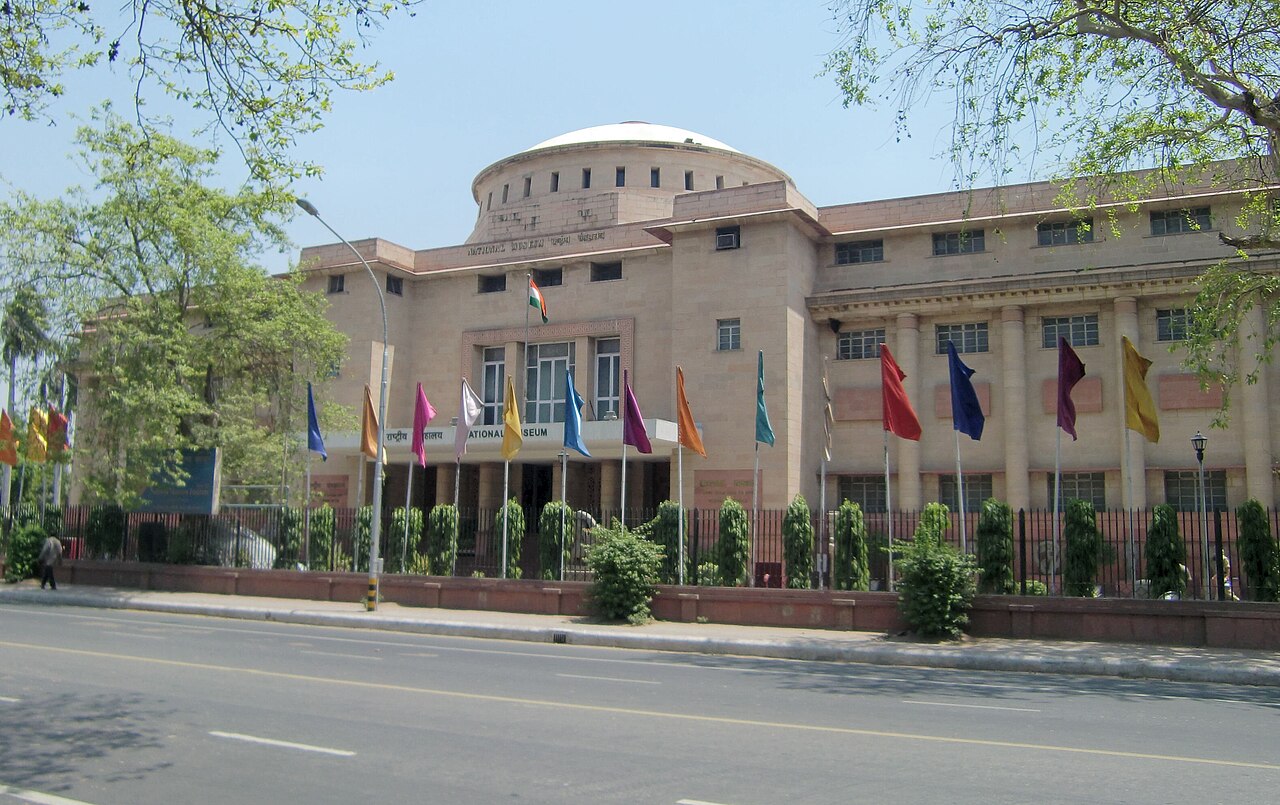
Choose a morning tour, when the light is clear and the traffic is lighter, and wear comfortable shoes and a hat. Government areas can be closed without notice, so allow flexibility. Combine the tour with a visit to the National Museum or lunch at a café in Khan Market or Connaught Place.
If you are interested in the architecture of independence, ask your guide to point out the details that mix Indian and European elements, such as the chhatris, the jali screens and the bells carved into the columns. It is an easy, civilised half-day that gives context to the rest of your stay in the capital.
Good to know
Kartavya Path and the lawns of India Gate become very busy on weekend evenings and during national celebrations, so a morning slot is easier. Entry to the interiors of the government buildings is not part of this tour. Refreshment stalls and ice-cream carts operate near India Gate if you need a break.
What to expect
The experience
A guided drive and walk through the planned imperial capital, with views of Rashtrapati Bhavan, Parliament House, the secretariat blocks and India Gate.
Best time
Mornings, when traffic is lighter and the light is clear.
How long
About three to four hours.
Tips
Carry your passport, expect security checks, and allow flexibility if roads are closed.
Quick picks
- Best for
- Architecture fans and first-time visitors who want to see New Delhi’s grand centre.
- Families
- Wide lawns at India Gate give children space to run.
- Couples
- A calm, scenic drive and stroll in the early morning.
- Pair with
- The National Museum, India Gate and Khan Market.
- Time needed
- A morning.
Good questions
Who designed New Delhi?+
Edwin Lutyens and Herbert Baker laid out the new capital, which was inaugurated in 1931.
Can I go inside Rashtrapati Bhavan?+
The interior is open only to pre-booked visitors on selected days. Most tours view the exterior and the gates.
Is photography allowed?+
Photography is limited around some government buildings. Your guide will tell you where it is permitted.
How long is the tour?+
Allow three to four hours, longer if you add a museum or lunch stop.
Why is it called Lutyens’ Delhi?+
The name refers to the central district of New Delhi planned by Edwin Lutyens, with its avenues, circles and bungalows.