India Gate is Delhi’s great public living room, a stone arch at the end of the long ceremonial avenue that runs from Rashtrapati Bhavan, and it costs nothing to visit. Designed by the architect Edwin Lutyens and completed in 1931, it commemorates the soldiers of the British Indian Army who died in the First World War and the Third Anglo-Afghan War, and the names of many of them are inscribed on its walls. About 42 metres tall, it stands on a low platform with a canopy beside it, and the lawns on all sides fill every evening with families, picnickers, balloon sellers and ice-cream vendors. The avenue behind it, now called Kartavya Path, is lined with lawns and canals and is a pleasant place to walk. Close by stands the National War Memorial, opened in 2019, which honours soldiers of independent India. The arch is most atmospheric at dusk, when it is floodlit and the crowds gather, and it is one of the easiest places in Delhi to feel the rhythm of ordinary city life.
How to visit
India Gate is in central Delhi and the nearest metro stations are Central Secretariat and Pragati Maidan, each a good walk away, so many visitors take a taxi or auto-rickshaw and walk the last stretch. The area is open and free, with no ticket, though some parts around the memorial and avenue close for state events and security. The government quarter around it is quiet in the morning, and crowds build in the evening.
What to expect
The arch itself can be photographed from the lawns but visitors do not climb it. The surrounding area is a public park, so expect street vendors, photographers offering to take your picture and, in hot weather, heat with little shade. The National War Memorial nearby has its own visiting arrangements and is worth a visit to understand the military history. Pedestrian paths along the avenue make a gentle two-kilometre walk to Rashtrapati Bhavan’s gates.
Making the most of it
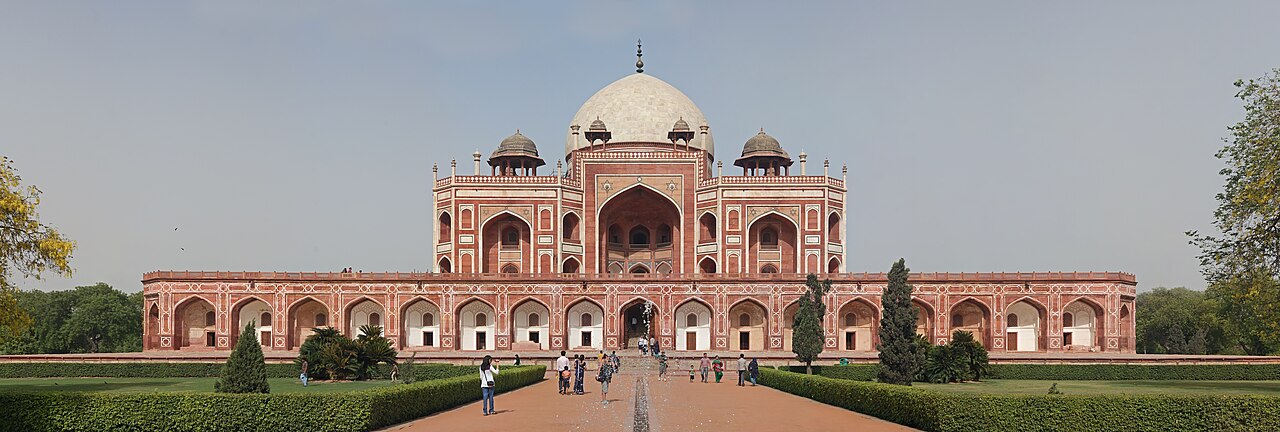
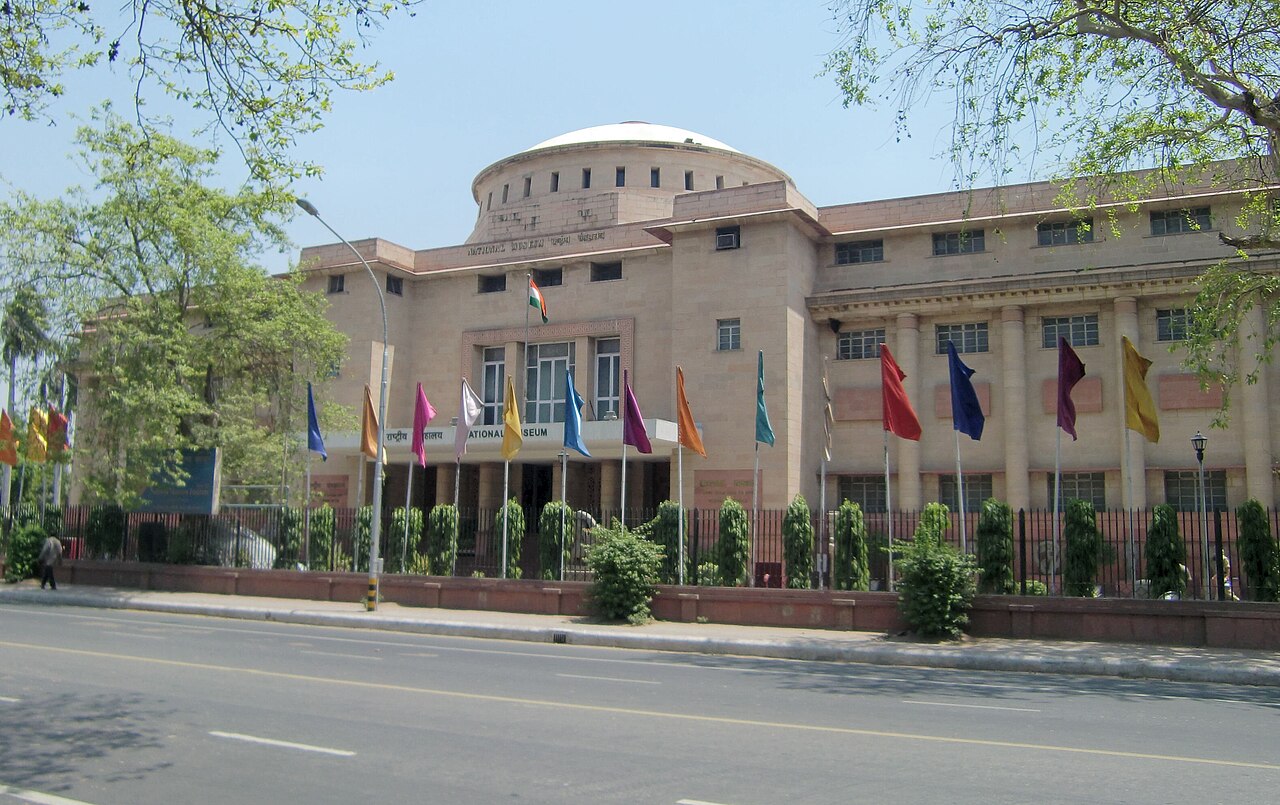
Come near sunset for the light and the atmosphere, and stay until the arch is lit. If you prefer quiet, come in the early morning. Combine it with a visit to the National Museum, Humayun’s Tomb or Lodhi Garden, all within a short ride. Keep valuables close in the evening crowds and agree prices clearly before taking any photograph or ride.
What to expect
The experience
A free open-air visit to a memorial arch, its lawns and the ceremonial avenue.
Best time
Near sunset, staying until the arch is lit, or early morning for quiet.
How long
About an hour, longer with the National War Memorial.
Tips
Take a taxi to the lawns, avoid midday heat, keep valuables close and agree any price before accepting a service.
Quick picks
- Best for
- Everyone, especially in the evening when the city comes out to stroll.
- Families
- Open lawns, ice cream and space to run make it ideal for children.
- Couples
- A romantic dusk stroll when the arch is lit.
- Pair with
- The National Museum and the National War Memorial close by.
- Time needed
- An hour.
Good questions
Is there an entry fee at India Gate?+
No, it is a free public area, open to everyone, though parts can close for events and security.
What is India Gate?+
A war memorial arch designed by Edwin Lutyens and completed in 1931, commemorating soldiers of the British Indian Army who died in the First World War and the Third Anglo-Afghan War.
When is the best time to visit?+
Near sunset, when the arch is lit and families fill the lawns. Early morning is quieter.
Is the National War Memorial nearby?+
Yes, it is close to India Gate and honours soldiers of independent India. It has its own visiting arrangements.
How do I get there?+
Central Secretariat and Pragati Maidan metro stations are within walking distance, but most visitors take a taxi or auto to the lawns.