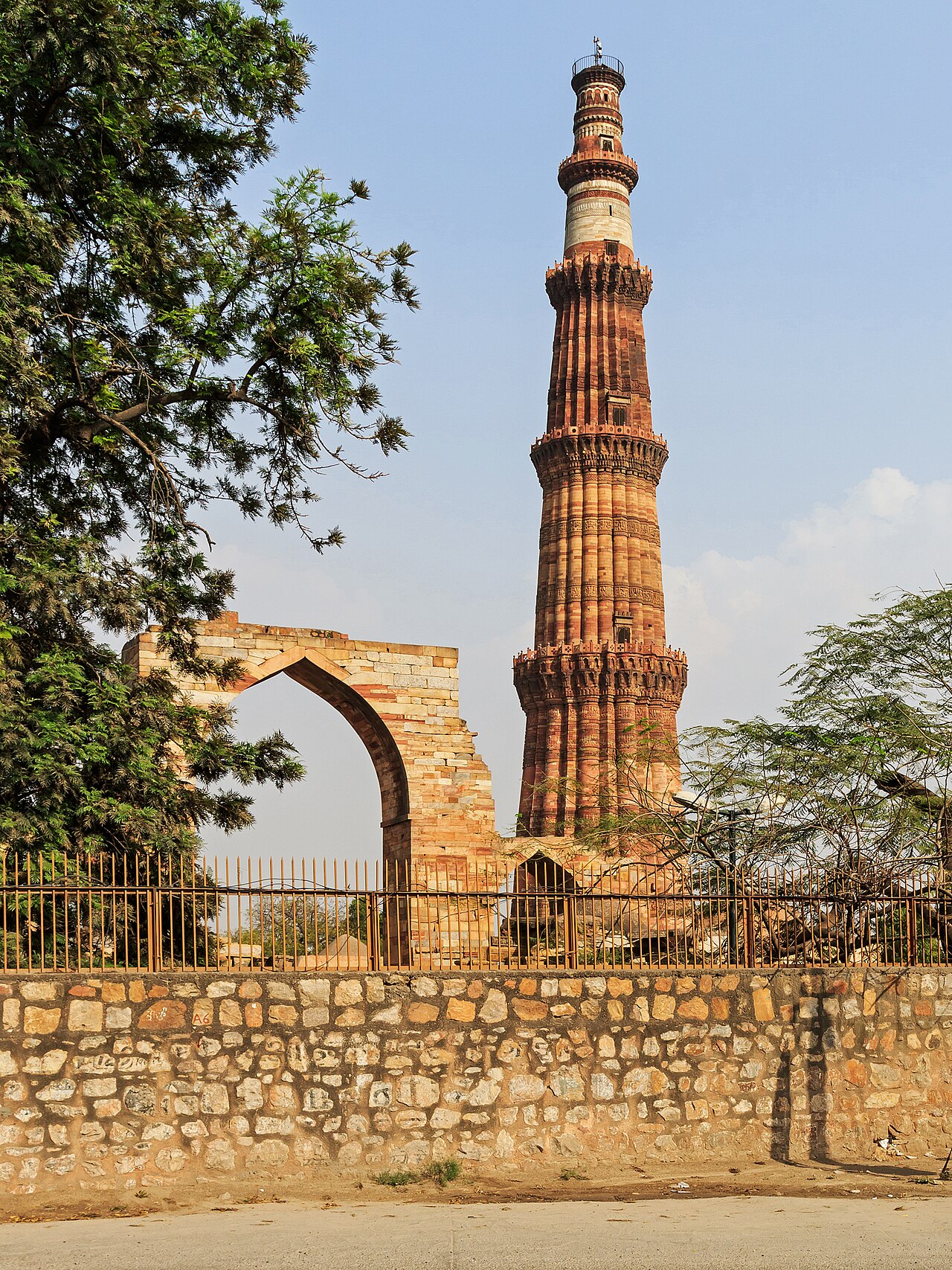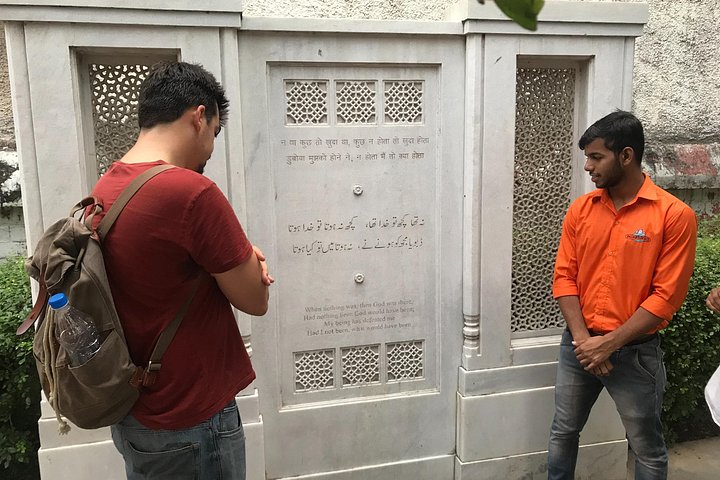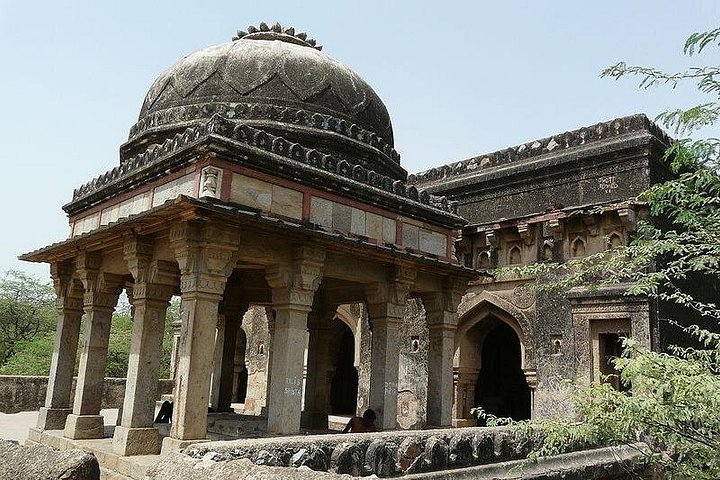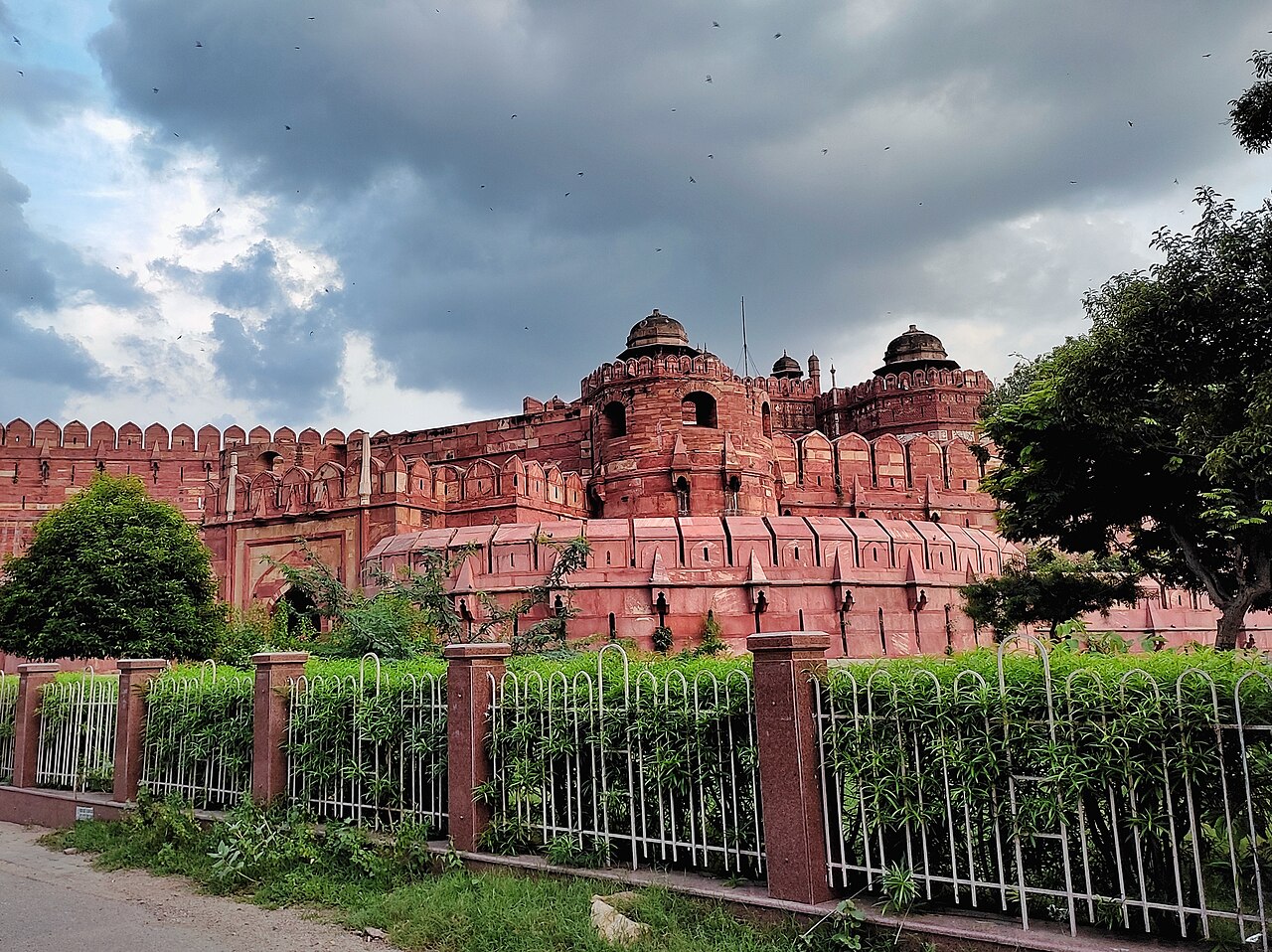
Tughlaqabad is the most dramatic ruin in Delhi and one of the least visited. Ghiyasuddin Tughlaq, the founder of the Tughlaq dynasty, began the fortress in the 1320s as the third of the city’s medieval capitals, building enormous sloping walls of rough stone that still run for several kilometres around the hilltop. Inside lie the remains of a palace complex, a citadel, a series of underground chambers and a vast wasteland that was once a bustling city. The scale is astonishing, and so is the silence; on a quiet morning you may be one of only a handful of people walking its ramparts. The story is as striking as the stone. Legend says the Sufi saint Nizamuddin Auliya, angered by the sultan’s demands on his workers, cursed the city so that it would never be inhabited, and within years the capital had been abandoned. The tomb of Ghiyasuddin Tughlaq stands across a causeway, a handsome sandstone and marble building with sloping walls. The guided visit linked here walks you through the fort with a local expert, who explains the layout, the engineering and the legend, and brings the empty ruins to life.
How to visit
Tughlaqabad lies in the south of Delhi, near the Tughlakabad Extension and Govindpuri metro stations, and a taxi or ride-hailing car is the easiest way to arrive. The fort is open daily from sunrise to sunset, with a modest entry fee for foreign visitors. Because the site is large and exposed, a guided visit is the best way to see it, and the tour linked here arranges the visit with a private guide who knows the safest and most rewarding route through the walls.
What to expect
You pass through a gateway and climb the ruined ramparts for wide views across the city, then follow the paths to the citadel, the palace remains and the underground chambers that served as storage and passages. The ground is uneven, there are loose stones and steps, and shade is scarce, so wear sturdy shoes and bring water.
Wild monkeys live among the ruins, so keep food out of sight. Across the road, the tomb of Ghiyasuddin Tughlaq is reached by a causeway that once crossed an artificial lake, and it is usually the final stop, with a small enclosed courtyard.
Making the most of it
Go early in the morning, when the light is gentle and the temperature is low, and avoid the middle of the day in summer. The site is best combined with Mehrauli Archaeological Park or Hauz Khas, which show other chapters of the sultanate story.
Carry a hat and sunscreen, and travel with a companion rather than alone, as the ruins are remote and large. History lovers who enjoy the quiet side of Delhi will find this one of the most rewarding places in the city, and photographers will love the long shadows on the ramparts.
Good to know
There are no cafés or shops inside the fort, so carry all the water and snacks you need. Phone signal is patchy in the lower parts, so download your map beforehand. Rubble and loose stones make some paths awkward, and visitors with mobility issues may prefer to see the tomb and the nearer ramparts only.
What to expect
The experience
A guided walk along the huge sloping walls, palace remains and underground chambers of a fourteenth-century fortress city.
Best time
Early morning, when it is cool and quiet.
How long
About two to three hours.
Tips
Wear sturdy shoes, bring water and a hat, and watch for monkeys.
Quick picks
- Best for
- History buffs and photographers who want an empty, atmospheric ruin.
- Families
- Older children who enjoy climbing and exploring will like it; there is little shade.
- Couples
- Dramatic views from the ramparts at the start of the day.
- Pair with
- Mehrauli Archaeological Park, Qutub Minar and Hauz Khas.
- Time needed
- A morning.
Good questions
Who built Tughlaqabad?+
Ghiyasuddin Tughlaq began the fortress city in the 1320s as the third capital of medieval Delhi.
Is there a curse on Tughlaqabad?+
According to legend, Nizamuddin Auliya cursed the city so it would never be inhabited, and it was abandoned within a few years.
Is it crowded?+
No. It is one of the least visited major monuments in Delhi, so expect quiet paths.
How long should I spend there?+
Allow two to three hours for the fort and the nearby tomb of Ghiyasuddin.
Is it safe to explore?+
Go in daylight with a guide or a companion, wear sturdy shoes and watch for monkeys and uneven ground.