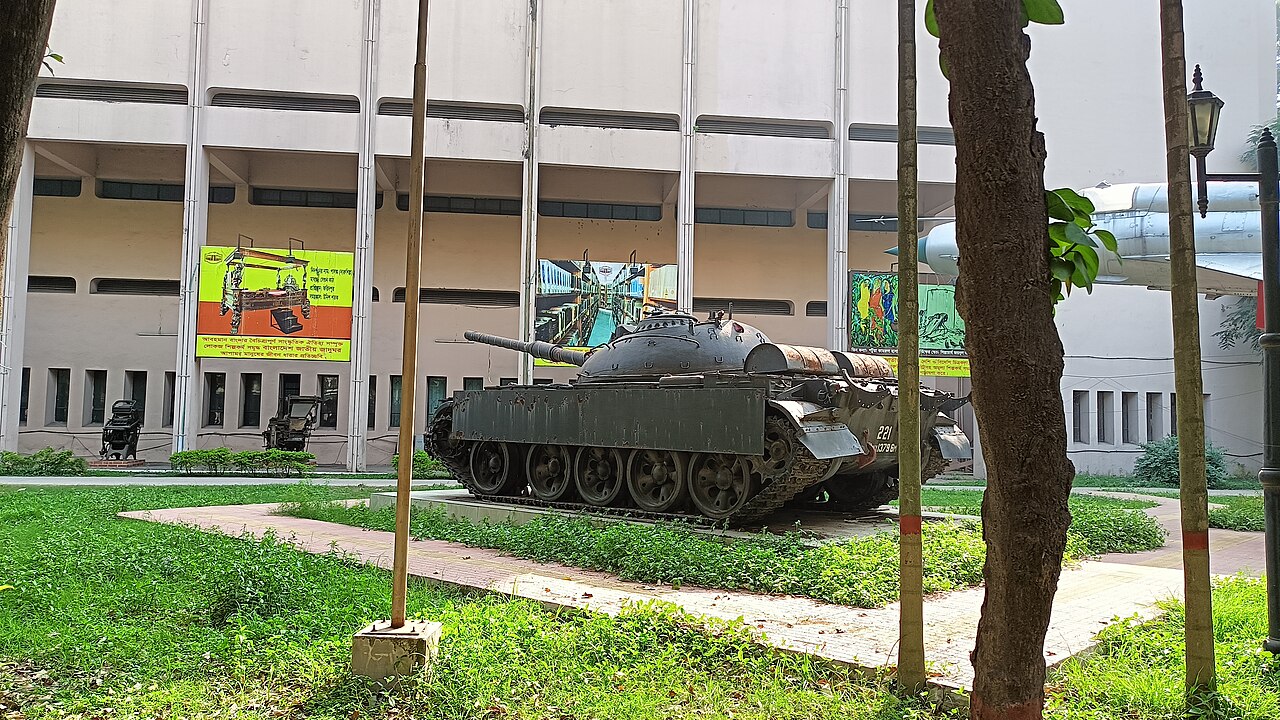
The Bangladesh National Museum at Shahbag is the best single place to understand the long sweep of the country's history under one roof. Its collections run from archaeological finds and Buddhist and Hindu sculpture to Mughal and colonial-era objects, folk art, textiles, paintings and displays on natural history and ethnography. Highlights include terracotta plaques from early Bengal temples, stone and bronze images from the Pala period, coins, manuscripts and a gallery devoted to the struggle for independence. The museum began in the early twentieth century and moved into its current large building in Shahbag in the 1980s, and it remains a working institution with temporary exhibitions alongside the permanent galleries. For visitors, it is a calm, air-conditioned break from the city and a useful primer before heading to the old quarter or to sites such as Sonargaon and Mahasthangarh.
The galleries are spread over several floors, and it is easy to underestimate the time they take. A focused visit of two to three hours covers the highlights: start with the archaeology and sculpture galleries, then move to the art and crafts sections, and finish with the independence gallery, which is sobering and detailed. Labels are in English as well as Bengali in many areas, though quality varies, so a guide or a good guidebook adds value.
The setting is also useful. Shahbag is the cultural and educational heart of modern Dhaka, with the University of Dhaka, the Public Library and the Institute of Fine Arts close by. After the museum, you can walk to the nearby gardens or cafes and continue the day on foot. The area can be busy, so watch traffic and keep valuables close.
Opening days and hours are set and the museum has a weekly closing day and occasional public holiday closures, so confirm before you travel. There is an entrance fee that is typically higher for foreign visitors than for locals, and photography rules differ by gallery. Bring a light layer, since the air conditioning can feel cold after the heat outside, and carry water.
The museum is a good rainy-day plan and works well for families with older children who enjoy objects and stories. Pair it with the Liberation War Museum for a fuller understanding of Bangladesh's past and its independence story.
Choose a few galleries rather than racing through all of them. The sculpture galleries, with their delicate terracotta plaques and stone figures, are the most visually rewarding, and the folk art sections show how everyday objects were made beautiful. A museum shop and cafe offer a place to rest, and the staff are usually glad to answer questions in English if you ask politely.
If you are traveling with teenagers, set a small challenge such as finding five objects they like best, and ask them to explain why afterward. It keeps the visit active and gives you conversation topics for dinner. Look out as well for any temporary exhibitions, which can focus on contemporary art, local crafts or anniversaries and often change through the year. A short visit to the museum shop for books on Bengali art and history is a good way to take the day's learning home with you after you leave.
What to expect
The experience
A self-guided museum visit across several floors of galleries covering art, archaeology, ethnography and independence.
Best time
Morning, before the heat builds; also a good choice on rainy days.
How long
Two to three hours.
Tips
Check the weekly closing day, bring a light layer for the air conditioning and ask about photography rules.
Quick picks
- Best for
- History lovers and anyone who wants context before exploring the country.
- Families
- Good for older children; some galleries are text-heavy.
- Couples
- A cool, quiet afternoon activity.
- Pair with
- Parliament House and the Liberation War Museum.
- Time needed
- Two to three hours.
Good questions
What can I see?+
Archaeology, sculpture, folk art, textiles, natural history and a gallery on the independence struggle.
How long should I allow?+
Two to three hours covers the highlights.
Is it open every day?+
There is a weekly closing day and holiday closures, so check first.
Is there an entry fee?+
Yes, usually higher for foreign visitors than for locals.
Is it good for rainy days?+
Yes. It is indoors and air-conditioned in many areas.