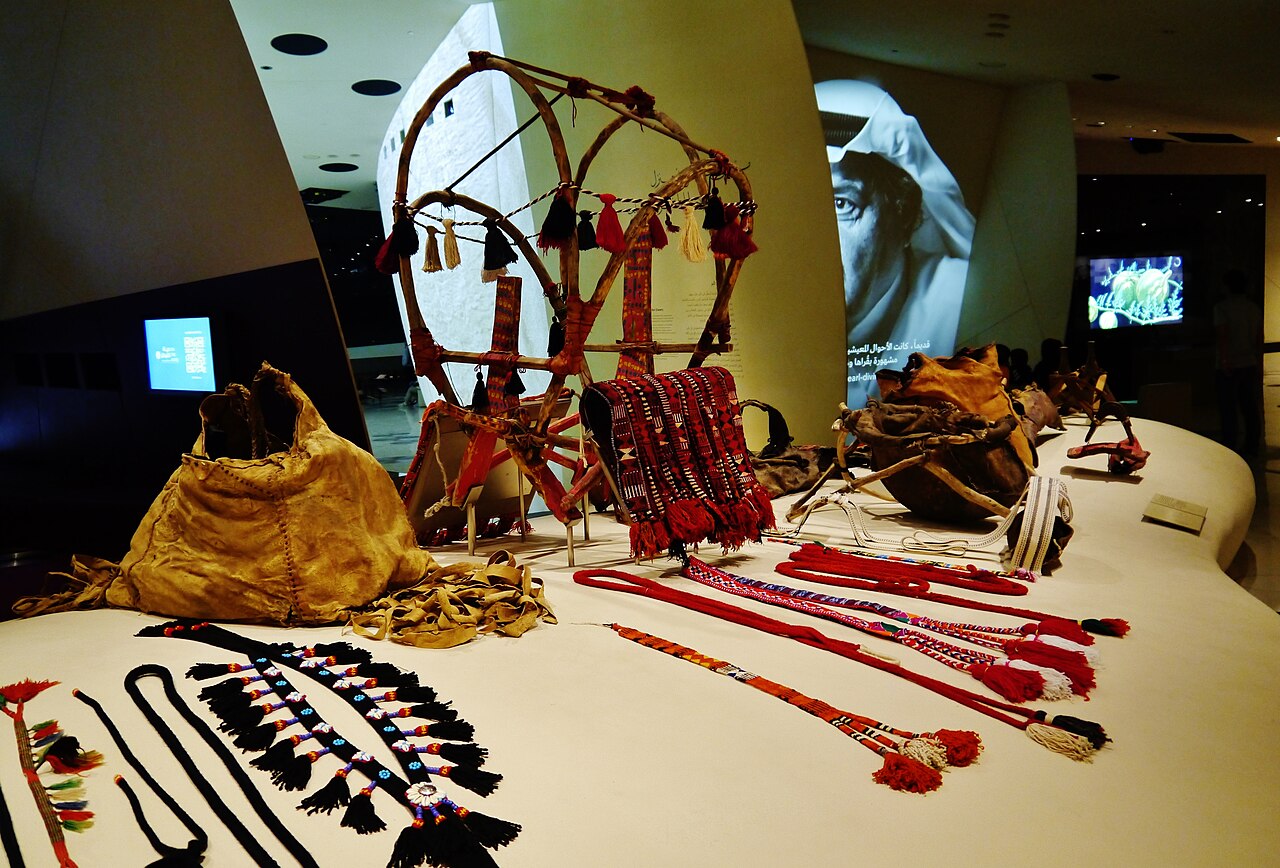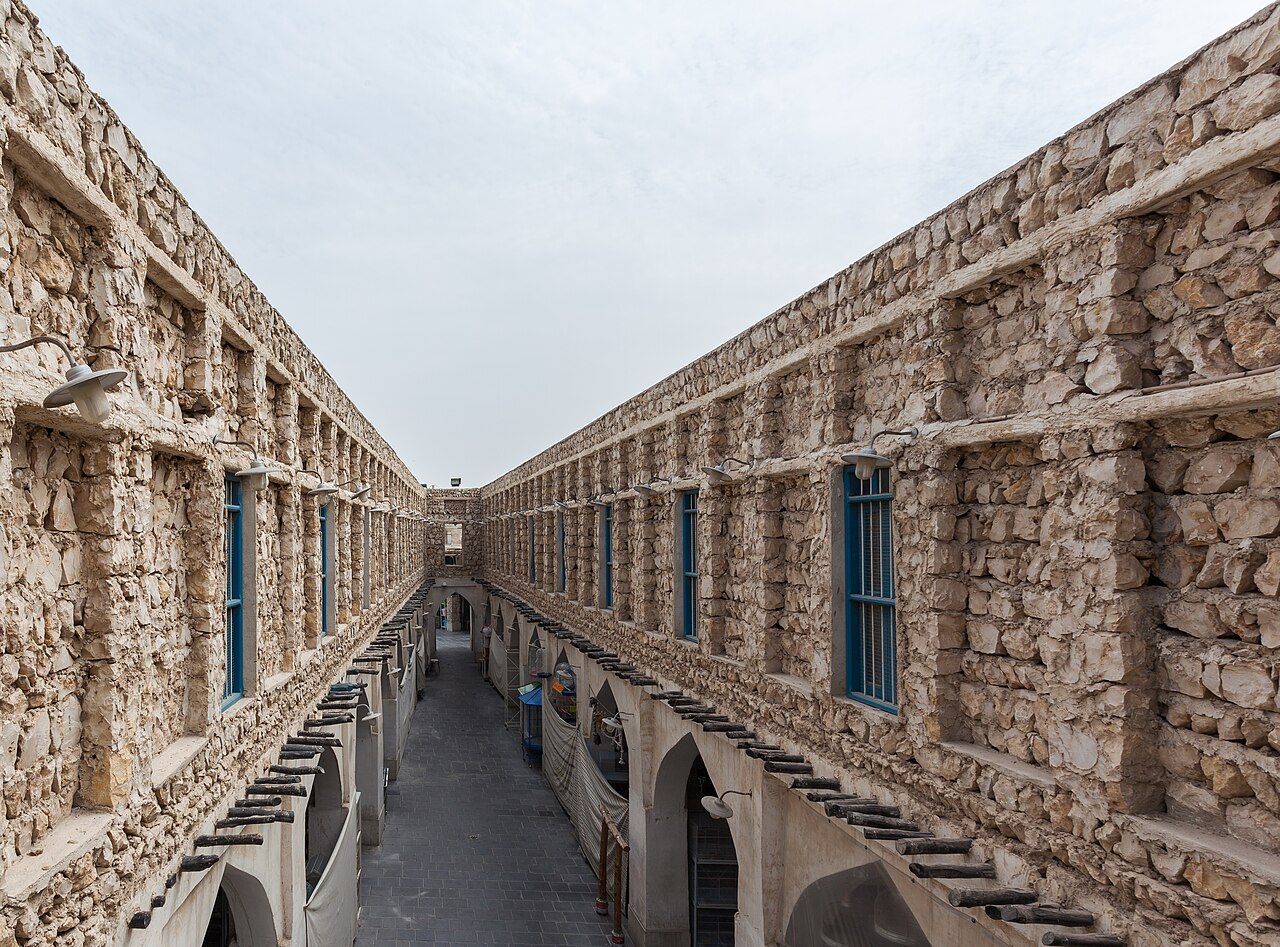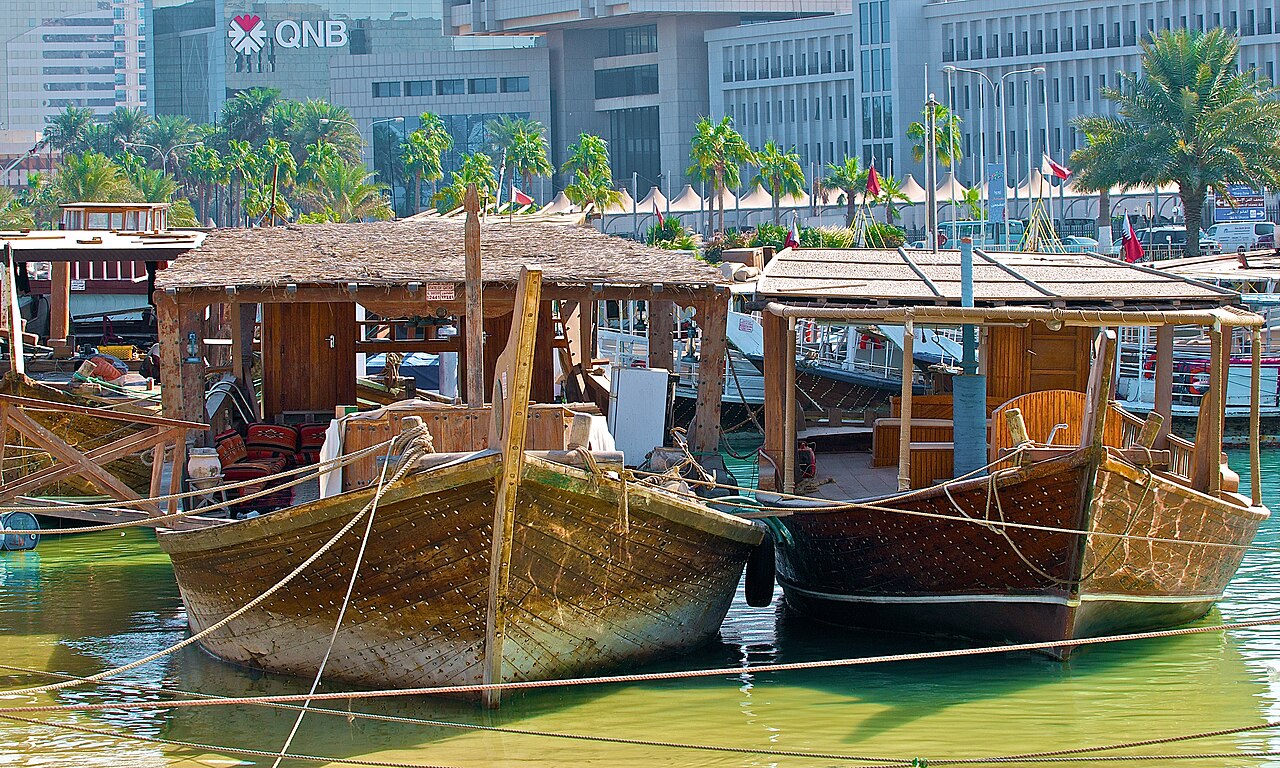
Doha surprises most first-time visitors. It is calmer, more walkable in places and far richer in culture than its reputation as a stopover suggests, with three outstanding museums, a lively old souq, a long waterfront and the desert on the doorstep. Many people see it on a layover; give it three or four days and it rewards you. Here is how to shape a first visit.
When to go
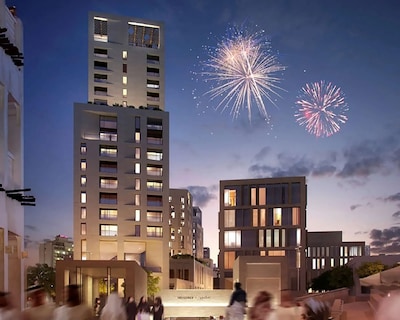
November to March is the season. Days are warm and sunny, evenings are pleasant, and the desert is at its best. From late spring to early autumn the heat is intense, and life moves indoors and into the evenings. National Day on 18 December brings celebrations along the Corniche, and the city is busier around big sporting and cultural events, so book hotels early for those dates.
How many days
One full day covers the Museum of Islamic Art, the Corniche and Souq Waqif. Two days add the National Museum of Qatar and the Msheireb Museums. Three days let you add the desert, and four leave room for Katara, the 3-2-1 museum or a trip north to Al Zubarah.
What to book ahead
The desert safari and the private tours, such as the trip to Al Zubarah Fort and the night city tour, have small groups and need booking, ideally a few days ahead. Museum tickets are rarely sold out, but booking online with an audio guide saves time. The souq, Katara, the Corniche and the Msheireb Museums are free and need no booking.
Watch the closing days
The museums do not share a rest day. The Museum of Islamic Art closes on Wednesday, the National Museum of Qatar and the 3-2-1 museum close on Tuesday, and the Msheireb Museums close on Sunday. The Qatar Museums venues open only from 1:30pm on Friday and stay open until 9pm on Thursday. In November 2026, the Museum of Islamic Art is also closed to the public on Saturday 7 November. Plan around these, and keep Tuesday or Wednesday for the souq and the free sights.
Getting in
Hamad International Airport is close to the city, and the metro Red Line runs from the airport into the centre and West Bay. Taxis and ride-hailing apps are easy and fairly priced. Many nationalities can enter visa-free or get a visa on arrival, but check the official rules for your passport before you travel.
Getting around
The Doha Metro is clean, cool and simple, with three lines: the Red Line along the coast from the airport to West Bay and Lusail, the Gold Line west towards the Aspire Zone, and the Green Line out to Education City. Msheireb station, where all three meet, is a short walk from Souq Waqif. Free trams link stations with places like Msheireb Downtown and Education City. For Katara, The Pearl and the evening, taxis or ride-hailing apps are the easiest option. Walking is pleasant in the cool season along the Corniche and around the souq, but distances between districts are large.
Day one: the bay and the souq
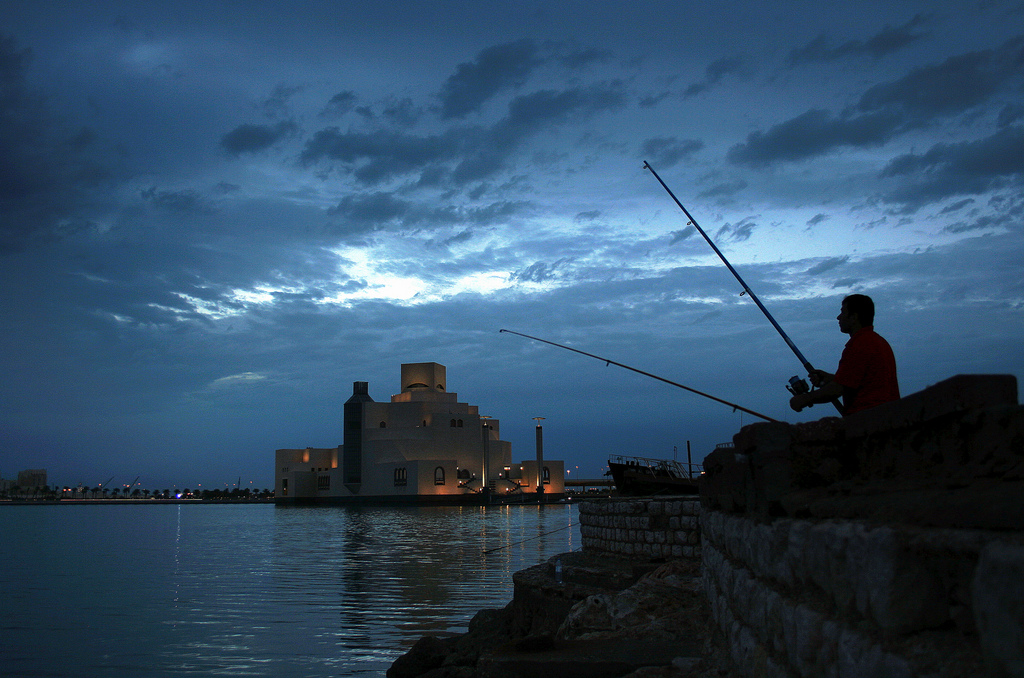
Start at the National Museum of Qatar to learn the country’s story, then cross to the Museum of Islamic Art for the afternoon. Walk out into MIA Park for sunset over West Bay, stroll a stretch of the Corniche and finish with dinner in Souq Waqif.
Day two: Msheireb and Katara
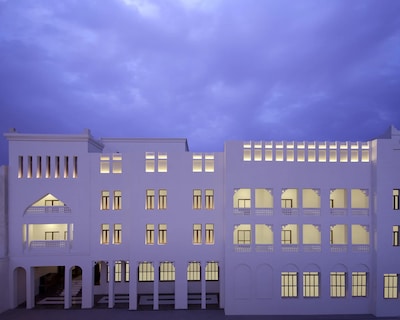
Spend the morning at the four free Msheireb Museums, then have lunch in the souq. In the late afternoon, head to Katara Cultural Village for the mosques, the pigeon towers and sunset at the amphitheatre, and end the day with a night city tour or dinner at The Pearl.
Day three: the desert
Take a full-day safari to the inland sea, with dune bashing, sandboarding and a camel ride. Keep the evening quiet. If you have a fourth day, choose between Al Zubarah Fort in the north and the 3-2-1 museum and Aspire Park.
Customs and manners
Qatar is a conservative country. Dress modestly in public places, with shoulders and knees covered, especially in museums, souqs and mosques. Public displays of affection are frowned upon. Alcohol is served only in licensed venues, mostly in hotels. The weekend is Friday and Saturday, and Friday mornings are quiet. The currency is the Qatari riyal, cards are widely accepted, and tipping is appreciated but not obligatory.