Dominica has a tropical climate with two broad seasons and a lot of local variation, because the mountains in the interior catch rain that the coast hardly sees. The best time to visit depends on what you want to do. This guide breaks down the year, explains the trade-offs and helps you match your plans to the weather.
The dry season: about December to April
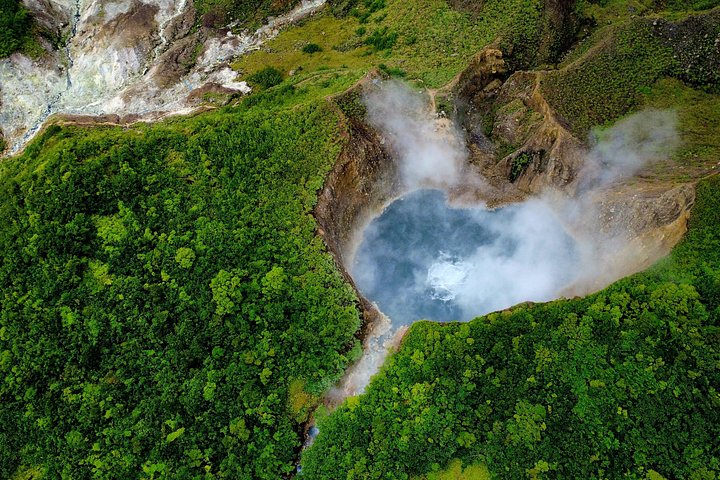
This is the most popular time to visit and the easiest for most travellers. Rainfall is lower, humidity is more comfortable, trails are firmer and the sea is calm. Boiling Lake and other long hikes are at their most dependable, rivers are lower for canyoning and the waterfall walks, and the skies are often clear for views. The trade-off is higher prices and fuller hotels, particularly in the weeks around Christmas and in the weeks before Lent, so book flights, rooms and key tours early. Even in the dry season, the rainforest produces a shower on most days, so carry a light waterproof.
The wetter season: roughly June to November
Rain is heavier and more frequent, the interior is lusher and the waterfalls are at their most powerful. Hotels and tours are often cheaper and the island is quiet, which many travellers enjoy. The downsides are muddier trails, higher rivers and a greater chance that a hike or canyon trip is postponed or cancelled. The Boiling Lake hike is still done, but the river crossings can be harder and views may be hidden by cloud. If you travel in these months, build slack into your plan so that a bad-weather day does not ruin the trip.
Hurricane season
The Atlantic season runs from June through November, with the greatest risk in the late summer and early autumn. Dominica is hit less often than some islands, but storms can cause landslides, road closures, power cuts and cancelled flights, and the island has a history of damage from major hurricanes. If you travel in this period, buy travel insurance that covers weather disruption, keep flexible cancellation on flights and hotels, and watch the forecasts. Many visitors travel safely at this time, but flexibility matters.
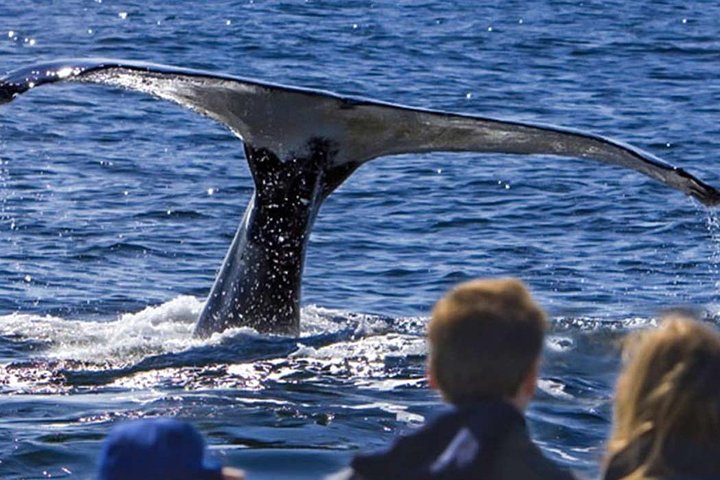
Whale watching: about November to March
Sperm whales live off the west coast all year, and that is one of the island's big draws, but sightings are most common and the sea is usually calmest from around November to March. This is when females and calves gather and the water is flat enough for relaxed viewing. Outside these months, whale trips still run and often succeed, but the chances vary. Dolphins, including spinner and spotted dolphins, are possible in any season.
Hiking
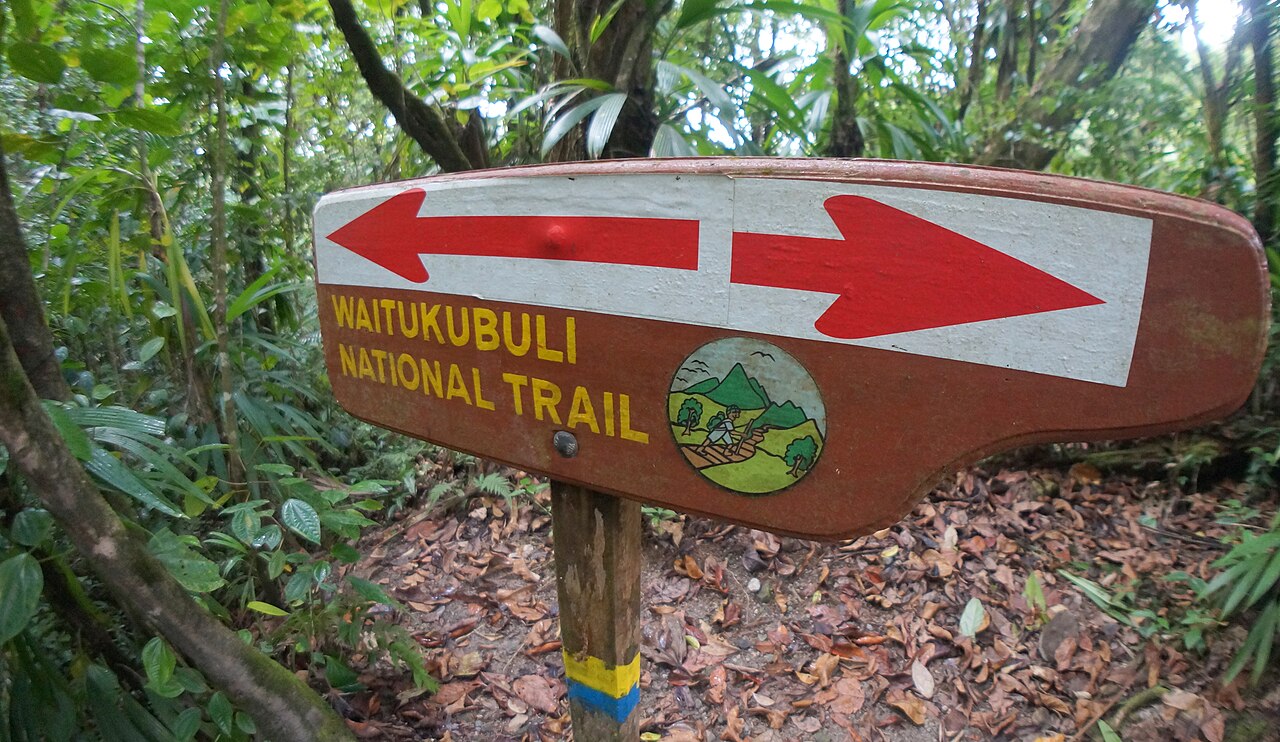
For serious walking, choose the drier months. The Boiling Lake hike, Middleham Falls and the Waitukubuli National Trail are far more comfortable when the ground is not saturated, and the views are more likely to be clear. If you hike in the wetter months, start early, wear good shoes and be ready for rain at any hour.
Snorkelling and diving
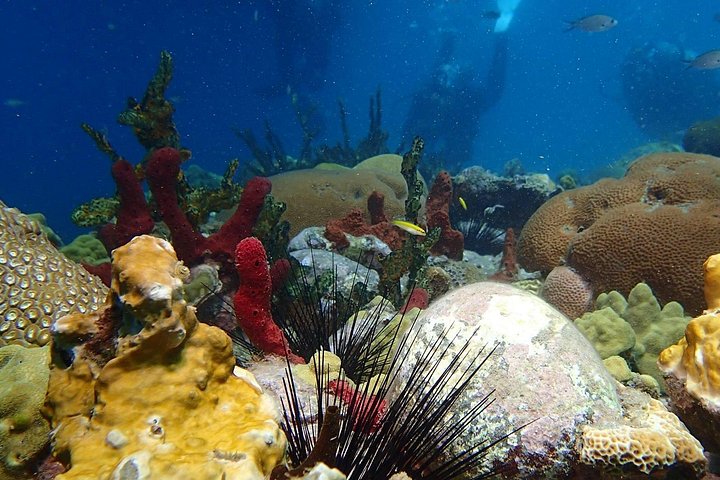
The Caribbean coast is sheltered and the water is warm all year, with visibility often best in the calmer months from about December to April. Champagne Reef and Scotts Head work in all seasons. The Atlantic east coast is rougher and usually unsuitable for swimming at any time.
Festivals and events
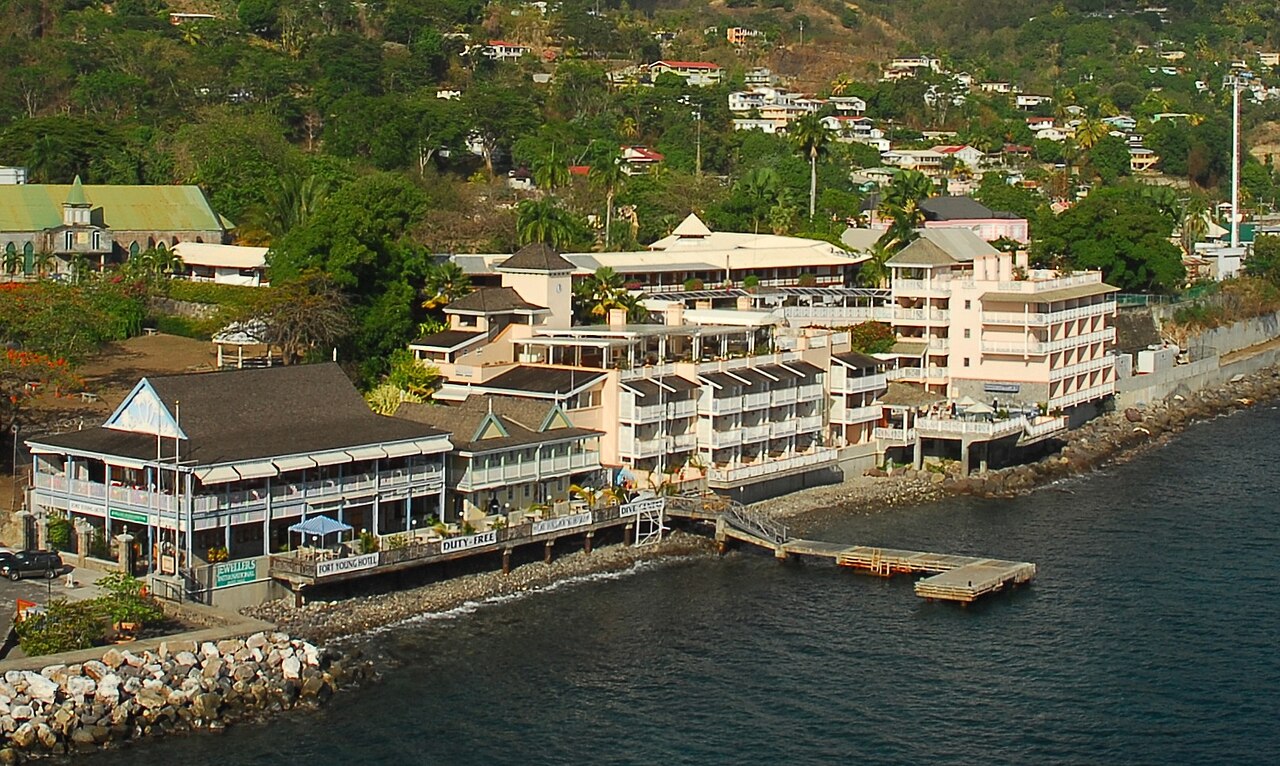
Dominica's cultural calendar is lively. Carnival, locally known as Mas Domnik, takes place in the weeks before Lent and fills Roseau with costume, music and street parties. The Creole festival period in the autumn, including music and food events, is another highlight, and Independence celebrations are held at the start of November. These times are fun but busy, so book accommodation well ahead, and expect some roads and businesses to close for parades or holidays.
Which month for which traveller?
Hikers and canyoners do best from about January to April. Whale watchers should aim for the period from roughly November to March. Budget travellers and anyone who likes quiet will enjoy the shoulder months at the start and end of the dry season, when prices ease and crowds thin. Culture seekers should plan around Carnival or the Creole festival period. Honeymooners and beach lovers will find calm seas and sunsets in the dry months, though the island is never a classic sun-and-sand destination.
Packing for the season
Whatever the month, bring a light rain jacket, quick-dry clothes, sturdy shoes, a swimsuit and insect repellent. In the cooler months, evenings in the highlands can feel fresh, so add a light layer. Sun protection matters on the coast and at sea.