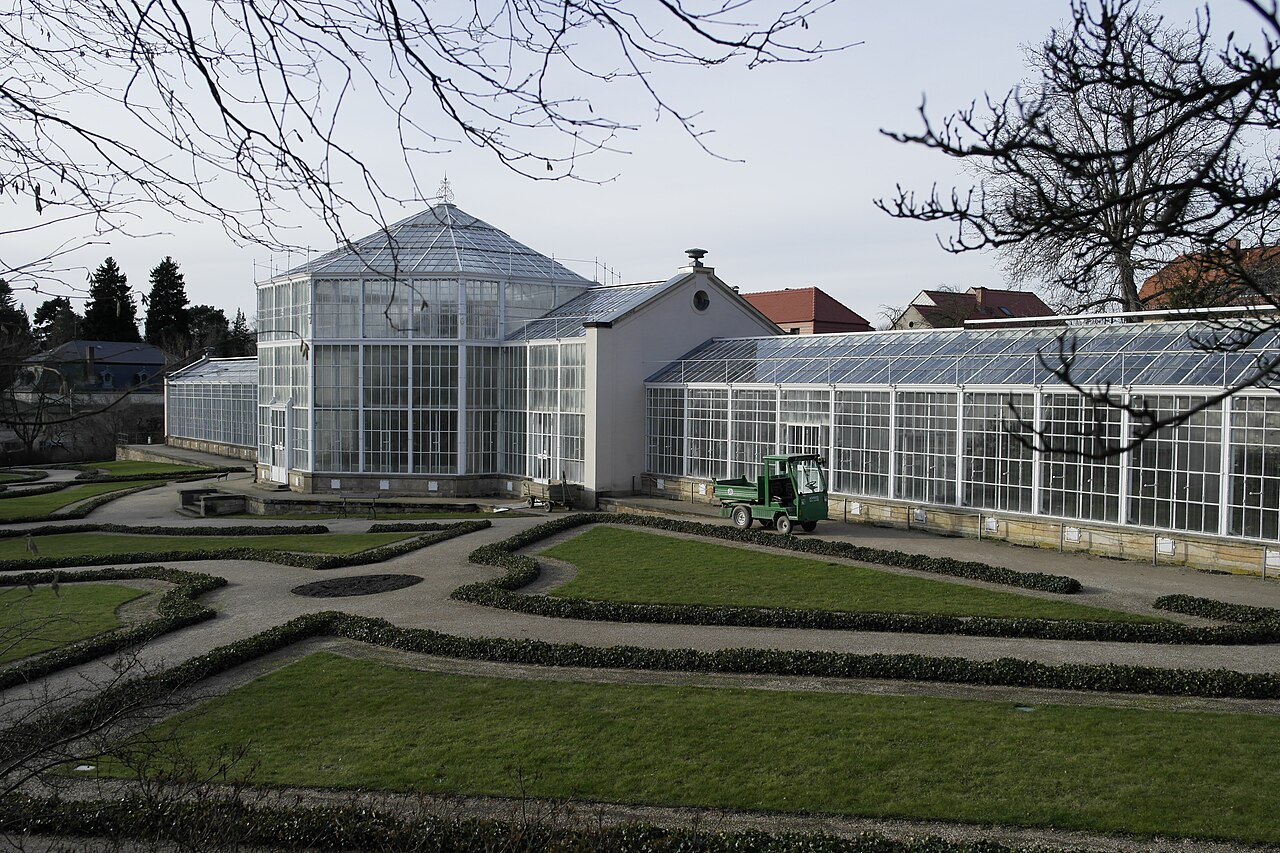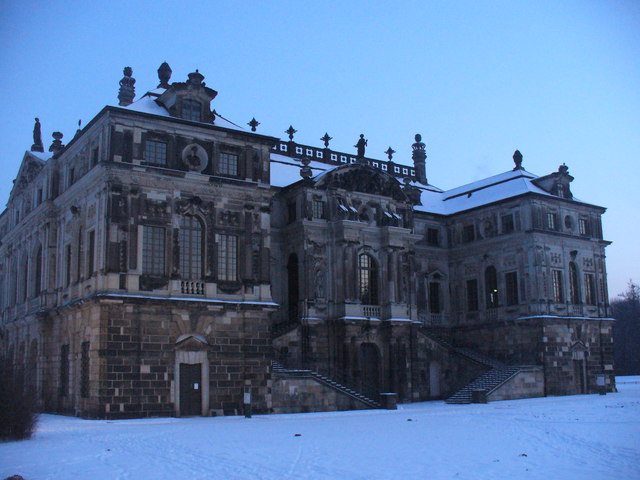
The Großer Garten is Dresden’s green heart, a park of about two square kilometres just east of the Old Town. It was laid out from 1676 as a Baroque pleasure garden, and the Palais at its centre, built between 1678 and 1683, is among the oldest Baroque buildings in the city. A grid of long, straight avenues cuts across the park, with a main axis that runs through the Palais, and lime and chestnut trees give shade in summer. The park has lakes, formal gardens, beer gardens, playgrounds and sculpture, and the Dresden Zoo and the Botanical Garden sit on its edges. The Park Railway, a narrow-gauge line that circles the grounds, is run by children and teenagers under adult supervision, a tradition that goes back to the Pioneer railway of East German days. It is where Dresdeners walk, jog, picnic and cycle, and it adds a very different side to a city best known for its museums. Entry to the park is free.
How to visit
The park is free and open all day, with entrances on several sides. The most convenient is the main entrance by the Hygiene Museum and Lingnerplatz, which is a short tram ride from the Old Town, or you can walk through from the city in about twenty-five minutes.
The Palais, the zoo, the botanical garden and the railway have their own opening hours and ticket arrangements, so check those if you want to go inside. In winter, the park is quiet and some facilities close, and events and festivals take place in the warmer months.
What to expect
The park is large, so plan the route. A walk along the main avenue to the Palais and around the Palace Pond takes an hour or so, and a lap of the whole park takes longer. The Palais is a Baroque summer palace with an exhibition space and a cafe, and the garden terrace is a pleasant place to rest.
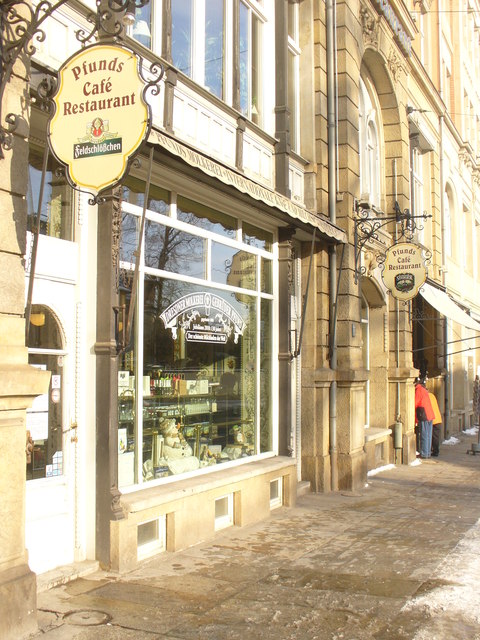
The Park Railway makes a family-friendly circuit with several stops. For quiet, head to the side avenues, and for a bite, look for the beer gardens and cafes. The botanical garden is a short walk away and has seasonal displays, and the zoo is a full-day outing on its own.
Making the most of it
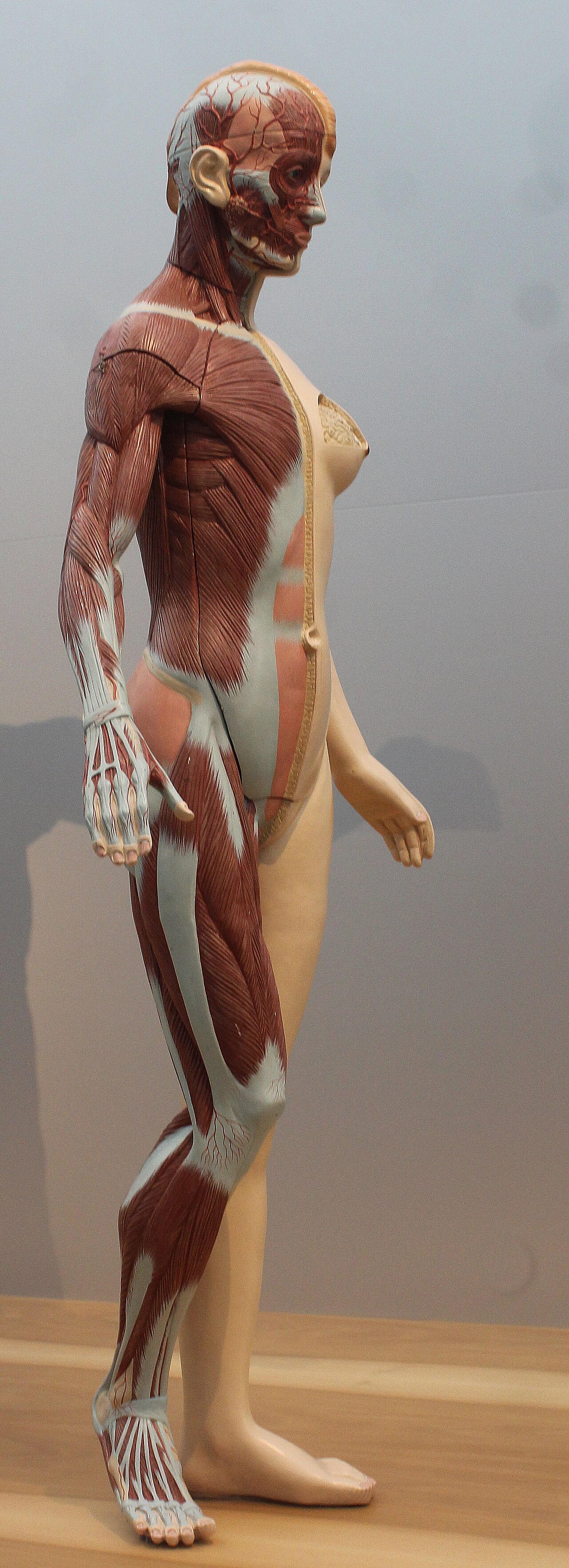
Use the park as a counterpoint to the museums. A good day combines the Hygiene Museum in the morning, a picnic or lunch in the park and an afternoon walk or railway ride. Cyclists can ride the avenues, and runners will find well-used paths. In spring the blossom and in autumn the colour make the park especially good, and summer evenings bring open-air events. Wear comfortable shoes and take water, as the distances are bigger than they look on a map.
Families will find the open spaces and playgrounds a good place to let children burn off energy after a morning of sights, and the park suits couples looking for a quiet stroll. Bring a picnic or plan a stop at one of the park cafes, check the event calendar for open-air concerts and festivals, and keep an eye on the weather, since a sunny day turns this park into the city’s living room.
What to expect
The experience
A large, free Baroque park with a garden palace, lakes, a miniature railway and the zoo at its edge.
Best time
Spring blossom, summer evenings or autumn colour, and a weekday morning for quiet.
How long
One to three hours, or a half day with the zoo.
Tips
Pick your route in advance, check the Palais, zoo and railway hours, and wear comfortable shoes.
Quick picks
- Best for
- Families, walkers and anyone who wants green space and a break from museums.
- Families
- Playgrounds, the Park Railway and the zoo make it one of the best family days in the city.
- Couples
- A stroll along the avenues to the Palais and a drink in a beer garden.
- Pair with
- The German Hygiene Museum next to the main entrance.
- Time needed
- One to three hours.
Good questions
Is the Großer Garten free?+
Yes, the park is free to enter. The Palais, the zoo, the botanical garden and the Park Railway have their own tickets.
How big is the Großer Garten?+
It covers about two square kilometres, with long avenues, lakes and formal gardens.
What is the Palais in the Großer Garten?+
It is a Baroque garden palace built between 1678 and 1683 and is among the oldest Baroque buildings in Dresden.
Who runs the Park Railway?+
It is operated largely by children and teenagers under adult supervision, in a tradition that goes back to East German Pioneer railways.
How do I get there from the Old Town?+
Take a tram towards the Hygiene Museum and Lingnerplatz, or walk through the city for about twenty-five minutes.