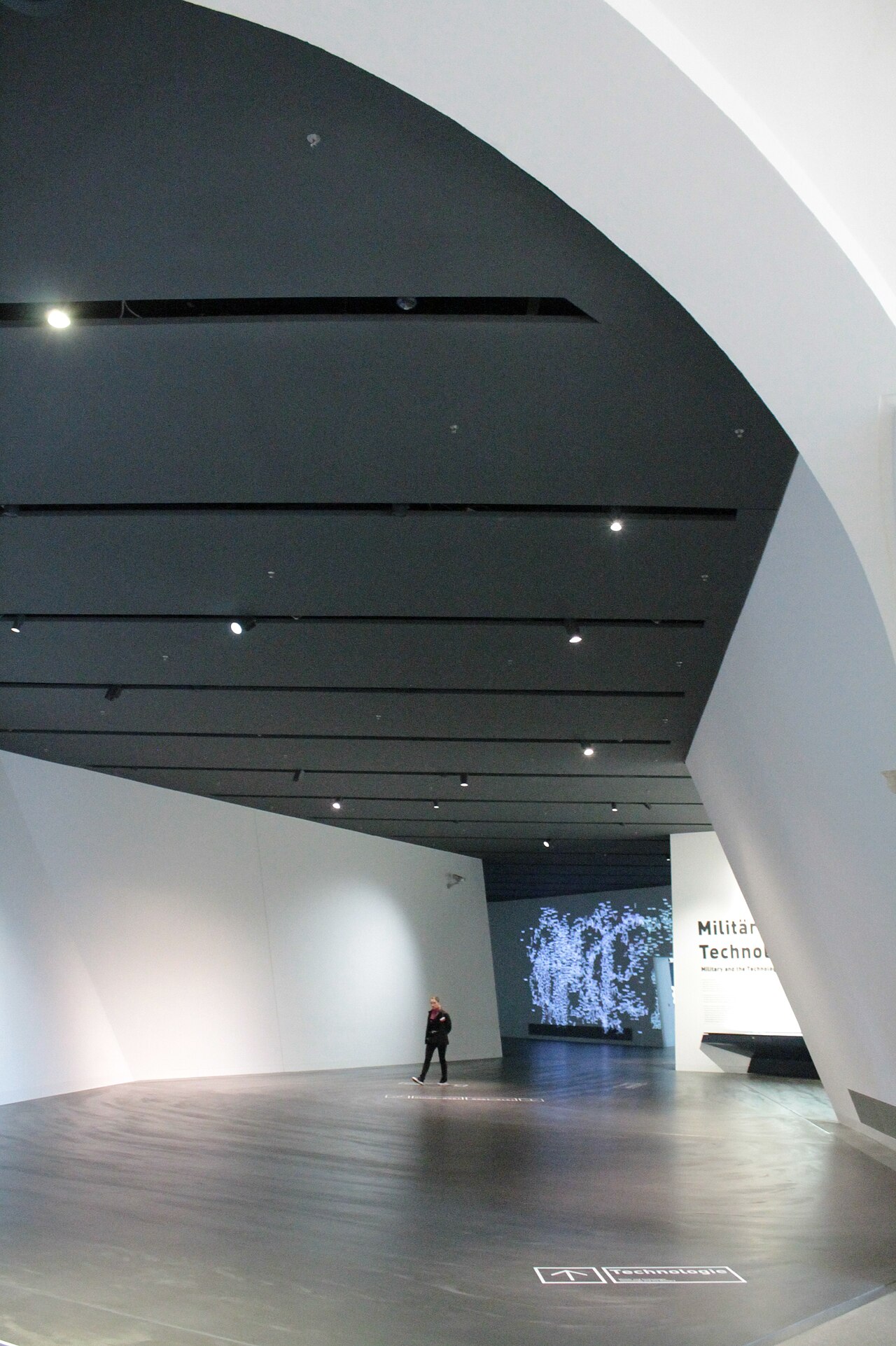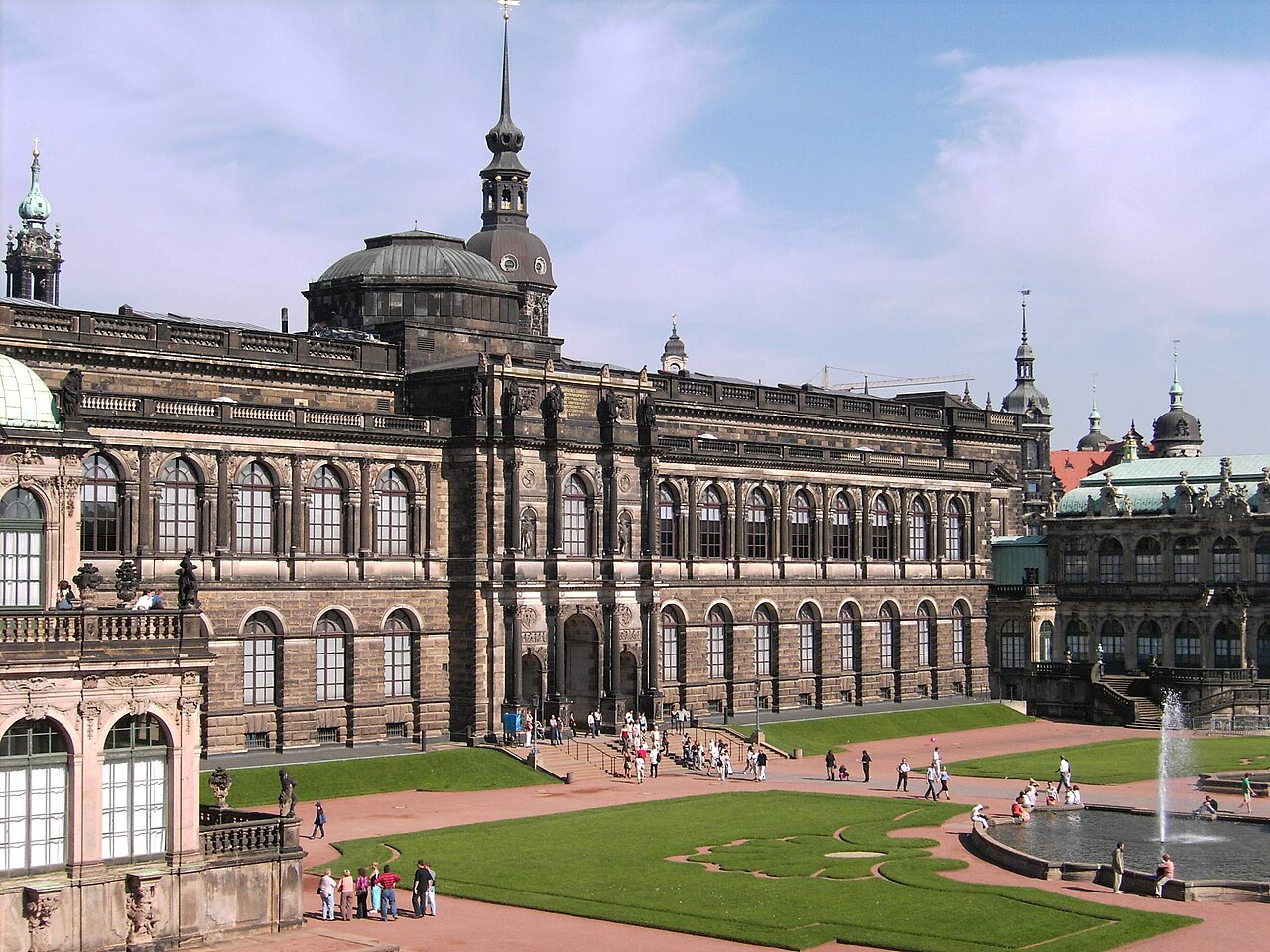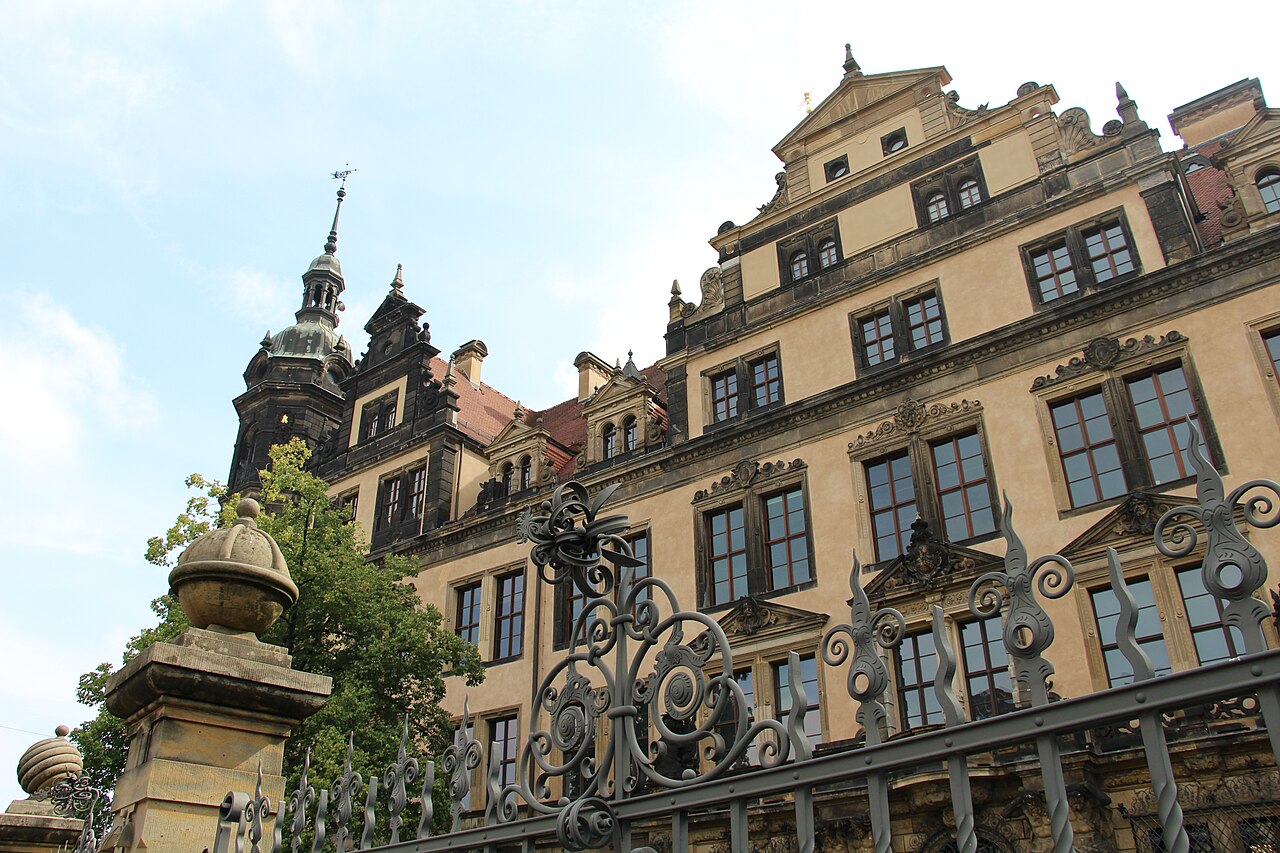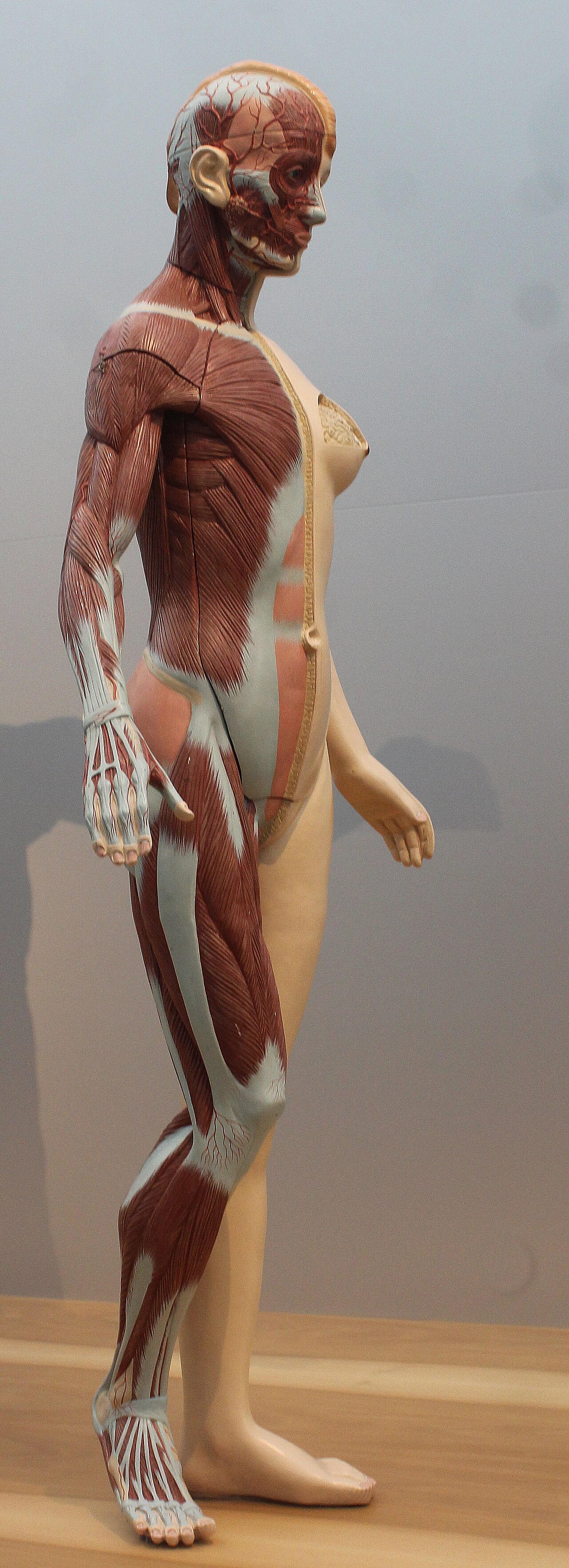
The German Hygiene Museum is a museum about people: how the body works, how we live and what it means to be human. The founder, Karl August Lingner, the Dresden entrepreneur behind Odol mouthwash, set up the institution in 1912 to spread health education, and the present building near the Great Garden was designed by Wilhelm Kreis and opened in 1930. Its best-known object is the Glass Woman, a transparent figure that shows the organs and blood vessels of the body, first shown in 1930 and now one of the museum’s emblems. Today the permanent exhibition, The Human Adventure, treats topics such as eating and drinking, sex, beauty, movement and death with hands-on stations, historical objects and art, and it encourages visitors to try things and think about the choices they make. The museum also stages temporary exhibitions that link science, history and contemporary society and has a strong programme for school groups. It is not a conventional medical museum, and that is part of its appeal.
How to visit
The museum is on Lingnerplatz on the edge of the Great Garden, reached by tram from the centre in a few minutes or by a pleasant walk through the park. Hours, prices, guided tours and the schedule for temporary exhibitions are on the museum’s website, and there is a weekly closing day, so check before you go. Allow time for the cafe, the shop and the garden around the building, which makes the stop feel like a half-day rather than a quick museum visit.
What to expect
Allow two to three hours. The Human Adventure is the main route and works as a series of rooms rather than a single timeline. You can test your senses, look at how bodies have been depicted in art and medicine, and read about the way ideas of health have changed. Many exhibits are interactive, which makes the museum good for children and teenagers, while adults will find the historical sections on eugenics, propaganda and the museum’s own past in the twentieth century thought-provoking and sometimes uncomfortable.
The Glass Woman is displayed with context that explains both the original design and the ideas behind it. The building itself is a fine example of modernist architecture from the period.
Making the most of it
Go in the morning, when school groups are fewer in the early weeks of term, and take the interactive stations slowly. The Great Garden is on your doorstep, so combine the museum with a walk to the Palace or the Zoo in good weather and with a visit to the museum cafe for lunch. In bad weather the museum is one of the best plans in the city, because it is so much more engaging than a static display.
If you are travelling with children, ask at the desk about the family offers and the temporary exhibitions designed for younger visitors, and bring a little time to explore the shop for science-themed gifts. The cafe is a pleasant place to compare notes after the exhibition, and the shop sells books, games and design objects, so leave a little time and budget for both before you head back into the park or the city.
What to expect
The experience
A modernist museum building with the Human Adventure permanent exhibition, the Glass Woman and changing shows.
Best time
A weekday morning, or any rainy day.
How long
Two to three hours.
Tips
Check the weekly closing day and the temporary exhibitions on the museum’s website, and combine it with a walk in the Great Garden.
Quick picks
- Best for
- Curious visitors, families with older children and anyone who likes interactive science.
- Families
- Hands-on stations make it one of the best museums in Dresden for children and teenagers.
- Couples
- A thoughtful rainy-day outing with a garden walk before or after.
- Pair with
- The Great Garden and Dresden Zoo, both next door.
- Time needed
- Two to three hours.
Good questions
What is the Glass Woman?+
It is a transparent figure that shows the organs and blood vessels of the body, first presented in 1930 and long a symbol of the museum.
Where is the German Hygiene Museum?+
It is on Lingnerplatz beside the Great Garden, a short tram ride from the Old Town.
What is The Human Adventure?+
It is the museum’s permanent exhibition, which explores the body and human life through hands-on stations, objects and art.
Is the Hygiene Museum good for children?+
Yes, many exhibits are interactive, and the museum runs programmes for school groups and families.
Is the museum open every day?+
There is a weekly closing day, and hours change for holidays and exhibitions. Check the hours and prices page for your date.