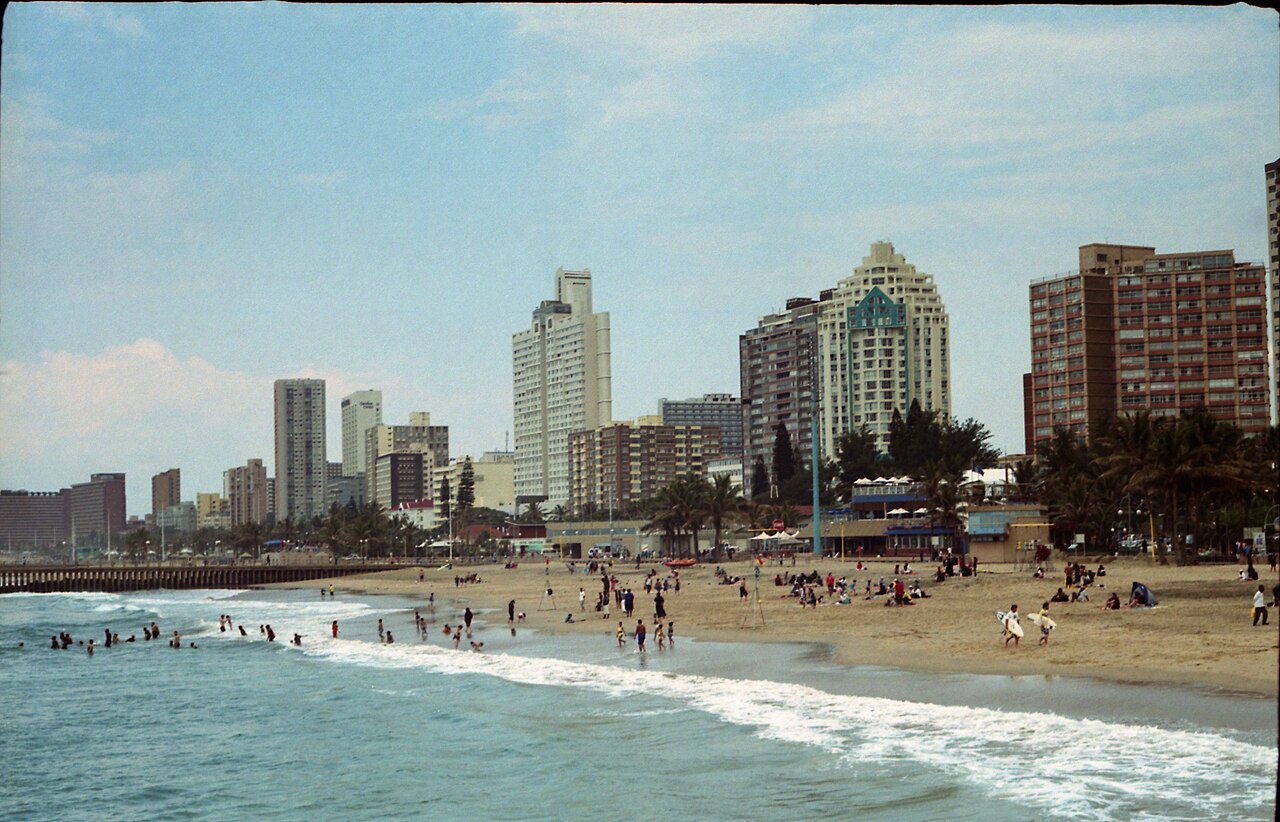
Durban is one of the few big South African cities that is genuinely pleasant all year, which is why it has long been a holiday destination. The seasons are less about whether you can visit and more about what you want to do when you get here. This guide sets out what each part of the year offers so you can match your dates to your plans.
Summer, from December to February
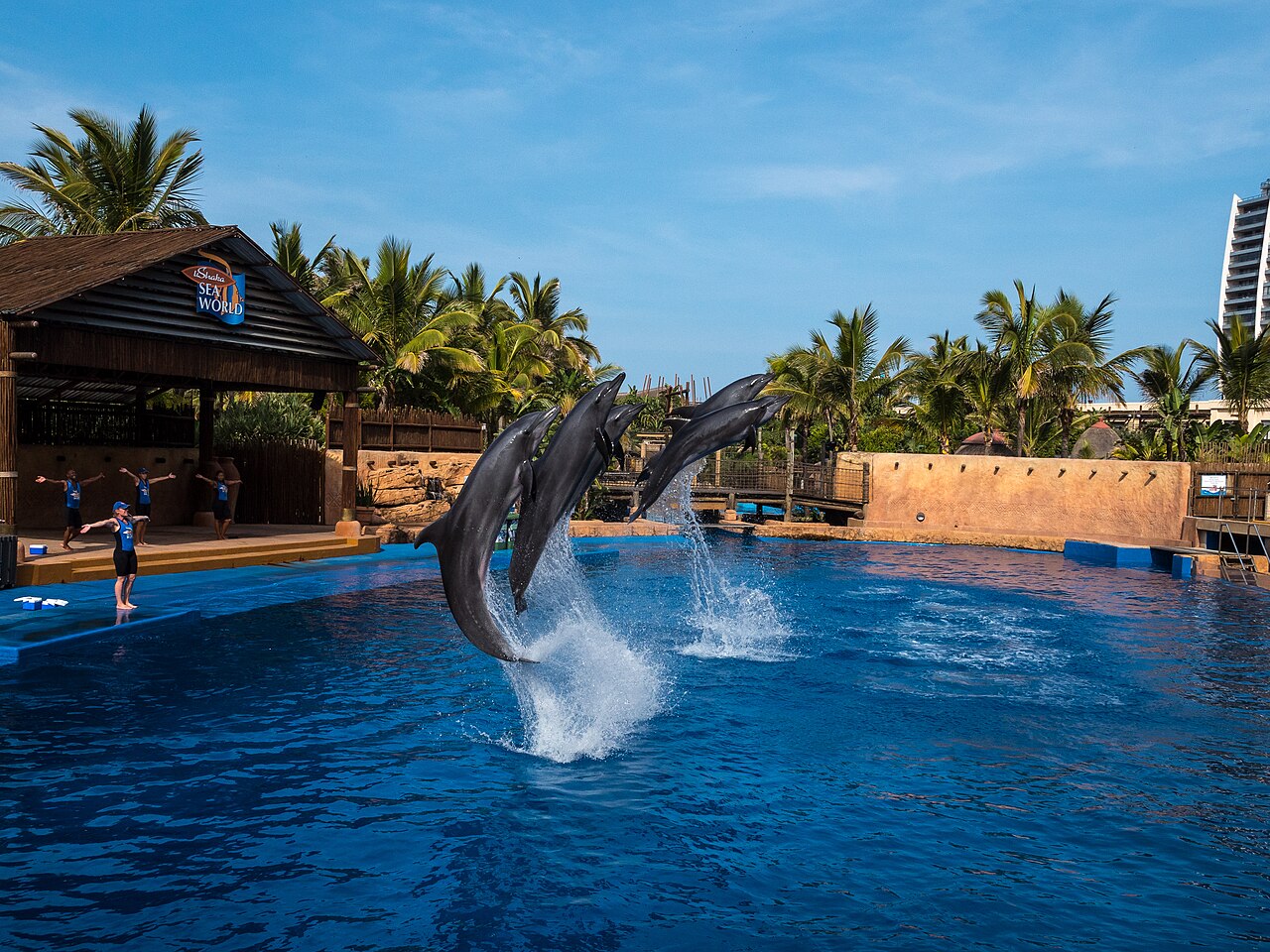
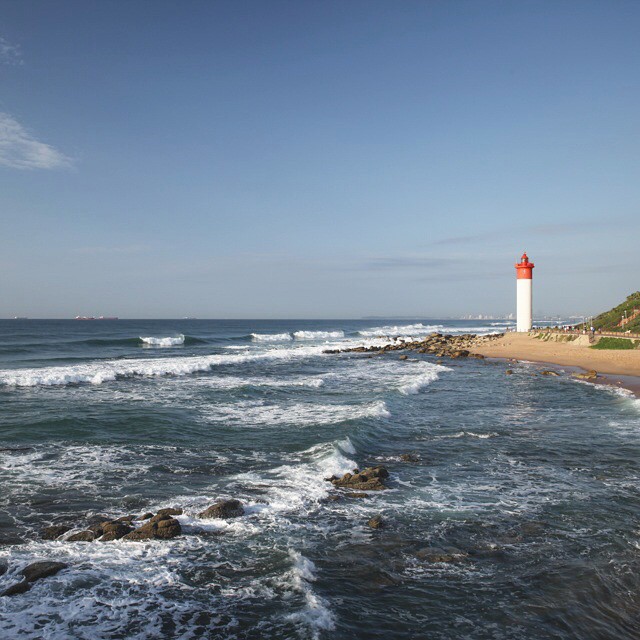
Summer is hot, humid and the busiest time on the beachfront. The sea is at its warmest, the Golden Mile is full of families, and the paddling pools and the Wet n Wild water park at uShaka Marine World are at their best. Expect heat and humidity, and be ready for afternoon thunderstorms that arrive quickly and clear just as fast. Late December and January are South African school holidays and the peak period for domestic tourism, so beachfront hotels fill, prices rise and the promenade is crowded. Book accommodation and day trips well ahead, and note that opening hours at uShaka and some other sights change in peak season, so confirm before you travel. January and February can be very hot and humid for walking at inland sites such as the Phoenix Settlement in Inanda, so keep outdoor visits to the morning.
Autumn, from March to May
Autumn is a quiet, comfortable shoulder season. The heat eases, the crowds thin and the sea is still warm enough for swimming early in the season. The Easter period brings a short burst of domestic travel, so book ahead if your dates include it. This is a good time for the cultural walking tour, the Victoria Street Market and the Botanic Gardens, because walking is comfortable and prices are generally gentler than at New Year. From May the first whales begin to appear along the coast.
Winter, from June to August
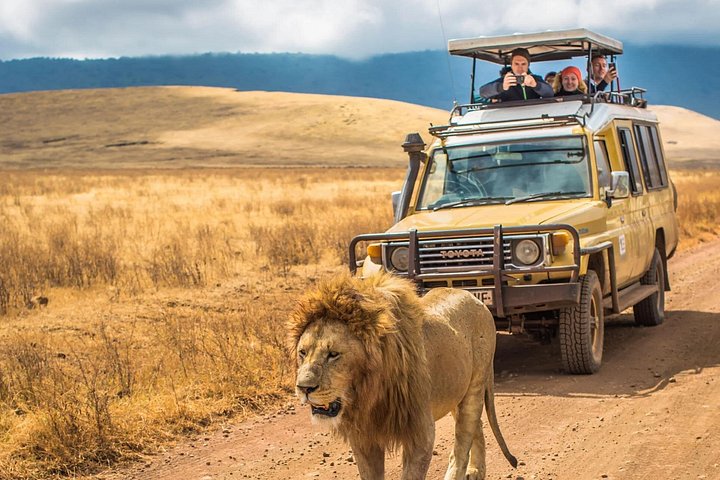
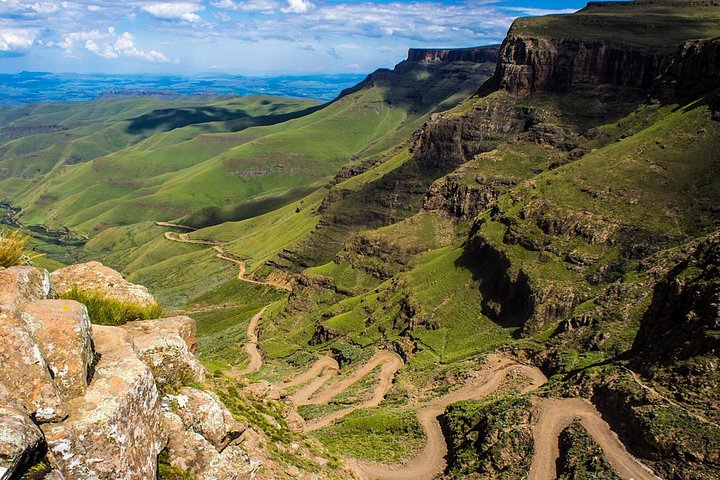
Winter in Durban is mild and mostly dry, with warm, sunny days and cooler mornings and evenings, which makes it the most comfortable season for walking and sightseeing. The sea is much colder than in summer, so winter is a beach-walking season more than a swimming one. It is also the best time for wildlife. In the dry months animals gather near water and the bush is thinner, which gives clearer views at Hluhluwe-iMfolozi and Tala Game Reserve. The St Lucia hippo boat safari is rewarding all year, because hippos are in the water during the day. In the Drakensberg, the air is crisp and views are clear on dry days, but winter can bring snow and ice to the high passes, which can change or shorten the Sani Pass route, so allow a spare day if the weather looks uncertain. Mid-year is also a quieter, cheaper time for hotels, apart from the school holidays that fall in the middle of the year.
Spring, from September to November
Spring brings warmer days, green hills and fewer visitors than summer. The Botanic Gardens are at their freshest, and the Valley of a Thousand Hills looks lovely after the first rains. It is a good time for the Drakensberg day trip, with long daylight hours and clearer air. The sea warms through the season, and by November the beachfront is lively again.
Whale watching
Southern right whales can be seen from the coast between May and September, and humpback whales arrive around the same time and stay until late November. The raised O'Connor Promenade at Umhlanga is a good vantage point, though sightings from shore are never guaranteed. Boat trips can be arranged for closer views. If whales matter to you, plan for the winter and early spring months, and bring binoculars.
Choosing for your trip
For a classic beach holiday, travel in summer and book early. For comfortable sightseeing, safari and fewer crowds, choose May to October. For a balance of warm sea and manageable crowds, the shoulder months of March, April, October and November are a good compromise. Families tied to school holidays should plan for heat and crowds and start every outing early.
Practical tips for any season
The sun is strong all year, so pack a hat, sunscreen and comfortable shoes. Swim only in the designated zones where lifeguards are on duty and follow the flags and signs. Bring a light waterproof layer in summer and a warm layer for early mornings and for the mountains in winter. Long day trips start early whatever the season, so go to bed with the alarm set. Check opening hours before you travel, since some attractions keep shorter schedules outside the peak season.