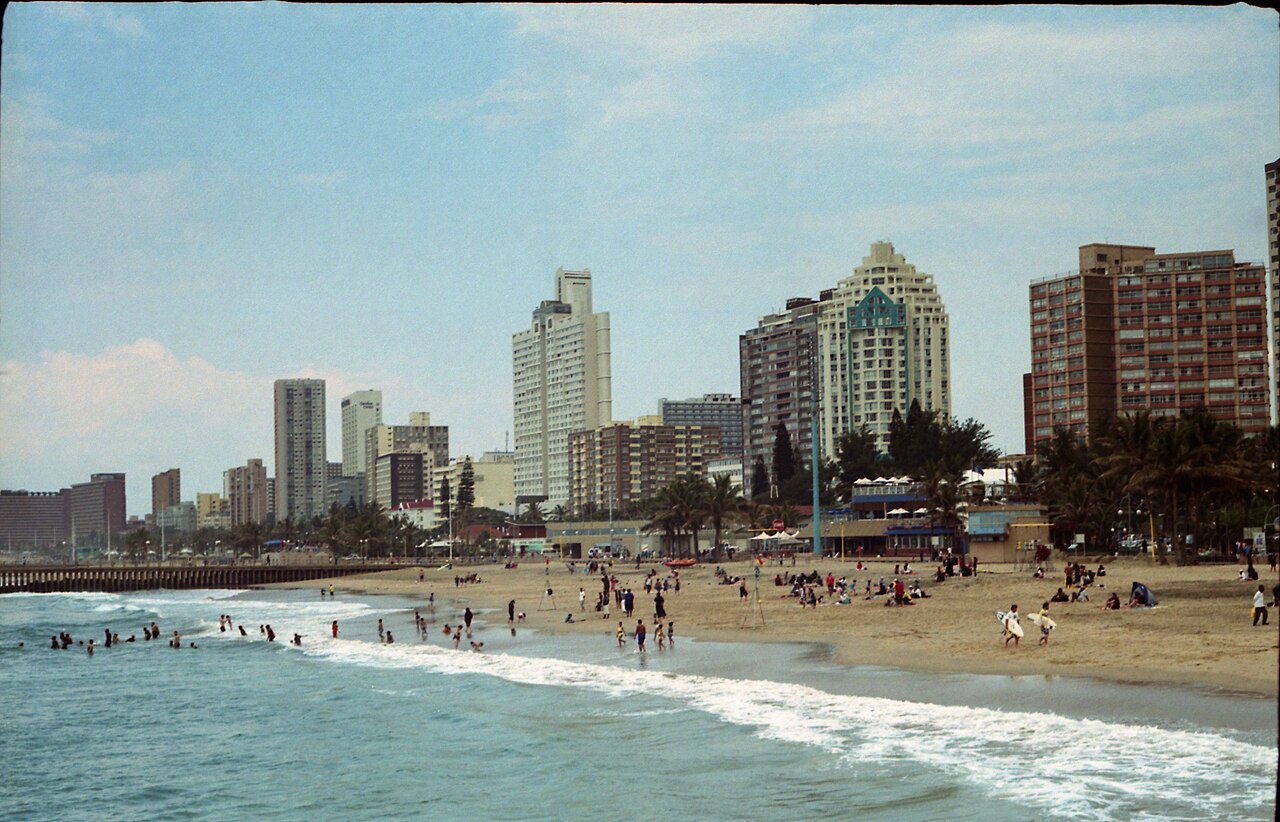
Durban rewards a slow pace. The heat, the length of the beachfront and the distance between the sights all argue against cramming, and three days is enough to see the city properly and still get out of town once. This plan puts the sea first, the old Indian quarter second and a longer excursion third, with notes on how to swap days around if the weather changes.
Before you start
Most visitors base themselves on the beachfront, which keeps the sand and the promenade at the door, though Musgrave and Umhlanga are calmer alternatives. Whichever you choose, use taxis or ride-hailing cars between areas rather than walking, and keep a handful of small rand notes for market stalls and tips. The city is hot and sunny for much of the year, so a hat, sunscreen and a refillable water bottle matter more than any guidebook advice.
Day one: the beachfront and uShaka
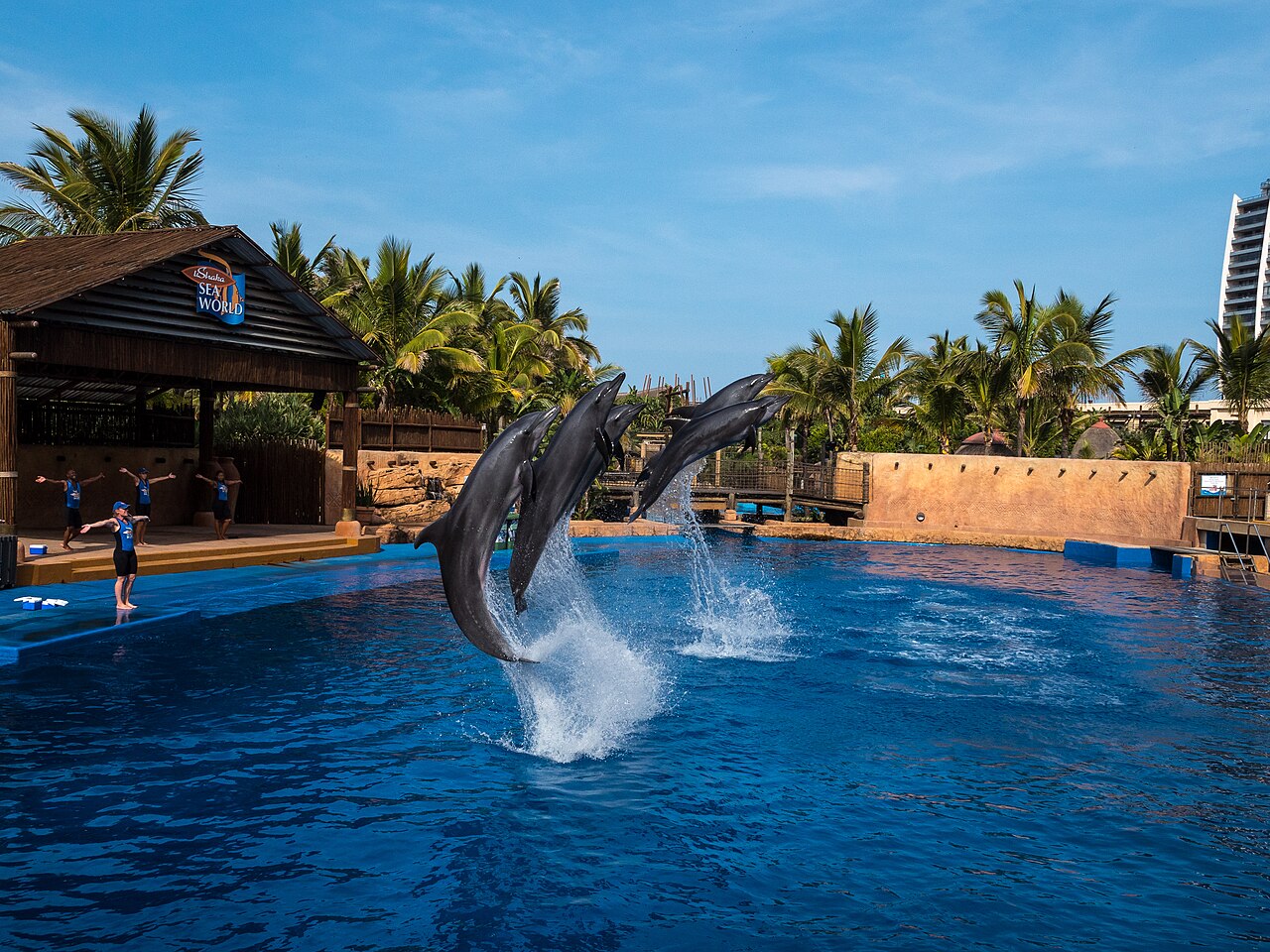
Start early on the Golden Mile, the broad paved promenade that runs along the Indian Ocean. In the cooler morning light you will meet joggers, anglers on the piers, rickshaw riders in colourful costume and families heading for the paddling pools. Walk as much of it as you like; the whole length takes about two hours without stops, and a half day is realistic once you add a swim and a coffee. Swim only in the marked zones where lifeguards are on duty. Have lunch with a sea view, then head south to uShaka Marine World for the afternoon. Sea World, the aquarium built around a sunken-ship theme, is the main draw, and the dolphin, seal and penguin shows run during the day. If you have children and warm weather, the Wet n Wild water park is the alternative to the aquarium. The free Village Walk of shops and restaurants is a pleasant place to end the day. If you want something gentler, the short Point Waterfront canal cruise leaves from a shop inside the complex and gives a half-hour look at the harbour area.
Day two: the city centre and the Indian quarter
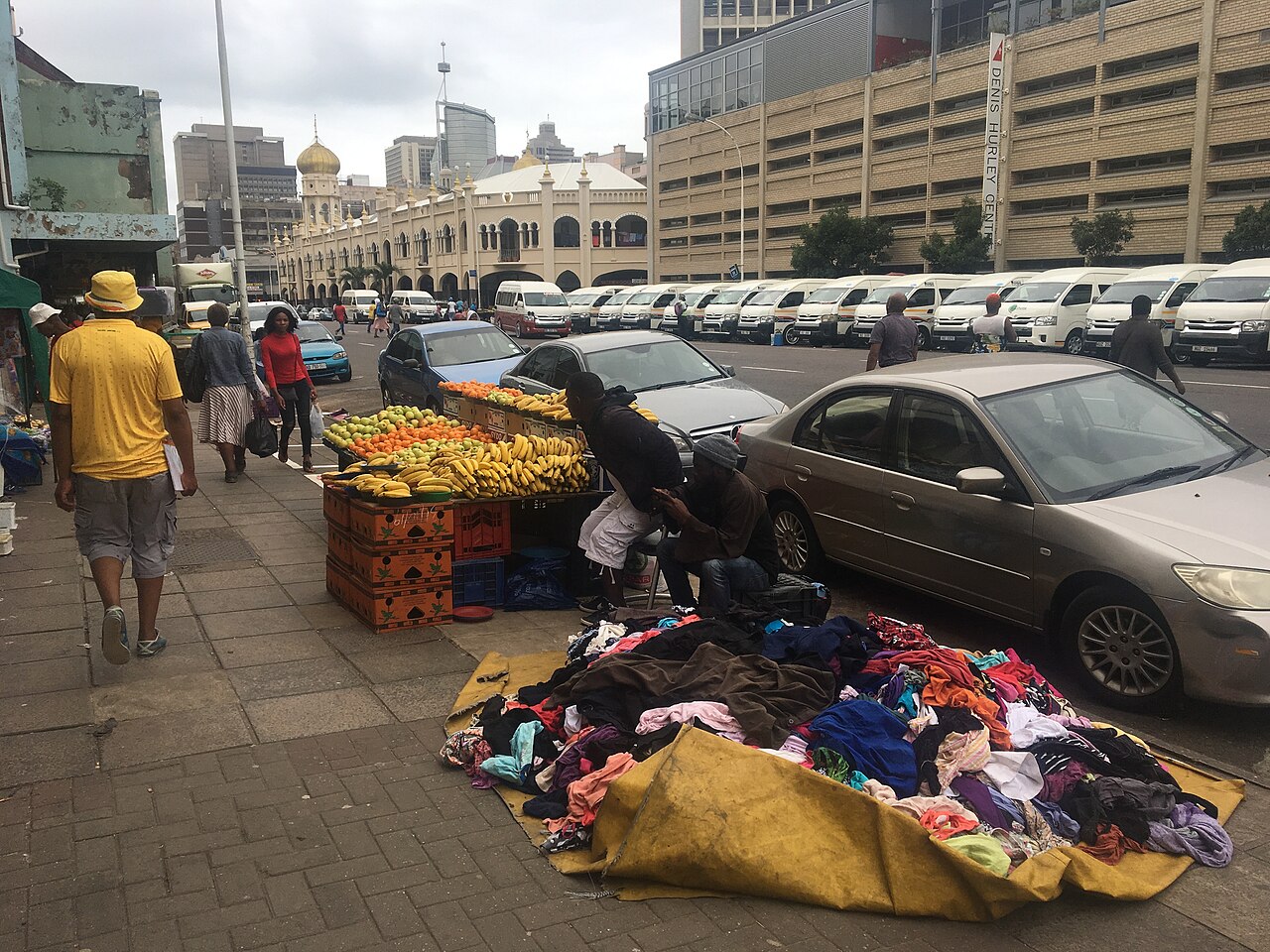
Spend the morning in the old centre, where Durban's Indian heritage is easiest to see. Begin at the covered Victoria Street Market, known locally as the Vic, which has more than 170 stalls of spices, textiles, baskets and beadwork. Go in the morning, when the air is cooler and the produce is fresh, and bargain politely; a smile is worth more than a hard line. A few streets away, the gilt-domed Juma Masjid on Grey Street is one of the city's landmarks and is described by Durban tourism as the largest mosque in the Southern Hemisphere. Dress modestly, remove your shoes where asked and avoid visiting during prayer times, particularly Friday midday. If you would rather have a guide, the small-group cultural walking tour combines the market, the beachfront and a lunch in about five to six hours and works well as a first-morning orientation instead.
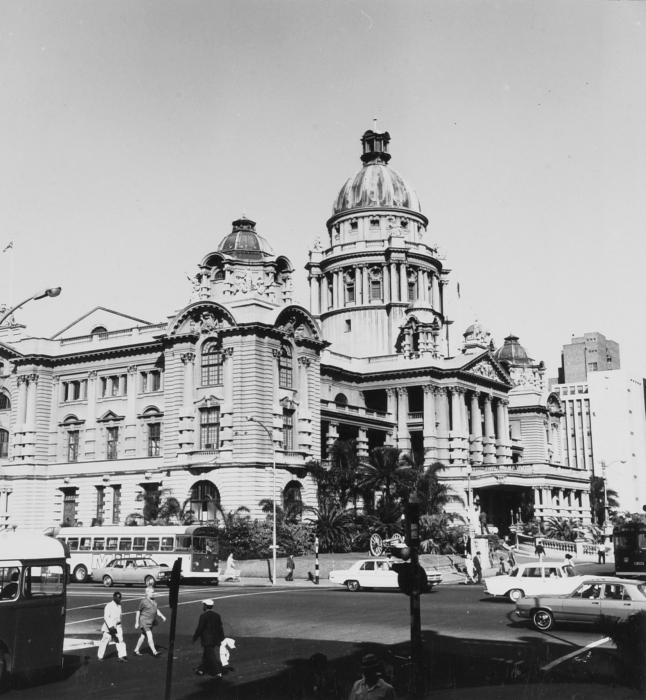
After lunch, visit the Edwardian City Hall on Pixley Ka Seme Street. The Durban Art Gallery occupies the second floor, and the Natural Science Museum is in the same building; both are free, quiet and air-conditioned enough to be a welcome break from the heat. Finish the afternoon at the Durban Botanic Gardens in Musgrave, founded in 1849 and open every day. It is a shady place for a slow walk past the lake, and there are golf cart tours for visitors who prefer not to walk.
Day three: choose one trip out of town
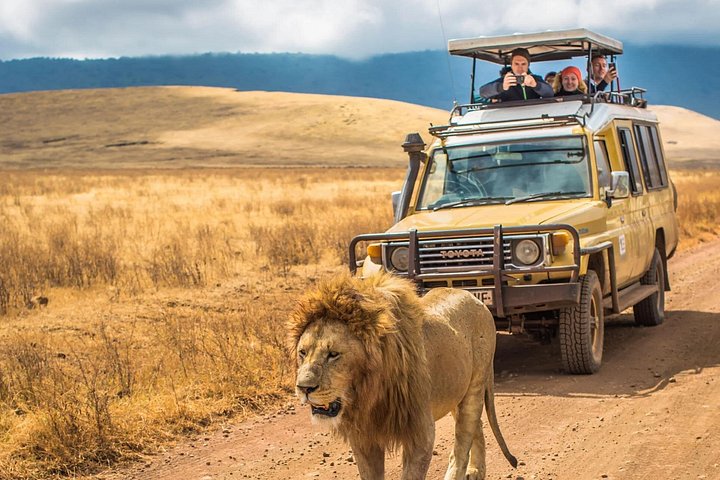
Durban sits within reach of some of the best wildlife and mountain scenery in southern Africa, and day three is where you decide what kind of traveller you are. For wildlife, the full-day Hluhluwe-iMfolozi trip is the classic choice for Big Five country and rhinos, and the shorter Tala Game Reserve half day gives you a safari feel with less driving. For mountains, the Drakensberg day takes in Howick Falls and the Nelson Mandela Capture Site on the way to the escarpment, while the Sani Pass 4x4 climbs into Lesotho for a more adventurous journey. For something gentler, the Valley of a Thousand Hills with Phezulu takes four to five hours and pairs the view with a Zulu cultural village. For history, the Isandlwana and Rorke's Drift tour is a full day of storytelling on the battlefields of the Anglo-Zulu War. All of these start early, so book ahead in the December and January holidays and keep a spare day if the weather is uncertain.
If you have a fourth day
Add the Umhlanga promenade, a flat, paved seaside walk past the lighthouse to the lagoon nature reserve, or the St Lucia hippo boat safari if you want a second wildlife day. If you have only two days, combine days one and two by doing the beachfront in the morning and the Vic and City Hall in the afternoon, and skip the day trip.
Practical notes
Mornings are the best time for markets and walking, and the middle of the day is for the aquarium, the galleries or a long lunch. Durban is known for its Indian-influenced food, so plan at least one curry meal, and a bunny chow is the local street dish. Keep valuables out of sight, carry only what you need and take a taxi after dark. Check opening hours before you go, since some attractions keep shorter hours outside the peak season.