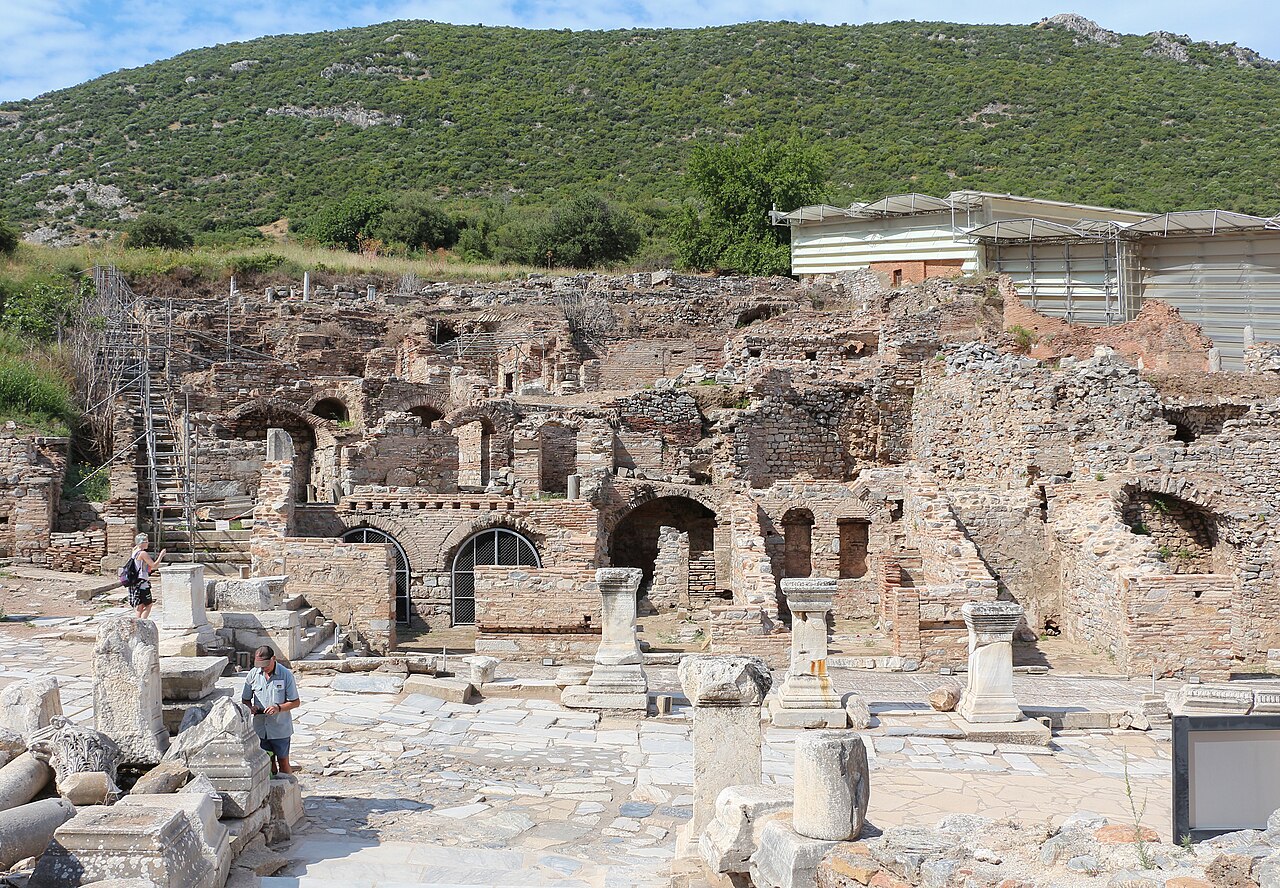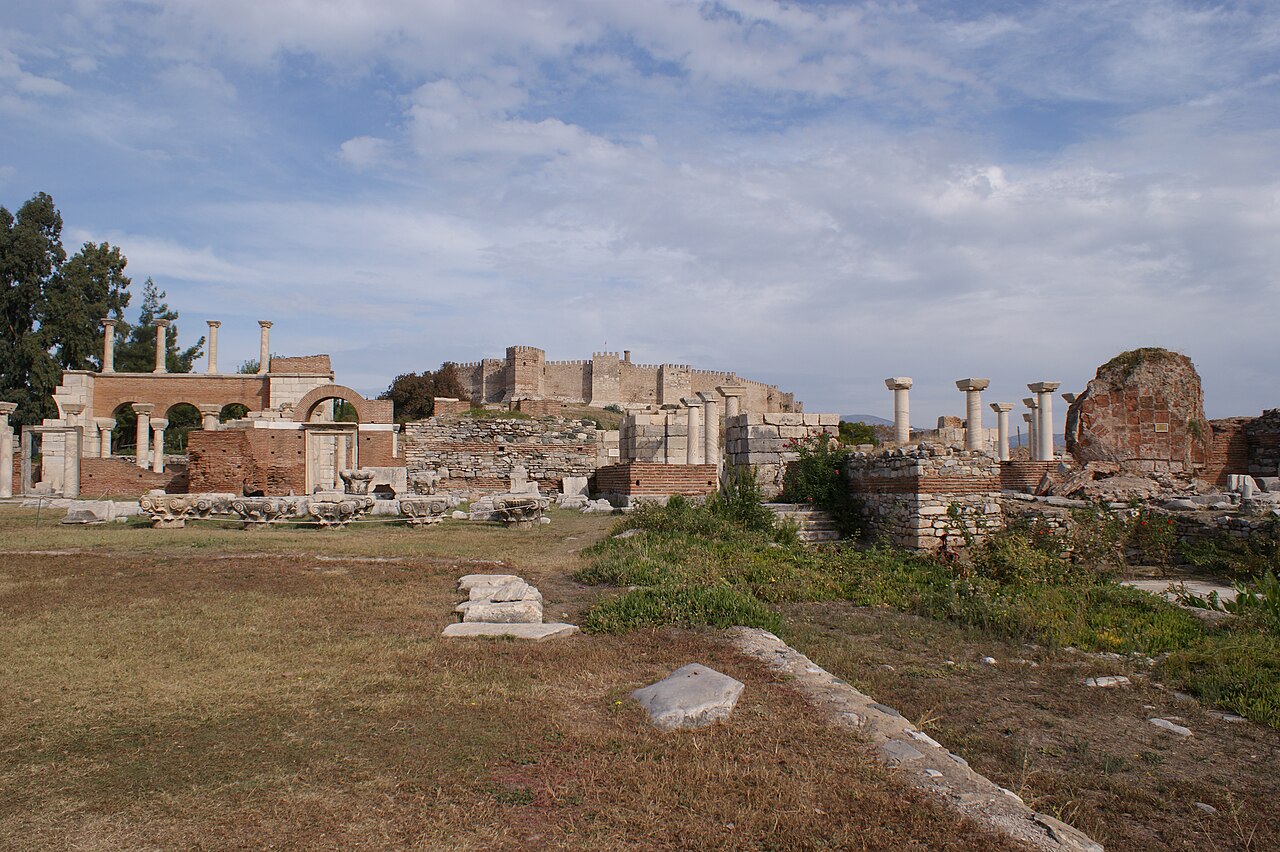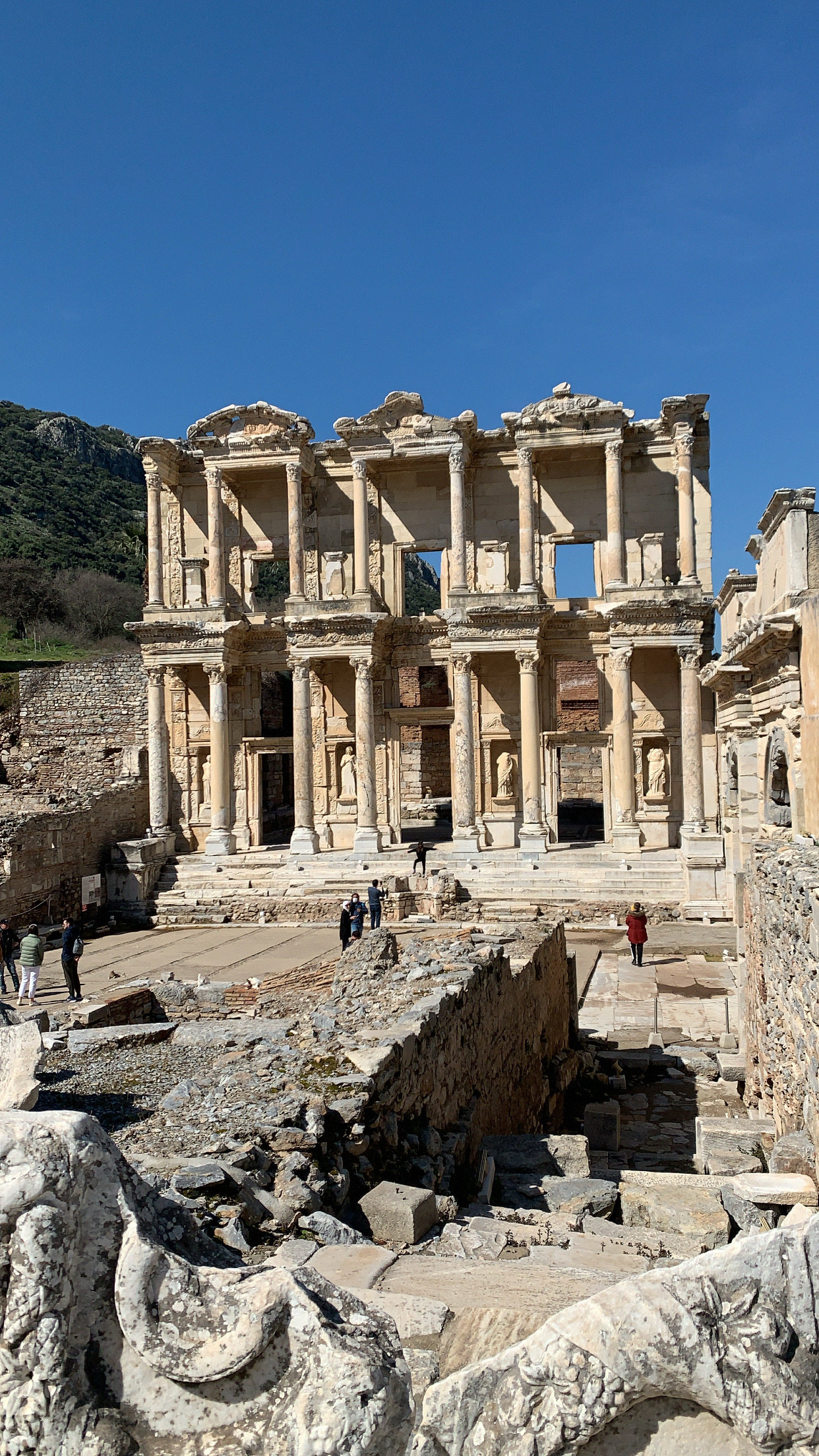
Ephesus was among the largest cities of the Roman east, a port, a banking centre and the seat of the provincial governor, and today it is the best-preserved classical city on the Aegean coast. The site sits just outside Selçuk and is a UNESCO World Heritage property. You walk along marble-paved streets that were laid out two thousand years ago, past fountains, baths, public latrines, shopfronts and the grand civic buildings of a city that once numbered in the hundreds of thousands. The classic route enters at the upper gate and slopes gently downhill along Curetes Street, passing the Temple of Hadrian, the terraced houses of the wealthy, and the Library of Celsus, whose restored two-storey facade was completed in the early second century AD as a monument to the Roman senator Celsus. Beyond it, Marble Street leads to the Great Theatre, a vast bowl cut into the hillside of Mount Pion that held tens of thousands of spectators and where, according to the New Testament, Saint Paul's preaching provoked a riot. The ancient city has a single ticket valid at either gate, and it includes entry to the Ephesus Experience Museum. Audio guides are available at the site, and most visitors either hire a licensed guide at the gate or join a pre-booked tour.
Understanding the layout makes the visit far richer. Ephesus began as a Greek colony, flourished under Rome and later became an important early Christian centre, visited by Saint Paul and associated with Saint John and the Virgin Mary. The harbour that once connected the city to the sea silted up over the centuries, which is why the ruins now stand several kilometres inland. At the lower end of the site, the Harbour Street, once lined with columns, ran to the quay, while the agora and the Great Theatre sat at the heart of civic life. Treat the site as a long downhill street with branches, not a single monument.
Plan the practicalities carefully. The site is open every day, usually from eight in the morning, and the ticket office closes in the late afternoon, later in summer. Check the current hours and prices on the Ministry of Culture and Tourism page for Ephesus before you travel, because the ticket price is set in euros for foreign visitors and is reviewed regularly. The terraced houses have their own separate ticket and are covered on their own page. Conservation work happens on the site, including restoration around the Great Theatre, so occasionally a stretch of road is closed and the usual route is adjusted. In summer the marble reflects the heat and there is little shade, so bring a hat, water and sunscreen, wear shoes with grip, and begin as early as you can.
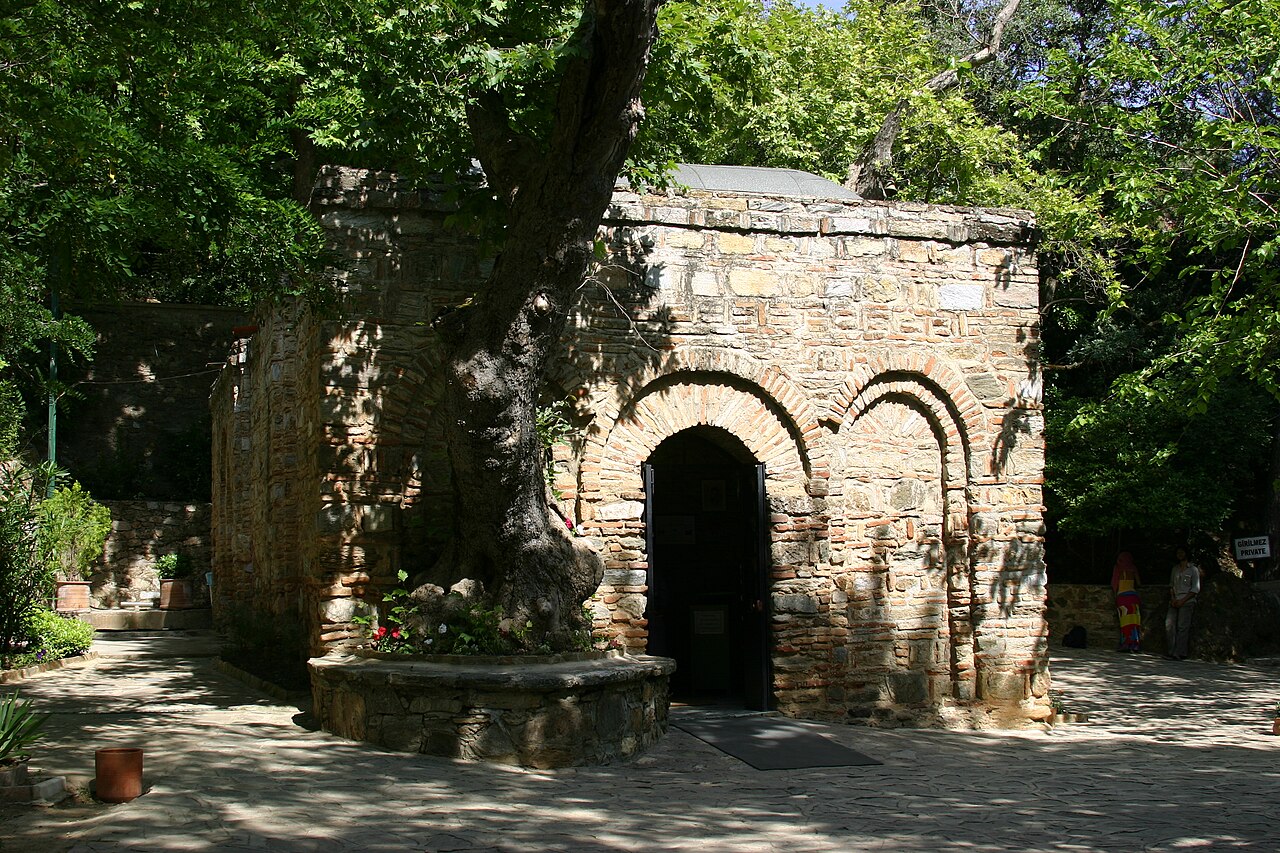
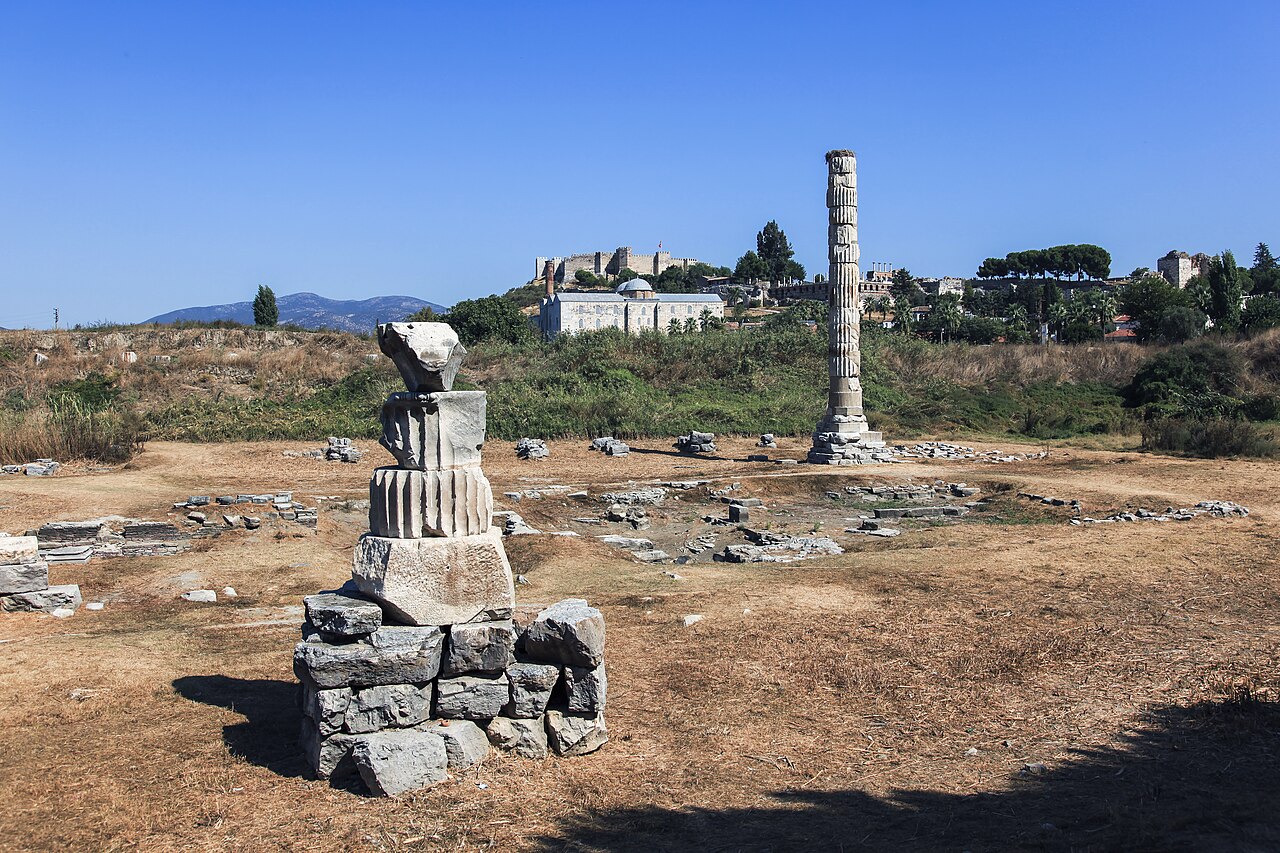
Choosing how to see it: a licensed guide adds the stories that the ruins do not tell themselves, and a half-day or full-day tour combining Ephesus with the House of the Virgin Mary and the Temple of Artemis is the efficient way to cover the area. Independent visitors can reach the lower gate from Selçuk by taxi or on a short drive, and the upper gate by taxi, which allows a downhill walk. If you are staying in Selçuk, the ruins are a short ride away, which makes an early start easy before the cruise-ship crowds arrive from Kuşadası.
What to expect
The experience
A self-guided or guided walk down the marble streets of the Roman city, from the upper gate past the Temple of Hadrian and the Library of Celsus to the Great Theatre.
Best time
At opening in the morning, or in the last hours before closing; in summer avoid the midday heat and the cruise-ship rush.
How long
Three to four hours at an unhurried pace, longer if you add the terraced houses and the Experience Museum.
Tips
Enter at the upper gate and walk downhill, carry water and a hat, wear sturdy shoes, and book a guide or tour in advance in busy months.
Quick picks
- Best for
- Every first-time visitor to the Aegean coast; it is the reason most people come.
- Families
- Children enjoy the theatre and the long marble streets, but there is little shade, so go early and bring water.
- Couples
- A late-afternoon walk down Curetes Street in softer light, ending at the Library of Celsus.
- Pair with
- The Terrace Houses, the Ephesus Museum in Selçuk and the House of the Virgin Mary.
- Time needed
- Allow half a day including travel.
Good questions
How long do I need at Ephesus?+
Three to four hours covers the main street, the library and the theatre comfortably. Add another hour if you want the terraced houses and the Experience Museum.
Which gate should I use?+
The upper gate lets you walk downhill past most of the highlights, which is far easier in the heat. A taxi or tour can then collect you from the lower gate.
Do I need to book tickets in advance?+
Entry is by a single ticket bought at the gate or online, and queues are shortest in the morning. A pre-booked tour with entry included saves time in peak season.
Is Ephesus accessible with a stroller or wheelchair?+
The marble paving is uneven and polished, so it is difficult for wheelchairs and tiring with strollers. The main street is mostly flat or gently sloping, but plan for assistance.
Is a guide worth it?+
Yes for most visitors, because the ruins are much easier to understand with context. Licensed guides are available at the gate, or you can choose a small-group tour.