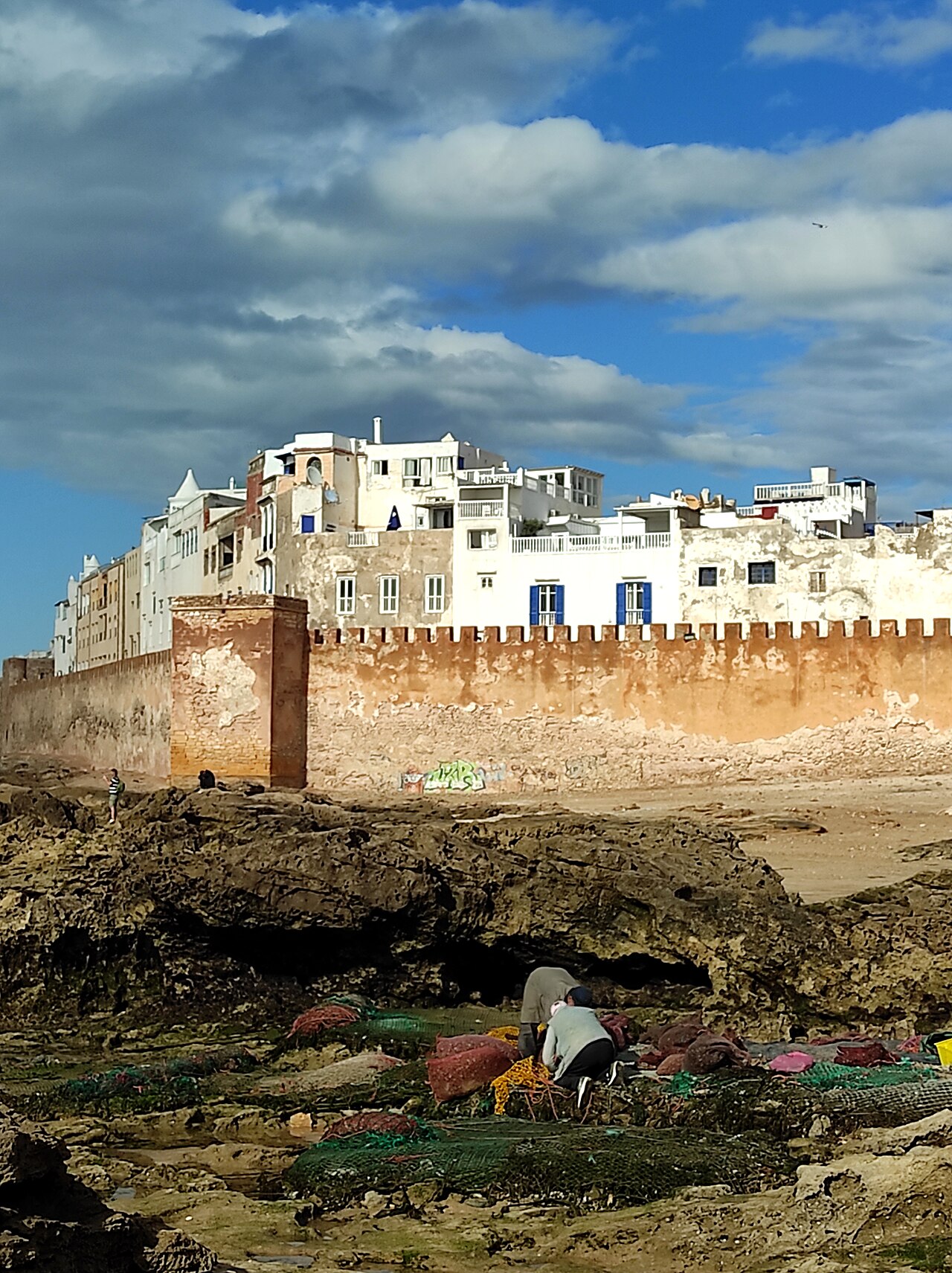
Essaouira is one of Morocco's easiest and most pleasant stops: a compact, whitewashed port town on the Atlantic, with a World Heritage medina, old sea ramparts, a working fishing harbour and a long beach swept by wind. It is smaller and calmer than Marrakech and more relaxed than the imperial cities, and it rewards slow wandering rather than ticking off a checklist.
Book ahead: the short list
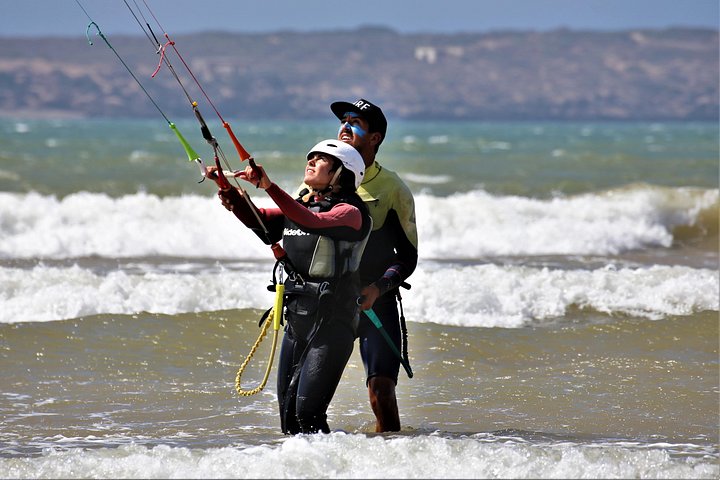
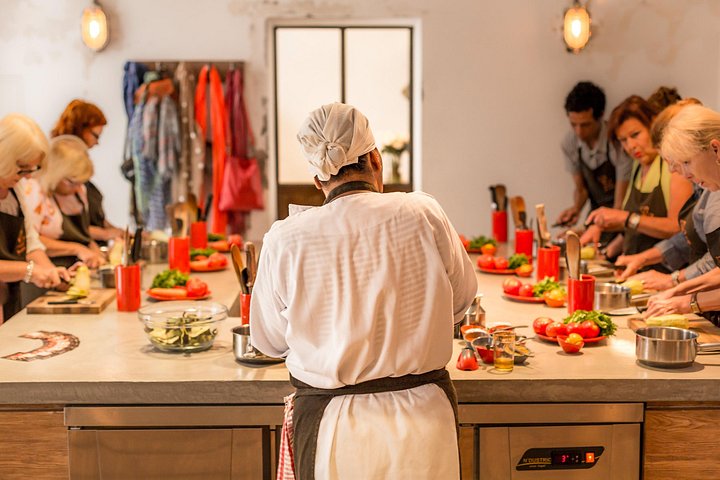
Most of the town needs no booking. The medina, the Skala de la Ville ramparts, the fishing port and the beach are free to walk. Reserve the activities that depend on a provider: a kitesurf lesson, the beach and dunes horse ride (especially the sunset slot), the cooking workshop and the argan cooperative trip. The guided medina walk with street food is a good first-day plan. If you want a hotel inside the walls, book early in the spring and autumn peaks.
How long to stay
The Moroccan tourism board suggests allowing two days, and that is a good minimum. One full day covers the medina, the ramparts and the port. A second day adds a lesson, a ride or a workshop. Three days lets you slow down, try the argan trip and spend an afternoon on the beach. If you are travelling on from Marrakech or Agadir, each is about two and a half hours by road, so the town works well as a night or two on the way.
Getting around
You will walk. The medina is compact and the street plan is more regular than in Fes or Marrakech, so it is easy to find your way with the sea as a landmark. The beach, the ramparts and the harbour are all within a short stroll of each other. Taxis are useful for the airport, which is a short drive from town, and for trips along the coast, and hotels can arrange shuttles. Cars are best left outside the walls.
Where the sights fit
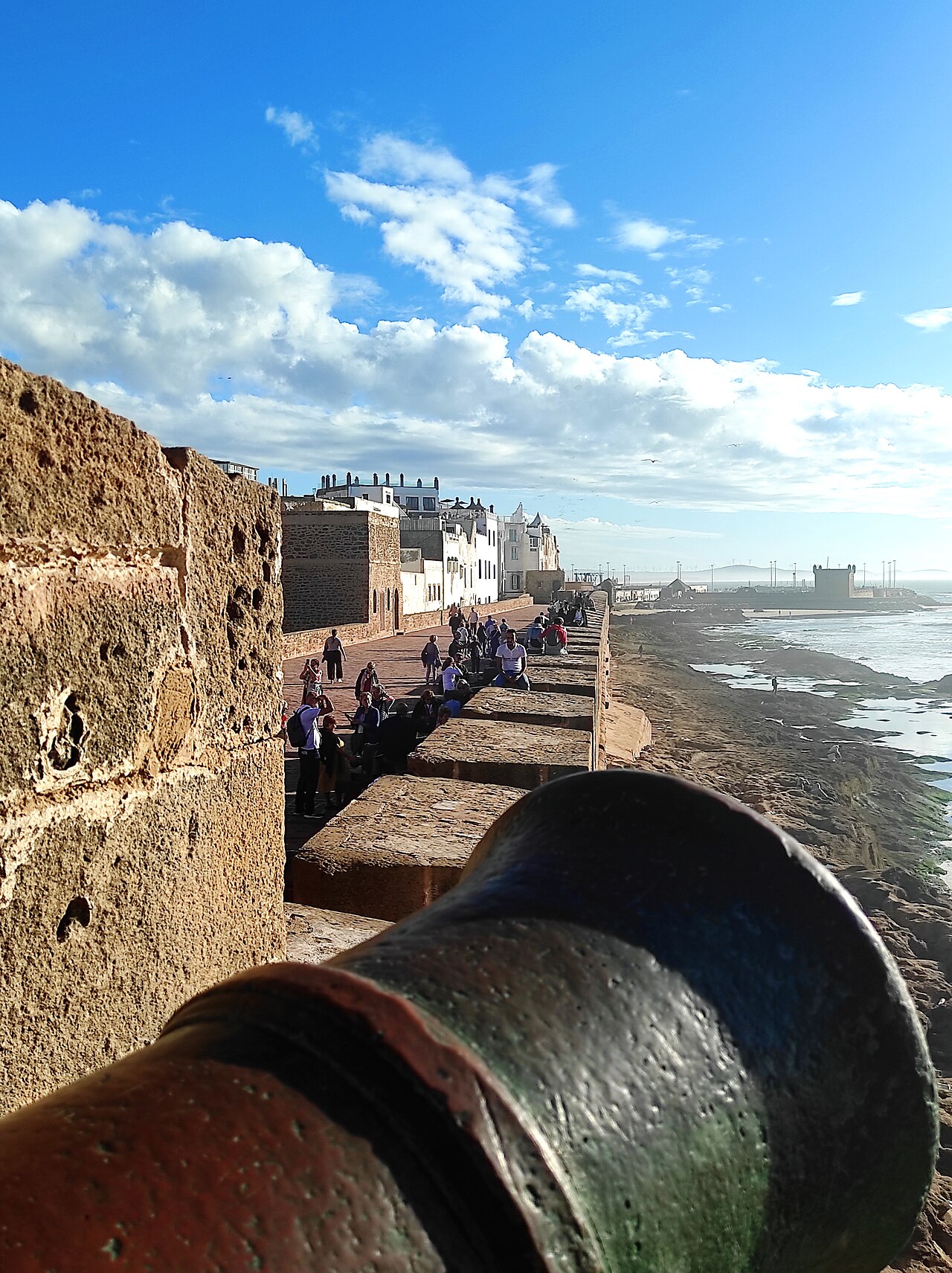
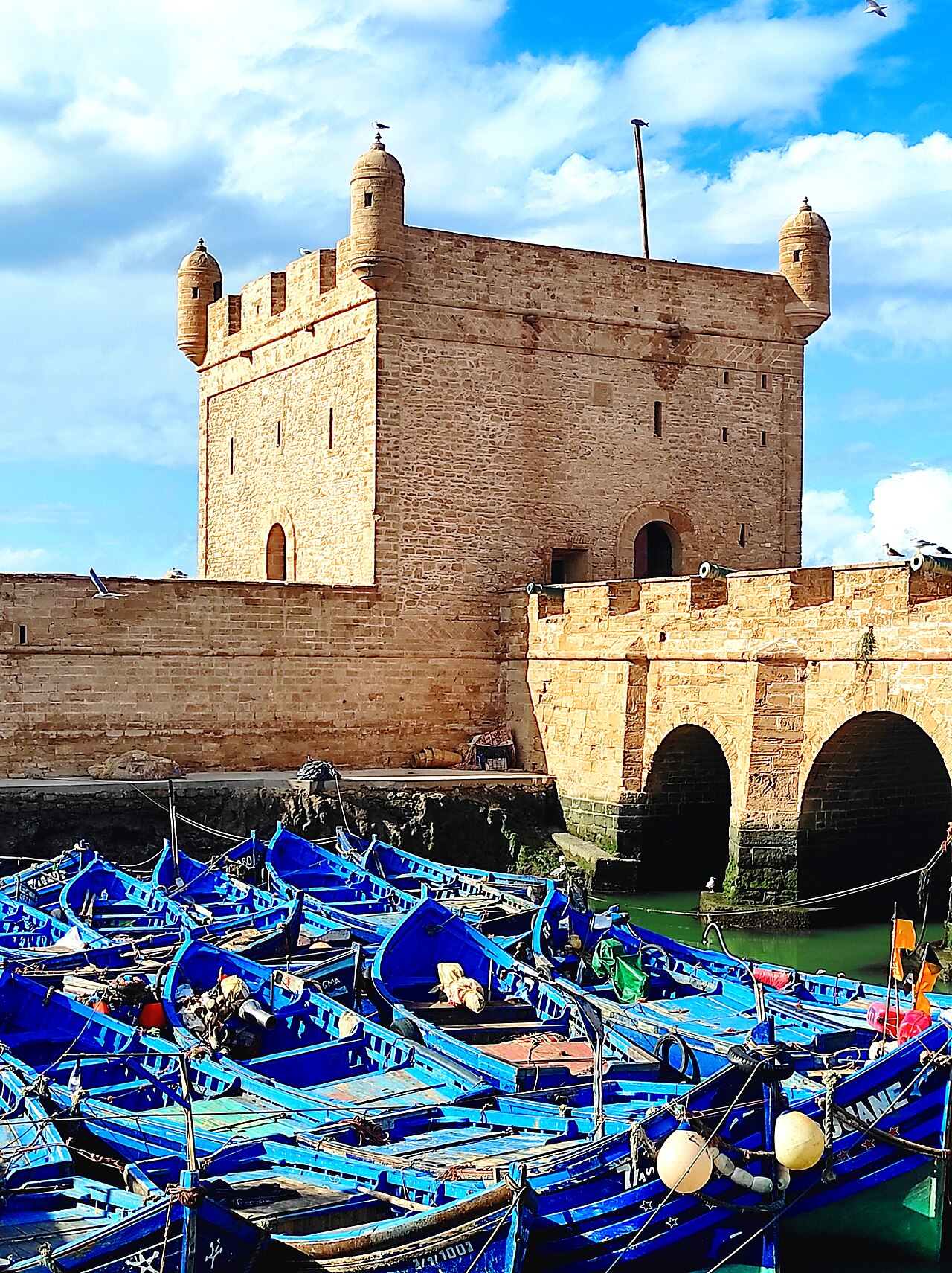
Start at the medina, then walk to the Skala de la Ville for the cannons and the view, and on to the Skala du Port, which looks down on the fishing harbour. Descend to the harbour through the stone arch to watch the boats, and finish with fish grilled at the evening market. The beach runs south from the walls toward the dunes and is best for walks, kites and a horse ride. The mellah, the former Jewish quarter, sits in the north-east of the medina and is quieter and more weathered.
Wind and weather
A northwesterly trade wind blows throughout the year and is stronger in summer. It is why the bay is famous for kitesurfing, and it is also why you should always carry a windproof layer, even on a bright day. The sea is cool all year, so water sports need a wetsuit. According to a travel guide, spring is perhaps the best time overall, and the tourism board describes spring and autumn as ideal, while summer is livelier on the coast. The Gnaoua music festival takes place each summer.
What to wear and how to behave
Dress modestly in the medina, covering shoulders and knees, and bring shoes with grip for the stone lanes. Bargain politely in the souks, agree prices before fish is cooked or a camel is mounted and keep small notes for tips. Ask before photographing people. Check opening hours on arrival, as they can change.
Food
Fish is the local specialty. Eat at the harbour for fresh grilled fish, try a tagine in the medina and consider a cooking workshop to learn how it is done. The street food walk is a good introduction if you are unsure where to start.