Many people assume the Everglades can only be seen from a boat. In fact, a good deal of it can be seen on your own, by car, on foot and after dark. A self-guided visit costs less, runs on your schedule and rewards patience, and it pairs well with one guided activity such as an airboat or a boat tour. This guide lays out the routes and stops that work best for independent travelers.
The main park road
The core of a self-guided visit is the road from the Homestead entrance south to Flamingo, roughly 38 miles. Start at Royal Palm for the Anhinga Trail, a short boardwalk loop where alligators, turtles, anhingas and herons are often within a few yards. Continue to the pinelands and the Pa-hay-okee overlook, which gives a wide view across the sawgrass, then stop at Mahogany Hammock, West Lake and the mangrove edge as time allows. At Flamingo, the road ends at Florida Bay, where birds, manatees and crocodiles can be seen. Download an audio guide before you enter, because cell coverage is weak, and fill the tank and buy water and food in Homestead or Florida City first.
The Tamiami Trail
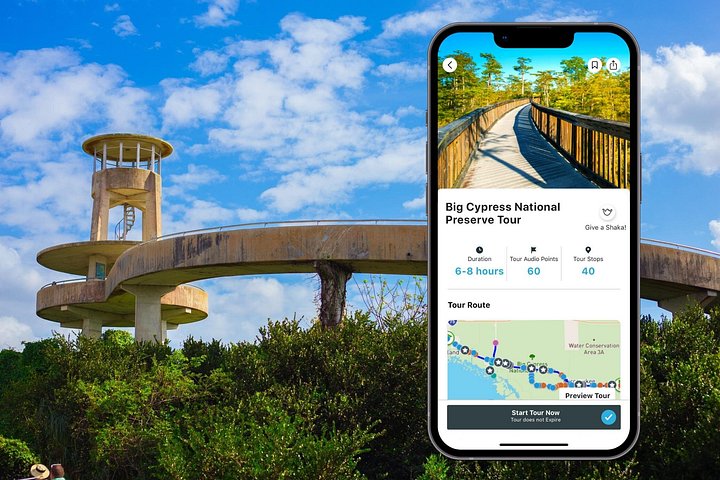
The second route runs west from Miami along US 41 through the northern Everglades. Here the highlights are Shark Valley, with its 15-mile loop that you can walk, cycle or ride by tram, Big Cypress National Preserve and its visitor center, the Ochopee post office and a string of roadside stops. The Fakahatchee Strand boardwalk offers a short walk into a cypress forest that looks nothing like the open prairie. Wildlife is often visible from the road itself, particularly alligators beside canals in the dry season, so drive slowly, use pull-offs and never stop on the pavement.
Short walks worth doing
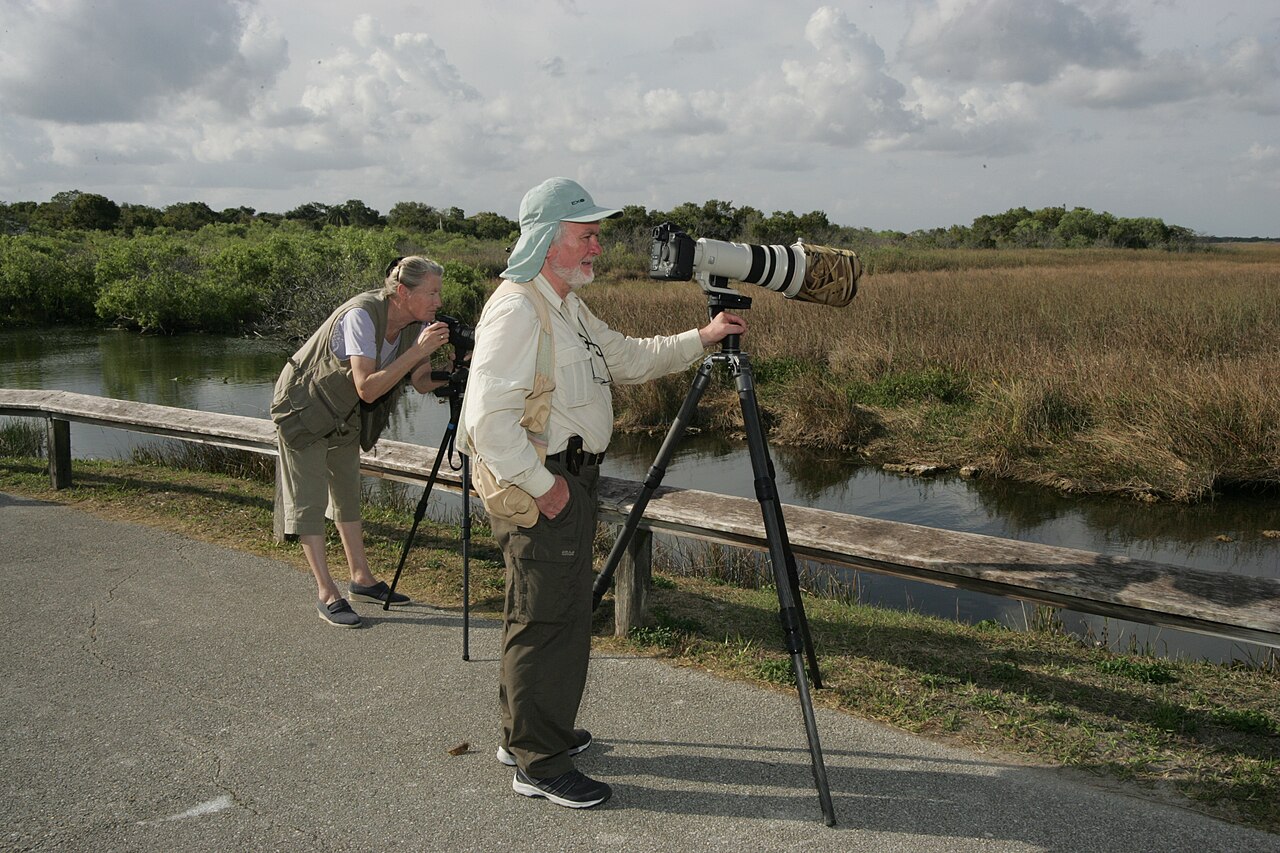
The best self-guided experiences are short and slow. The Anhinga Trail and the Gumbo Limbo trail at Royal Palm, the boardwalk at Pa-hay-okee, the Fakahatchee boardwalk and the short loops at Big Cypress each take under an hour. Go early, walk quietly, look down into the water and up into the trees, and bring binoculars if you have them. A slow pace shows far more than a fast one.
When to go
The dry season, from late autumn to spring, is the best time for self-guided trips. Water levels drop, animals gather along the trails and canals, the weather is mild and mosquitoes are fewer. In summer, the park is green and quiet but hot, wet and buggy, and afternoon storms can interrupt a day outdoors. Start early in every season, and keep a rain layer in the car.
Staying safe on your own
Keep a respectful distance from alligators, never feed wildlife, stay on boardwalks and marked paths and keep children close. Carry more water than you think you need, wear a hat and sunscreen and tell someone your plan if you head to a remote area. Drive carefully at dawn and dusk, when animals cross roads.
After dark
The Everglades region has some of the darker skies in South Florida. A guided stargazing outing is the easiest way to see them, with someone to point out stars and planets and to advise on where it is safe to walk. Independent visitors should check the rules for the area before staying after dark and should use a red light to protect night vision. Bring repellent, because insects are active at night.
Pacing the day
A comfortable self-guided day has three parts: a walk at sunrise, a long quiet middle for driving and picnic stops, and a second walk in the late afternoon when the light turns warm. Resist the urge to tick off every stop. Two or three places explored slowly will give you more wildlife and better photographs than ten visited in a rush.
Adding one guided experience
A single guided activity improves a self-guided trip, because a guide finds animals you would miss. Good pairings include a small-boat birding tour on the Gulf Coast, a kayak trip through the mangroves, a biologist-led wet walk or an airboat ride on the Tamiami Trail. Book the guided part for the morning and keep the afternoon free for your own stops.
Food and supplies
Services are limited inside the park. Stock up on fruit at the Homestead stands, fill a cooler, and plan one proper meal in a nearby town. In Everglades City, seafood restaurants close earlier than you might expect, and some keep seasonal hours, so check ahead.