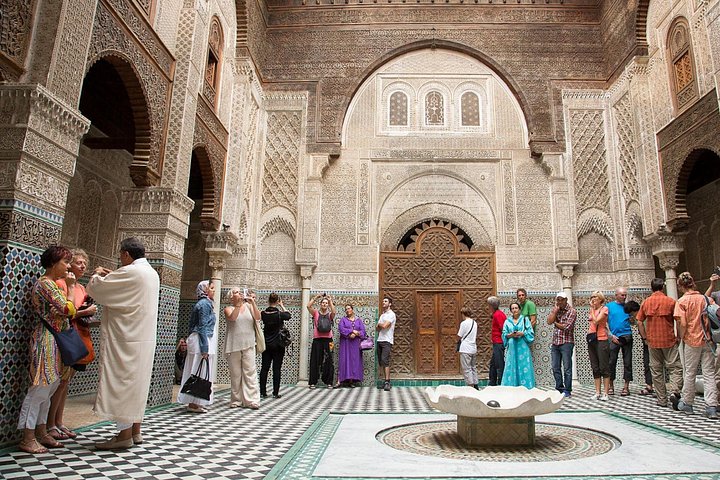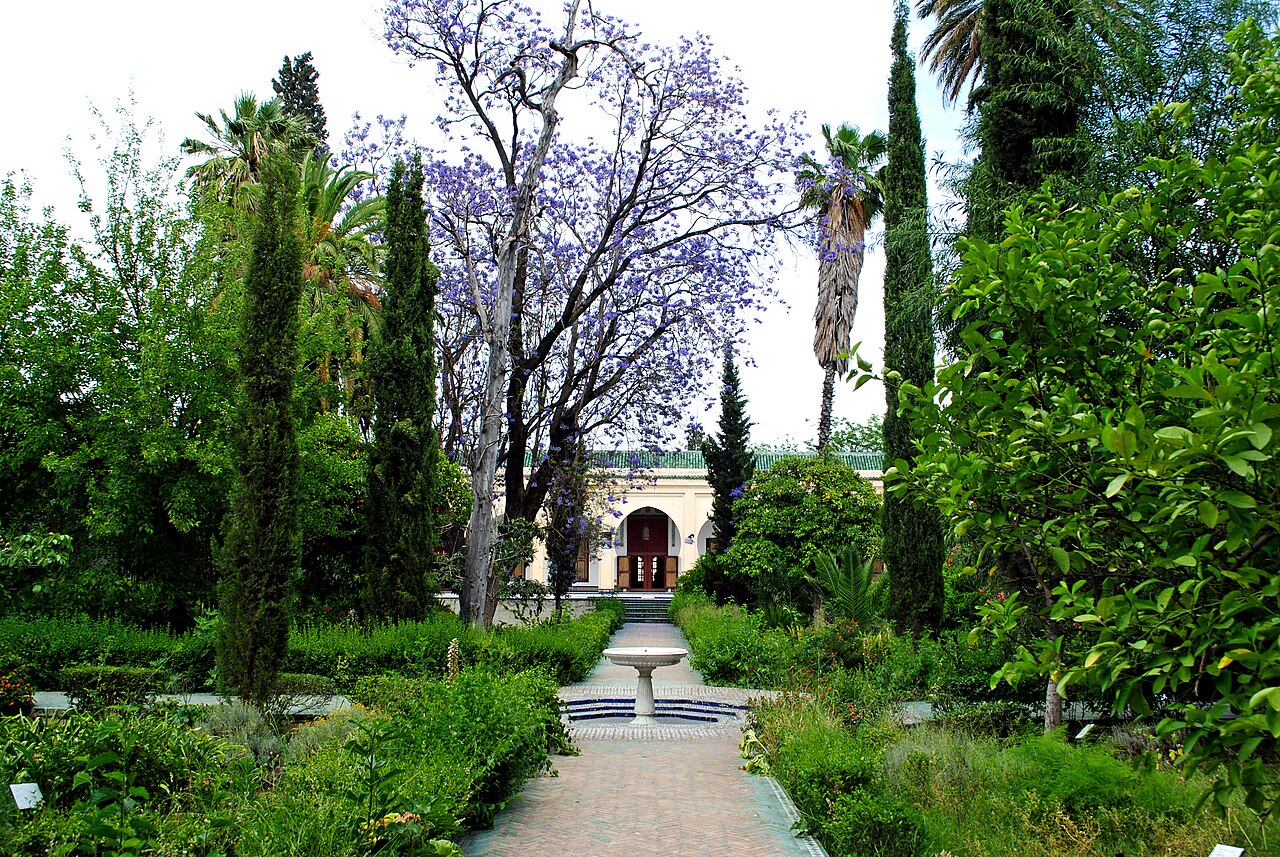
Dar Batha is the best single stop in Fes for understanding the craft traditions you see being practised in the lanes outside. The building was raised in the late nineteenth century as a royal residence under Sultan Moulay Hassan I and became a museum in the early twentieth century, one of the first in Morocco devoted to traditional arts. Today its rooms and galleries hold Fassi ceramics, carved and painted woodwork, furniture, zellige tiles, textiles and embroidery, manuscripts and calligraphy. The famous blue-and-white pottery of Fes is well represented, and seeing finished pieces behind glass, with their patterns and dating, makes the workshops of the medina easier to read. The centrepiece for many visitors is the garden courtyard, an Andalusian-style space of orange trees, shade and fountain sound where you can sit on a bench and let the medina noise fade. The setting is relaxed and the palace architecture itself, with its carved plaster, painted ceilings and tiled floors, is part of the collection.
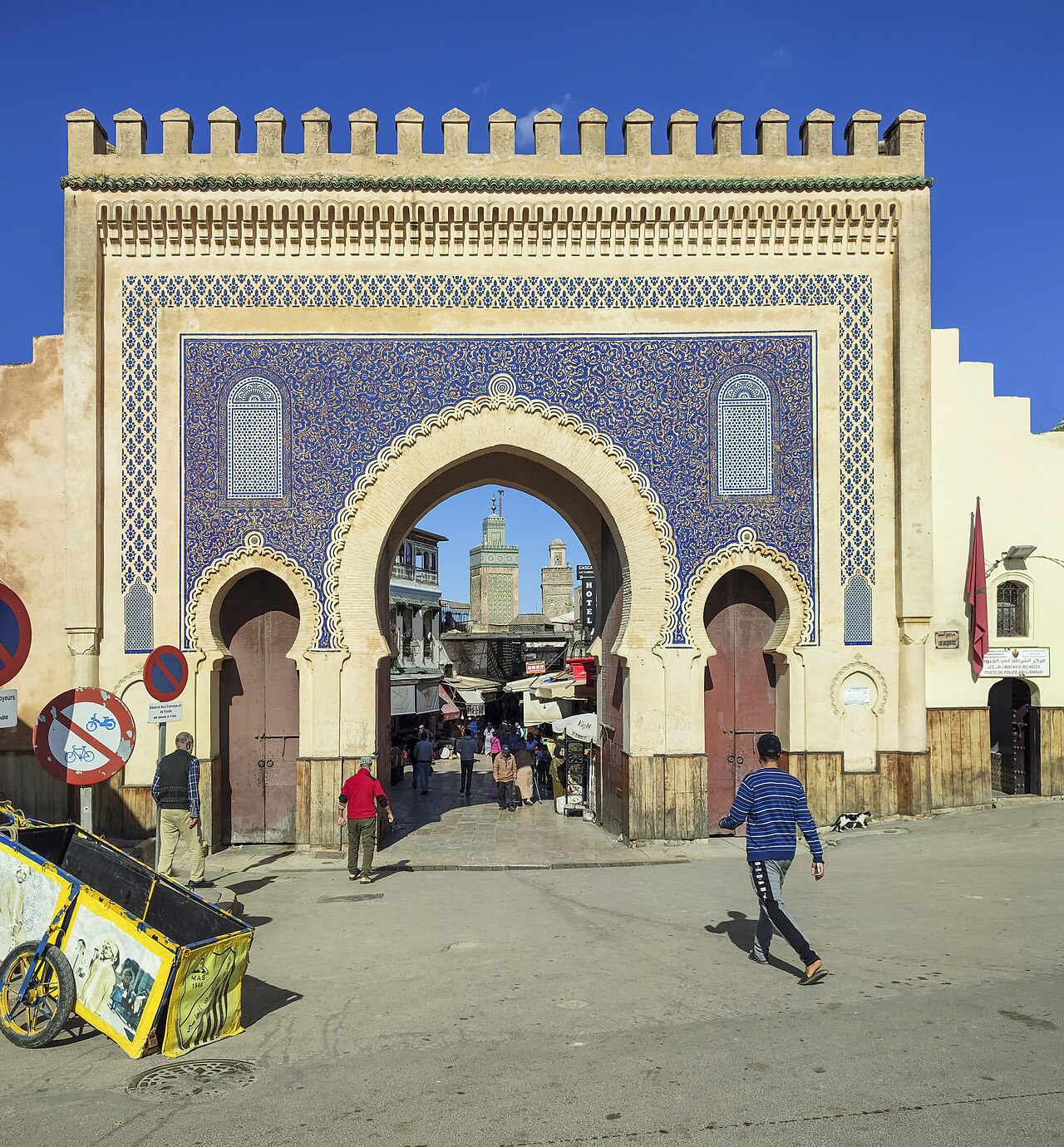
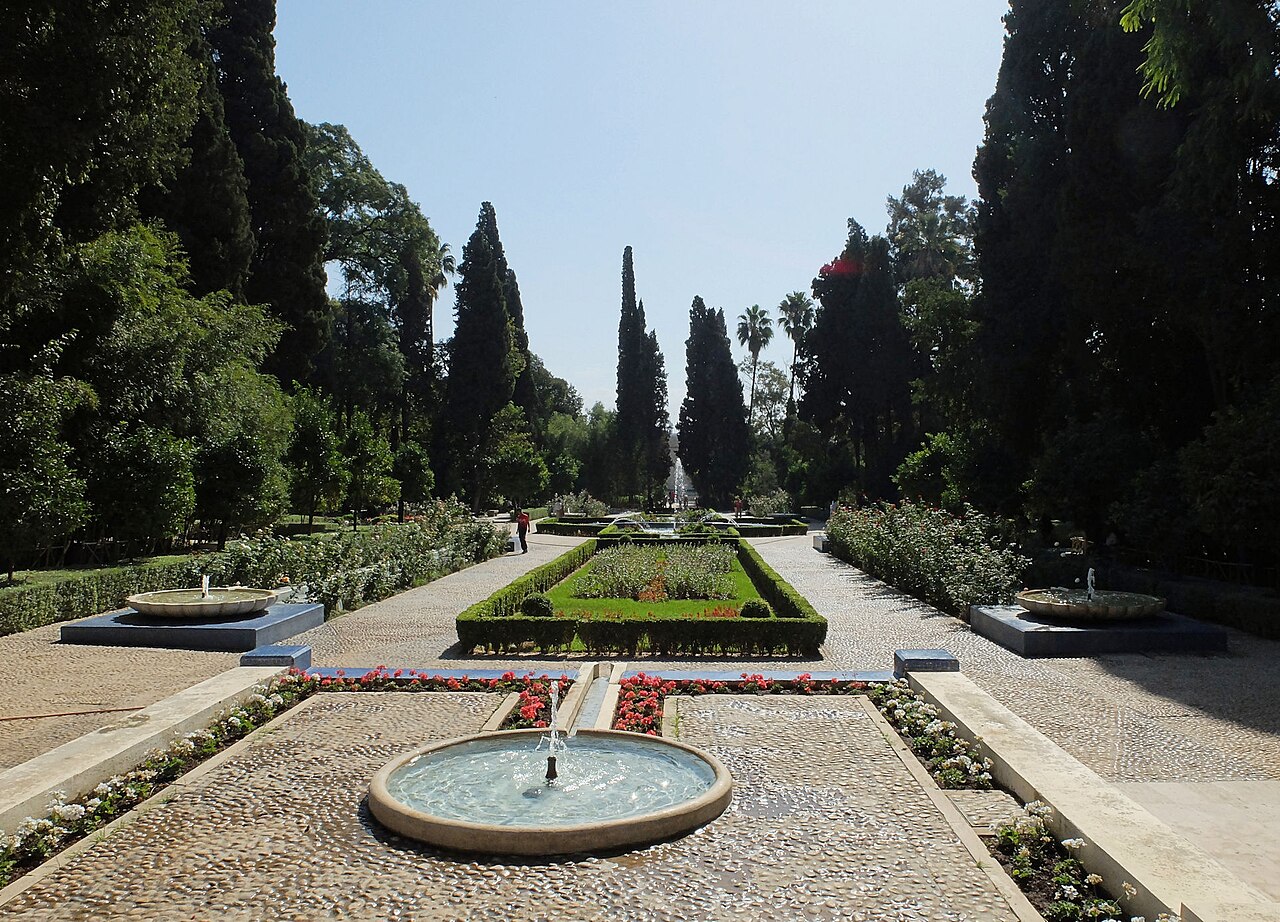
Dar Batha sits just beyond the busy western end of the medina, close to the Bab Bou Jeloud area and the Jnan Sbil gardens, which makes it an easy half-day companion to either. That position also makes it a good first stop on a medina day: you can absorb the context here, then walk into the lanes with a better eye for what the carvers, potters and embroiderers are doing.
Opening times are generally from late morning to early evening on most days, but Moroccan museums sometimes close on particular days or around public holidays, so check locally on the day. The entrance fee is modest and tickets are normally bought at the door, with no need to book in advance.
The main decision is when to fit it in, and heat is the biggest consideration. In summer the shaded garden and cool galleries make it a welcome midday retreat from the sun, and in winter the rooms can be cool, so bring a light layer. Labels are modest and not every object is explained in depth, so a short read of the guidebook entry before you go, or a guide who has explained the history of Fassi pottery on the way, gives the displays far more meaning.
Photography rules vary by room and by staff, so ask before you shoot, and avoid flash around textiles and manuscripts.
Plan on about an hour, and allow another twenty minutes in the garden if the weather is good. The museum suits adults who like crafts and design, curious teenagers, and anyone who wants an easy, quiet interlude between the medina and the hotel. It is less suited to small children, who may find the glass cases slow going, though the garden helps. If you only have a morning, put the Bou Inania Madrasa and the tannery first and treat Dar Batha as the calm, shaded finish to your route.
What to expect
The experience
A self-guided visit through a restored palace, with galleries of ceramics, woodwork, textiles and manuscripts, finishing in a shaded garden courtyard.
Best time
Late morning or the heat of the afternoon, when the shaded galleries and garden are most welcome.
How long
About an hour, plus time in the garden.
Tips
Check opening days locally, buy the modest ticket at the door, ask before photographing and bring a light layer in winter.
Quick picks
- Best for
- Anyone curious about Fassi pottery, woodwork and the craft traditions behind the medina workshops.
- Families
- The garden is a pleasant break, but the glass cases move slowly for young children, so keep the visit short.
- Couples
- Sit in the garden courtyard for a quiet half hour between the medina and dinner.
- Pair with
- Jnan Sbil gardens, Bab Bou Jeloud and the start of a medina walk are all close by.
- Time needed
- Plan around ninety minutes, or a relaxed half morning with the garden.
Good questions
What is inside Dar Batha?+
The museum holds Fassi ceramics, carved wood, furniture, zellige tiles, textiles, manuscripts and calligraphy, displayed in a former palace with a garden courtyard.
Do I need to book Dar Batha in advance?+
No, tickets are normally bought at the door and the entrance fee is modest. Check opening days locally, especially around public holidays.
Is Dar Batha good for children?+
Older children who like objects and design may enjoy it, and the garden helps, but small children can find the cases slow, so keep it short.
Where is Dar Batha?+
It stands just outside the busy western edge of the medina, near Bab Bou Jeloud and the Jnan Sbil gardens, so it is easy to add to a walk.
Is photography allowed?+
Rules vary by room and by staff, so ask at the desk. Avoid flash near textiles and manuscripts.