Frankfurt works in every season, but what you do and what you pay change a good deal through the year. The city has a temperate climate, with warm summers, cold and often grey winters, and mild spring and autumn weather in between. Two other factors matter as much as the weather: the Advent period, when the old town fills with the Christmas market, and the trade-fair calendar, which can double hotel prices overnight.
Spring: fresh and walkable
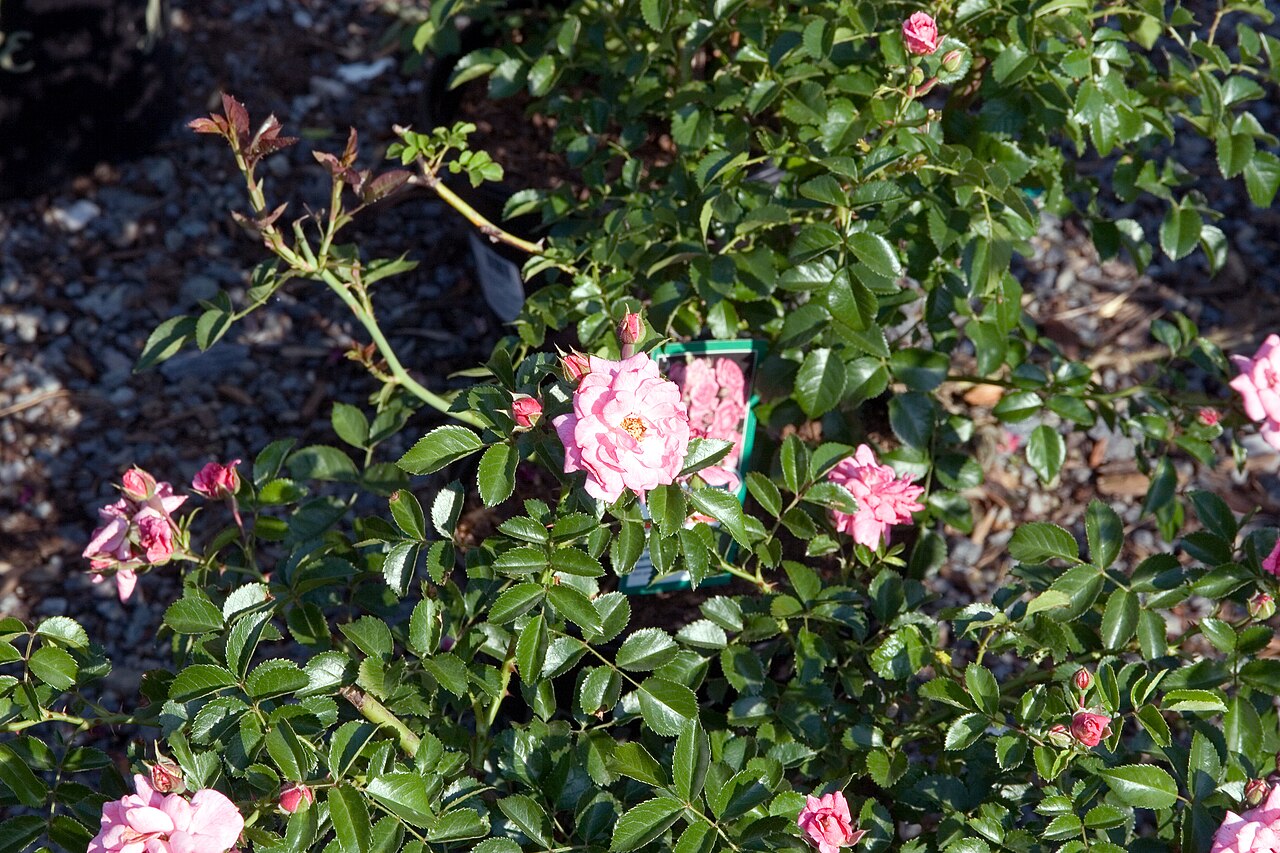
Spring is one of the loveliest times to come. Gardens and parks come into bloom, the Palmengarten is at its best, and the riverbanks are pleasant for walking. It is also the season for Frankfurter Grüne Soße, the cold herb sauce that is made with the first fresh herbs. Days lengthen quickly, the weather is changeable, so pack a layer and an umbrella, and cafe terraces start to fill up. The Main river cruises and the Rhine Valley day trip begin to operate more frequently as the season warms.
Summer: long days and river life
Summer is warm and sociable, with life moving outdoors. The riverbanks fill with people, beer gardens and apple wine terraces are busy, and the long evenings suit a stroll along the Museumsufer. Late summer brings the Museumsuferfest, a large cultural festival along the river. Expect peak warmth to be pleasant rather than extreme, though a heatwave can make museums and shaded glasshouses welcome. The Main Tower deck and the cruises are at their most reliable, and the Rhine Valley is at its most scenic with vineyards in full leaf.
Autumn: golden light and apple harvest
Early autumn is an excellent time, with mild weather, fewer crowds and the apple harvest feeding the taverns of Sachsenhausen. The wine regions along the Rhine celebrate the grape harvest, and the light on the skyline is soft and golden. As the season progresses it becomes cooler and wetter, making the museums more attractive.
Winter: museums, markets and cosy taverns
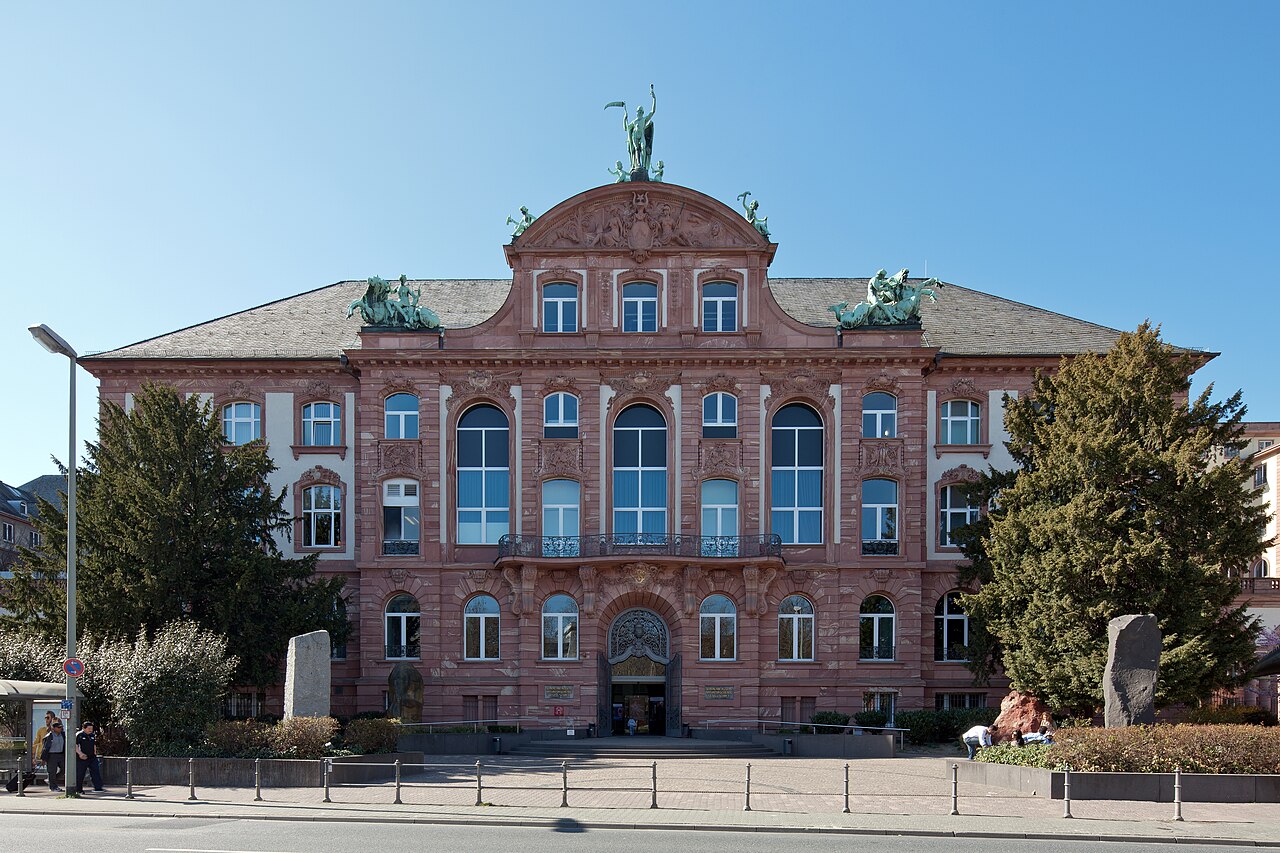
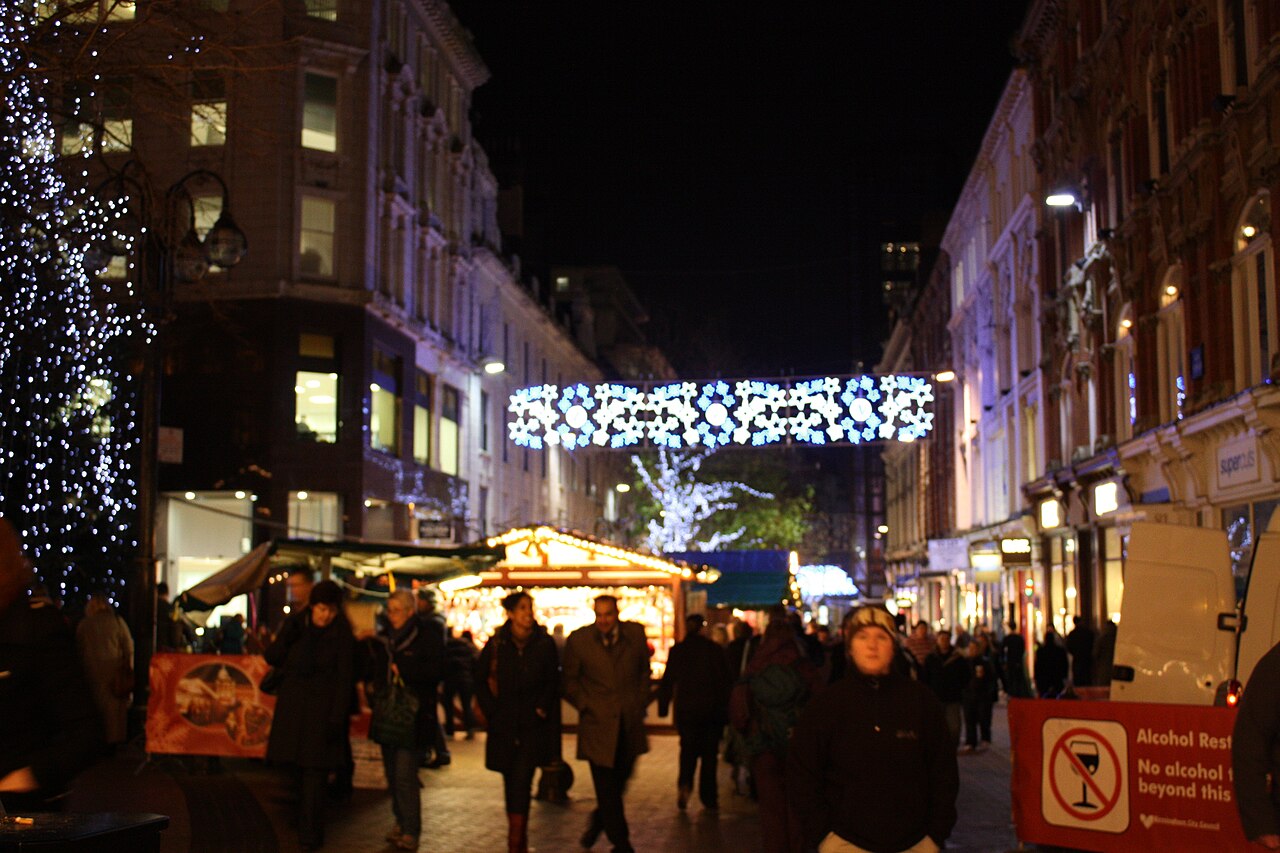
Winter is cold and often grey, but it is also a good time to visit if you plan around it. The Städel, the Senckenberg and the Museumsufer give you warm, dry days, the Palmengarten glasshouses stay green when the garden outside is bare, and the taverns of Sachsenhausen serve hot food by the stove. The Christmas market on the Römerberg and in the surrounding lanes opens in late November and runs through the weeks before Christmas, filling the old centre with lights, mulled wine and stalls. It is magical but busy, especially on weekend evenings, so go on a weekday afternoon if you can and book accommodation well ahead. Daylight is short, so the Main Tower is best in the afternoon on a clear day, and some river cruises run a reduced winter schedule or pause entirely.
Trade fairs and prices
Frankfurt is one of Europe's major trade-fair cities, and big fairs fill the city's hotels and push rates well above normal. Check the fair calendar before you book, because a quiet-looking week can turn expensive. Midweek is generally the dearest time because of business travel, and weekends outside Advent are often cheaper. If you are flexible, choose a weekend away from a fair, and consider a hotel outside the centre or in the Ostend for better value.
Month by month in brief
January and February are the quietest and coldest months, good for museum days and low hotel rates outside fair weeks. March and April swing between cold snaps and the first warm afternoons. May and June are among the most reliable months for walking, terraces and day trips. July and August bring the warmest weather and the busiest riverbanks. September and October combine mild days with the apple harvest, and November turns grey and damp before the lights of Advent arrive. These are general patterns rather than promises, since Frankfurt weather is changeable, so keep a flexible plan with an indoor option for each day.
Our recommendation
For the best balance of weather, atmosphere and price, aim for late spring or early autumn. Choose December for the Christmas market, and accept that you will pay more and share the old town with crowds. Choose a winter weekend if you want the museums and taverns almost to yourself.
Practical notes
Many museums close on Mondays, the Kleinmarkthalle is closed on Sundays, and shops are generally shut on Sundays across Germany, so plan around that. Public transport runs year-round, and the airport trains make arrival simple in any season. Pack layers in every season, since weather can shift within a day, and carry some cash for small stalls and taverns.