Frankfurt is compact, efficient and more charming than its skyscrapers suggest. The old centre clusters around the Römerberg, the museums line both banks of the Main, the skyline rises beside it, and Sachsenhausen across the river is where the city goes for apple wine. Most visitors see the essentials in two days, and a third day opens up the Palmengarten or a trip to the Rhine or Heidelberg. Here is how to plan it.
What to book ahead
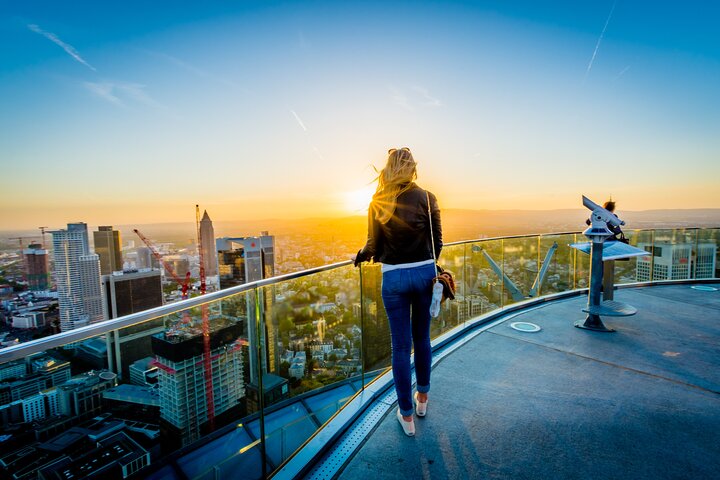
Very little needs reserving far in advance, but a few things reward planning. A Main Tower visit is best booked for a clear afternoon, since the open-air deck closes in bad weather and queues build on sunny days. A small-group apple wine food tour fills up, and day trips to Heidelberg and the Rhine run on set days, so book those a few days ahead. If you are visiting in Advent, reserve your hotel early, because the Christmas market runs from 23 November to 22 December 2026.
How many days
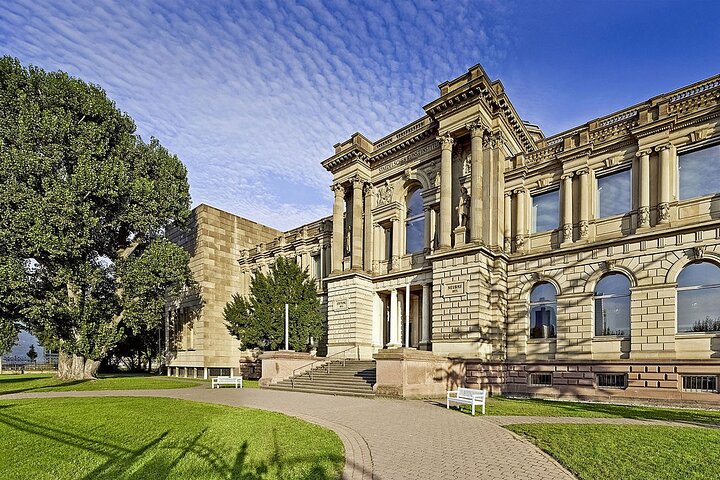
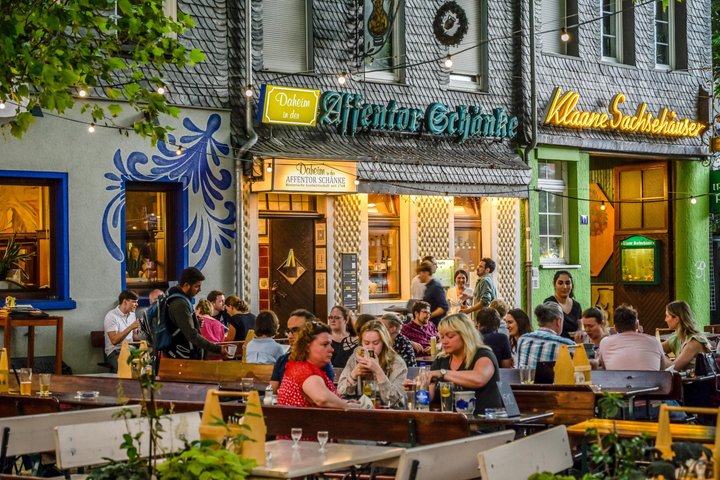
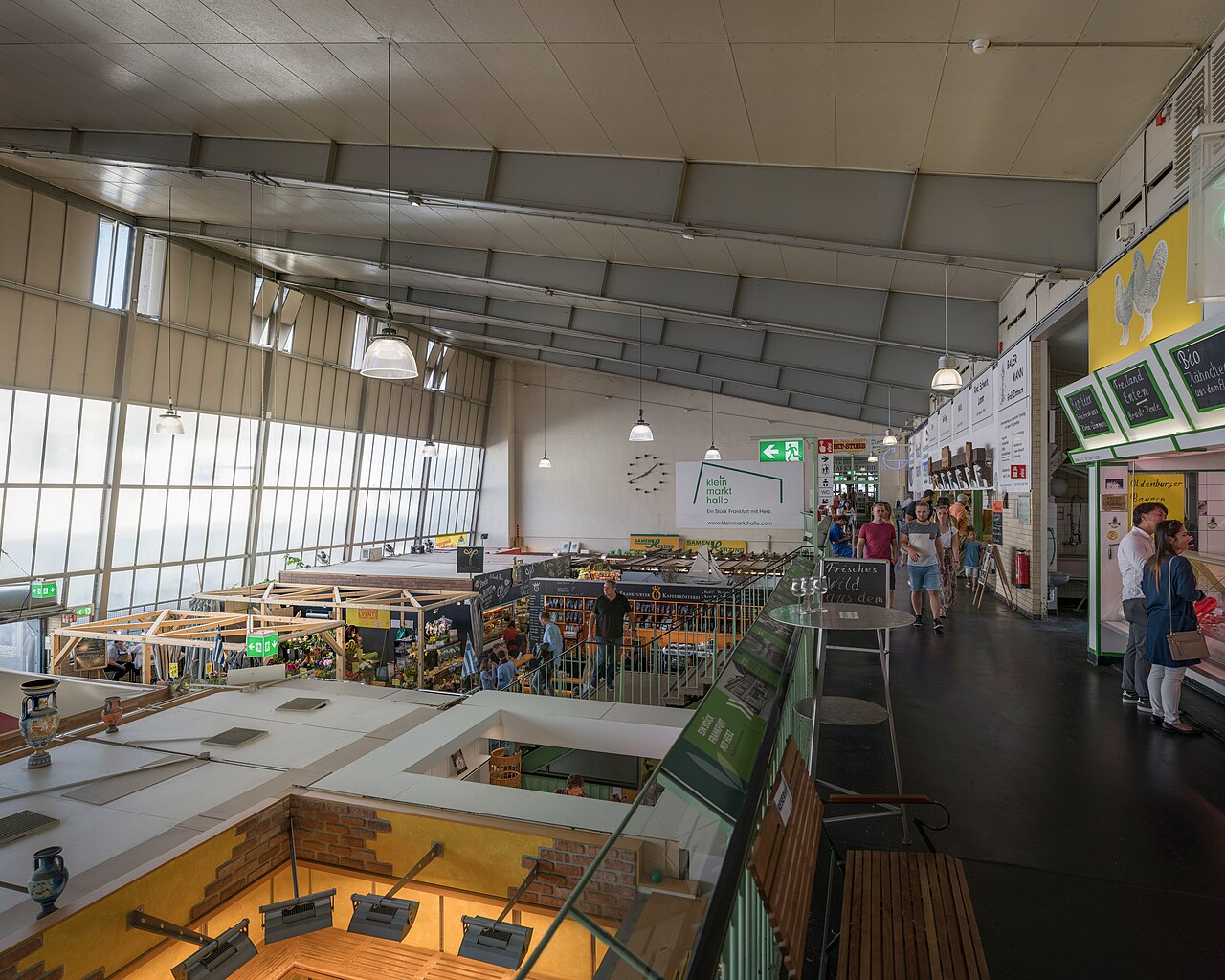
Two days covers the core. Day one belongs to the old centre: the Römerberg and the New Old Town in the morning, lunch at the Kleinmarkthalle, then the Main Tower in the late afternoon for the skyline, and apple wine in Sachsenhausen in the evening. Day two is for museums: the Städel and a stroll along the Museumsufer, or the Senckenberg if you have children, then the Palmengarten if the weather is kind. A third day lets you take the Rhine Valley or Heidelberg, each of which is a full day by tour or by train.
Getting around
The centre is walkable, and the Römerberg, the Kleinmarkthalle, the Eiserner Steg and the Museumsufer are all within a short stroll of each other. For longer hops use the U-Bahn, trams and S-Bahn, which are fast and frequent. The airport has direct trains to the central station in around fifteen minutes, and regional trains run from the station to Heidelberg and to the Rhine towns. Taxis are plentiful if you are tired. Tickets work across the network, so a day ticket is good value if you plan several rides.
When to go
Frankfurt is a year-round city. Spring and early autumn offer mild weather for river walks and the Museumsufer, summer brings the Museumsuferfest and long evenings, and winter is the season for museums and the Christmas market. The Main Tower and the Rhine cruises depend on weather, so build flexibility into your plan. Check opening days, since many museums close on Mondays and the Kleinmarkthalle is closed on Sundays.
A sample first day
If you land in the morning, drop your bags, walk to the Römerberg and wander the New Old Town lanes toward the cathedral, then eat at the Kleinmarkthalle on Hasengasse before it closes at six on weekdays or four on Saturdays. Cross the Eiserner Steg in the afternoon for a stroll along the Museumsufer, and keep Main Tower for the last hour of daylight. Finish with a tavern dinner in Sachsenhausen, where beef with green herb sauce and a glass of apple wine make a fitting end to the day.
What it costs
Frankfurt is a business city, so hotel rates spike during trade fairs, which can make midweek stays expensive. Museums are modest in price, with a two-day MuseumsuferTicket covering most of them, and the Römerberg, the New Old Town, the Kleinmarkthalle and the Christmas market are free to enter. Apple wine taverns and the food hall offer good value meals.
Where to stay
For a first visit, stay in the Innenstadt near the Römerberg, in the Bahnhofsviertel by the station, or in Sachsenhausen for the taverns. Our where-to-stay guide compares the neighbourhoods and the hotels we recommend. Whatever you choose, build in time for one unhurried evening with a glass of apple wine, because that is the most Frankfurt thing you can do.