The Garden Route can be visited at any time of year, which is part of its appeal. What changes is the weather, the crowds and the wildlife, so the best time depends on what you want to do. Here is how the seasons compare.
Summer, from December to February
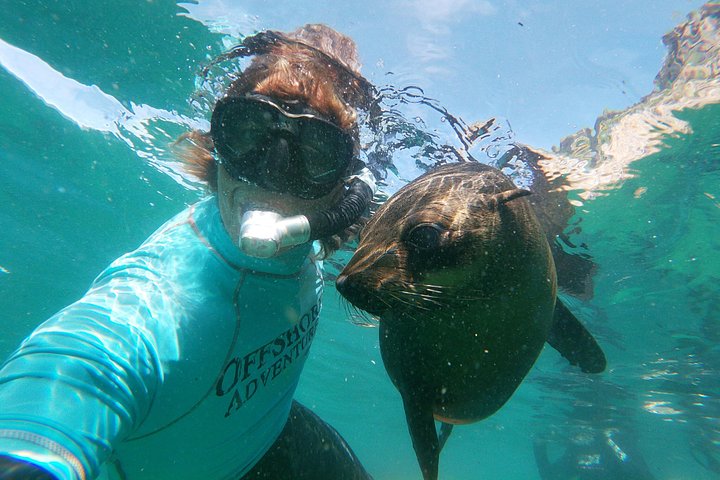
This is the warm, busy season. The beaches are at their best, the sea is warmest for swimming and the seal trips and boat cruises run most reliably. It is also the height of the South African school holidays, especially from mid-December to the middle of January, when accommodation fills up, rates rise and the popular activities such as the canopy tour and the bungy book out. Book rooms months ahead, expect traffic on the N2 and plan flexible days for wind and the occasional storm. Inland, Oudtshoorn is very hot in summer, so visit the caves and the ostrich farms early or late in the day.
Autumn, from March to May
Many regulars consider this the sweet spot. The summer crowds have gone, the days are still mild, the sea is warm enough for a swim and the roads are quieter. Easter brings a short rush, so book ahead if your trip falls then. Autumn is a good time for walking, with the forests green and the light soft, and for sights such as the Storms River Mouth trail and Robberg.
Winter, from June to August
Winter is mild by northern standards, with cool days, cold nights inland and rain at times. It is the quiet season, which means lower rates and empty trails. It is also the beginning of whale season: whales can be seen from the shore at places such as Mossel Bay from about June to November, and boat-based whale watching is popular in the same months. Oudtshoorn can be very cold at night, and the Swartberg Pass may be affected by snow or rain, so check conditions. Pack warm layers and a rain jacket.
Spring, from September to November
Spring is another strong choice. The whale season is at its peak in the early part of the season, wildflowers brighten the hills and the weather warms up without the holiday crowds. The Garden Route gets rain through the year, so expect the odd wet day. The forests are lush and the rivers run full, which suits Tsitsikamma and Wilderness.
Activities and the seasons
For swimming with seals and beach time, summer and early autumn are most comfortable. For whales, aim for June to November. For hiking, the cooler months from March to October are more pleasant than midsummer. For adventure activities such as the bungy and the canopy tour, any month works, but strong wind or heavy rain can pause operations, so keep a spare day. For the Cango Caves and ostrich farms, spring and autumn avoid the extremes of Oudtshoorn's climate.
Weather tips
The region has no true dry season, so pack a waterproof layer whatever the month. Wind can affect boat trips and bungy jumps, and mist can hide views from the mountain passes. Check forecasts and local advice, and give yourself flexibility.
Our pick
If you want the safest mix of weather, availability and price, choose March to May or September to November. If you want a classic beach holiday and do not mind crowds, choose December to February with early bookings. If you want whales and peace, go in winter and spring, and pack warm clothes.
Booking and planning tips
Whatever season you choose, book your accommodation and car early if your dates fall in the school holidays, and keep the first and last days flexible in case of weather. Check the opening times and any closures on the park websites before you go, as these can change with the season. If you want to combine the coast with Oudtshoorn, remember that the inland temperatures differ sharply from the coast, so pack for both. Most importantly, build in a spare day for weather, so that wind or rain on one day does not cost you the activity that matters most to you. Travelling with flexible plans and a good rain jacket makes every season enjoyable, and local hosts are generous with advice about what is open and what the sea is doing on the day.