Three days is short for the Garden Route, but it is enough for a satisfying taste if you accept two rules: do not try to cover the whole coast, and do not change hotels every night. The plan below runs east along the N2, from the lakes of Wilderness to the forests of Tsitsikamma, and works equally well in reverse. It assumes you have a hire car and start from George, which is the nearest airport at the western end of the route, or from Cape Town after a day on the road.
Choose a base first
The route is about two hundred kilometres long, so a single base cannot reach every sight. For three days, the best approach is two bases: two nights in Knysna or Plettenberg Bay, and one at the far end in Storms River. If you want a rest and a pool, Pezula Nature Retreat above Knysna or The Plettenberg in Plettenberg Bay are the comfortable choices, while Tsitsikamma Village Inn is a simple, friendly place to sleep near the forest.
Day one: lakes, lagoon and a first sunset
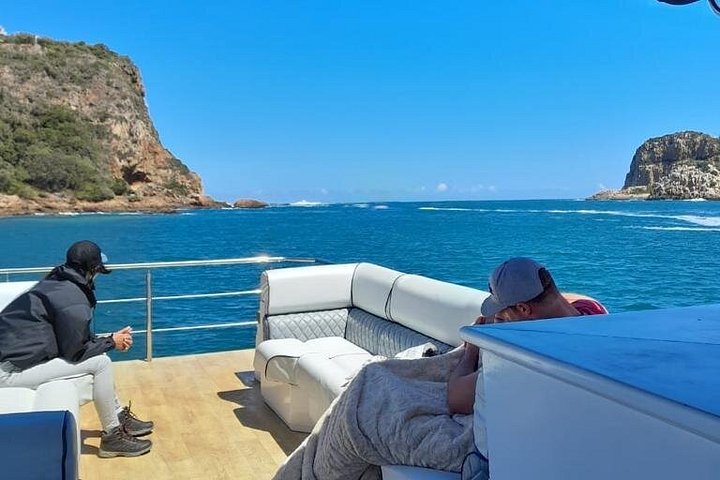
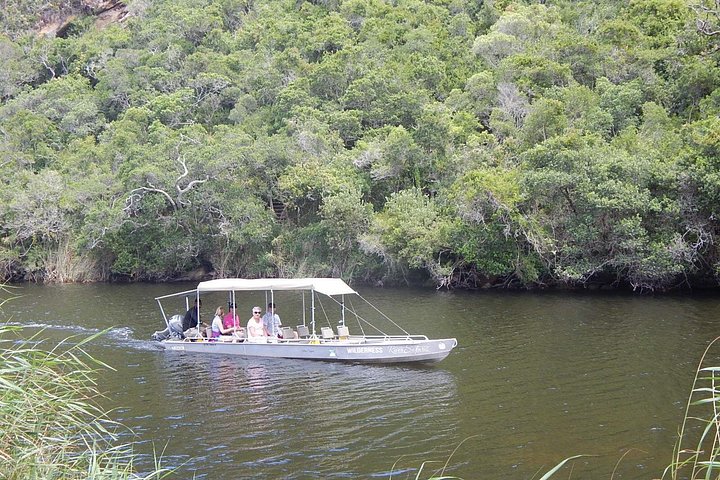
Start early in Wilderness with the Touw River cruise, a calm hour on the water with a good chance of kingfishers and other birds, and add a short walk on the lake trails in Wilderness National Park if you have time. Drive on toward Knysna, stopping at a viewpoint over the lakes or the beach on the way. In the afternoon, take the Knysna Heads and lagoon cruise, which gives you the lie of the land and a look at the dramatic sandstone cliffs at the mouth of the lagoon. Spend the evening at the waterfront with a plate of local seafood and an early night.
Day two: Plettenberg Bay and the Crags
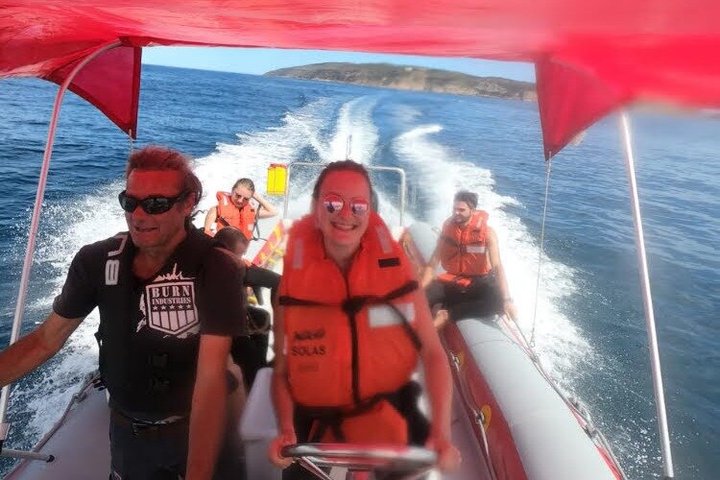
Drive east to Plettenberg Bay, about forty minutes from Knysna. The morning offers a choice. For wildlife, take the Robberg Nature Reserve walk or a seal trip, which suits calm weather and strong swimmers if you want to get into the water. For something gentler, visit Monkeyland and Birds of Eden together in the Crags, which are good in any weather. After lunch, walk on the beach or visit the snake sanctuary, then continue east if you want to finish the day in Storms River, which is about an hour away.
Day three: forest and adrenalin
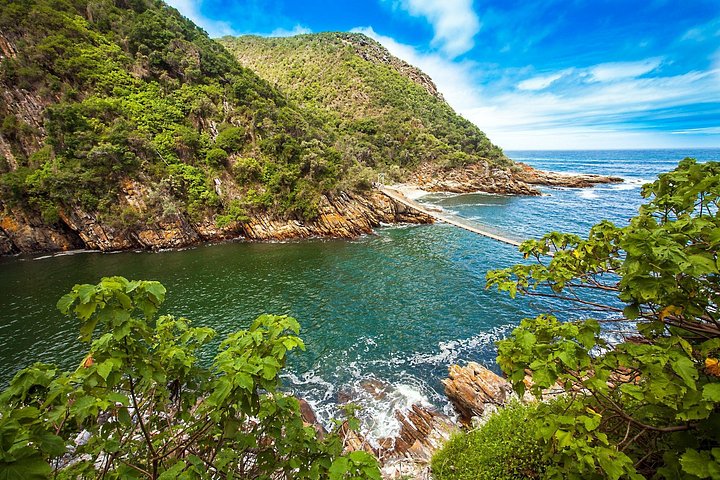
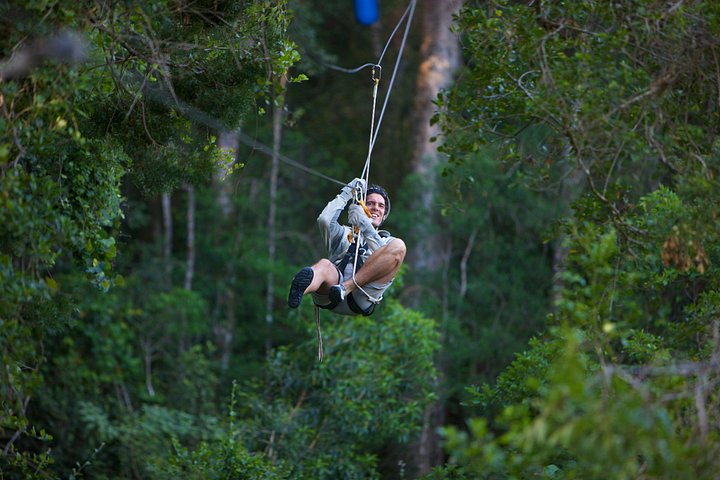
Wake early in Storms River and go to the Tsitsikamma National Park for the walk toward the river mouth, starting before the day trippers arrive. Check the SANParks site on the morning for any trail or bridge closures. In the middle of the day, choose between the canopy zipline tour and the Bloukrans Bridge bungy, or do both if you have the nerve and the budget. If you are not an adrenalin traveller, the Wolf Sanctuary is a gentle alternative. Leave time to drive back west or on toward Port Elizabeth.
What to leave out
Oudtshoorn and the Cango Caves are well worth a visit, but they are a long detour over the mountains and need a full day, so leave them for a longer trip. The same goes for Mossel Bay and the Swartberg Pass. If you only have three days, accept that you will miss them and plan to come back.
Practical tips
Book the canopy tour, the seal swim and any bungy jump ahead in the holidays. Carry a rain layer whatever the season, because the weather can turn quickly. Fill up with fuel when you can, and avoid driving long stretches after dark. If the weather is poor, swap the outdoor activities for the aviary, the primate sanctuary and the museum days, and shift the walks to the next morning. With sensible pacing, three days gives you a lagoon, a beach, a forest and a taste of the adventure that the Garden Route is known for.
If you have a different start
If you are arriving from Port Elizabeth rather than George, simply run the plan in reverse, beginning with Storms River and finishing at Wilderness. If you are flying out of George on the last day, keep the final morning short, with a gentle walk or a late breakfast, and allow a generous margin for the drive to the airport. If you can add a fourth day, the best use is a day trip over the mountains to the Cango Caves and an ostrich farm, or an extra night in Plettenberg Bay for the sanctuaries and the beach. Whatever you choose, leave a little slack in each day, because the most memorable moments on this coast are often the unplanned ones.