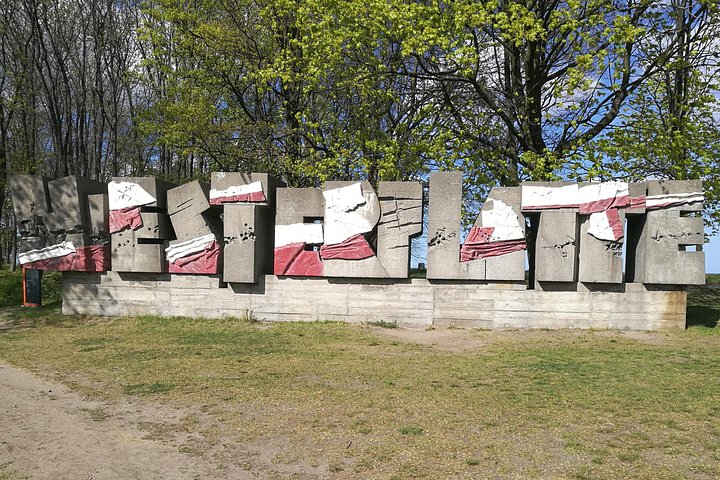
On 1 September 1939, the same day the first shots were fired at Westerplatte, the Polish Post Office in the Free City of Gdańsk came under attack by German forces. Its staff, a small group of postal workers with limited weapons, held out for hours before they were forced to surrender, and many of them were later executed. The episode became one of the best-known acts of Polish resistance at the start of the war, and the building on Obrońców Poczty Polskiej Square is now a branch of the Museum of Gdańsk dedicated to the story. The museum explains how Polish post offices operated in the Free City under the arrangements that followed the First World War, and it presents the defence of 1939 through documents, photographs and personal objects, in rooms that preserve the atmosphere of a working post office. A monument on the square honours the defenders. The episode is also a significant thread in Günter Grass's novel The Tin Drum, which is partly set in Danzig and has made the post office known to readers far beyond Poland.
Visiting
The museum is small and compact, and you can see it in about an hour. It is open daily, and tickets are modest, sold on site. The exhibition is in Polish and English, and there are materials to help visitors understand the political situation of the Free City, which was neither Polish nor German but a separate territory under the protection of the League of Nations.
The context is important
It explains why a Polish post office was present in a city that was mostly German-speaking, and why that made it a target in the first hours of the war.
The tone
This is a sober museum about the defence of a small building and the fate of those who defended it, and it is best approached with respect. Some of the displays deal with the execution of the postal workers and the long campaign for the recognition of their story. The museum does not shy away from this, but it is not graphic, and older children and teenagers who are studying the period often find it an effective introduction.
Location
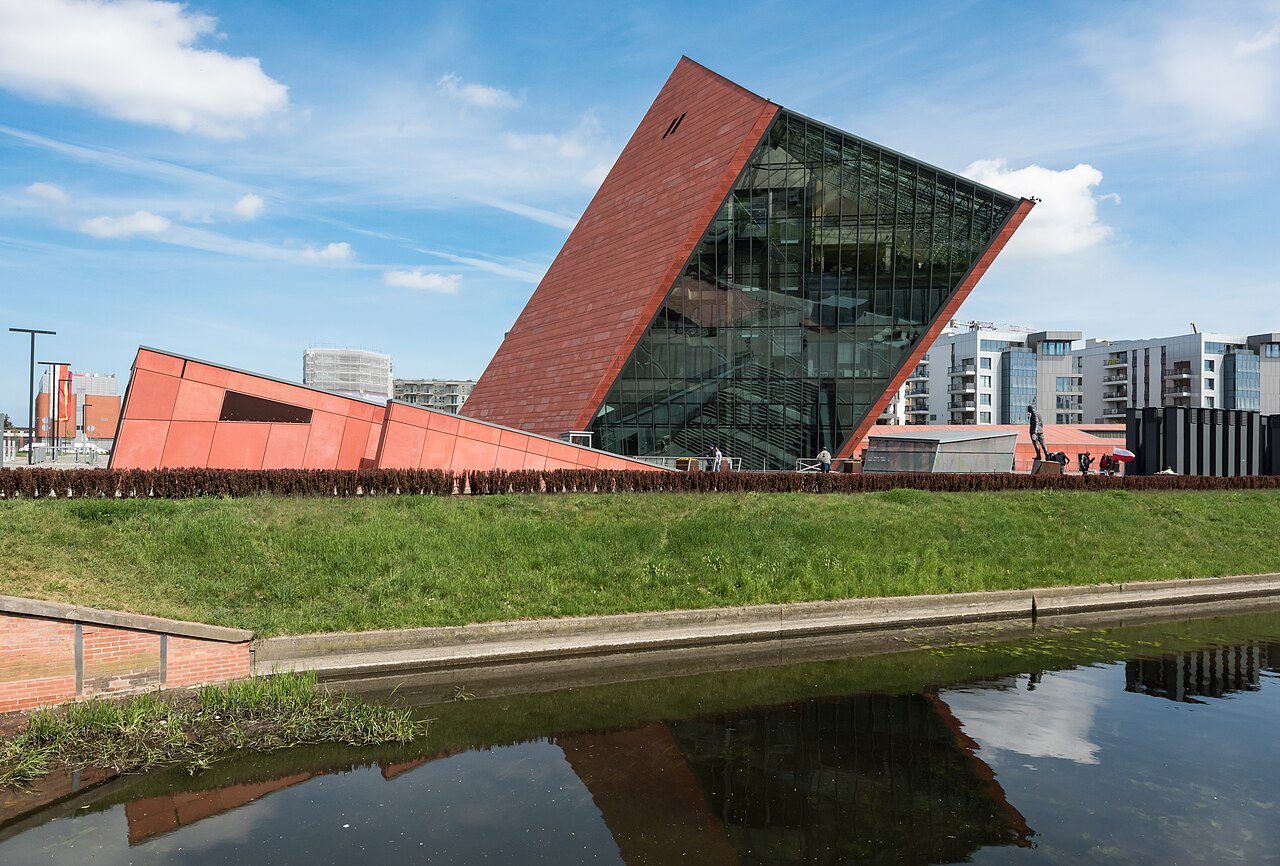
The museum is in the Old Town district, just north of the Main Town, a few minutes' walk from the Gdańsk Główny station and close to the Solidarity Centre and the Museum of the Second World War. This makes it a natural stop in a day devoted to twentieth-century history. If you are visiting the Museum of the Second World War, the Post Office is a useful short companion because it focuses on a single, human-scale episode rather than the whole war.
Who it suits
History lovers, readers of The Tin Drum, and anyone following the story of 1939 who wants to understand the day the war started in Gdańsk. Because it is small and central, it also suits travellers with limited time who want a meaningful stop that does not take half a day. A visit fits easily between the station and the Solidarity Centre, or at the end of a morning at the Museum of the Second World War.
What to expect
The experience
A small, self-guided museum in the original post office building, with documents, photographs, personal objects and a memorial on the square outside.
Best time
Any time of day; it is a short stop that fits easily between larger museums.
How long
About an hour.
Tips
Combine it with the Solidarity Centre or the Museum of the Second World War, and read about the Free City of Danzig beforehand for context.
Quick picks
- Best for
- Travellers who want a human-scale account of the first day of the Second World War in Gdańsk.
- Families
- Best for older children and teenagers studying the period; the subject is serious.
- Couples
- A thoughtful short visit before lunch in the Old Town.
- Pair with
- The Museum of the Second World War and the European Solidarity Centre, both nearby.
- Time needed
- One hour.
Good questions
What happened at the Polish Post Office in 1939?+
On 1 September 1939, Polish postal workers defended the post office in the Free City of Gdańsk against German attack for hours before surrendering. Many were later executed.
How long does a visit take?+
About an hour. The museum is small and compact.
Is the museum open every day?+
It is generally open daily. Check the current timetable for your dates.
What is the connection with The Tin Drum?+
Günter Grass's novel, partly set in Danzig, features the defence of the Polish Post Office, which helped make the story known internationally.
Where is the museum?+
It is on Obrońców Poczty Polskiej Square, just north of the Main Town and a short walk from the main railway station.