Stutthof was the first Nazi German concentration camp established outside the pre-war borders of Germany, set up in September 1939 on the coast near Sztutowo, about 35 kilometres east of Gdańsk. It began as an internment camp for Poles from the Gdańsk region, including teachers, priests and members of the intelligentsia, and it grew into a large camp holding prisoners from across occupied Europe, with a network of sub-camps across the region. Tens of thousands of people died there from hunger, disease, forced labour, executions and, in the final stage, a gas chamber. When the Red Army approached in early 1945, prisoners were forced on marches and evacuations in the freezing weather, in which many more died. Today the site is a state museum and memorial. The original gate, sections of the barracks, the gas chamber and crematorium and the memorial monument have been preserved, and the museum presents the history of the camp through photographs, documents and personal testimony. It is a place of remembrance rather than sightseeing.
Booking
The linked product is a guided tour from Gdańsk with a guide and transport, which handles the main practical problem of this site, which is that it is not easy to reach without a car. A guide is strongly recommended, because the preserved remains are sparse and the exhibitions are easiest to understand with someone who can explain what you are looking at. Confirm the departure time, the pick-up point and how long you will have on site when you book.
Entry and practicalities
Entry to the grounds has traditionally been free, but the museum recommends advance planning, and guided visits can be arranged through the museum. The site is large and mostly outdoors, with some indoor exhibitions, and you will walk a good distance on uneven paths. Dress for the weather, as the coastal position is windy and cold in winter. Allow around two to three hours on site, plus travel time on top.
Visiting respectfully
This is a memorial to people who died and suffered here, and appropriate behaviour matters. Keep conversation quiet, dress modestly, do not take photographs that treat the site as a backdrop and follow the museum's rules on photography. The content is distressing, and the museum advises caution for younger visitors, so think carefully about whether the visit is right for children and teenagers. You do not have to see everything, and many visitors find it helpful to pause.
Who it suits
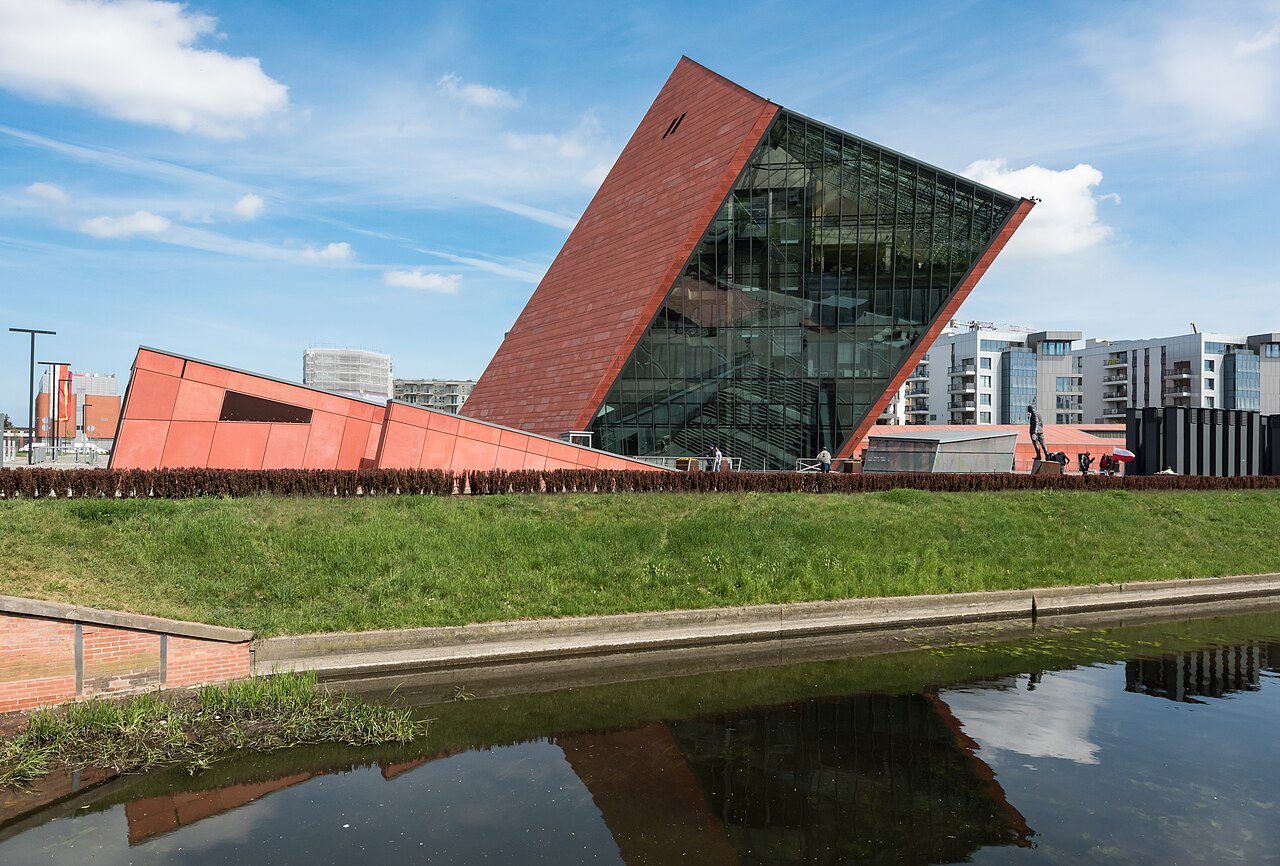
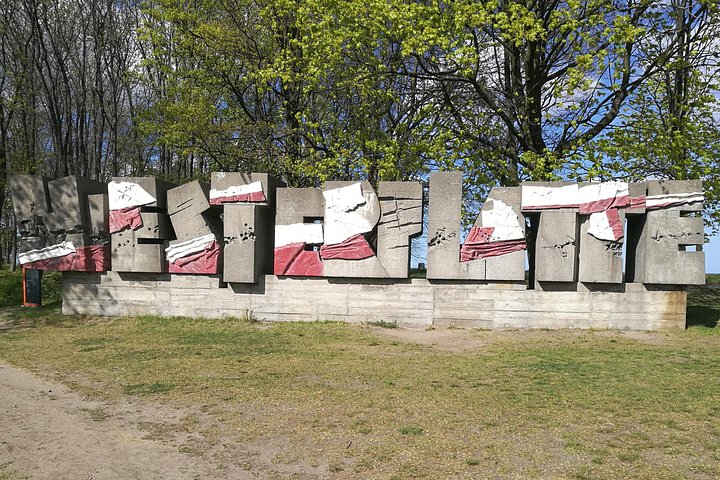
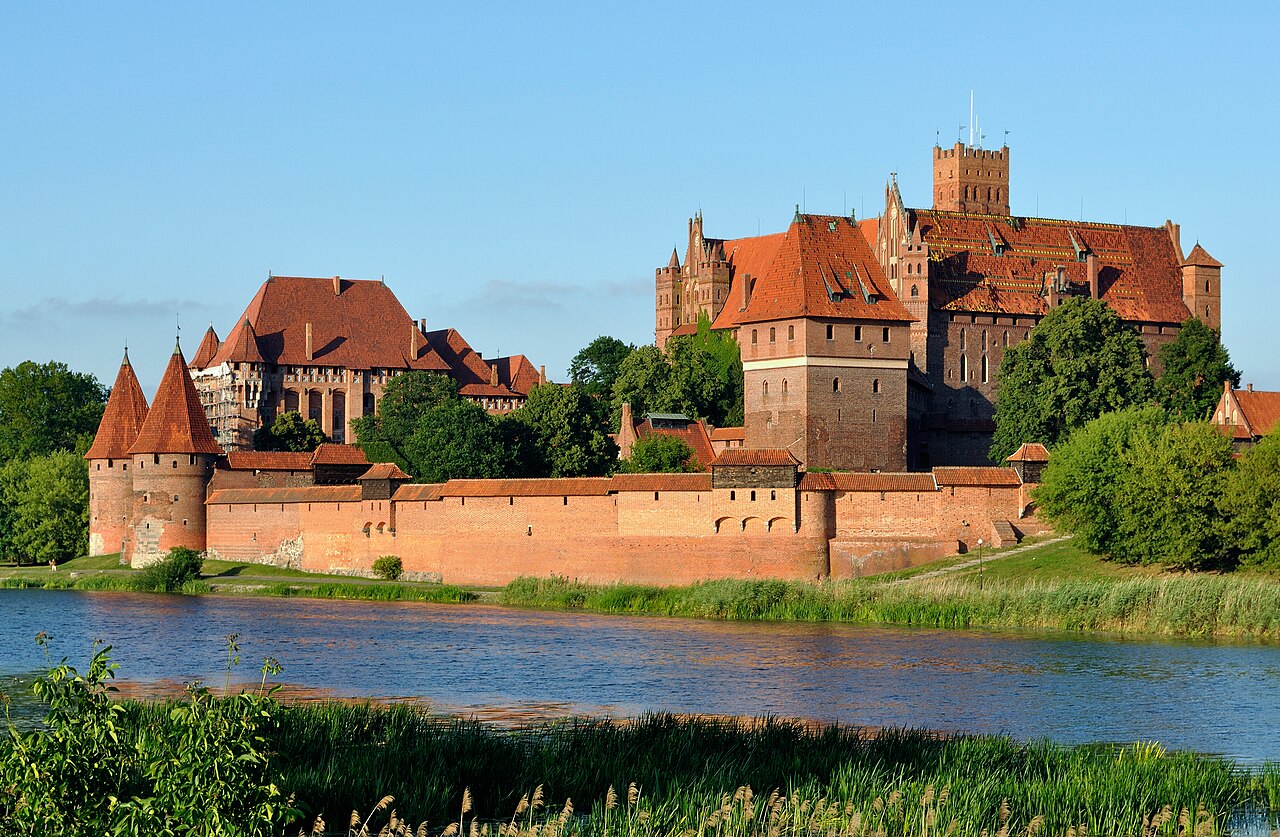
Travellers who want to understand the full scale of the Nazi occupation of the region, and history students. It is a counterpart to the Museum of the Second World War and Westerplatte, which tell the story of the war's beginning, and it is often combined with Malbork Castle in a long day trip. Plan the day so that you are not rushed, and leave the evening free to reflect.
Practical tips
Eat before you set off, as facilities on site are limited, and bring water and a warm layer in any season. Take your time, accept that you may not want to see everything, and allow yourself a quiet period afterwards. If you are travelling with a group, agree in advance how you will handle the visit, so that everyone is comfortable.
What to expect
The experience
A guided half-day visit to a preserved concentration camp memorial and museum, with transport from Gdańsk and time to walk the grounds.
Best time
A dry weekday morning, leaving the rest of the day free; the site is exposed and cold in winter.
How long
Four to five hours including travel, with two to three hours on site.
Tips
Dress for the weather, wear sturdy shoes, behave quietly and respectfully, and think carefully before bringing children.
Quick picks
- Best for
- Visitors who want to understand the Nazi occupation of the region, and history students.
- Families
- Not suitable for young children; the museum advises caution with younger visitors.
- Couples
- A sombre, meaningful visit best followed by a quiet evening in Gdańsk.
- Pair with
- The Museum of the Second World War and Westerplatte, for the full wartime story.
- Time needed
- Half a day.
Good questions
Where is Stutthof?+
The memorial is near Sztutowo, about 35 kilometres east of Gdańsk, on the coast. It is not easy to reach without a car, so many visitors join a guided tour.
Is Stutthof suitable for children?+
The content is distressing, and the museum advises caution with younger visitors. Think carefully before bringing children or teenagers.
How long should I allow?+
Allow two to three hours on site, plus travel time, so a half day in total.
Is a guide necessary?+
It is strongly recommended. The preserved remains are sparse, and a guide explains what you are seeing.
How should I behave at the site?+
Keep quiet, dress modestly, follow the museum's photography rules and treat the site as a memorial to those who died there.