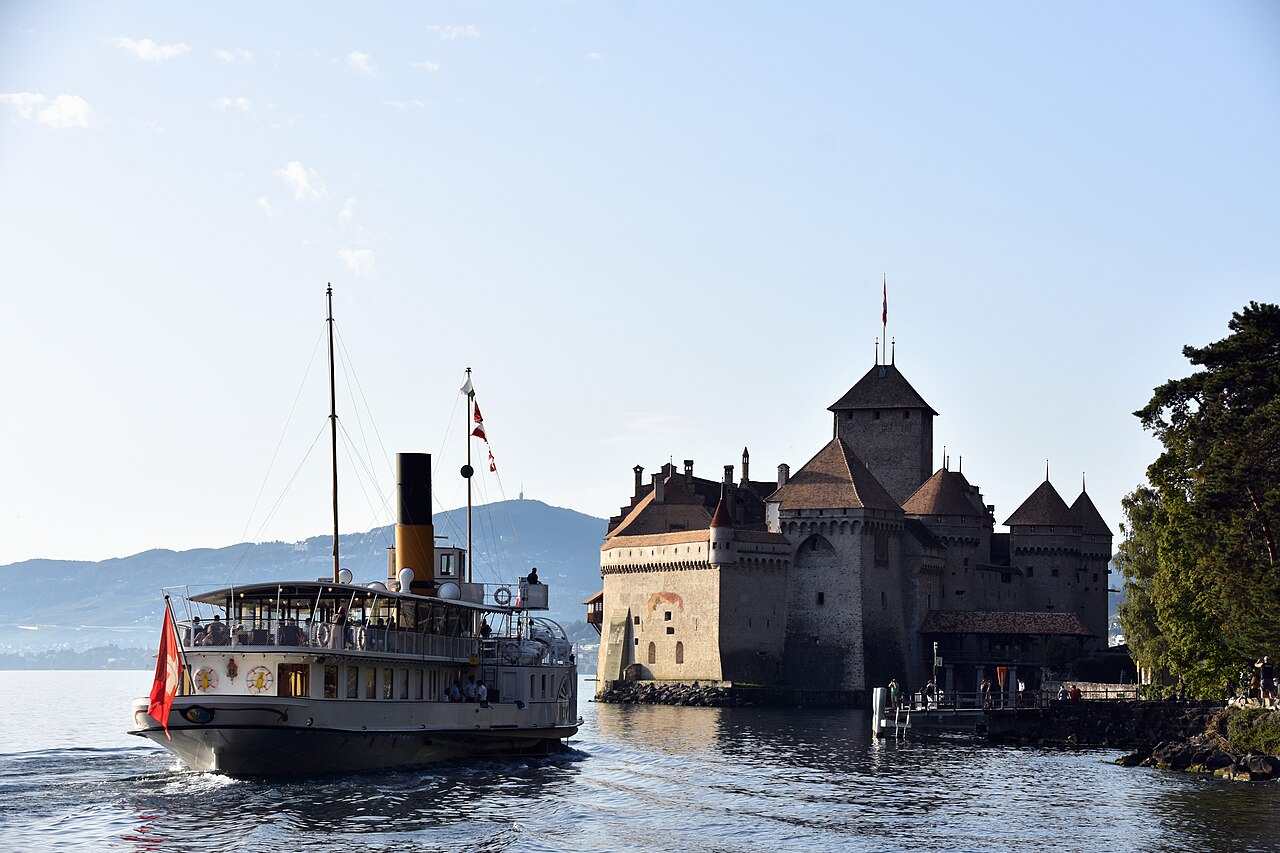
Of all the day trips from Geneva, Lavaux may be the most beautiful. Between Lausanne and Montreux, the hillside drops almost straight to the lake in a staircase of stone-walled vineyard terraces, about 800 hectares of them, planted by monks in the Middle Ages and tended ever since. The landscape is a UNESCO World Heritage Site, and it is easy to see why: rows of vines in neat lines, small wine villages of grey stone and red roofs, and, beyond the water, the peaks of the Savoy Alps. The terraces are also a living, working landscape. The steep slopes face south, and the vines receive warmth three ways, from direct sun, from the reflection off the lake and from the heat stored in the old stone walls, which is why wines here, above all the white Chasselas grape, are so highly prized. Lavaux is made for walking. A footpath of roughly thirty kilometres links Lausanne to Chillon Castle, and you can walk any section, passing through villages such as Lutry, Cully, Epesses and Saint-Saphorin, with information panels on the way. Wine cellars open their doors to visitors for tastings, and some vignerons offer a half-day in the vines or the cellar. Seen in any season, it is a gentle, rewarding escape from the city.
Getting there
Lavaux is on the main railway line between Lausanne and Montreux, which makes it one of the easiest excursions from Geneva. Trains from Geneva reach Lausanne in about forty minutes, and local trains stop at the wine villages along the shore, so you can walk a section and take the train onwards. The vineyard terraces lie just above the railway line and a short climb from the stations. Some visitors prefer to join a small vineyard train or a boat from the lake, and the Riviera boats also call at lakeside villages.
Planning the walk
The best-known route is the walk from Lutry to Cully or from Cully to Saint-Saphorin, each a pleasant two to three hours at an easy pace, with views at every turn. Wear sturdy shoes, because the paths are steep in places and can be slippery after rain, and carry water. Information panels along the route explain the work of the vigneron and the history of the terraces. Do not try to cover the whole route in a day unless you are an experienced walker.
Tasting wine
Many cellars and village wine bars welcome visitors. Some have fixed opening times, and others ask you to book in advance, particularly in the colder months, so check ahead if you have a favourite estate in mind. A tasting usually includes a few whites, mostly Chasselas, and perhaps a red such as Pinot Noir or Gamay. Remember to taste responsibly if you are walking steep paths, and drink water between glasses.
Seasons
In spring the vines are fresh green, in summer the terraces are lush, and the lake is bright. The harvest in autumn is the most atmospheric time, when the leaves turn gold and red and the villages hold local celebrations, though accommodation and tables fill up. In winter the vines are bare and the air is crisp and clear, with snow on the distant peaks, and the walk is quiet. Some cellars keep shorter hours then, but the views remain superb.
Making the most of it
Start in the morning, take the train to Lutry, walk to Cully, lunch in the village, taste some wine, and take the train back in the late afternoon. Pair it with a visit to Chillon Castle, which is at the end of the route, or with Montreux and its lakeside promenade.
Bring a light jacket, because lake breezes can be cool, and a small bag for any bottles you buy. For a more relaxed day, take the train, choose just one village and spend several hours exploring its lanes, cellars and lake views.
What to expect
The experience
A self-guided walk through terraced vineyards and wine villages, with optional tastings at local cellars and a train ride home.
Best time
A clear day in spring or early autumn, when the colours are best, or the harvest season for atmosphere.
How long
Three to five hours on site, plus about an hour each way by train from Geneva.
Tips
Wear sturdy shoes, carry water, book cellars ahead in the colder months and use the train to link sections of the walk.
Quick picks
- Best for
- Walkers, wine lovers and photographers who want a quiet, beautiful day away from the city.
- Families
- A short section of the path suits older children, though the slopes are steep and there are no railings.
- Couples
- A romantic day of views and tastings, with lunch in a village above the lake.
- Pair with
- Chillon Castle, Montreux and the Olympic Museum in Lausanne.
- Time needed
- A full day from Geneva, with the walk and tastings taking about half of it.
Good questions
Where is Lavaux?+
Lavaux lies on the north shore of Lake Geneva between Lausanne and Montreux, in the canton of Vaud. It is on the railway line from Geneva.
How do I get to Lavaux from Geneva?+
Take a train from Geneva to Lausanne in about forty minutes, then a local train along the lake to villages such as Lutry or Cully. The Geneva Transport Card does not cover this journey.
Is Lavaux free to visit?+
Walking the terraces and villages costs nothing. Wine tastings, boat trips and special experiences are charged separately.
What is Lavaux known for?+
It is known for its steep terraced vineyards, its UNESCO World Heritage status and its white wines, above all Chasselas. The views over the lake to the Alps are exceptional.
When is the best time to visit Lavaux?+
Spring and early autumn are especially beautiful, and the harvest season in autumn is the most atmospheric. Winter is quiet and clear, though some cellars keep shorter hours.