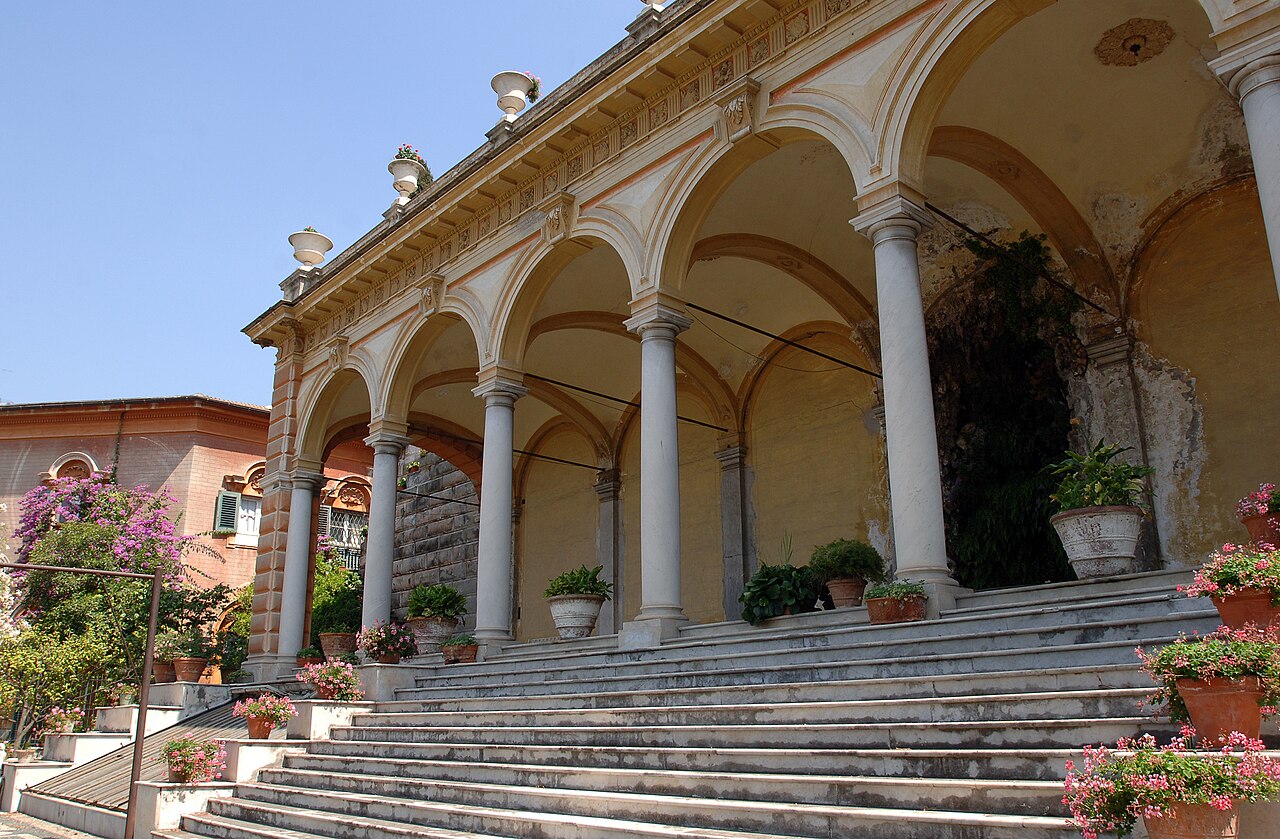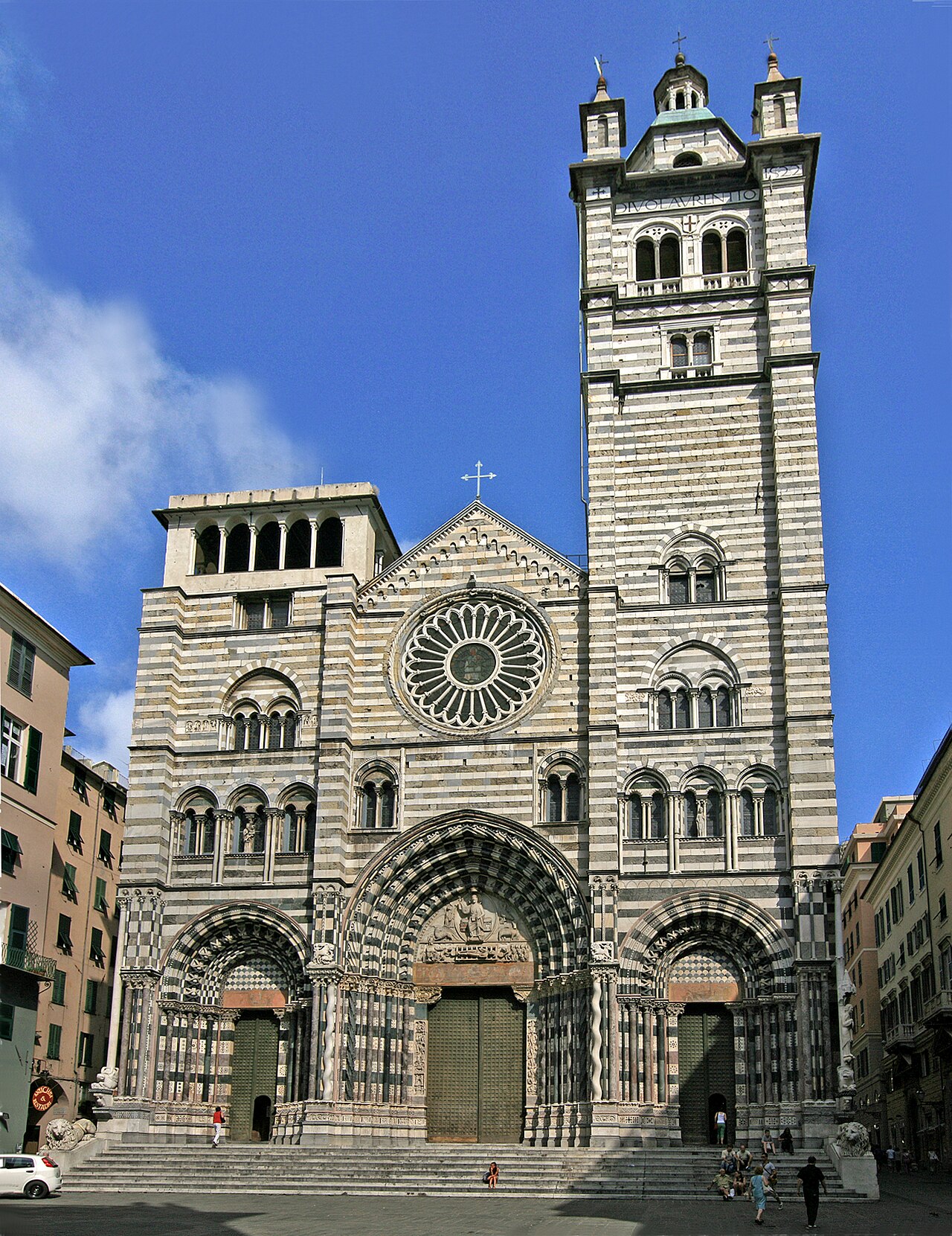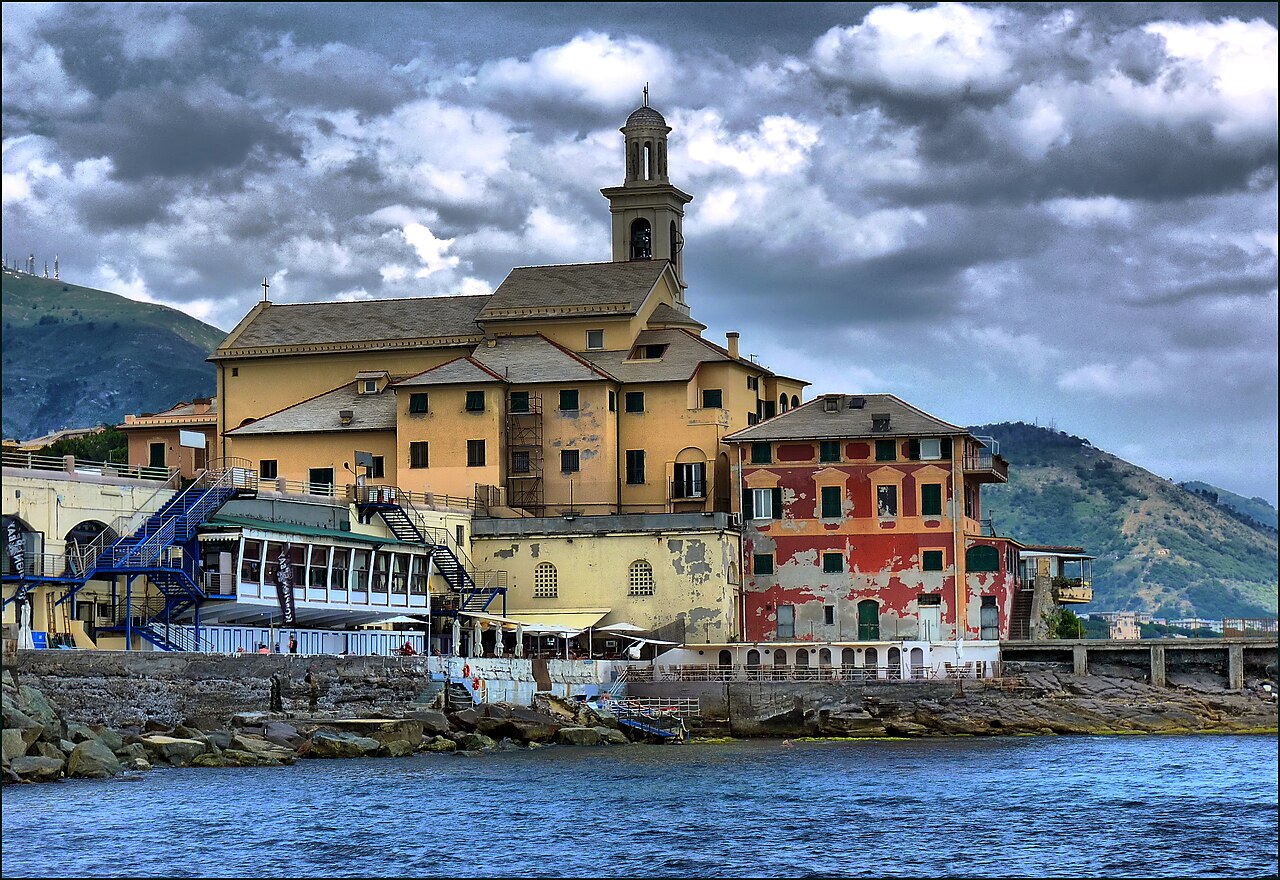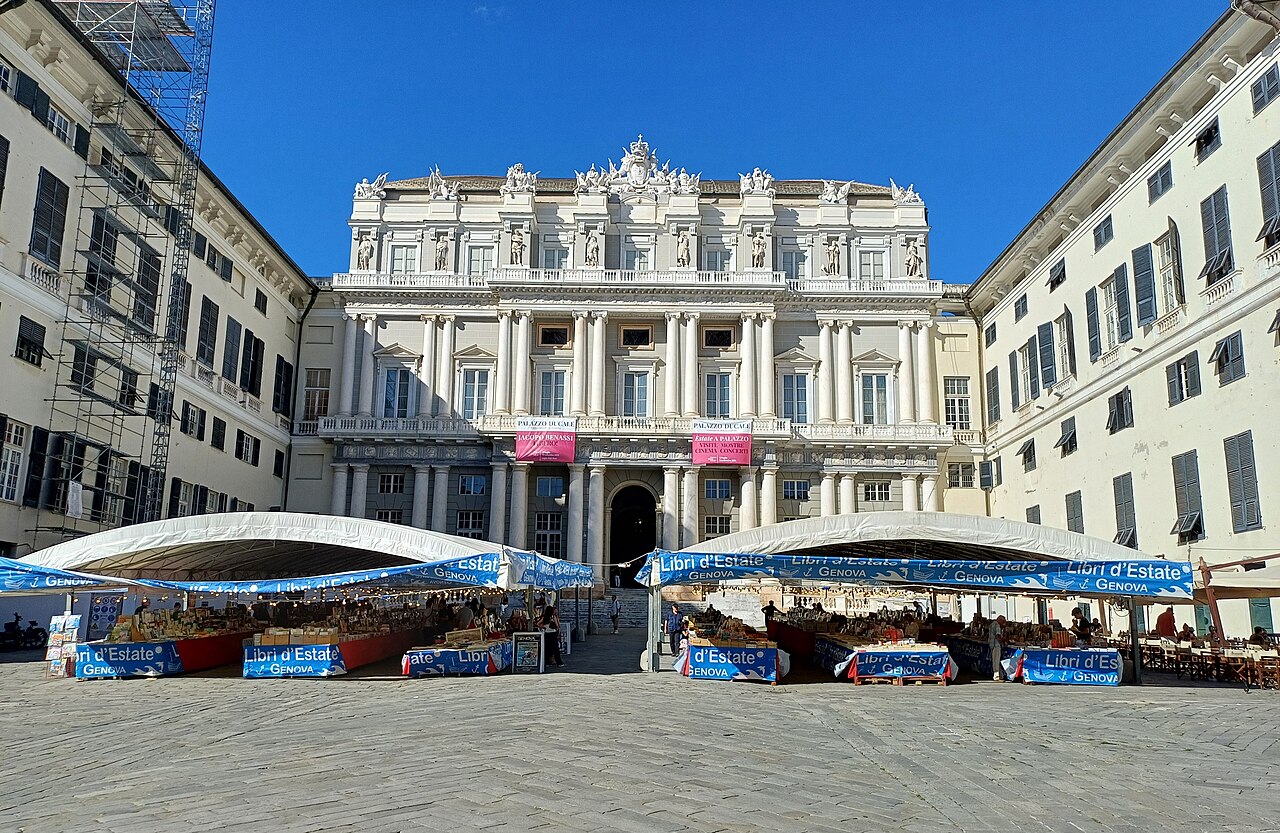
The historic centre of Genoa is one of the largest medieval city centres in Europe, and one of the most atmospheric. Its streets, called caruggi in the Genoese dialect, are narrow canyons between tall stone houses, some so tight that the sky is a thin strip overhead. They twist downhill to the harbour, past chapels, tiny squares, artisans workshops, focaccia bakeries and palaces whose ornate doorways give away their wealth. A guided walking tour is the easiest way to read this maze. A local guide connects the medieval trading republic to what you see today, from the black-and-white cathedral to the grand Strade Nuove and the harbour that created it all. Many tours pause for a taste of focaccia or a coffee, and most last two to three hours at a gentle pace.
The old town is safe and lively, but it rewards attention. Some lanes are crowded and bright, others dim and quiet, and the character of the area changes from street to street. Around Via San Luca and the harbour, small shops and bars give a working feel. Near the cathedral and Piazza Banchi, the streets open into squares with medieval loggias and market stalls.
A good guide will point out details that you might miss: slate lintels carved with coats of arms, shrines tucked into walls, the narrow Vico dei Librai, and the houses that once belonged to famous families. You may hear about Columbus childhood home, the legend of Saint George, the famous pirates and merchants, and the role of the Genoese bankers who financed European kings.
Most walking tours start near the Porto Antico or Piazza De Ferrari and end close to the cathedral. Group sizes vary, and small groups are generally more pleasant in narrow lanes. Confirm the meeting point, language and duration before booking, and whether the tour includes tastings, entry tickets or a visit inside a palace.
Wear comfortable shoes with a good grip, because the stone is uneven and can be slippery when wet. Carry your valuables sensibly, as in any busy city centre. After dark, some of the quieter lanes feel less comfortable, so many visitors stick to the main routes in the evening or join an organised tour.
Consider the tour as a first morning in the city. It builds a mental map that makes the rest of your stay easier, and the guide can recommend places to eat and drink. If you prefer to explore independently, download a map and wander without a strict plan. Genoa is compact enough that you will always find your way down to the sea.
A final tip is to look up as well as ahead. The tall, narrow buildings carry painted facades, stone reliefs, wrought iron balconies and little shrines to the Madonna set above street corners, and many of the details are only visible from the right angle. A guide helps you spot them, and a camera or phone with a wide lens makes the most of the narrow spaces. Take water and a small snack, since many shops close for a lunch break and cafes are not always on the route.
Most tours run in English and Italian, with other languages on request, and private guides can tailor a route to interests such as food, art, architecture or family history. Ask whether the route includes Via del Campo, the lane made famous by a song, and the Piazza delle Erbe, an evening hangout for locals, as these add personality to the walk.
What to expect
The experience
A guided walk through the narrow lanes of the historic centre, covering the main churches, squares and palaces.
Best time
Mornings, when the lanes are quiet and light reaches the squares.
How long
Two to three hours.
Tips
Wear grippy shoes, carry valuables sensibly and confirm the meeting point and language.
Quick picks
- Best for
- First-time visitors who want orientation.
- Families
- Fine for older children who like stories; very small ones may tire.
- Couples
- Atmospheric streets and good lunch spots make it a relaxed couple's outing.
- Pair with
- The cathedral, Palazzo Ducale and the Strade Nuove.
- Time needed
- Half a morning.
Good questions
What are the caruggi?+
The narrow lanes of the Genoese old town, many only a couple of metres wide between tall buildings.
Is the old town safe?+
Generally yes, with normal city precautions. Some quieter lanes feel less comfortable after dark.
How long does a walking tour take?+
Usually two to three hours.
What should I wear?+
Comfortable shoes with grip, as the stone is uneven.
Can I explore on my own?+
Yes. The old town is compact and downhill routes lead to the sea, but a guide adds context.