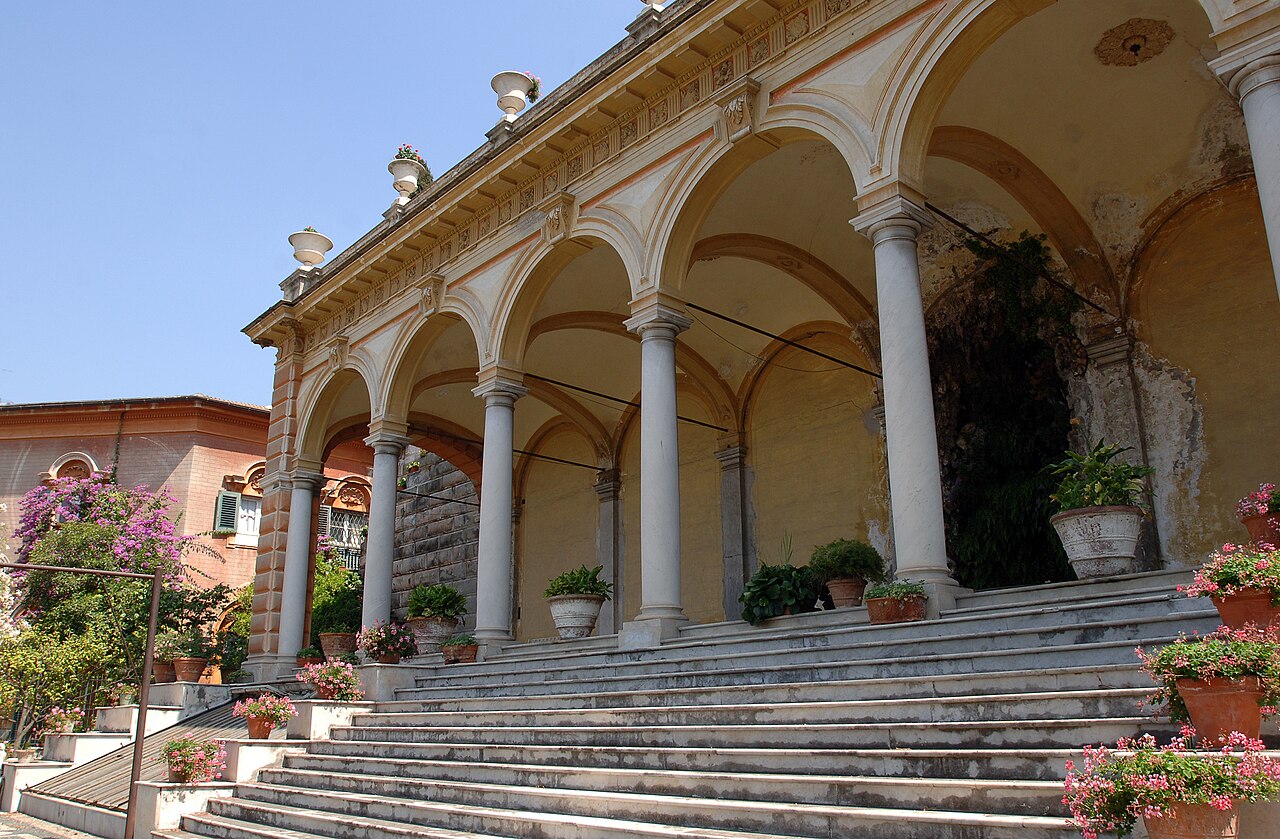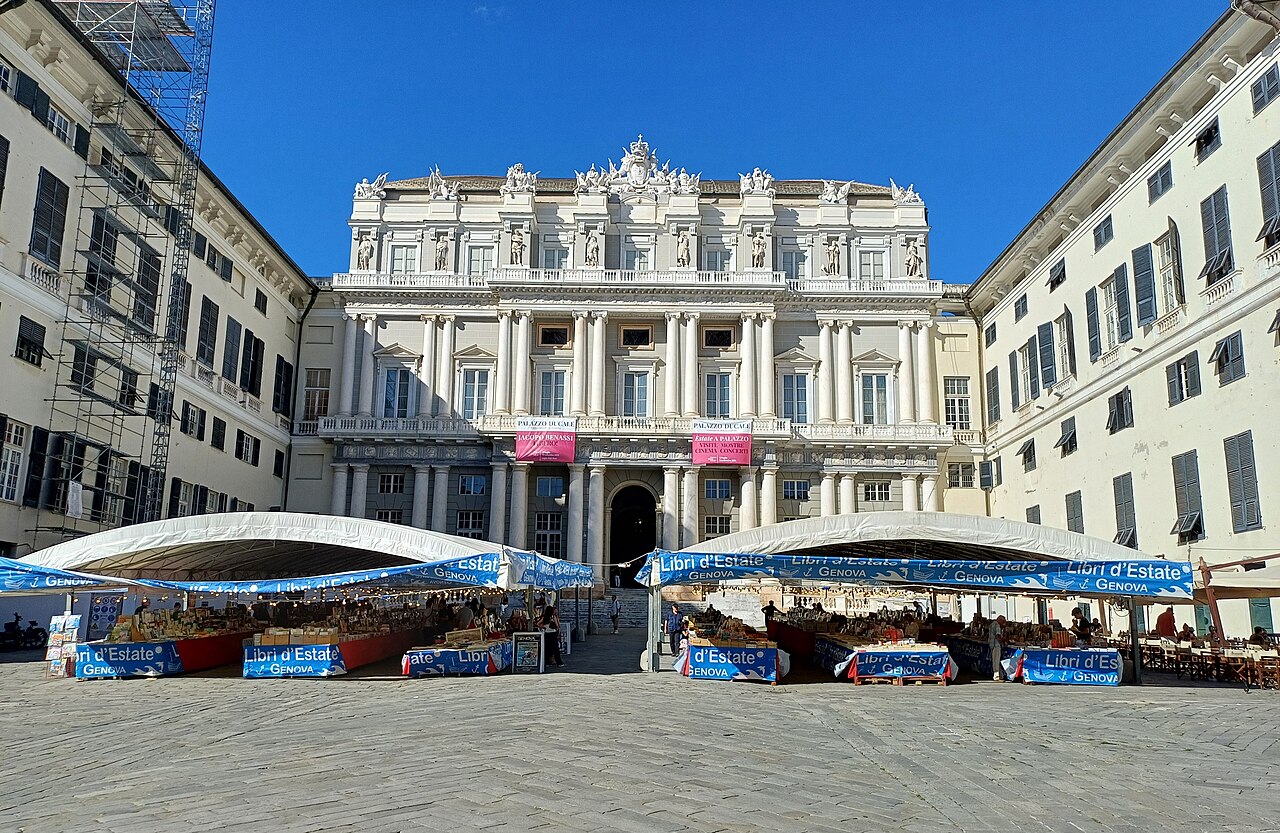
Palazzo Ducale stands on Piazza Matteotti, a few steps from the cathedral and Piazza De Ferrari, and has served as the seat of power in Genoa for the best part of seven centuries. The first building dates to the late thirteenth century, and it was enlarged and reworked many times, most notably after fires in the sixteenth and eighteenth centuries, the latter followed by the neoclassical rebuilding that gave it the grand facade you see today. It was home to the doge, the elected head of the Republic of Genoa, and to the councils that governed the maritime empire. Today the palace has a second life as a cultural centre. Large temporary exhibitions occupy the main galleries and have in recent years covered subjects from modern art to photography and archaeology. Alongside them are lecture halls, a bookshop, a cafe, a courtyard used for events and, on occasion, great public festivals. Even without an exhibition ticket, you can enter the courtyard and the atrium to see the architecture.
Walking in, the first impression is of scale. The atrium and staircases are designed to impress visiting ambassadors, with high vaulted ceilings, carved stone and broad flights of steps. The Salone del Maggior Consiglio, the great hall of the main council, is a highlight when it is open to visitors, and the former prison cells in the Torre Grimaldina add a darker note to a visit.
What is on depends on the calendar. Because the palace is a venue rather than a permanent museum, the experience changes from month to month, so check the programme before you go and decide whether the current exhibition interests you. Many visitors enjoy the building so much that they treat the visit as an architecture stop and add a short exhibition if time allows.
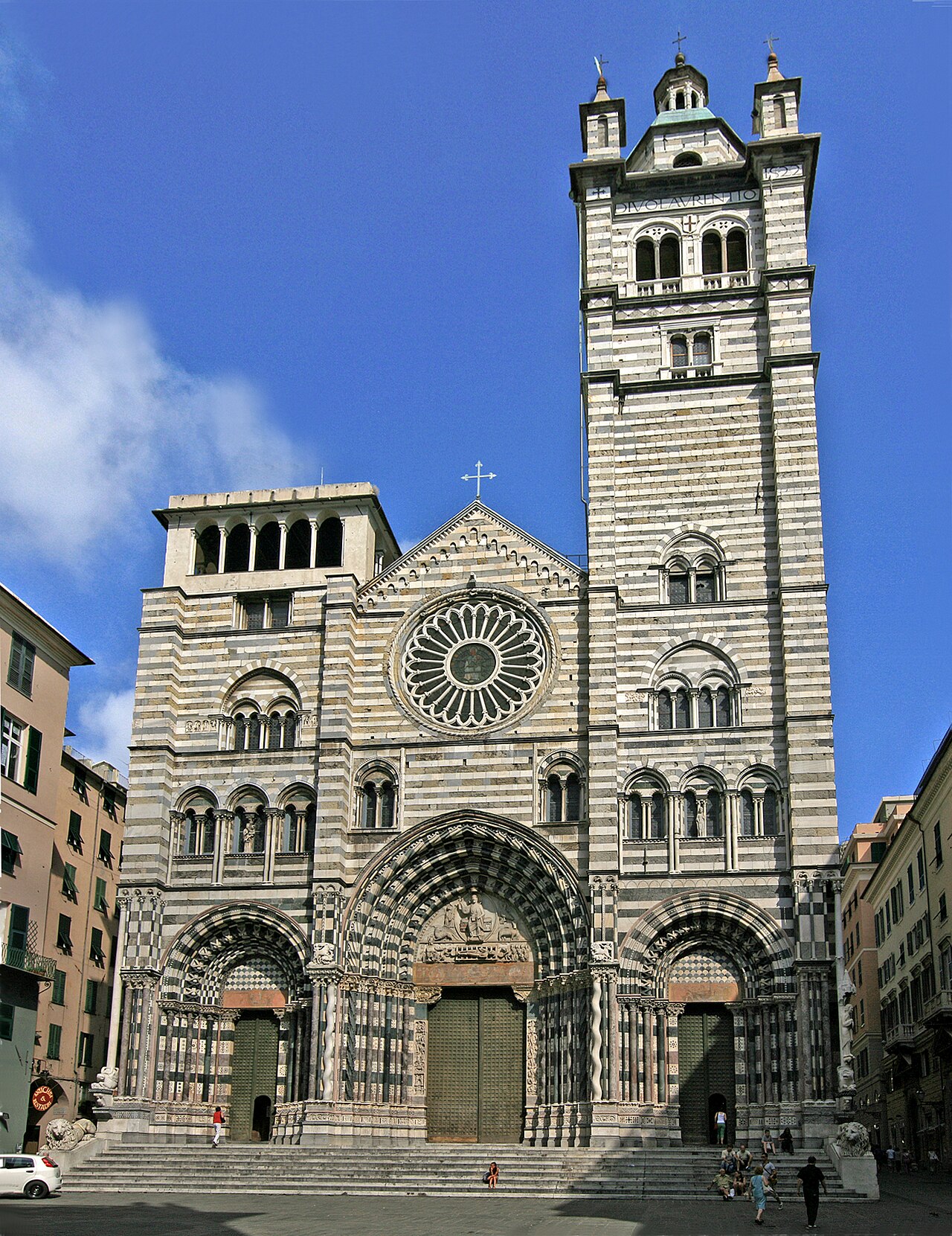
A sensible way to fit it in is as part of a loop of the old town. Start at Piazza De Ferrari, with its large bronze fountain and the Teatro Carlo Felice opera house, step across to the palace, then walk on to the cathedral of San Lorenzo, which stands just beside it. From there the caruggi lead down to the Porto Antico. The whole sequence can be done in a morning on foot.
Practical details are simple. The palace is in the pedestrian heart of the city and well served by metro, with De Ferrari the nearest stop. It tends to be closed one day a week, usually Monday, and exhibitions can have their own hours, so check before travelling. The courtyard and cafe are pleasant for a rest between sights, particularly in the middle of a hot day.
For families, the palace is worth a quick visit for the scale of the staircases and the hint of mystery in the prison cells, but exhibitions may not suit very young children. For couples and culture seekers, an evening event or a late opening can be a memorable way to see the building without the daytime crowds.
Think of the palace as a stage as much as a museum. Concerts, talks, book fairs and festivals fill the courtyard and halls through the year, and the cafe on the ground floor is a quiet place to sit while you decide what to do next. If the exhibition on offer does not appeal, an architecture-only visit of twenty minutes is still worthwhile, and you can always return for an evening event when the building is lit and the old town is at its liveliest.
What to expect
The experience
A visit to the former doges palace, with free access to the courtyard and ticketed exhibitions in the main galleries.
Best time
Mornings or early evenings. Check the exhibition calendar for opening hours.
How long
One to two hours.
Tips
Check which exhibition is on and which day the palace is closed before you go.
Quick picks
- Best for
- Architecture lovers and visitors who like exhibitions.
- Families
- Fine for children for a short visit, though exhibitions vary in appeal.
- Couples
- A quiet evening exhibition followed by dinner in the old town.
- Pair with
- The cathedral, Piazza De Ferrari and the Strade Nuove.
- Time needed
- One to two hours.
Good questions
What is Palazzo Ducale?+
It is the former palace of the doges of the Republic of Genoa and is now the city's main cultural centre.
Can I visit without an exhibition ticket?+
Yes, you can usually enter the courtyard and atrium for free, but the galleries need a ticket.
Is it open every day?+
Not always. It is commonly closed one day a week, so check hours before you go.
Where is it?+
On Piazza Matteotti in the old town, a short walk from Piazza De Ferrari and the cathedral.
Can I see the prison cells?+
The Torre Grimaldina prison area has been open for visits at times. Ask at the palace about current access.