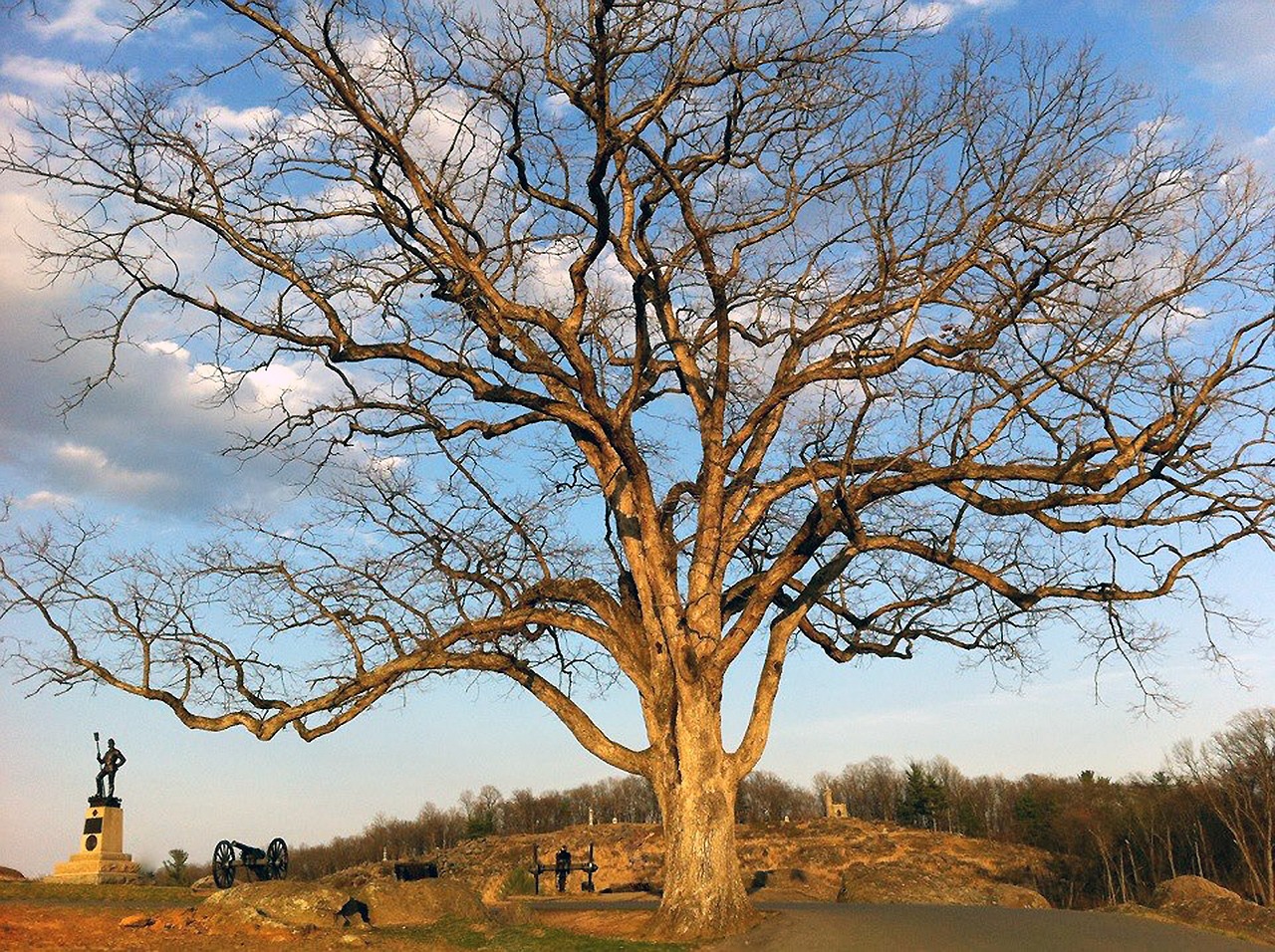
Seminary Ridge Museum occupies Schmucker Hall, a handsome brick building completed in 1832 for the Lutheran Theological Seminary west of Gettysburg. On the morning of July 1, 1863, Union cavalry commander John Buford climbed into its cupola to watch Confederate columns approach along the Chambersburg Pike, and the building later served as a field hospital for both armies. After careful restoration, it reopened as a museum in 2013 with exhibits that follow the first day of the fighting, the experience of the wounded who filled the building, and the story of the seminary and the town. For visitors, the highlight is the chance to climb to the cupola, where the view across the fields toward the pike makes the opening morning easy to picture. The museum has become a respected complement to the larger Visitor Center, offering a quieter, more focused look at one day, one building and the people who lived through it.
The exhibits are organised around the building's two roles. On the first floor, exhibits explain the seminary's role in the community and the opening battle west of town. Upstairs, the medical story is told through displays of period surgical tools, letters from wounded soldiers and stories of the doctors and nurses who treated them.
Many visitors find the field hospital rooms the most affecting part, because the building looks much as it did when it was crowded with the injured. A short film and clear wall panels provide context without overwhelming the exhibits, and docents are on hand to answer questions.
The cupola climb is a highlight but it has requirements. The staircase is steep and narrow, and the cupola itself holds only a few people at a time, so check the museum's current guidance on access and tickets before you go. Timed tickets are common in busy seasons. The museum is on the ridge itself, and a walk outside takes you past monuments and along the line where the first day's fighting took place. Combining the indoor exhibits with the outdoor walk gives a more complete picture than either alone.
Seminary Ridge fits well in a day that also includes the Museum and Visitor Center, since the two museums complement each other. Many visitors tour the first day's field in the morning, starting here, and then drive to Cemetery Ridge, Little Round Top and Devil's Den for the second and third days. Children from about ten usually engage well with the medical exhibits and the cupola, though the content can be intense for younger ones.
Allow ninety minutes to two hours, check seasonal hours, and ask staff about walking trails if you have time. For those interested in how a civilian institution became a military hospital almost overnight, it is one of the best places in town to learn.
The museum also rewards a second look at the quieter panels, which explain how the seminary community, its professors and students and the neighbouring townspeople responded when the battle reached their doorstep. Those stories give the larger events a human scale, and they make a useful counterpoint to the generals and regiments that dominate the monuments outside.
Ask the staff which gallery is currently most popular, check whether any talks or demonstrations are scheduled during your visit, and consider a short walk behind the building to see the ridge line the soldiers defended. The grounds are open for walking and offer a calm place to sit before you move on to the next stop.
What to expect
The experience
A self-guided museum in a restored seminary building, with exhibits on the first day of the battle and a cupola climb.
Best time
Weekday mornings, outside the busiest summer weekends.
How long
Ninety minutes to two hours.
Tips
Check ticket and cupola access in advance, wear comfortable shoes and add the outdoor walk along the ridge.
Quick picks
- Best for
- History fans who want a focused look at the first day.
- Families
- Best for children about ten and up.
- Couples
- A quiet, thoughtful stop away from the busiest sites.
- Pair with
- The Museum and Visitor Center and a first-day battlefield walk.
- Time needed
- Two hours.
Good questions
What happened here?+
The building was a Union observation point on July 1, 1863, and a field hospital after the fighting.
Can I climb to the cupola?+
Usually yes, subject to ticketing and safety limits. Check current access before you go.
Is it suitable for children?+
Children about ten and up tend to enjoy it. The medical content can be intense for younger ones.
How long should I allow?+
Plan on ninety minutes to two hours, plus time for the walk outside.
Is it near the Visitor Center?+
It is on the opposite side of town, so allow a short drive between the two.