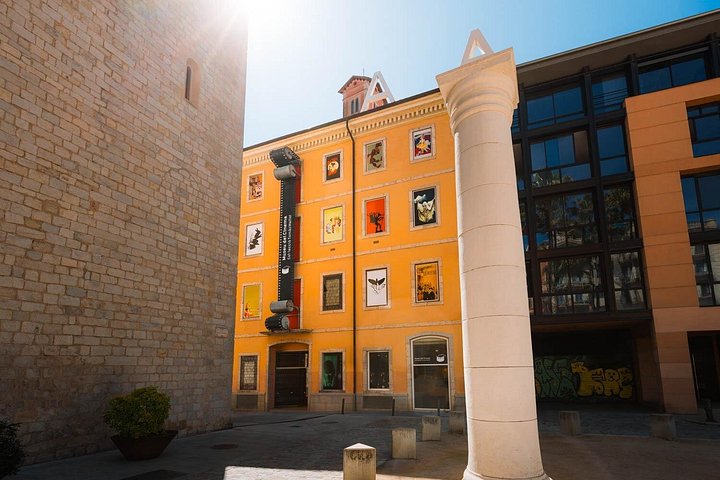
The Museu del Cinema in Girona is one of the most charming small museums in Catalonia, and it is the best answer to the question of what to do with children in a medieval city. Its core is the collection of Tomas Mallol, who gathered thousands of optical devices, from Chinese shadow puppets and magic lanterns to zoetropes, praxinoscopes and early projectors. The displays take you from the pre-cinema entertainments of the seventeenth century through the nineteenth-century inventions that taught people to see moving pictures, and finally to the cameras and projectors of the film age. Hands-on stations let visitors spin, peep and animate, and the building has a pleasantly old-fashioned atmosphere that suits the subject. Entry gives access to the permanent exhibition and to any temporary displays on offer.
You begin with the shadow theatres and lantern shows that entertained audiences long before film, then move into the age of optical toys. Here the museum is at its best: a good guide or a patient reader can explain how a flipbook or zoetrope tricks the eye, and many of the devices can be operated by visitors.
A large room is devoted to the cinematograph and the early film industry, with cameras, projectors and posters showing how the technology spread across Europe. Catalan film history gets its own space, and the museum includes a children's section designed for hands-on play.
The staff are friendly, and the museum is easy to navigate even for those who speak no Spanish or Catalan, because many exhibits are visual. For families with children aged about five and over, the experience is lively, and for adults interested in design and the history of technology it is quietly fascinating.
Photography is usually allowed in the galleries, though flash can be restricted near delicate items. A small shop sells postcards, optical toys and books, and a cafe nearby is a short walk away. The museum is a sensible plan for rainy days or the hottest part of the afternoon.
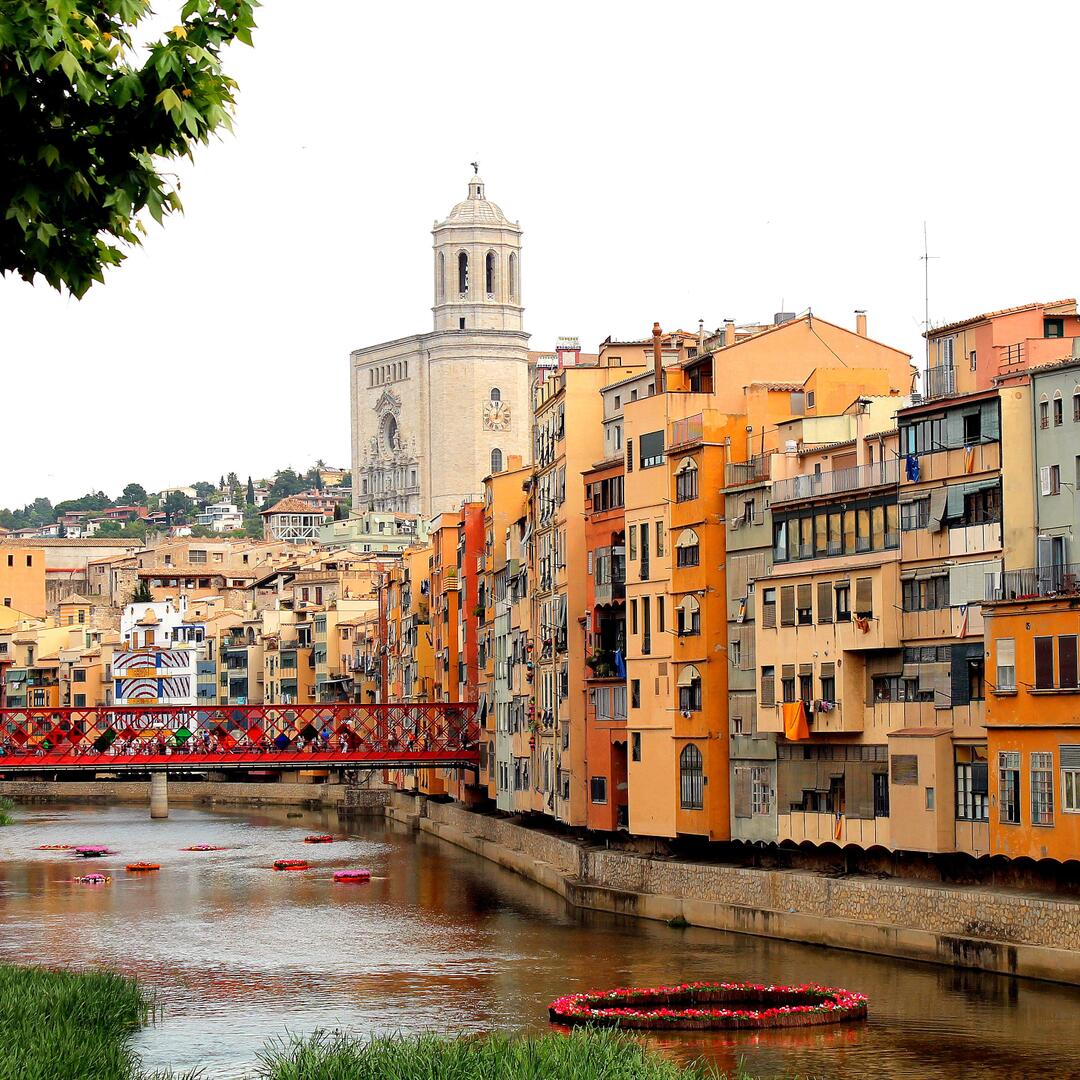
Give yourself about ninety minutes to two hours, longer if you stop at every interactive. The museum sits within easy walking distance of the Onyar and the Rambla, so it slots into a day of sightseeing with little transit. Check hours before you go, since opening times vary by season and the museum may close on some weekdays.
It is worth arriving soon after opening in summer, when school groups can fill the rooms later in the morning. If you are travelling with a mixed group, split the visit between adults and children by letting the youngest play while others read the labels. Combine it with the Onyar highlights walk for a full and varied day.
Adults sometimes arrive expecting a children's attraction and leave surprised by the depth. The collection traces how people have always wanted to capture motion, from candle-lit shadow plays to the first public screenings, and the objects have a craftsmanship that modern devices lack. If you are travelling with a film fan, ask the staff about the best-loved pieces in the collection and the stories of how Mallol acquired them. Bring small change for the shop, where simple optical toys make good gifts for children and for grown-up friends at home.
What to expect
The experience
A self-paced visit through the permanent exhibition of pre-cinema devices, early cameras and film history, with hands-on stations.
Best time
Mid-morning or mid-afternoon; arrive early in summer to avoid school groups.
How long
About ninety minutes to two hours.
Tips
Check opening days. Let children try the interactive devices, and budget a few minutes for the shop.
Quick picks
- Best for
- Families and anyone interested in the history of technology.
- Families
- One of the best family stops in the city, ideal for ages five and up.
- Couples
- A playful, offbeat date.
- Pair with
- The Onyar walk, ice cream and the Rambla.
- Time needed
- Ninety minutes to two hours.
Good questions
What can I see at the museum?+
A large collection of optical devices, magic lanterns, early cameras and projectors, plus a section on film in Catalonia.
Is it suitable for children?+
Yes. Interactive stations and visual displays make it a favourite for families.
Is the museum accessible?+
Check access details with the venue in advance, as the building has several levels.
Do I need Spanish or Catalan?+
Not especially, since many exhibits are visual. Labels are available in other languages.
How long should I allow?+
Around ninety minutes to two hours.