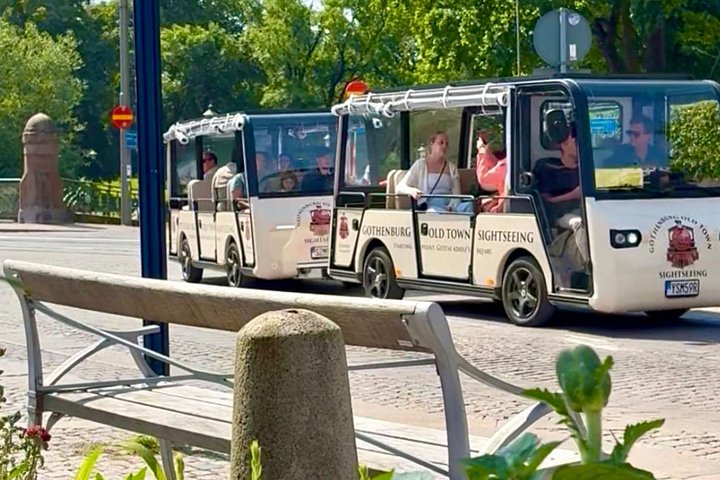
Gothenburg was founded in 1621 by King Gustav II Adolf and laid out with the help of Dutch engineers, who gave the city its grid of straight streets and moat-like canals. The old town is the compact area inside that original grid, and it is one of the easiest historic walks in Sweden. Key stops include Gustaf Adolfs torg with its statue of the founder, the town hall and the old exchange building, the Kronhuset from the 1640s with its craft workshops, the cathedral and the surrounding streets of merchant houses. A walking tour tells the story of the Dutch and Scottish merchants, the East India Company and the shipping trade that built the city. Distances are small, so it works as a two-hour introduction on foot, with a coffee break halfway through.
The oldest secular building in the city is the Kronhuset, a seventeenth-century brick building that once served as an arsenal and later as a concert hall. Its courtyard holds craft shops and a cafe, and it is an excellent place to pause. Close by, the Kronhusbodarna row of small workshops sells glass, ceramics and textiles from local makers. The Gustaf Adolfs torg square is the central stage, with the town hall and the stock exchange building on its sides, and the nearby canals provide the water that gave the town its trading edge.
Walking tours vary in style. A good local guide will explain why the street names mix Dutch and Swedish, how the moats were built and what the East India Company meant to the city, and will point out the details most visitors miss: carved doorways, merchant marks and old warehouse hooks. Self-guided audio routes work well if you prefer a slower pace. Starting early avoids the midday crowd and gives you time to reach Haga and the harbour.
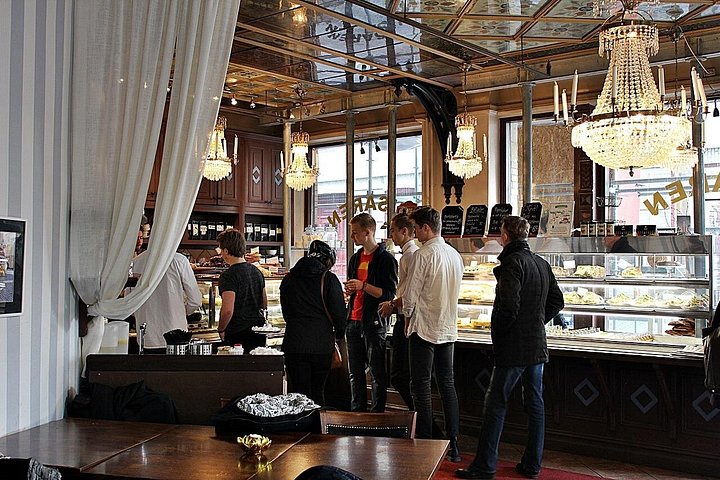
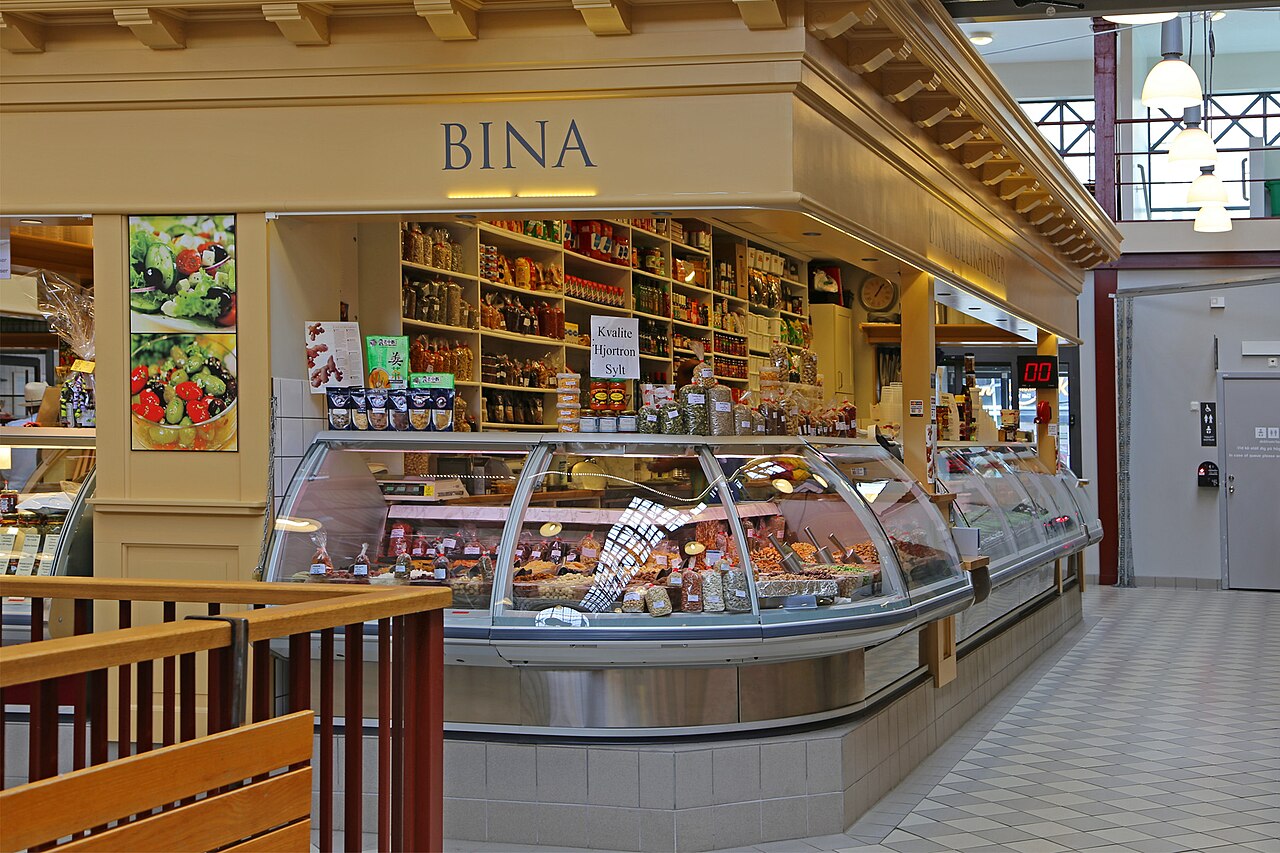
Pair the walk with the canal boat or the harbour area for a complete first day. The old town is flat and easy for strollers and most visitors with limited mobility, though cobbles are uneven in places. Weekend afternoons are busy around the main square and shopping streets, while Sunday mornings are quiet. Cafes cluster around the square and on the side streets, and the nearby market halls are good for lunch.
A few themes help you read the streets. First, notice the water: the canals are not decorative, they were the town's defence and its trade routes, and many street names point to old harbours and warehouses. Second, notice the squares: Gustaf Adolfs torg and Kungstorget were built as civic and market spaces, which is why the town hall, the exchange and the market hall cluster around them.
Third, look for the Dutch influence in the straight lines and the proportions of the narrow canal-side houses, and for the Scottish and German surnames above shop doors that recall the merchants who settled here.
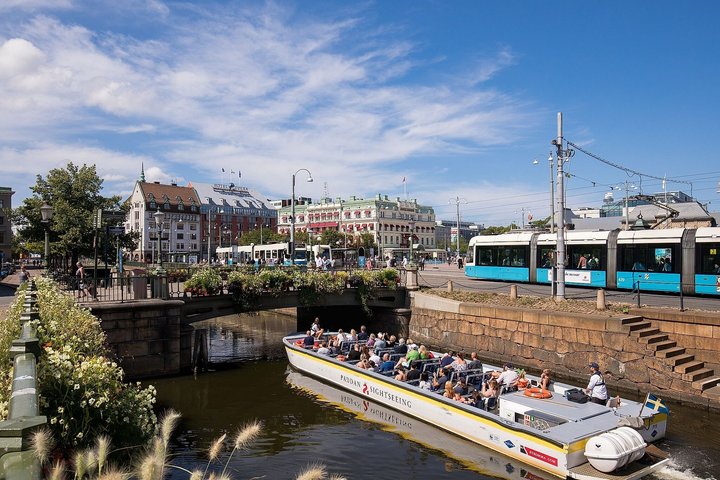
If you have time, step inside the cathedral for a quiet pause, and look for the plaques and statues that explain how the city survived fires, sieges and changes of fortune. Allow time for a coffee in a courtyard or a lunch at the market hall, and finish at the canal edge, where the Paddan boats pass, to see how the old town sits within its watery frame. Keep an eye on opening times of small museums and craft shops, which vary by day.
What to expect
The experience
A walk through the original Dutch-planned grid, with a guide or audio route covering squares, canals and merchant houses.
Best time
Morning, when the squares are quiet and light is soft.
How long
About two hours with a coffee stop.
Tips
Visit the Kronhuset courtyard, look up at the carved doorways, and combine with the market hall for lunch.
Quick picks
- Best for
- History fans and first-time visitors.
- Families
- Flat and compact; keep it short for young children and add a cafe stop.
- Couples
- An unhurried walk with coffee in a courtyard.
- Pair with
- Haga and the Paddan boats make a natural full day.
- Time needed
- Two to three hours.
Good questions
Who founded Gothenburg?+
King Gustav II Adolf founded the city in 1621. Dutch engineers helped plan its canals and street grid.
Is the walk suitable for wheelchairs?+
The old town is mostly flat, but cobbles in places can be rough. Ask the tour operator about the route.
What is the Kronhuset?+
The city's oldest secular building from the 1640s, now home to craft workshops and a cafe.
Is a guide necessary?+
No, but a guide adds context. Self-guided audio routes are a good low-cost alternative.
How does it fit with Haga?+
Haga is a fifteen-minute walk away, so the two make a good half-day or full-day combination.