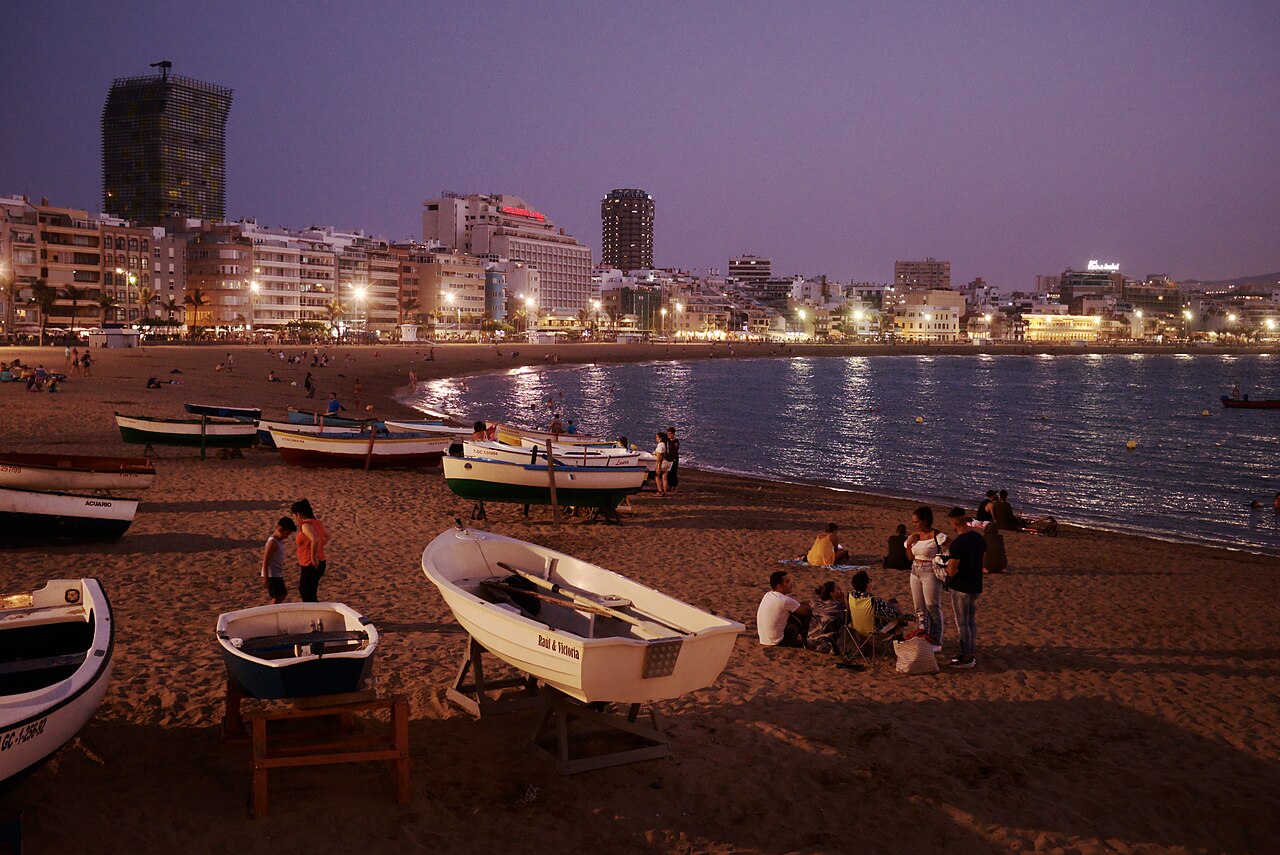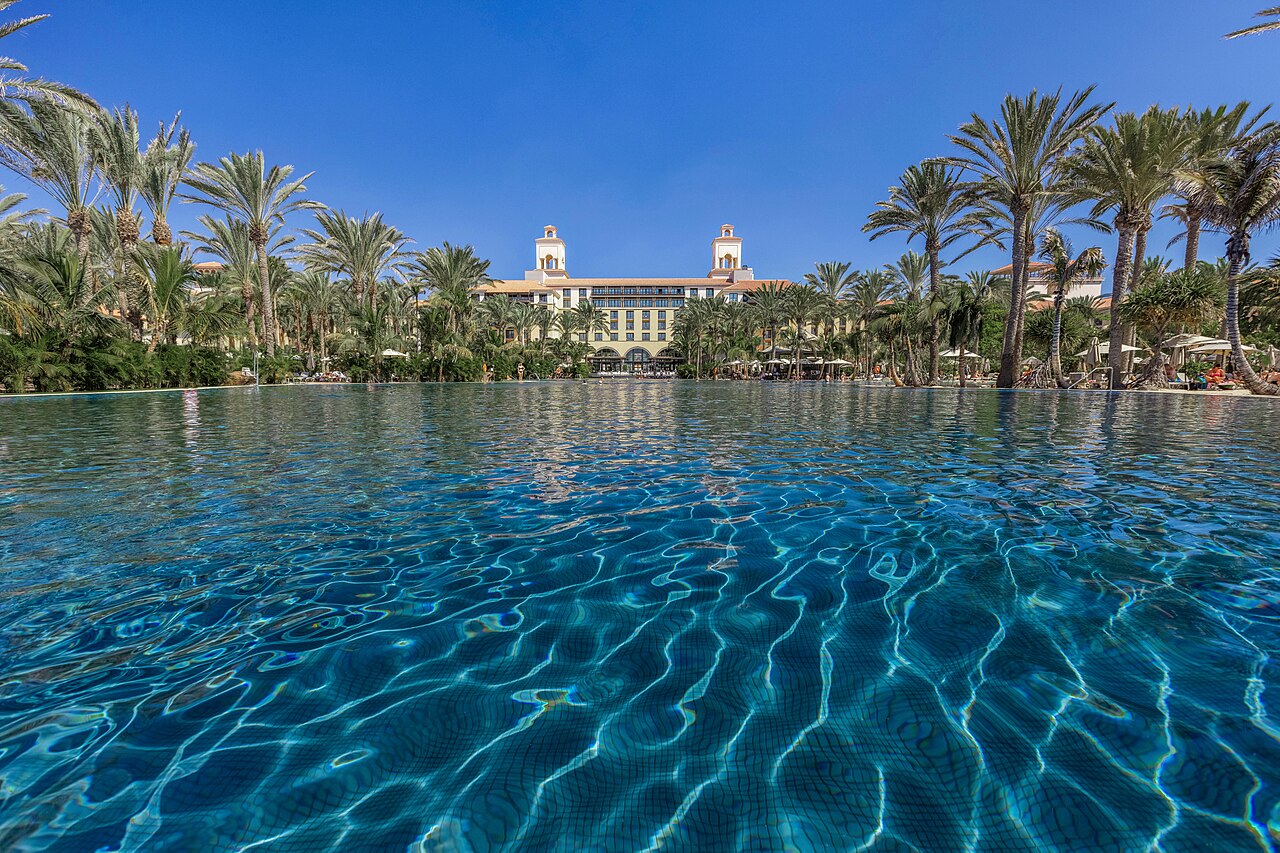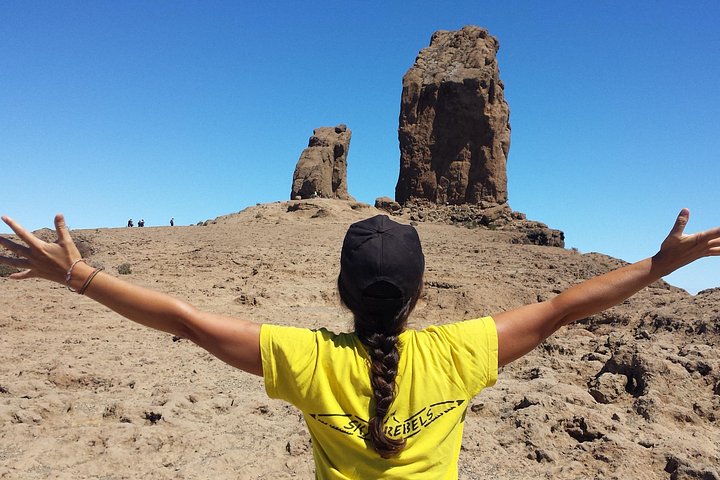
Gran Canaria is often described as a place of eternal spring, and there is truth in it: the island has a mild climate for most of the year and is popular in every season. But the weather varies more than the postcards suggest, because the island is a tall volcanic cone. The south is the sunniest and driest part, the north is greener and cloudier, and the mountains of the interior can be cool and misty. Choosing when to go depends on whether you want beach days, hiking or a quieter, cheaper trip.
Winter, from November to February: the high season
The island is the winter-sun destination of northern Europe, so the south coast fills with visitors who want warm days at a time when home is cold. Days are typically pleasant and the sea is swimmable for many people, though it is cooler than in summer. Evenings can feel fresh, and the mountains are noticeably colder, so pack a jacket for Roque Nublo. This is also the busiest and most expensive period, so book flights, hotels and popular tickets early. Many travellers choose it for the dunes, the boat trips and the capital.
Spring, from March to May: a gentle shoulder
Spring is a lovely time for walking, because the interior is at its greenest after the winter rains and the temperatures are comfortable for the hike to Roque Nublo. Crowds ease after the winter peak, with the exception of holiday weeks, when families travel. Cloud can linger in the north, so if the weather turns grey in Las Palmas, head south to the dunes and the beaches, which tend to be sunnier.
Summer, from June to September: beach weather
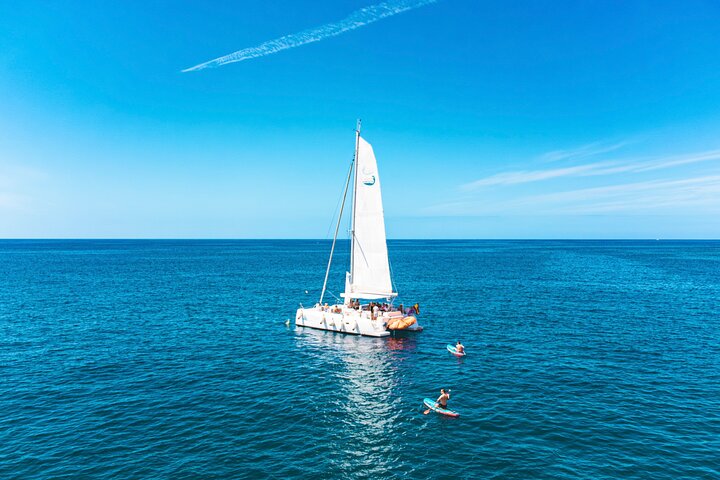
Summer is warmer and drier, and it is the best time for swimming, catamaran cruises and long beach days. The south can be hot at midday, so plan activities for the morning and late afternoon, and use the shade of the parks. Local and Spanish families take their holidays at this time, which can mean busier beaches and higher prices in August, and the interior is dry and golden rather than green. Boat trips and the sea caves are at their calmest, though wind can still affect any outing.
Autumn, from October to early November: warm and uncrowded
Autumn keeps the warm sea of summer, with fewer visitors than in midwinter. It is a good moment for travellers who want beach weather without the peak crowds, and prices before the winter high season tend to be lower. Showers become more likely as the season moves on, and the mountains can be cloudy, so keep a flexible plan.
Matching the season to the trip
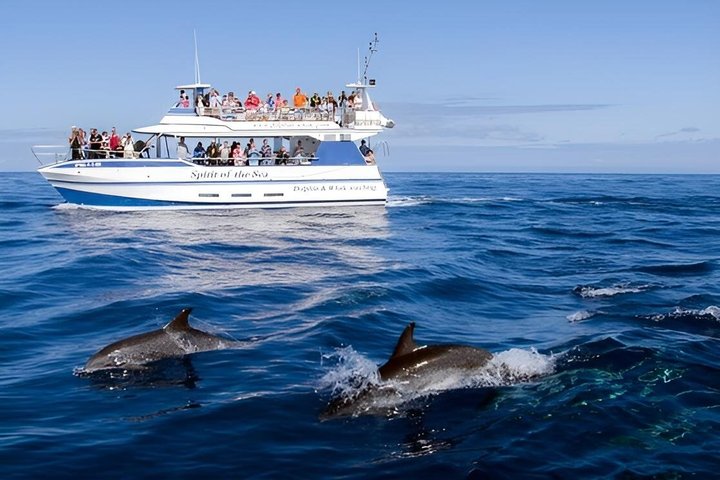
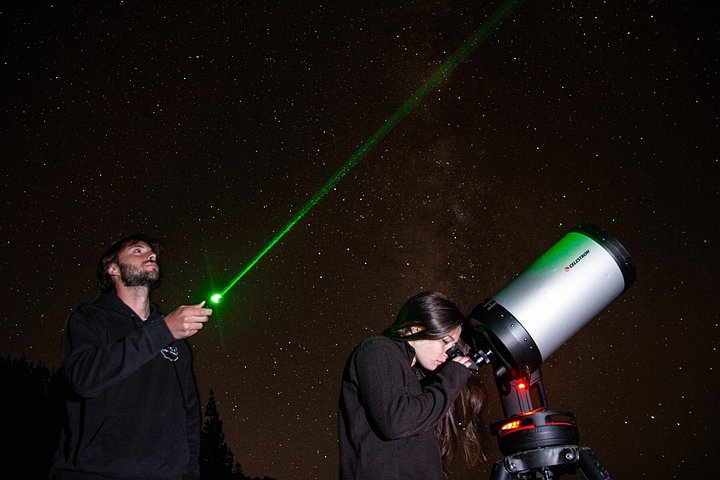
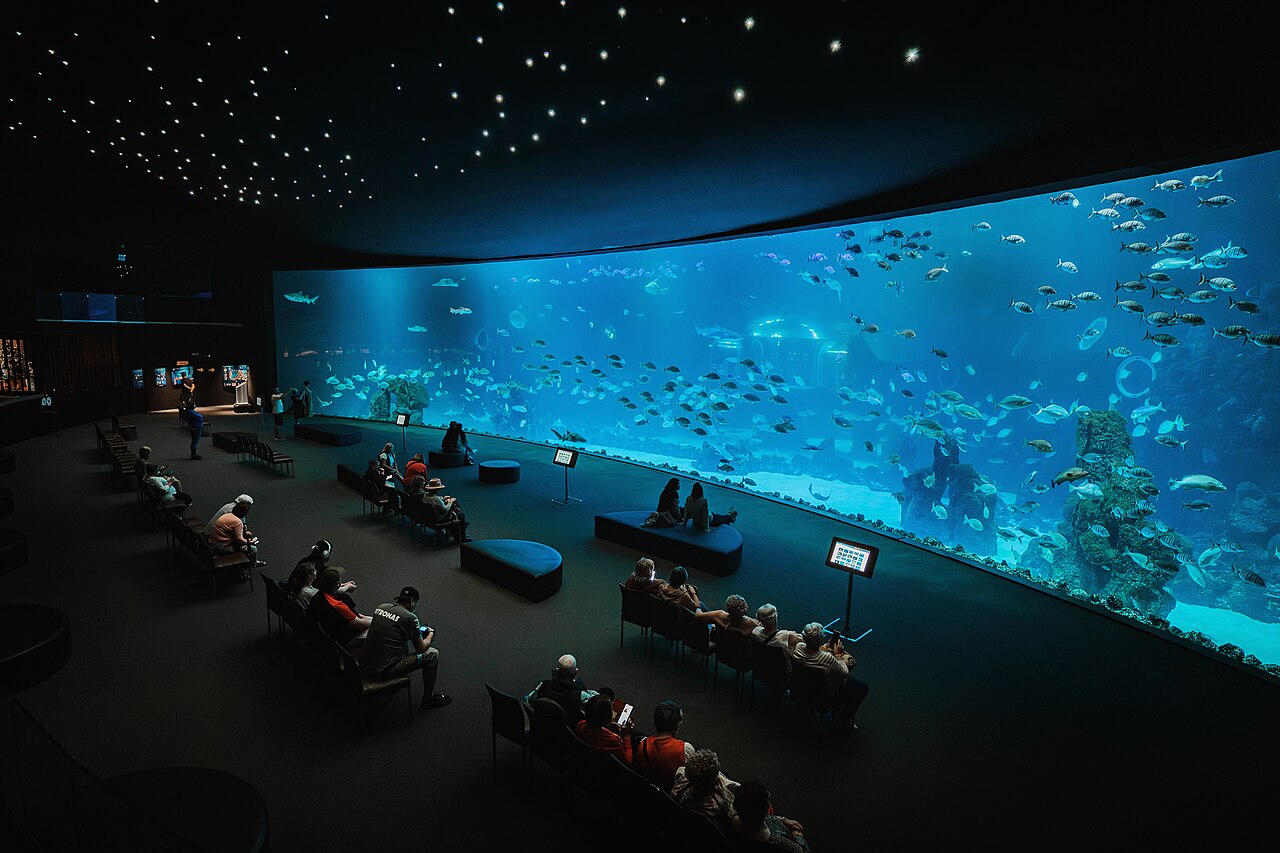
For beach days, aim for late spring, summer or autumn. For hiking, choose spring or a clear winter week, and start early. For whale and dolphin watching, the sea matters more than the month, because sightings depend on conditions; book a day or two ahead and keep another day free in case a trip is rescheduled. For stargazing, the high interior has very clear skies, and the sunset and stargazing tour works in any season when the weather is settled. For culture and food in Las Palmas, any month is fine, and rainy days suit the aquarium and museums.
Weather and the island’s two sides
Because of the trade winds, the north coast collects cloud, while the south stays clearer. A common pattern is a grey morning in Las Palmas and a bright afternoon on the beaches at Maspalomas, less than an hour away. This is why a hire car, or a bus pass, is useful: you can chase the sun. Wind can affect paragliding, boats and kayaking, so keep such tickets for the days with the best forecast, and read any weather policy before you buy.
Practical tips
The sun is strong in every month, so use sunscreen and a hat. Pack layers, because temperatures drop quickly at altitude. Cards are widely accepted and the currency is the euro. Public holidays and school holiday weeks can change opening hours and fill hotels, so check dates when you plan. Winter is the time for early booking, while autumn and spring reward flexibility, and summer is best planned around the heat.