Gran Canaria is a compact island with several personalities. The south is the sunny holiday coast of dunes, beaches, water parks and boat trips; Las Palmas in the north-east is a real city with a colonial old town and a long urban beach; and the mountains in the middle are green, rocky and cool. It is a year-round destination, and November is high season for winter sun, with warm days, swimmable seas and visitors from across northern Europe. A little planning makes the difference between a week of beach and a week of real discovery.
What to book ahead
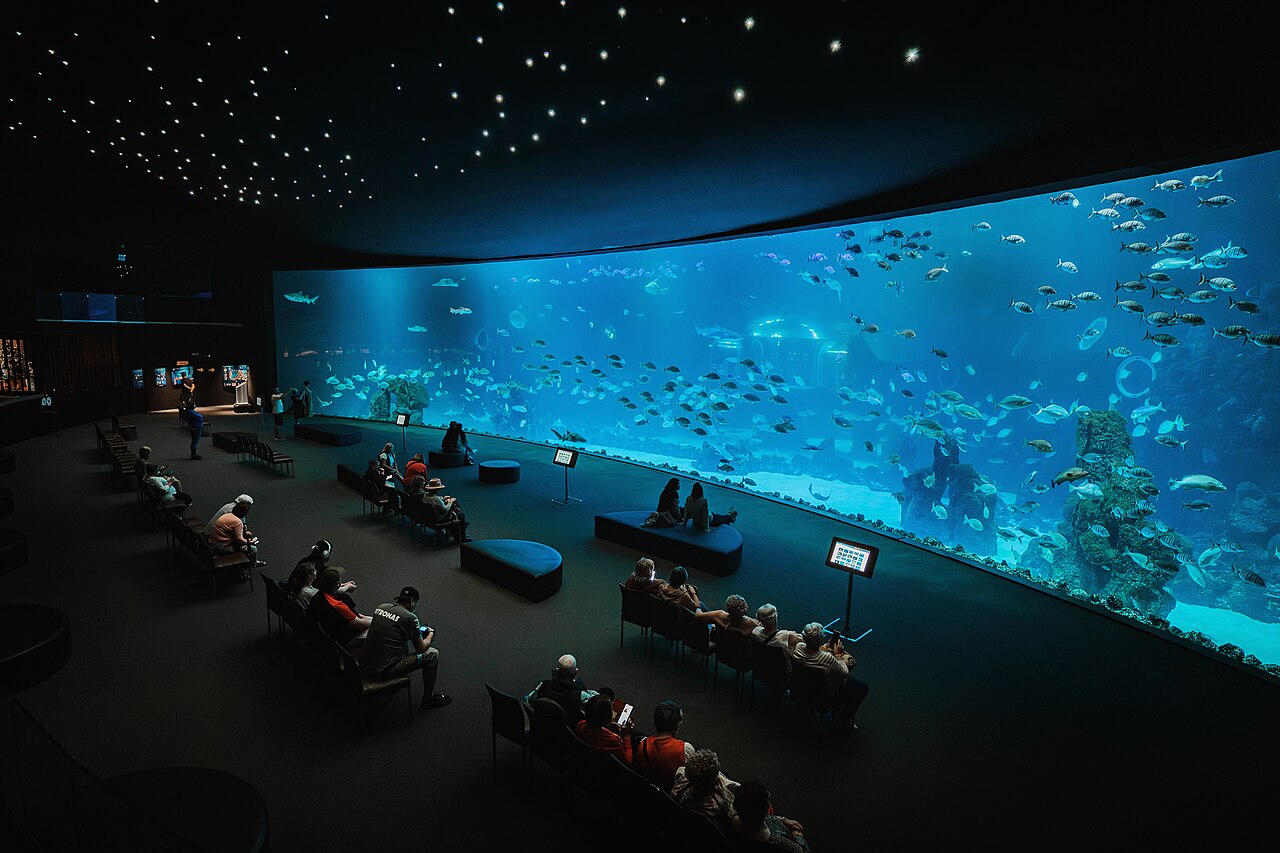
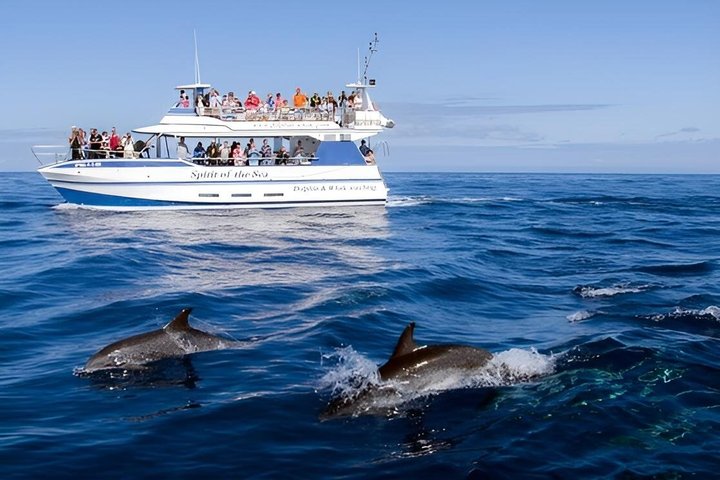
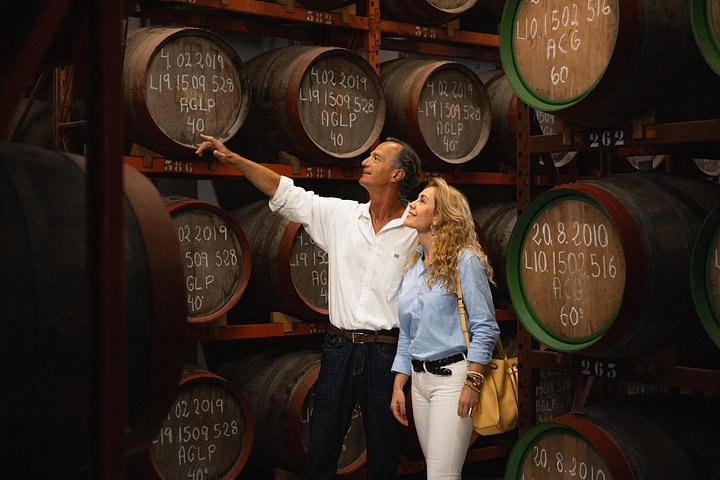
Dated tickets are worth buying for the headline attractions: the Poema del Mar aquarium in Las Palmas, Palmitos Park and Aqualand in the south, and a camel safari in the Maspalomas Dunes. Boat trips for dolphin and whale watching and buggy safaris run in small numbers each day, so book a slot a day or two ahead in the high season. The Arehucas rum distillery in Arucas needs no booking, but it opens only on weekdays and closes on holidays, so check the visit page.
How to get around
A hire car gives the most freedom, and the motorways along the east and south coasts are fast, but mountain roads are narrow and winding, so allow extra time. Without a car, local buses link the resorts and Las Palmas, taxis are plentiful, and organised tours with hotel pickups cover the interior. Aqualand is reached by local buses from Playa del Inglés, Puerto Rico and Puerto de Mogán. Most visitors fly into the island’s one airport on the east coast, which is close to the capital and about forty minutes from the southern resorts.
How many days
Five to seven days is ideal. Spend two days on the beaches and in the south, one on the dunes and a park, one on a dolphin and whale cruise or in Puerto de Mogán, one in the mountains, and one in Las Palmas. With three or four days, choose the dunes, a boat trip and one day each in the mountains and the capital.
The south
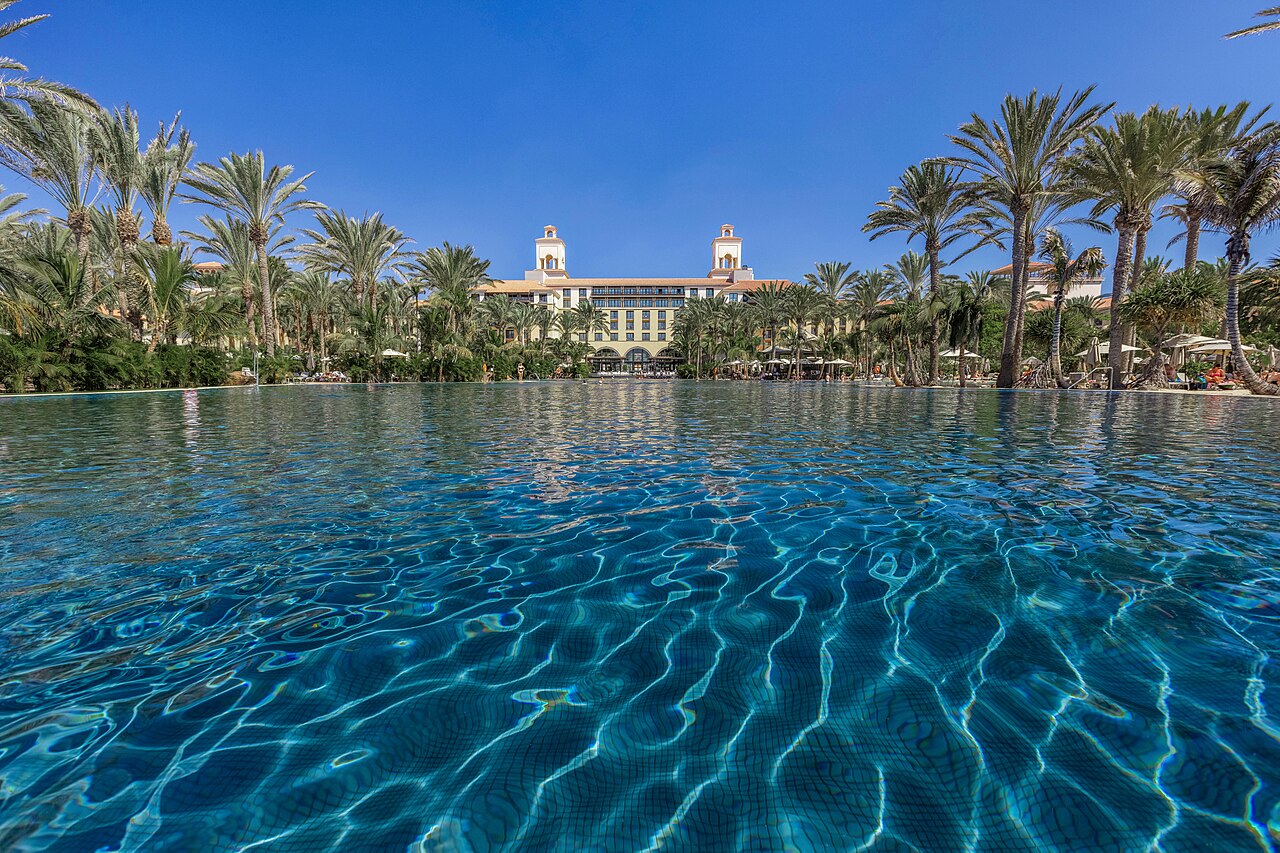
Playa del Inglés, Maspalomas and Meloneras are the heart of the holiday coast. The Maspalomas Dunes are free to walk and best at sunrise or late afternoon, and a short camel safari adds a classic photograph. Palmitos Park has birds, dolphins and a butterfly house, and Aqualand has the slides. From Puerto Rico, catamarans sail out to look for dolphins and whales, and further west Puerto de Mogán is the prettiest harbour village on the island.
Las Palmas
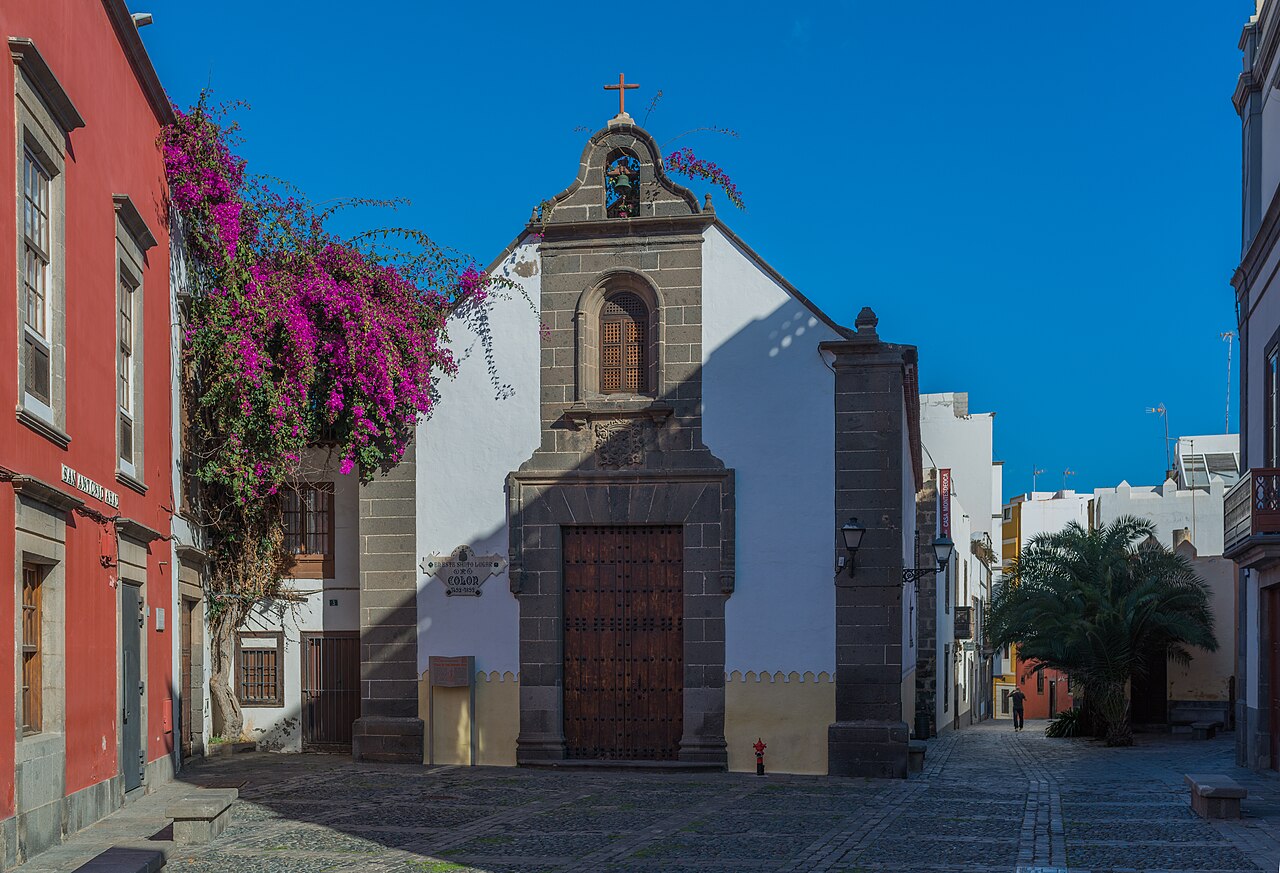
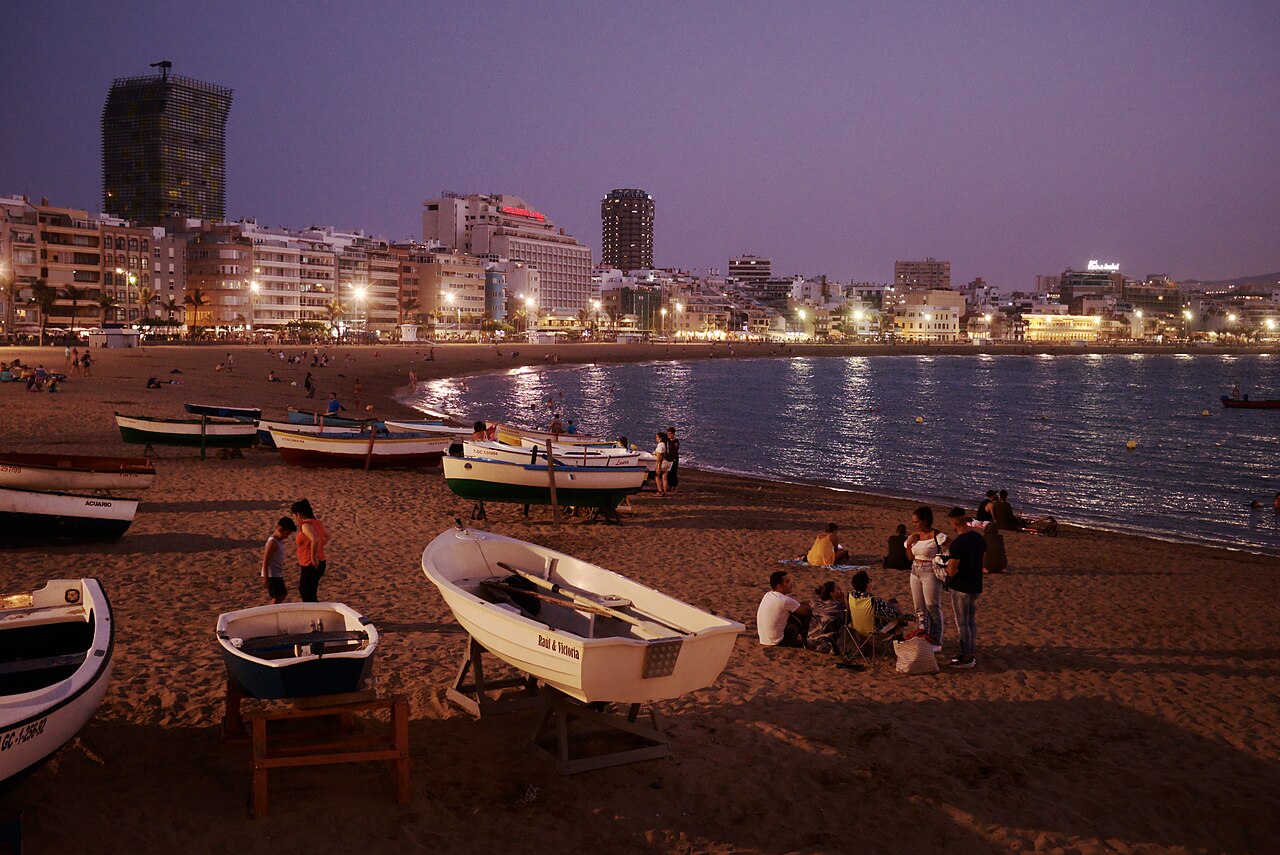
The capital is worth at least a day. Vegueta, the colonial old town, has the cathedral square, the Casa de Colón museum and narrow streets of historic houses, and a short walking tour is an easy way to start. The Poema del Mar aquarium sits on the harbour front, and Las Canteras, a long city beach sheltered by an offshore reef, is the place for a swim and a promenade stroll.
The mountains and the north
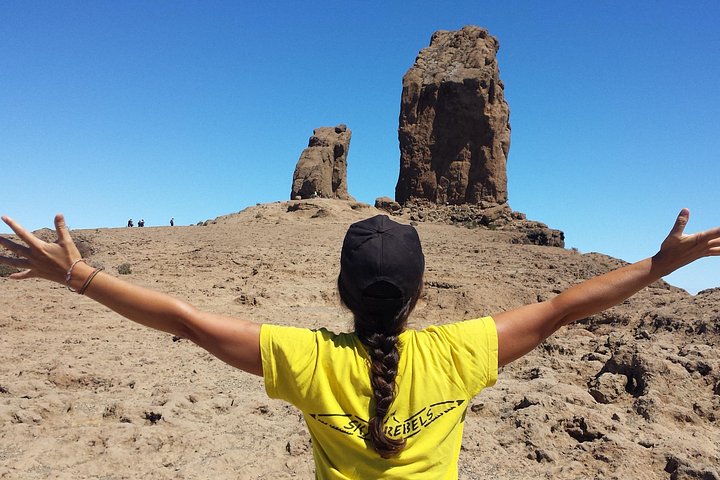
Roque Nublo, a basalt pinnacle at 1,813 metres, is the island’s signature hike, and village lunches in Tejeda are a classic stop. In the north, Arucas has its church and the Arehucas rum distillery, and Teror has a basilica, balconied houses and a lively Sunday market. Agaete, on the north-west coast, has a green valley and tide pools, and Bandama, a volcanic caldera near Las Palmas, offers a short viewpoint stop.
Good to know
The weather depends on altitude and side of the island: the south is sunniest, the north cloudier and the mountains much cooler, so pack layers. The sun is strong all year, so bring sunscreen and a hat. Prices here are in general terms, and opening hours and fares change, so check before you go.